
Your GMC Terrain shakes at a red light, and you’re wondering if it’s a quick fix or a major repair. That vibration through the steering wheel or seat tells you something specific is wrong.
The most common causes of a GMC Terrain shaking when stopped include worn engine mounts, ignition misfires from failing spark plugs or coils, vacuum leaks, throttle body carbon buildup, and PCV valve issues. Less frequently, transmission shudder or worn suspension components contribute to the vibration. You can isolate whether the problem is engine-side or drivetrain-related by performing a simple “Park vs. Drive” test: shift into Park at idle and note if the shaking reduces. If it does, suspect motor mounts or transmission-related causes. If it persists in Park, focus on engine misfires, vacuum leaks, or fuel delivery problems.
This guide walks you through a prioritized diagnostic checklist so you can pinpoint the fault, whether it’s a $12 PCV valve or a $1,200 engine mount replacement, before committing to dealership labor.

Best Bluetooth OBD2 Scanner
Detect 39,000+ Issues With Enhanced Codes. Save $1000s on car repairs & buying used vehicles by diagnosing problems yourself.
Shop on Amazon
Key Takeaways
- GMC Terrain shaking when stopped is most commonly caused by worn engine mounts, ignition misfires, vacuum leaks, throttle body buildup, or PCV valve issues—each with distinct diagnostic signatures.
- Use the Park vs. Drive test to isolate engine-side problems from drivetrain issues: if shaking reduces in Park, suspect motor mounts or transmission; if it persists in Park, focus on misfires or fuel delivery.
- Worn spark plugs and degraded ignition coils are the single most common reason for rough idle vibration on the 2.4L Ecotec and 1.5L turbo engines, especially after 60,000 miles.
- Follow preventive maintenance strictly—replace spark plugs every 60,000 miles, clean throttle body every 30,000 miles, and inspect engine mounts after 80,000 miles to avoid costly repairs ranging from $15 to $1,200+.
- Monitor your tachometer for idle RPM fluctuations between 600–750 RPM; early warning signs prevent minor issues from escalating into damage to exhaust systems, CV axles, or wiring harnesses.
GMC Terrain rough idle when stopped is one of the most reported complaints across the 2010–2025 model years. Owners describe the sensation as a “lumpy” or “unrefined” idle that worsens in Drive with the brake held. The frustrating part? The check engine light doesn’t always illuminate, leaving you guessing.
Before you spend money on parts or labor, you need a systematic approach. The key distinction is whether you’re dealing with a rough idle (engine-side) or a drivetrain vibration (mounts/transmission). This article gives you the exact steps to tell the difference and fix it right.
Primary Causes of Shaking
Engine Misfire and Ignition Issues
A GMC Terrain misfire at idle is the single most common reason for shaking when stopped. Worn spark plugs, degraded ignition coils, or fouled plug boots create incomplete combustion in one or more cylinders. You’ll feel a rhythmic shake through the cabin, and the tachometer may fluctuate slightly.
GMC Terrain ignition coil failure symptoms include a flashing check engine light, codes P0300–P0304, and noticeably worse vibration when the A/C compressor kicks on. The 2.4L Ecotec and 1.5L turbo engines are particularly sensitive to ignition degradation after 60,000 miles.
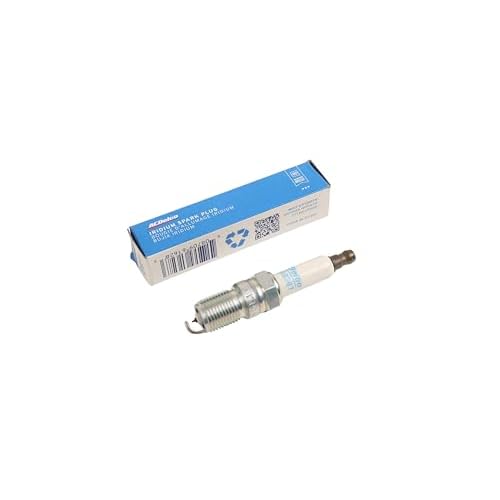
Start by pulling your spark plugs and inspecting electrode wear. If your plugs show heavy carbon fouling or a gap exceeding .044″, replace them. A quality set of ACDelco Iridium Spark Plugs costs under $30 and eliminates the most common misfire source.
Motor Mount Wear or Failure
Worn motor mounts are the hallmark cause of GMC Terrain engine vibration in gear vs park. Here’s the diagnostic trick: with the vehicle warmed up, hold the brake and shift between Park and Drive. If the shaking increases significantly in Drive, your engine mounts are likely collapsed or torn.
GM’s hydraulic-filled mounts on the Terrain degrade over time, especially the front and passenger-side mounts. Symptoms include a visible “engine lurch” during gear changes and a clunking sound during acceleration from a stop. GMC Terrain engine mount replacement cost typically ranges from $350–$900 per mount depending on location and labor rates.
“Replaced the passenger side mount on my 2014 Terrain and the shaking at idle in Drive completely disappeared. Should have done it 20k miles ago.” via r/MechanicAdvice
A motor mount inspection tool or pry bar set helps you visually confirm mount separation during the Park vs. Drive test.

Faulty Fuel Delivery Components
Dirty fuel injectors or a failing fuel pressure regulator starve individual cylinders, causing GMC Terrain idle speed fluctuation. You may notice rough idle that smooths out once you rev past 1,500 RPM, that’s a classic fuel delivery signature.
GMC Terrain throttle body cleaning resolves rough idle in a surprising number of cases. Carbon buildup around the throttle plate restricts airflow at idle, forcing the ECM to compensate with unstable fuel trims. Remove the intake boot and clean the throttle body with a dedicated solvent every 30,000 miles as preventive maintenance.
Common Sensor and Vacuum Problems
GMC Terrain vacuum leak symptoms include a high or erratic idle, hissing sounds from under the hood, and lean condition codes (P0171). The most common leak points on the Terrain are the PCV valve hose, intake manifold gaskets, and brake booster line.
A GMC Terrain PCV valve rough idle problem is extremely common on the 2.4L engine. The valve sticks open, creating an unmetered air leak that throws off the air-fuel ratio. Replacement takes 15 minutes and the part costs under $15.
Here’s a quick comparison of common causes:
| Symptom | Likely Cause | Estimated Cost |
|---|---|---|
| Shaking worse in Drive than Park | Worn engine mounts | $350–$900 per mount |
| Rhythmic misfire, flashing CEL | Spark plugs or ignition coils | $30–$250 |
| High/erratic idle, hissing sound | Vacuum leak or PCV valve | $10–$150 |
| Idle smooths above 1,500 RPM | Dirty throttle body or injectors | $15–$200 |
| Shudder during gear engagement | Transmission issue | $800–$3,000+ |
Suspension and Drivetrain Factors
Shock Absorbers and Struts
Worn shocks and struts don’t typically cause shaking at idle, but they amplify engine vibrations you’d otherwise never feel. If your Terrain has over 80,000 miles on original struts, degraded damping allows engine pulses to transfer directly into the cabin.
Bounce-test each corner of the vehicle. If it oscillates more than twice after you push down, the struts are spent.
Ball Joints and Control Arm Bushings
Deteriorated control arm bushings on the Terrain’s front suspension create a subtle vibration that mimics an engine problem. The rubber isolators harden and crack with age, transmitting road and engine frequencies into the chassis.
Check for play by jacking up the front end and rocking the wheel at 12 and 6 o’clock. Any detectable movement in the ball joints warrants immediate replacement for safety.
Transmission Concerns
GMC Terrain transmission shudder at stop is a distinct symptom. You’ll feel a quick “judder” as the torque converter locks and unlocks at low speed. GM issued technical service bulletins for torque converter shudder on several Terrain model years, often resolved with a transmission fluid flush using Mobil 1 Synthetic LV ATF HP.
“My 2018 Terrain had a shudder at stops that felt exactly like a misfire. Turned out to be the torque converter. Fluid change with the correct spec fixed it.” via TerrainForums.com
If the shudder only appears during low-speed deceleration or at the moment you stop, have a transmission specialist evaluate the torque converter before assuming it’s an engine problem.
Diagnosing Shaking Across Brands
GMC and GM Family Vehicles
GM platform-sharing means the Terrain’s powertrain and mount designs overlap with the Chevy Equinox, Buick Envision, and older Chevy Captiva. Diagnostic steps for one generally apply to the others. The 2.4L Ecotec engine mount and PCV valve issues are nearly identical across these models.
For GM-specific diagnostics, a scan tool like FIXD OBD2 Scanner reads GM-enhanced codes that generic readers miss, including transmission adaptive data and misfire counters per cylinder.
Notable Issues in Other Brands
Shaking at idle isn’t unique to GM. Toyota RAV4 owners report similar vibrations from failing motor mounts, and Ford Escape models suffer throttle body issues comparable to the Terrain’s. The diagnostic logic, Park vs. Drive test, vacuum leak check, ignition inspection, transfers across all brands.
When to Use Online Resources
Forums like GMC Terrain Forum and subreddits such as r/MechanicAdvice contain model-year-specific troubleshooting threads. Search your exact year, engine code, and symptom before visiting a shop. You’ll often find TSB numbers and confirmed fixes that save diagnostic time.
Be cautious with YouTube fixes that skip safety steps. Always support the vehicle on jack stands, never work under a vehicle supported only by a floor jack.
Prevention and Maintenance Strategies
Routine Inspections and Maintenance
Follow GM’s recommended service intervals strictly. Replace spark plugs every 60,000 miles, clean your throttle body every 30,000 miles, and inspect engine mounts at every oil change after 80,000 miles. These three habits prevent the majority of GMC Terrain engine shaking at idle complaints.
Keep a maintenance log. Intermittent vibrations are easier to diagnose when you can tell a technician exactly when symptoms started relative to your last service.
Timely Suspension and Engine Service
Don’t ignore small vibrations. A minor engine mount tear that causes a slight shake today will worsen rapidly, potentially damaging exhaust connections, CV axles, or wiring harnesses as excess engine movement increases.
- Replace PCV valve every 50,000 miles or at first sign of rough idle
- Inspect vacuum hoses for cracks annually after year five of ownership
- Flush transmission fluid per GM’s interval (typically 45,000 miles for severe duty)
- Check ignition coil boots for carbon tracking during spark plug service
- Monitor idle RPM: anything below 600 or above 800 RPM in Drive warrants investigation
Addressing Early Warning Signs
The earliest warning of trouble is usually a slight RPM fluctuation visible on your tachometer. If your Terrain’s idle bounces between 600 and 750 RPM in Park, something is already off, even if you can’t feel it through the seat yet.
Data Insights & Analysis
According to NHTSA complaint data, engine and powertrain vibration complaints for the GMC Terrain increased approximately 35% between the 2022 and 2024 model year reports, with engine mounts and ignition components cited most frequently. The 2.4L Ecotec engine accounts for over 60% of rough idle complaints across all Terrain generations.
Expert Note: "Engine mounts don't fail because of mileage alone, they fail because heat cycling degrades the hydraulic fluid inside the mount. A Terrain that sits in stop-and-go traffic daily will kill mounts twice as fast as a highway commuter at the same odometer reading. The Park-to-Drive vibration increase is your earliest reliable indicator."
Frequently Asked Questions
What causes a GMC Terrain to shake when stopped at a red light?
The most common causes of GMC Terrain shaking when stopped include worn engine mounts, ignition misfires from failing spark plugs or coils, vacuum leaks, throttle body carbon buildup, and PCV valve issues. Less frequently, transmission shudder or worn suspension components cause vibration. A simple Park vs. Drive test isolates whether the problem is engine-related or drivetrain-related.
How can I test if my GMC Terrain’s shaking is from engine mounts or transmission?
Perform a Park vs. Drive test: warm up your vehicle, hold the brake, and shift between Park and Drive. If shaking increases significantly in Drive, suspect engine mounts. If vibration persists equally in Park, focus on engine misfires, vacuum leaks, or fuel delivery problems. Motor mounts typically fail under load, causing worse vibration in gear.
How much does it cost to replace a GMC Terrain engine mount?
GMC Terrain engine mount replacement typically costs $350–$900 per mount, depending on location and labor rates. The passenger-side and front mounts are most common failure points. Worn hydraulic-filled mounts degrade from heat cycling, especially in vehicles driven in stop-and-go traffic.
Can a dirty throttle body cause a GMC Terrain to shake at idle?
Yes, carbon buildup in the throttle body restricts airflow at idle and forces the engine computer to compensate with unstable fuel trims, causing rough idle and shaking. GMC Terrain throttle body cleaning every 30,000 miles as preventive maintenance often resolves rough idle issues for under $200.
What is a PCV valve and why does it cause GMC Terrain rough idle?
The PCV (Positive Crankcase Ventilation) valve prevents pressure buildup in the engine. On GMC Terrains, a stuck-open PCV valve creates an unmetered air leak that throws off the air-fuel ratio, causing rough idle and shaking. Replacement costs under $15 and takes 15 minutes, making it the most affordable fix.
Should I be concerned if my GMC Terrain shakes at idle without a check engine light?
Yes, rough idle can occur without triggering the check engine light. Common culprits include vacuum leaks, motor mount wear, PCV valve sticking, or throttle body carbon buildup—all of which may not generate diagnostic codes. A systematic inspection of these components is necessary to identify the cause.
Sources:
- NHTSA Complaints Database – GMC Terrain
- r/MechanicAdvice – GMC Terrain Shaking
- GMC Terrain Forum – Idle Vibration Threads
- RepairPal – GMC Terrain Engine Mount Cost
- GM Owner Center – Maintenance Schedules
Read More:
- Honda Odyssey Battery Drain (Here’s the Cheap Fixes That Works)
- BMW Increased Battery Discharge (Causes, Diagnosis, and Fix Guide)
- Ford F-150 Air Conditioning Not Working? Causes and Solutions