
Your Jeep’s temperature gauge climbs at every red light, then drops the moment you accelerate. That’s not random, it’s a specific failure pattern you can diagnose yourself.
When your Jeep overheats at idle but not while driving, the most common cause is a cooling fan that isn’t spinning. Without vehicle speed forcing air through the radiator, the fan is your only source of airflow at a standstill. Secondary causes include trapped air pockets in the cooling system, a thermostat stuck closed, or a weak water pump. Each of these failures shares the same signature: temperature spikes when stationary, relief when moving.
This guide walks you through the exact hierarchy of checks, fan operation first, then air pockets, thermostat, and water pump, so you can isolate the problem methodically and avoid paying $800+ in shop labor for what might be a $30 relay swap.
Best Bluetooth OBD2 Scanner
Detect 39,000+ Issues With Enhanced Codes. Save $1000s on car repairs & buying used vehicles by diagnosing problems yourself.
Shop on Amazon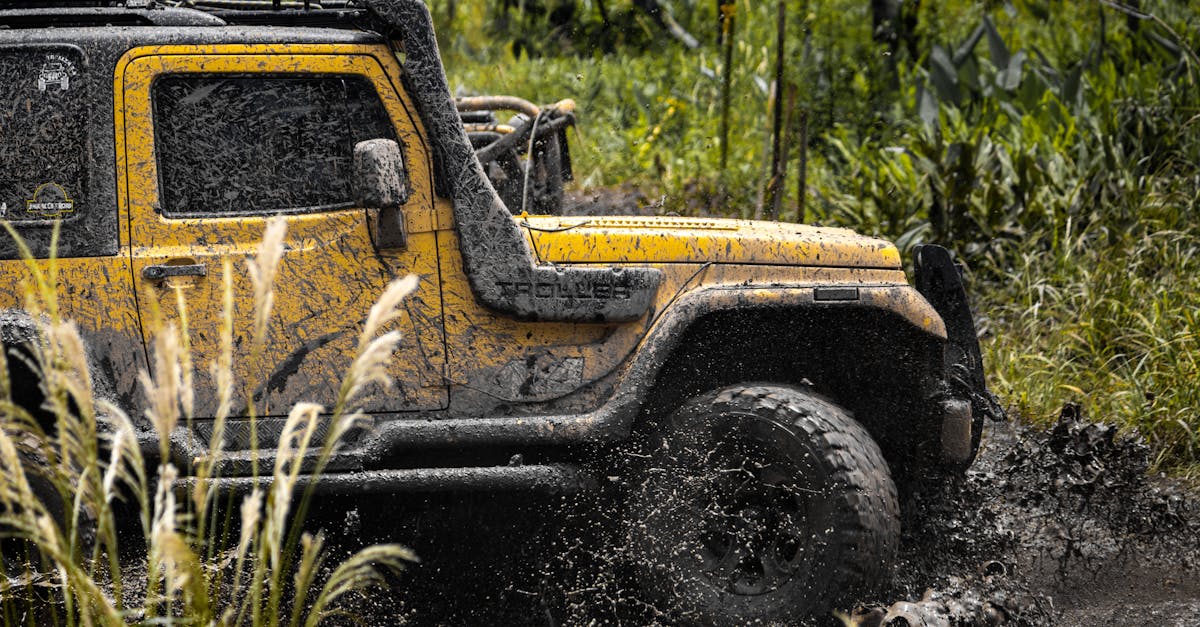
Key Takeaways
- Jeep overheating when idle is primarily caused by a failed cooling fan relay, the cheapest ($15–$30) and most common fix that you can test by swapping relays in your fuse box.
- Air pockets in the cooling system from small leaks or improper maintenance mimic stuck thermostat symptoms, so always check coolant levels and burp the system after any coolant work.
- Use an infrared thermometer to scan your radiator for temperature cold spots (20°F+ cooler zones), which indicate internal clogging that restricts coolant circulation at idle.
- A weak radiator cap holding less than 16 PSI lowers your coolant’s boiling point and should be replaced every 5 years regardless of visible wear, since this $7 part is often overlooked during overheating diagnosis.
- Off-road Jeeps accumulate mud and debris between the radiator and A/C condenser that kills airflow even when the fan works—rinse this area after each trail to prevent idle temperature spikes.
- Left undiagnosed, repeated idle overheating cycles warp cylinder heads and weaken head gasket seals on the Pentastar 3.6L, so catch the fan relay early to avoid cascading coolant system failures.
Jeep overheating at idle but not driving is one of the most reported cooling system complaints across the Wrangler JK/JL, Grand Cherokee WK2, and Cherokee KL platforms. The Pentastar 3.6L V6 and the older 4.0L I-6 both rely heavily on electric cooling fans to maintain safe engine temperatures when you’re sitting still. At highway speed, ram air does most of the work. At a stoplight? That fan is everything.
The good news: this is a problem you can systematically troubleshoot in your driveway with basic tools. An infrared thermometer, a multimeter, and about an hour of patience will get you 90% of the way to a diagnosis. Let’s break down what to look for, what to test, and how to fix it.
Key Symptoms and Immediate Concerns
Recognizing Signs of Overheating at Idle
The classic tell is a temperature gauge that creeps past the midpoint exclusively when you’re stopped, drive-thrus, traffic jams, long red lights. You might also notice the A/C blowing warm, a sweet coolant smell from the hood, or steam wisping from the overflow reservoir. Some owners report the issue appearing only after the engine has been running 15–20 minutes, which points directly to airflow-dependent cooling failures.
“Mine would sit at 210 all day on the highway, then hit 240 within two minutes at a stop sign. Turned out the fan relay was corroded.” via r/Jeep
Potential Risks for Engine Damage
Ignoring Jeep engine temperature spikes when stationary can warp cylinder heads, blow head gaskets, or crack engine blocks. The Pentastar 3.6L is particularly sensitive to sustained temps above 240°F due to its aluminum construction. Repeated overheating cycles weaken head gasket seals progressively, damage often accumulates before a catastrophic failure.
Temperature Gauge Behavior and Warning Signs
A healthy Jeep runs between 195°F and 210°F. If your gauge pushes past 220°F only at idle and recovers quickly at speed, you’re looking at an airflow or circulation problem, not a head gasket. A head gasket failure typically causes overheating under load at all speeds and produces white exhaust smoke or milky oil.
Primary Causes Behind Idle Overheating
Low Coolant and Coolant Leaks
Before anything else, check your coolant level, cold engine, reservoir at the “MIN/MAX” marks. Even a small leak from a cracked reservoir, worn hose clamp, or weeping water pump seal can introduce air into the system. An air pocket in your Jeep cooling system prevents proper circulation and mimics a stuck thermostat. Look for dried coolant residue (green or orange trails) around hose connections and the water pump weep hole.
Radiator Fan Failures and Performance Issues
This is the number-one cause. Your Jeep’s electric cooling fan should engage when coolant temperature reaches approximately 200–210°F or when the A/C compressor activates. If the cooling fan is not coming on in your Jeep, the culprit is usually:
- Failed fan relay – The most common and cheapest fix (~$15–$30)
- Burned-out fan motor – Test by applying 12V directly to the fan connector
- Faulty coolant temperature sensor – Sends incorrect data to the PCM
- Wiring harness damage – Especially on off-road Jeeps with undercarriage exposure
Clogged or Restricted Radiator
Off-road Jeeps frequently pack mud and debris between the radiator and A/C condenser. This external blockage kills airflow even when the fan works perfectly. Internally, a radiator clogged with sediment creates cold spots you can detect with an infrared thermometer, more on that in the diagnosis section. A partially blocked radiator may cool adequately at highway speed but fail at idle.
Problems With Radiator Cap and Coolant Reservoir
A weak radiator cap that can’t hold 16 PSI (the standard for most Jeep applications) lowers your coolant’s boiling point. This means the system boils over sooner at idle temperatures. Replace the cap if it’s more than five years old, it’s a $7 part that’s often overlooked during coolant loss and overheating diagnosis.
| Cause | Idle Overheating? | Highway Overheating? | Fix Cost |
|---|---|---|---|
| Fan relay failure | Yes | No | $15–$30 |
| Fan motor failure | Yes | No | $80–$200 |
| Clogged radiator (external) | Yes | Sometimes | Free (hose rinse) |
| Clogged radiator (internal) | Yes | Sometimes | $150–$350 |
| Stuck thermostat | Yes | Yes | $25–$60 |
| Weak water pump | Yes | Yes (under load) | $200–$500 |
Diagnosis Steps and Troubleshooting
Checking Coolant System Components
Start cold. Open the radiator cap (never on a hot engine) and verify the coolant level reaches the filler neck. Check the overflow reservoir. Inspect every hose for swelling, cracks, or wet spots. Squeeze the upper radiator hose after the engine warms up, it should feel firm with pressure. A squishy hose after warm-up suggests a bad radiator cap or a coolant circulation issue.
Assessing Radiator Fan Functionality
Here’s your step-by-step for testing the Jeep radiator fan relay:
- Start the engine and let it idle until the temp gauge reads ~210°F
- The fan should kick on. If it doesn’t, turn on the A/C, this forces the fan relay in most Jeep models
- If the fan still doesn’t spin, locate the fan relay in the fuse box (consult your owner’s manual for position)
- Swap the fan relay with an identical relay from another circuit (e.g., horn relay) and retest
- If the fan now works, you’ve found your problem, replace the relay
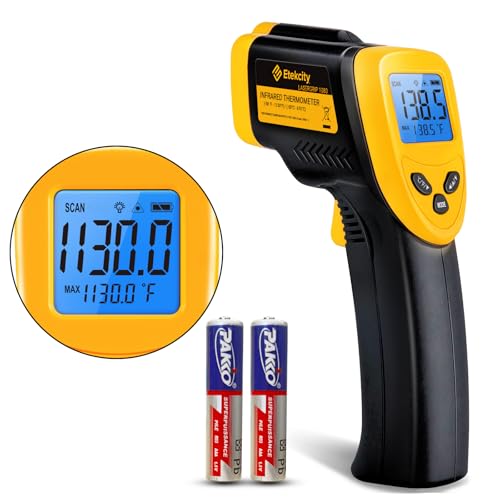
If the relay swap doesn’t help, unplug the fan motor connector and apply 12V directly from the battery. A fan that spins on direct power but not through the harness points to a wiring or sensor issue. A fan that won’t spin at all needs replacement. The Etekcity Lasergrip 1080 Infrared Thermometer is invaluable here for verifying actual coolant temps versus gauge readings.
“Swapped relays and the fan fired right up. $18 fix for a problem two shops couldn’t find.” via r/MechanicAdvice
Inspecting for Blockages and Airflow Issues
Use your infrared thermometer to scan across the radiator face in a grid pattern. A healthy radiator shows a gradual temperature drop from the inlet (top) to the outlet (bottom), typically 195°F at the top and 170°F at the bottom. Infrared thermometer radiator cold spots, areas reading 20°F+ cooler than surrounding zones, indicate internal clogs. For external debris, shine a flashlight from behind the radiator and check for light blockage between the fins.
Testing for Air Pockets and Pressure Concerns
Here’s how to burp your Jeep coolant system:
- Park on a slight incline with the front end elevated
- Remove the radiator cap (cold engine only)
- Start the engine and set the heater to maximum heat
- Slowly add coolant as the level drops
- Squeeze the upper radiator hose periodically to help dislodge trapped air
- Watch for bubbles escaping from the filler neck, this is the trapped air releasing
- Once bubbles stop and the level stabilizes, replace the cap
A Stant 12270 Pressure Tester Kit lets you pressurize the system to 16 PSI and watch for leaks without running the engine, a much safer diagnostic approach.

Prevention Strategies and Long-Term Solutions
Routine Maintenance Tips
Flush your cooling system every 30,000 miles or every three years, whichever comes first. Inspect the radiator fan operation monthly by letting your Jeep idle for 10 minutes and confirming the fan engages. After any off-road trip, hose out the space between the radiator and condenser, packed mud is the silent killer of idle cooling performance.
Coolant Selection and Replacement Frequency
The Pentastar 3.6L requires OAT (Organic Acid Technology) coolant, Mopar specifies MS-12106 (typically the purple/violet formulation). The 4.0L I-6 uses HOAT coolant. Never mix types. Using the wrong coolant chemistry causes gel formation that clogs heater cores and radiator passages. Replace coolant at 100,000 miles or 5 years for OAT, and 30,000 miles or 2 years for conventional green.
Best Practices for Avoiding Idle Overheating
- Test your fan relay annually, swap-test takes 60 seconds
- Replace the radiator cap every 5 years regardless of condition
- Burp the cooling system after any coolant work, hose replacement, or thermostat swap
- Monitor for Jeep coolant loss by marking your reservoir level with a paint pen
- Keep a spare relay in the glovebox, it weighs nothing and could save your engine
Expert Note: "Idle overheating in Jeeps is almost never a single-component failure by the time it reaches a shop. The fan relay degrades, which causes repeated thermal cycling, which weakens the radiator cap seal, which introduces air pockets. Owners who catch the fan relay early avoid the cascade entirely.", Diagnostic insight based on Stellantis TSB patterns and NHTSA complaint data for Jeep cooling system failures.
Data Insights and Analysis
According to NHTSA’s complaint database, cooling system failures rank among the top five reported issues for the 2014–2020 Jeep Grand Cherokee, with idle overheating accounting for a significant share of those complaints. Stellantis TSB 25-002-21 REV.A addresses cooling fan relay concerns on multiple Jeep platforms, confirming this is a recognized pattern failure, not an edge case.
Repair data from RepairPal shows the average cooling fan relay replacement costs $85–$150 at a shop, while the DIY part cost is under $30. Owners who diagnose the relay themselves save roughly 70% on this repair.
Frequently Asked Questions
Why does my Jeep overheat when idle but not while driving?
Jeep overheating at idle occurs because the cooling fan isn’t spinning, leaving no airflow to cool the radiator. At highway speed, ram air cools the engine. The most common cause is a failed fan relay, followed by stuck thermostats or trapped air pockets in the cooling system.
What are the most common causes of Jeep idle overheating?
The top causes are: failed fan relay (cheapest fix at $15–$30), clogged radiator, stuck thermostat, weak water pump, trapped air in the coolant system, and low coolant levels. Fan relay failure accounts for the majority of cases and is often overlooked.
How do I test my Jeep’s cooling fan relay?
Start the engine and let it idle until the temperature gauge reaches 210°F—the fan should engage. If it doesn’t, turn on the A/C to force the relay. Locate the fan relay in your fuse box, swap it with an identical relay from another circuit, and retest. A working fan confirms a relay failure.
Can a weak radiator cap cause my Jeep to overheat at idle?
Yes. A worn radiator cap that can’t hold 16 PSI lowers the coolant’s boiling point, causing the system to boil over sooner at idle temperatures. Replace the cap every five years; it’s a $7 part that prevents cascading cooling failures.
How do I remove air pockets from my Jeep’s cooling system?
Park on an incline with the front elevated. Remove the radiator cap on a cold engine, set the heater to maximum heat, and slowly add coolant while squeezing the upper hose to dislodge air. Once bubbles stop escaping and levels stabilize, replace the cap.
What’s the difference between idle overheating and a failing head gasket in a Jeep?
Idle overheating spikes only when stationary and recovers at speed, signaling airflow problems. Head gasket failure causes overheating under load at all speeds and produces white exhaust smoke or milky oil. Idle-only overheating rarely indicates head gasket damage.
Read More:
- Jeep Compass Auto Start Warning Light (Means and How to Fix It)
- Jeep Engine Shuts Off While Driving (Causes, Fixes, and Safety Steps)
- Jeep Grand Cherokee AC Not Working? No-Tool Diagnostic Guide