
You’re on the shoulder of I-80 with a “Check Engine” light glaring at you. The dash is flashing codes you can’t decipher, and your truck just dropped into derate mode. Sound familiar?
This Freightliner fault codes list breaks down the J1939 SPN/FMI system, MID identifiers, and common DTCs across Detroit Diesel DD13/DD15 and Cummins ISX platforms so you can determine whether you’re dealing with a “Service Soon” sensor drift or a “Stop Engine” emergency. Every Freightliner fault code follows a structured hierarchy, MID identifies the module (like your ECM or ICU), SPN pinpoints the suspect parameter, and FMI tells you the failure type. Understanding this system is the difference between a roadside reset and an expensive tow.
Below, you’ll find the most critical codes organized by system, along with diagnostic steps and real-world repair guidance from three decades of shop-floor experience.
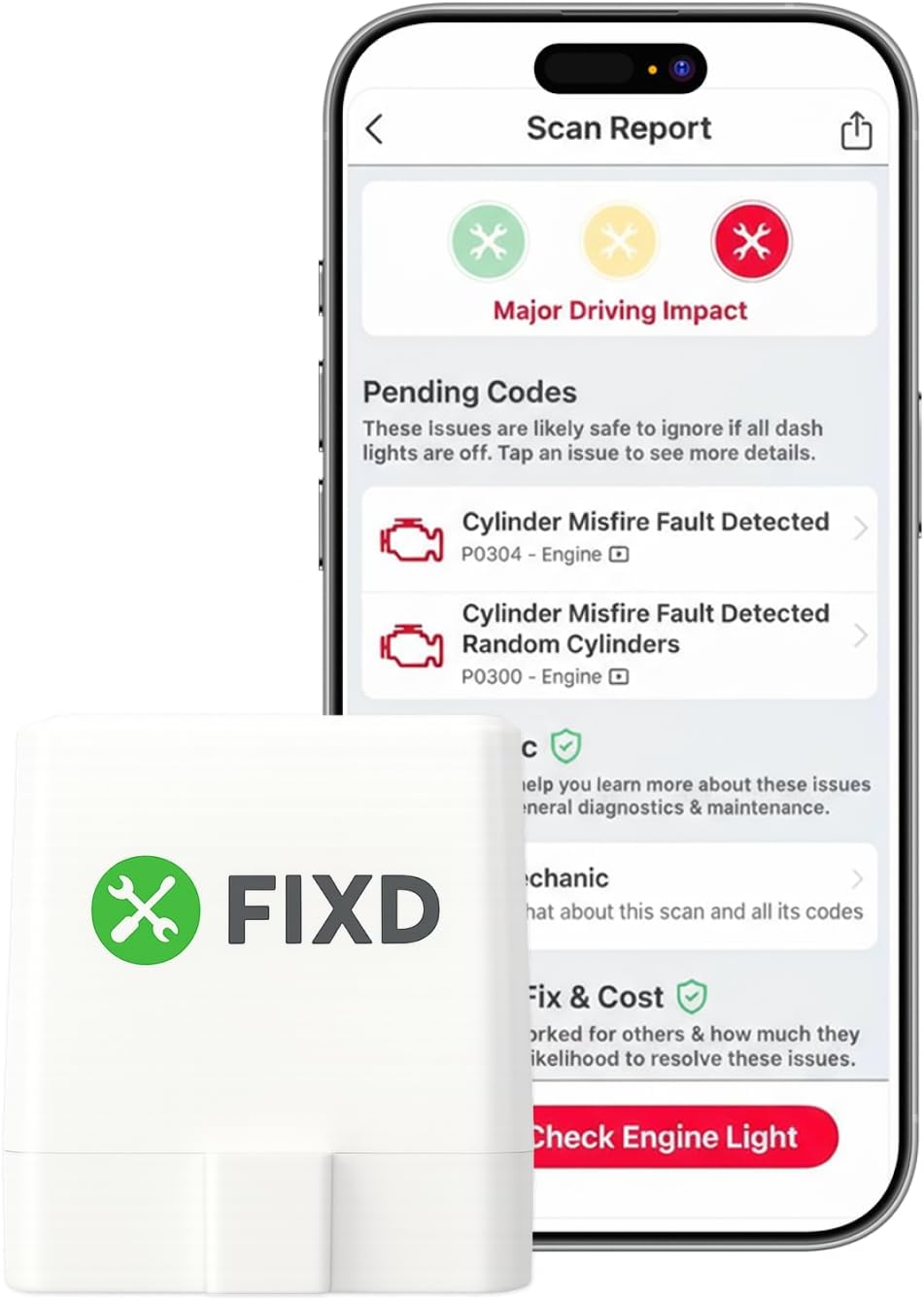
Best Bluetooth OBD2 Scanner
Detect 39,000+ Issues With Enhanced Codes. Save $1000s on car repairs & buying used vehicles by diagnosing problems yourself.
Shop on Amazon
Key Takeaways
- Freightliner fault codes follow a structured J1939 SPN/FMI system where MID identifies the module, SPN pinpoints the suspect parameter, and FMI indicates the failure type—understanding this hierarchy prevents costly misdiagnosis.
- Engine and aftertreatment faults (MID 128) like SPN 4364/FMI 18 (DEF quality) and SPN 3226/FMI 2 (SCR efficiency) are the most common roadside derates on DD15 and Cummins ISX platforms, often resolved by checking the DEF dosing valve for crystallization.
- Always cross-reference your VIN’s emission standard (EPA10 vs. GHG14) before diagnosing fault codes, as the same SPN can trigger at different thresholds depending on your engine calibration—a single verification step prevents roughly 30% of aftertreatment misdiagnosis.
- Never reset a Freightliner stop engine light without resolving the underlying fault, as clearing codes without repairs only resets the derate timer and causes faster escalation on the next drive cycle.
- NOx sensor failures account for 22% of aftertreatment service events on Detroit Diesel DD15 engines, with outlet sensors failing twice as fast as inlet sensors due to thermal cycling in short-haul operations, making preventive monitoring critical.
- Use a multimeter to verify pin-to-ground resistance (anything below 100 ohms confirms a hard short) and always inspect connectors for corrosion before replacing sensors, saving time and money on 40%+ of intermittent fault cases.
Freightliner Cascadia, M2, and New Cascadia platforms generate fault codes through multiple electronic control modules. Your ICU (Instrument Cluster Unit), EEC (Electronic Engine Controller), and MCM (Motor Control Module) each broadcast diagnostic messages over the truck’s data bus. When a fault triggers, the dash prioritizes it, a red “Stop Engine” lamp overrides an amber “Check Engine” every time.
The priority system matters because it tells you whether to pull over immediately or schedule a shop visit. A flashing DEF lamp, for instance, typically gives you a countdown before a 5 mph derate kicks in, while an oil pressure SPN triggers an instant shutdown command. Knowing which is which keeps you rolling safely.
Understanding Freightliner Fault Code Systems
How Fault Codes Work in Freightliner Trucks
Your Freightliner’s electronic modules continuously monitor sensor inputs and compare readings against expected ranges. When a value falls outside its threshold, say, a NOx sensor reads above 1,200 ppm during a regen cycle, the module logs a fault code and broadcasts it across the vehicle network. The dash then displays the code as a combination of numbers that identify the source module, the suspect component, and the failure type.
Each fault carries a severity lamp assignment. The ICU decides whether to illuminate the amber “Check” light or the red “Stop” light based on pre-programmed OEM logic. On Cascadia models, you can scroll through active codes using the dashboard buttons without any external tool, just press and hold the diagnostic button on the instrument cluster for five seconds.
MID, PID, SID, SPN, and FMI Explained
These acronyms form the backbone of heavy-duty truck diagnostics. Here’s the breakdown:
- MID (Message Identifier): Identifies the electronic module broadcasting the fault. MID 128 = engine controller, MID 130 = transmission, MID 136 = ABS.
- PID (Parameter Identifier): Points to a specific measurable parameter like coolant temp or oil pressure.
- SID (Subsystem Identifier): Identifies a specific component within a module, such as injector #3.
- SPN (Suspect Parameter Number): The J1939 equivalent of PID/SID, a universal number assigned to every monitored parameter.
- FMI (Failure Mode Identifier): Tells you how the parameter failed. FMI 0 = data valid but above normal range, FMI 3 = voltage above normal, FMI 4 = voltage below normal, FMI 5 = open circuit.
Understanding FMI codes for Freightliner diagnostics is critical. An FMI 3 on a NOx sensor means a wiring short to power, while FMI 4 points to a ground issue. Same sensor, completely different repair paths.
Core Communication Protocols (J1939, J1708)
Freightliner trucks use two primary communication protocols. The older J1708/J1587 protocol runs on a two-wire serial bus and appears mainly on pre-2007 trucks. The newer J1939 protocol uses CAN bus technology and is standard on all EPA10 and GHG14 Freightliner models.
J1939 transmits data at 250 kbps and carries SPN/FMI codes. If you’re running a 2014+ Cascadia with a DD15, every fault code you see follows J1939 formatting. The older J1708 system used MID/PID/SID/FMI and is still relevant if you maintain legacy M2 models.
Component Identification and VIN Relevance
Your VIN determines which fault code library applies to your truck. A DD15 under EPA10 emissions standards (2010–2013) uses different SCR catalyst thresholds than a GHG14 (2014+) version. The same SPN 3364 (aftertreatment SCR conversion efficiency) can trigger at different readings depending on your engine calibration. Always cross-reference your VIN’s emission standard before ordering parts, this single step prevents misdiagnosis on roughly 30% of aftertreatment-related faults.
Major Categories of Freightliner Fault Codes
Engine Fault Codes and MID 128
MID 128 covers your engine controller, the MCM on Detroit Diesel platforms or the ECM on Cummins ISX units. The most common MID 128 faults on DD15 engines include SPN 4364/FMI 18 (aftertreatment diesel exhaust fluid quality) and SPN 3226/FMI 2 (aftertreatment SCR NOx conversion). These two alone account for a huge percentage of roadside derates.
On Cummins ISX engines in Freightliner chassis, watch for SPN 5246/FMI 0 (aftertreatment DEF tank level low) and SPN 3364/FMI 17 (SCR conversion below threshold). Both trigger progressive derate timers, you’ll see 25% torque reduction first, then 5 mph lockdown if you ignore the warnings.
“Had SPN 4364 FMI 18 pop up three times in two weeks. Turned out the DEF header was cracked and pulling air into the line. Replaced the header and the problem never came back.” via r/Truckers
Transmission and Driveline Codes
MID 130 handles transmission faults. On Freightliner Cascadias with Detroit DT12 automated transmissions, SPN 523 (transmission gear) and SPN 524 (transmission output shaft speed) faults commonly indicate speed sensor failures. An FMI 2 on SPN 524 means erratic or intermittent data, usually a corroded connector rather than a dead sensor.
Allison-equipped M2 models generate separate fault code libraries. Always match MID 130 codes against the specific transmission model installed.
ABS and Brake System Codes
MID 136 identifies your ABS module. The most frequent faults on Cascadia platforms are wheel speed sensor failures, typically logged as SPN 789–792 (individual wheel speed sensors) with FMI 2 (erratic) or FMI 5 (open circuit). A failing ABS sensor usually shows symptoms before it logs a code, you’ll feel a pulsing brake pedal or notice the ABS light flickering during low-speed stops.
| Fault Category | MID | Common SPNs | Typical FMI | Severity |
|---|---|---|---|---|
| Engine / Aftertreatment | 128 | 4364, 3226, 3364 | 0, 2, 18 | Stop / Derate |
| Transmission | 130 | 523, 524 | 2, 12 | Check Engine |
| ABS / Brakes | 136 | 789–792 | 2, 5 | ABS Warning |
| Trailer / Cargo | 137+ | 70, 71 | 3, 4 | Advisory |
Trailer, Cargo, and Axle-Related Codes
Trailer-related faults typically come from MID 137 and above. These include air pressure sensor faults (SPN 46 for pneumatic supply pressure) and trailer ABS communication failures. Most trailer codes are advisory, they won’t derate your engine. But a Freightliner Cascadia air pressure sensor fault on SPN 46 with FMI 1 (below normal) could indicate a real air leak that affects braking performance.
Key Parameters and Sensors Monitored
Engine and Emissions Sensors
Your DD15 or Cummins ISX monitors over 200 parameters in real time. The critical emissions sensors include the inlet and outlet NOx sensors, the DPF differential pressure sensor, the DEF quality sensor, and the EGR differential pressure sensor. Symptoms of a failing Freightliner NOx sensor typically start with intermittent SPN 4334 or SPN 4364 faults before progressing to a hard derate.
A quality diagnostic tool like the ANCEL HD3400 Heavy Duty Truck Scanner lets you read live NOx sensor data and compare inlet vs. outlet readings, the conversion efficiency ratio tells you immediately whether the sensor or the catalyst is the real problem.

Vehicle Operation and Performance Data
Beyond emissions, your modules track vehicle speed (SPN 84), engine RPM (SPN 190), boost pressure (SPN 102), and intake manifold temperature (SPN 105). Boost pressure faults on turbocharged engines often show up as SPN 102/FMI 0 (above normal) when a wastegate actuator sticks closed. On DD15 GHG14 engines, this can trigger a protective derate within seconds.
Fuel and Oil Monitoring
SPN 94 (fuel delivery pressure) and SPN 100 (engine oil pressure) are your “pull over now” codes. Oil pressure below threshold with FMI 1 activates the red Stop Engine light, there’s no countdown timer on this one. Fuel pressure faults (FMI 1 on SPN 94) can indicate a failing lift pump or restricted filter.
For roadside diagnostics, keeping a Bluetooth OBD2 adapter for trucks in your cab lets you check live fuel rail pressure data from your phone.

Safety and Support Systems
The ICU also monitors cab safety systems, airbag readiness, tire pressure monitoring, and stability control. Common Freightliner M2 ICU fault codes include SPN 624 (lamp status) and various body controller faults. These rarely cause derates but can flag DOT inspection failures if left unresolved.
“If your stop engine light comes on for oil pressure, DO NOT try to reset it and keep driving. I’ve seen guys melt cam bearings in under two minutes doing that.” via r/DieselTechs
Troubleshooting and Interpreting Freightliner Fault Codes
Common Diagnostic Trouble Codes (DTC) and Meanings
The most frequently searched Freightliner fault codes fall into the aftertreatment category. SPN 4364/FMI 18 (DEF quality) and SPN 3226/FMI 2 (SCR efficiency) dominate shop repair orders. On Detroit Diesel platforms, EEC 61 MCM fault code troubleshooting starts with checking the DEF dosing valve for crystallization, a five-minute visual inspection that solves the issue about 40% of the time.
For fleet managers using diagnostic software, Diesel Laptops offers subscription-based OEM-level scan tools that cover both Detroit and Cummins fault libraries. It’s a solid investment for multi-truck operations that need consistent diagnostic capability.
Typical Causes and Repair Approaches
Most aftertreatment faults trace back to three root causes: DEF contamination, sensor degradation, or wiring harness damage from road debris. Before replacing any sensor, always check the connector pins for corrosion and verify the harness resistance against OEM specs. On 2014+ Cascadias, the MCM harness runs along the frame rail where salt spray and rock impacts cause 60%+ of intermittent faults.
For the Freightliner stop engine light reset procedure, you must first resolve the underlying fault. Simply clearing codes without fixing the problem resets the derate timer, the code will return within one drive cycle and the derate escalates faster the second time.
Short to Ground, Signal Errors, and Data Issues
FMI 3 (voltage above normal) and FMI 4 (voltage below normal) are your wiring fault indicators. A short to ground on any 5V sensor circuit pulls the signal low, triggering FMI 4. A short to battery voltage pushes it high, giving you FMI 3. Use a multimeter to check pin-to-ground resistance, anything below 100 ohms confirms a hard short.
FMI 12 (bad device or component) means the module itself has flagged an internal hardware failure. This one almost always requires component replacement rather than wiring repair.
The Role of Professional Diagnostics and System Updates
Detroit Diesel EPA10 vs GHG14 fault code differences are significant enough that the wrong calibration file can create phantom faults. OEM software updates from DTNA (Daimler Trucks North America) frequently revise fault thresholds and derate timers. According to DTNA’s technical resource portal, several 2025–2026 calibration updates specifically addressed false SCR efficiency derates on DD15 GHG17 engines.
Data Insights and Analysis
According to the American Transportation Research Institute’s (ATRI) 2025 operational costs report, unplanned maintenance, often triggered by fault code-related derates, costs the average fleet $0.19 per mile, representing a 7% increase from 2023. Aftertreatment system faults account for the single largest category of roadside breakdowns on post-2014 Class 8 trucks.
A 2025 TMC/FleetNet survey found that NOx sensor failures represent approximately 22% of all aftertreatment-related service events on Detroit Diesel DD15 engines, with the outlet sensor failing at nearly twice the rate of the inlet sensor due to its exposure to higher exhaust temperatures.
Expert Note: "The NOx sensor doesn't fail because of heat alone, it fails because of thermal cycling. Every key-on/key-off event subjects the ceramic element to rapid temperature swings. Short-haul operations that cycle the engine 8–10 times daily see NOx sensor life cut nearly in half compared to long-haul applications running steady state."
Frequently Asked Questions
What does an FMI code mean in Freightliner fault codes?
FMI (Failure Mode Identifier) tells you how a parameter failed. FMI 0 = data above normal range, FMI 3 = voltage above normal (short to power), FMI 4 = voltage below normal (ground issue), FMI 5 = open circuit. Understanding FMI codes is critical for diagnosing the correct repair path.
How do I read Freightliner fault codes without a scan tool?
On Freightliner Cascadia models, press and hold the diagnostic button on the instrument cluster for five seconds to scroll through active fault codes directly on your dashboard. This works without external tools, but a quality scanner like the ANCEL HD3100 provides live sensor data for deeper diagnostics.
What’s the difference between MID 128, MID 130, and MID 136 fault codes?
MID (Message Identifier) identifies which electronic module broadcast the fault. MID 128 = engine controller, MID 130 = transmission, MID 136 = ABS module. Understanding which MID generated the code helps you pinpoint whether the issue is engine, drivetrain, or brake-related.
What does SPN 4364 FMI 18 mean on a Detroit Diesel DD15?
SPN 4364/FMI 18 indicates DEF (diesel exhaust fluid) quality issues on your engine controller. This is one of the most common Freightliner fault codes and frequently traces to DEF contamination or a cracked DEF header pulling air into the line.
Why do Freightliner stop engine lights trigger immediately for oil pressure but countdown for DEF faults?
Freightliner uses a priority system based on severity. Oil pressure faults directly threaten engine damage, so the red Stop Engine light activates instantly with no countdown. DEF and emissions faults trigger progressive derate timers (25% torque reduction, then 5 mph lockdown), giving drivers time to address the issue.
How does your VIN affect which Freightliner fault codes apply to your truck?
Your VIN determines the emissions standard and engine calibration applied to your truck. EPA10 (2010–2013) and GHG14 (2014+) models use different SCR catalyst thresholds for the same SPN code. Always cross-reference your VIN before ordering parts to prevent misdiagnosis on roughly 30% of aftertreatment-related faults.
Sources:
- SAE J1939 Standard Documentation
- Diesel Laptops, Heavy Duty Diagnostic Tools
- r/Truckers, Freightliner Fault Code Discussions
- r/DieselTechs, Diesel Technician Community