
You walk out to your Chevy Blazer EV or Kia EV9 on a Monday morning, press the button, and nothing happens. The high-voltage battery shows a healthy charge, but the vehicle is completely dead. The culprit? That small 12V battery tucked under the hood or in the trunk, the same type of battery gas cars have used for decades.
The 12V battery drain in the Chevy Blazer EV and Kia EV9 is primarily caused by parasitic draw from software bugs, module wake-up failures, and excessive background system activity that keeps electronic control units active long after you’ve walked away from the vehicle.
This article breaks down exactly why these two EVs are prone to 12V drain, what the manufacturers are doing about it, and what you can do right now to diagnose and prevent it yourself.
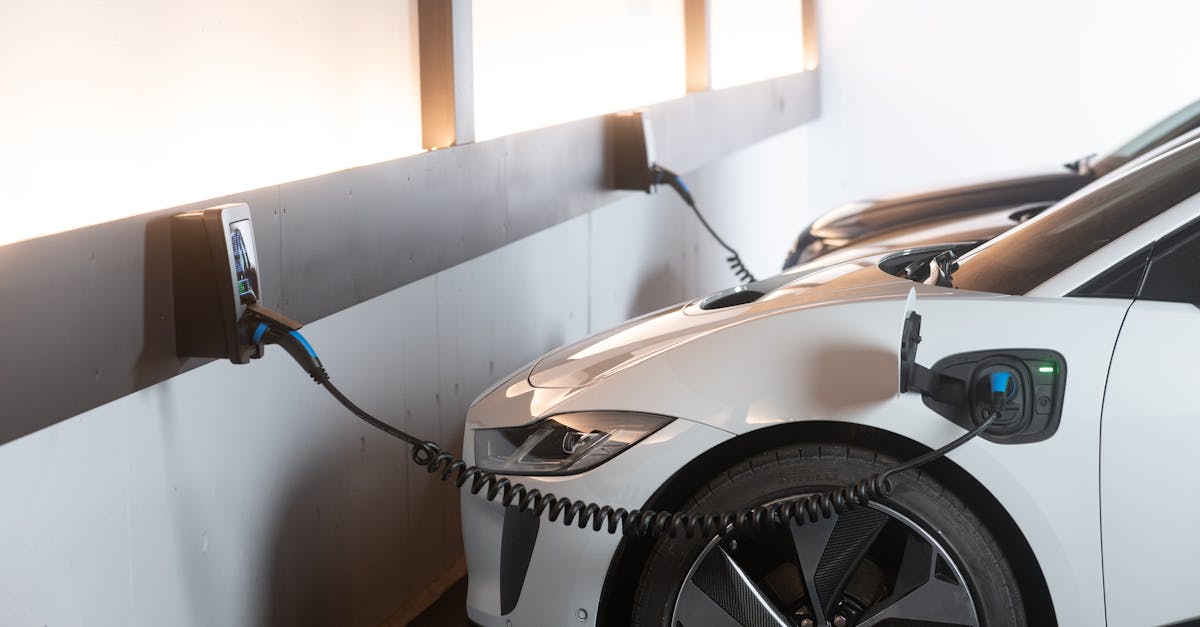
Why Electric Vehicles Still Rely on a 12V Battery
This is the question every new EV owner eventually asks: why does a vehicle with a massive 80+ kWh battery pack still need a tiny 12V battery? The answer is simple, safety and architecture.
Your EV’s high-voltage battery (400V or 800V depending on the platform) powers the electric motors and climate system. But the 12V battery powers everything else: door locks, the infotainment screen, headlights, the Body Control Module (BCM), and critically, the contactors that connect the high-voltage battery to the rest of the car. Without the 12V battery, those contactors can’t close, and your EV can’t “wake up” the main pack. It’s essentially the ignition key for the entire high-voltage system.
In traditional gas vehicles, the alternator constantly recharges the 12V battery while you drive. In an EV, a DC-DC converter steps down voltage from the main pack to keep the 12V battery topped off. This works great while driving. The problem starts when the car is parked. Various modules, telematics, security, battery management, stay partially awake. If any module gets stuck in a wake loop or draws more current than expected, it can flatten that 12V battery in hours.
Both the Chevy Blazer EV (built on GM’s Ultium platform) and the Kia EV9 (built on Hyundai Motor Group’s E-GMP platform) use AGM-type 12V batteries. These batteries are more durable than standard flooded lead-acid batteries, but they’re also smaller and have less reserve capacity than what you’d find in a full-size truck. That means there’s less margin for error. A parasitic draw of 50-80 milliamps might be tolerable in a truck with a Group 48 battery. That same draw can kill a smaller EV 12V battery overnight.
Understanding this architecture is the first step to diagnosing drain issues. The 12V battery isn’t optional, it’s the backbone of every low-voltage system in your EV.
Common Causes of 12V Battery Drain in the Chevy Blazer EV
Software Bugs and Parasitic Draw
The Chevy Blazer EV launched with well-documented software problems. GM even paused sales temporarily in 2024 to address quality concerns. Many owners reported 12V battery drain as one of the most common and recurring issues.
The root cause in most Blazer EV cases traces back to parasitic draw from software bugs. Specific modules, particularly the infotainment system and the Vehicle Integration Controller (VIC), fail to enter proper sleep mode after the vehicle is turned off. When a module stays awake, it continues drawing current from the 12V battery. Normal parasitic draw on a parked EV should sit between 10 and 30 milliamps. Blazer EV owners have measured draws exceeding 300 milliamps, which is enough to drain an AGM battery in under 48 hours.
One Blazer EV owner on the Chevy Blazer EV Forum commented
“I’ve had my 12V battery replaced three times in six months. Each time the dealer says the software update fixed it, and each time it comes back.”
This kind of frustration is common across early Ultium-platform vehicles.
If you use a tool like FIXD OBD2 Scanner plugged into your vehicle’s OBD-II port, you can monitor for fault codes and get alerts about battery health, a useful first step before heading to the dealer.
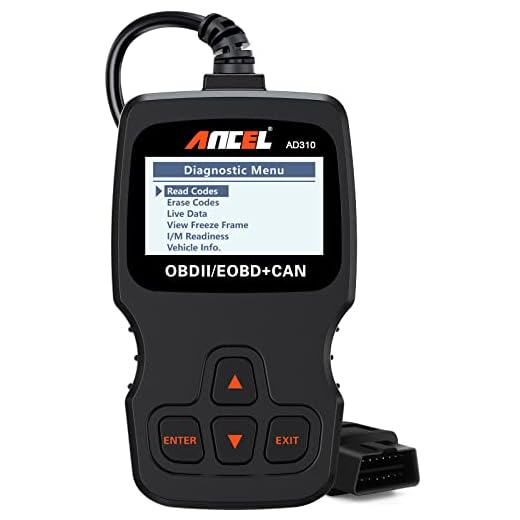
For ongoing monitoring, a subscription-based app like FIXD Premium provides real-time diagnostics and maintenance tracking that can help you catch parasitic draw issues before they leave you stranded.

GM has released multiple OTA software updates targeting this issue. But, not all Blazer EVs receive updates at the same time, and some older software versions require a dealer visit to flash manually.
Known Recalls and Technical Service Bulletins
GM has issued several Technical Service Bulletins (TSBs) related to the Blazer EV’s electrical system. TSB 24-NA-007 specifically addresses 12V battery drain caused by modules not entering low-power mode. Your dealer should check for this bulletin if you bring your vehicle in with a dead 12V battery.
Plus, NHTSA has logged multiple complaints from Blazer EV owners about sudden 12V battery failure. Some of these complaints mention the vehicle becoming completely inoperable in traffic, a serious safety concern.
Here’s a quick comparison of Blazer EV 12V drain characteristics:
| Factor | Normal Range | Problem Range |
|---|---|---|
| Parasitic draw (parked) | 10–30 mA | 100–400+ mA |
| Time to drain 12V | 3–4 weeks | 12–48 hours |
| DC-DC converter output | 13.8–14.4V | Below 12.8V or erratic |
| Module sleep time | Under 15 minutes | Never enters sleep |
If your Blazer EV falls into the “Problem Range” column, don’t just replace the battery. Insist that your dealer run a full module sleep analysis and check for open TSBs. Replacing the battery without fixing the underlying software issue guarantees you’ll be back in a month.
Common Causes of 12V Battery Drain in the Kia EV9
Module Wake-Up Issues and Excessive Background Activity
The Kia EV9 uses a different platform than the Blazer EV, but it shares a surprisingly similar 12V drain pattern. The E-GMP platform runs dozens of electronic control units (ECUs), and several of them have shown a tendency to wake up randomly or fail to sleep properly after the vehicle is powered down.
The most commonly reported offender is the telematics module, which handles Kia Connect remote features like remote start, climate pre-conditioning, and vehicle status checks. This module communicates with Kia’s servers even when the car is parked. Under normal conditions, it wakes briefly, checks in, and goes back to sleep. But some EV9 units experience a bug where the module enters a wake loop, repeatedly cycling on and off and pulling significant current from the 12V battery.
Another contributor is the Advanced Driver Assistance System (ADAS) module. Some owners have found that certain parking-related ADAS features stay partially active, particularly if the vehicle is parked in a garage where sensors detect nearby objects. This keeps the module in a semi-awake state.
A Kia EV9 owner on the KiaEV9Forum described the experience below. This scenario, a full main battery but a dead 12V, is the telltale sign of parasitic drain.
“Came back from a 4-day trip to a completely dead EV9. The app showed the high-voltage battery at 72%, but the car wouldn’t even unlock with the button.”
Kia EV9 owners should also be aware that leaving USB devices plugged in or keeping Kia Connect features like Remote Climate active can increase background power consumption beyond what the vehicle’s sleep algorithms expect.
Dealer-Reported Fixes and Software Updates
Kia has addressed several 12V drain issues through software updates pushed via the vehicle’s OTA system. Updates in late 2024 and early 2025 specifically targeted the telematics module sleep behavior and ADAS power management.
Dealers have also reported success with a full 12V battery reset procedure, not just disconnecting and reconnecting the battery, but performing a full BCM reset that forces all modules to re-learn their sleep schedules. This procedure typically requires a GDS (Global Diagnostic System) scan tool that only dealers carry.
If your EV9 is still under warranty (which it should be, Kia offers a 10-year/100,000-mile powertrain warranty on EVs), push for a documented case with Kia corporate if the drain persists after multiple dealer visits. Paper trails matter, especially if lemon law protections become relevant later.
Here are common 12V drain triggers reported by EV9 owners:
- Kia Connect remote features set to check in frequently
- USB devices or dashcams left plugged in while parked
- ADAS features keeping sensors active in tight parking spaces
- Failed OTA updates leaving modules in a confused state
- Telematics module stuck in a wake/sleep loop
Stay current on your software version. Check in Settings > General > Vehicle Software on the infotainment screen.
How to Diagnose and Prevent 12V Battery Drain
The single best tool for diagnosing 12V battery drain is a clamp-style DC ammeter. You don’t need to disconnect anything, just clamp it around the negative battery cable and watch the current draw after the vehicle enters sleep mode. Give the car at least 30 minutes to fully power down before taking your reading.
A normal EV parasitic draw should settle between 10 and 30 milliamps. Anything above 50 milliamps warrants investigation. If you see readings above 100 milliamps, you have an active drain that will kill your battery within days.
For a reliable and affordable clamp meter, the AstroAI Digital Clamp Multimeter handles DC milliamp readings well and costs under $30. It's the tool I recommend to DIYers who want to monitor their EV's 12V health without spending shop-level money.

To prevent drain, follow these steps:
- Unplug all USB devices before leaving the vehicle parked for extended periods.
- Disable unnecessary remote features like frequent status check-ins through the manufacturer’s app.
- Keep your software updated, accept OTA updates promptly, or schedule a dealer flash if you’re behind.
- Use a 12V battery maintainer if you park for more than a week. A quality float charger connected to the 12V battery will keep it topped off without overcharging.
A NOCO GENIUS1 Battery Maintainer is the ultimate hardware workaround here. It’s a 1-amp smart charger that works with AGM batteries, detects sulfation, and can recover batteries that have been drained below safe voltage. Keep one connected in your garage and you eliminate the risk of waking up to a dead EV.

For a visual walkthrough of parasitic draw testing on EVs, check out this helpful video from South Main Auto Repair on YouTube. This is an excellent step-by-step guide using a clamp meter, the same method I’ve described above. Seeing the process on camera makes it much easier to replicate in your own garage.
Video Credit: South Main Auto LLC / YouTube
When to Visit the Dealer vs. DIY Troubleshooting
Not every 12V drain issue requires a dealer visit. If your parasitic draw reads normal (under 30 mA) but your battery still dies after a week of sitting, you likely have a weak or failing 12V battery, something you can test and replace yourself.
Most EV 12V batteries are accessible without removing major components, and a replacement AGM battery runs between $150 and $250.
But, you should visit the dealer if:
- Your parasitic draw exceeds 80 milliamps and you can’t identify the source
- You’ve replaced the 12V battery and it drains again within a month
- Your vehicle displays warning messages about the 12V system or charging fault
- A known TSB or recall applies to your VIN
- The DC-DC converter output reads below 12.8V while the vehicle is in Ready mode
Dealers have module-level diagnostic tools that can pinpoint exactly which ECU is staying awake. On the Blazer EV, GM’s GDS2 tool can run a full network sleep analysis. On the EV9, Kia’s KDS system does the same. These are not capabilities you can replicate with a consumer OBD-II scanner.
Also, document everything. If you end up pursuing a warranty claim or lemon law case, you’ll need dated service records showing repeated visits for the same issue. Take photos of your multimeter readings, save screenshots of app notifications, and keep copies of every repair order.
As a general rule: DIY the diagnosis, but let the dealer handle the software. You can identify the problem with a $25 clamp meter. But flashing a new calibration file to a telematics module, that requires factory-level access and tooling that’s worth the trip to the service department.
Frequently Asked Questions
What causes 12V battery drain in the Chevy Blazer EV and Kia EV9?
The 12V battery drain in the Chevy Blazer EV and Kia EV9 is primarily caused by parasitic draw from software bugs, module wake-up failures, and excessive background system activity. Electronic control units fail to enter proper sleep mode after the vehicle is powered down, drawing current that can flatten the 12V battery in under 48 hours.
Why do electric vehicles like the Blazer EV and EV9 still need a 12V battery?
The 12V battery powers critical low-voltage systems including door locks, infotainment, headlights, and the contactors that connect the high-voltage battery to the vehicle. Without a functioning 12V battery, the EV cannot wake up its main battery pack—making it essentially the ignition key for the entire high-voltage system.
How can I diagnose a 12V parasitic draw on my EV at home?
Use a clamp-style DC ammeter around the negative battery cable after letting the vehicle fully sleep for at least 30 minutes. A normal reading is 10–30 milliamps. Anything above 50 mA warrants investigation, and readings over 100 mA indicate an active drain that will kill the battery within days.
Can a 12V battery maintainer prevent drain issues on the Chevy Blazer EV or Kia EV9?
Yes. A smart float charger like the NOCO GENIUS1 can keep the AGM 12V battery topped off without overcharging, which is especially useful if your EV sits parked for more than a week. It’s an effective hardware workaround while waiting for a permanent software fix from the manufacturer.
Will replacing the 12V battery fix the drain problem in my EV?
Not if the root cause is a software bug or a module stuck in a wake loop. Replacing the battery without addressing the underlying parasitic draw, through OTA updates, dealer-applied software patches, or a full BCM reset, will likely result in the new battery draining again within weeks.
Does the Kia EV9 10-year warranty cover repeated 12V battery drain issues?
Kia’s 10-year/100,000-mile EV powertrain warranty may cover related electrical components, but coverage depends on the diagnosed cause. If drain stems from a faulty module or software defect, push for a documented case with Kia corporate. Keeping detailed service records is essential if lemon law protections become relevant later.
Sources:
- NHTSA (National Highway Traffic Safety Administration)
- Kia Owners Portal – OTA Software Updates
- InsideEVs – Chevy Blazer EV Long-Term Test: Two Dealer Visits In Two Months
- r/KiaEV9 (Reddit)
- r/BlazerEV (Reddit)
- Torque News
Read More: