
You’re driving your Jeep Wrangler on a Saturday morning when a strange symbol lights up on your dash. Is it serious? Can you keep driving? That split-second uncertainty is exactly why understanding your Jeep dashboard warning lights matters more than most owners realize.
Your Jeep dashboard warning lights use a simple color-coded system: red lights signal immediate danger and require you to stop driving, yellow or orange lights indicate a system that needs attention soon, and green or blue lights are purely informational and confirm a feature is active. Knowing this color hierarchy alone can help you make the right call in the moment.
This guide breaks down every major Jeep dashboard warning light by color and urgency so you can identify exactly what your vehicle is telling you, whether you should pull over, and what fix you actually need.
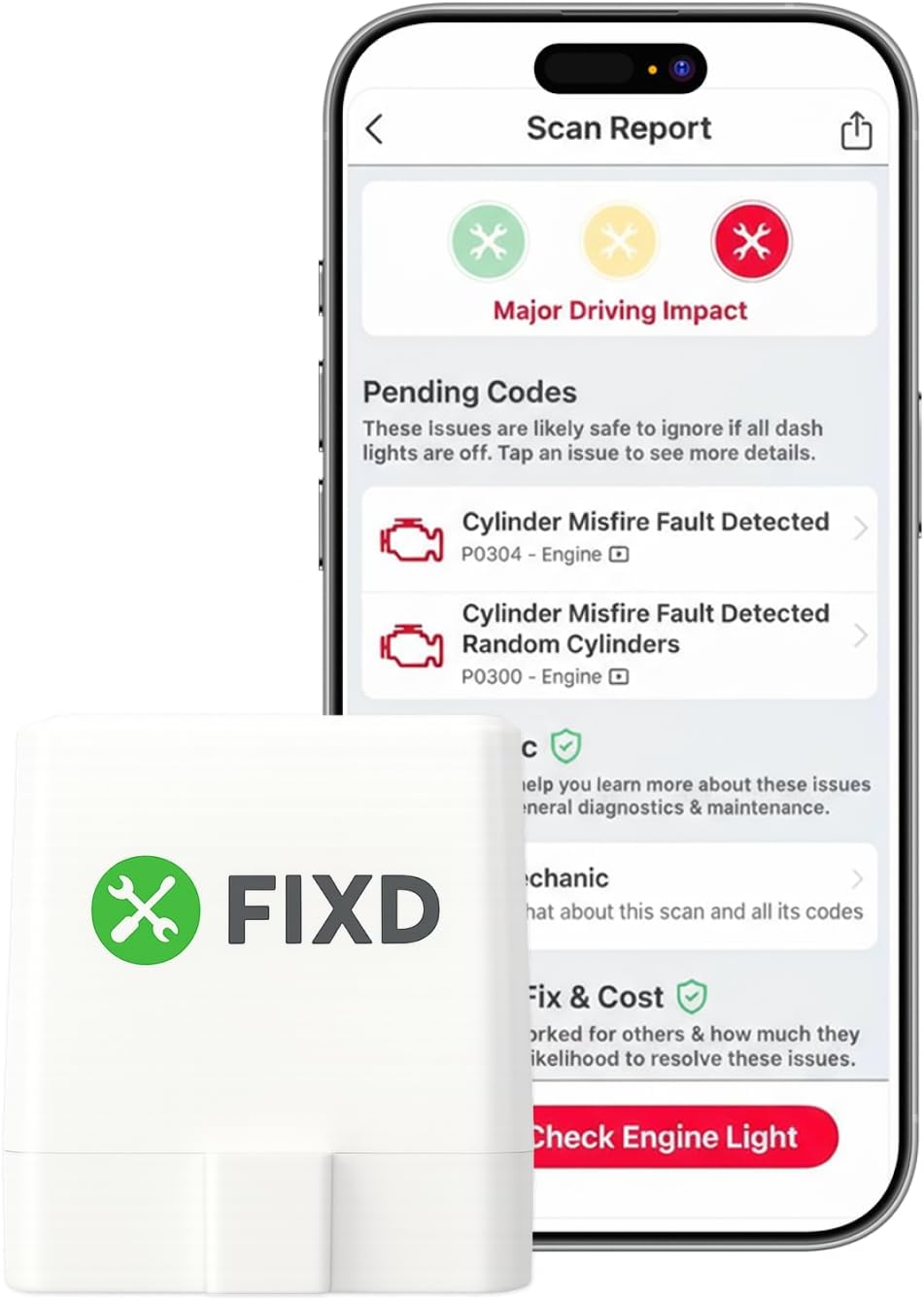
Best Bluetooth OBD2 Scanner
Detect 39,000+ Issues With Enhanced Codes. Save $1000s on car repairs & buying used vehicles by diagnosing problems yourself.
Shop on Amazon
How To Read Your Jeep Dashboard Warning Lights
Every modern Jeep, from the Grand Cherokee to the Gladiator, uses a standardized warning light system governed by international automotive standards (ISO). The lights follow a traffic-light logic that’s easy to remember once you learn it.
- Red lights = Stop. Something is critically wrong. Continuing to drive risks engine damage, brake failure, or personal injury.
- Yellow/Orange lights = Caution. A system needs attention, but you can usually drive safely to a shop or home.
- Green/Blue lights = Information only. These confirm that a feature like cruise control, turn signals, or high beams is currently active.
Some lights stay solid, while others flash. A flashing light almost always indicates a more urgent version of the same warning. For example, a solid check engine light means an emissions-related fault was detected, but a flashing check engine light means your engine is actively misfiring and you risk catalytic converter damage if you keep driving.
Your owner’s manual remains the single best reference for your specific model year. Jeep has added and changed symbols over the years, especially with the introduction of the 4xe plug-in hybrid models. If you’ve lost your manual, you can download a free digital copy from the official Jeep owner’s portal.
For a solid visual walkthrough of the most common symbols, this YouTube video is worth a quick watch:
Red Warning Lights That Require Immediate Attention
Red is the color you never want to ignore. These lights indicate a condition that can damage your Jeep’s powertrain, compromise your safety, or both. Pull over as soon as it’s safe and address the issue before driving further.
Engine and Transmission Warnings
The red engine oil pressure light (shaped like an old-fashioned oil can) is one of the most critical warnings on any Jeep. It means oil pressure has dropped below safe levels. Running your engine without adequate oil pressure for even a few minutes can cause catastrophic internal damage, including seized bearings and a destroyed crankshaft. If this light comes on, shut the engine off immediately and check your oil level with the dipstick.
The red engine temperature warning light (a thermometer floating in liquid) signals that your coolant temperature has exceeded the safe operating range. Overheating is especially common in Jeep Wranglers and Gladiators during slow-speed off-road crawling or heavy towing. Pull over, turn the engine off, and let it cool for at least 15–20 minutes before opening the coolant reservoir cap. Never open a hot pressurized cap.
The transmission temperature light appears in some Jeep models, particularly those with the 8-speed automatic. If you see it, your transmission fluid is overheating, often from towing uphill in warm weather. Stop towing, pull over, and let the transmission cool.
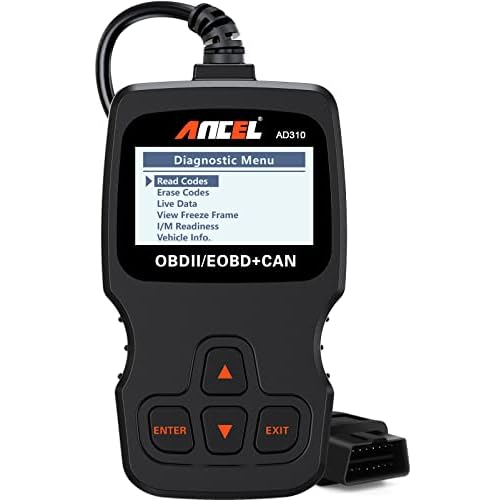
For diagnosing these codes at home, a reliable OBD2 scanner saves you time and dealer fees. The ANCEL AD310 OBD2 Scanner is a solid, affordable option that reads and clears check engine codes on any 1996+ Jeep.
Brake and Safety System Warnings
A red brake warning light can mean several things. First, check if your parking brake is engaged. If it’s fully released and the light stays on, your brake fluid level may be dangerously low or there’s a hydraulic failure in the braking system. Do not drive the vehicle until you’ve verified the cause.
The red airbag (SRS) light indicates a fault in your supplemental restraint system. Your airbags may not deploy in a collision while this light is illuminated. A certified technician with a professional scan tool should diagnose this one, since airbag systems involve pyrotechnic components that can be dangerous to work on.
The red battery/charging system light means your alternator has stopped charging the battery. You might have 20–30 minutes of battery reserve depending on your electrical load. Turn off the A/C, radio, and any unnecessary accessories to extend that window, and drive directly to a shop or safe location.
“My oil pressure light flickered on my JL Wrangler at 45k miles. Turned out the oil pressure sending unit was failing, not the actual oil pressure. $35 part saved me from a panic attack.” via r/Jeep
Yellow and Orange Indicator Lights To Monitor
Yellow and orange lights are your Jeep’s way of saying “schedule an appointment soon.” They rarely require you to stop driving immediately, but ignoring them for weeks or months can turn a minor issue into an expensive repair.
The check engine light (CEL) is the most common yellow warning. It covers hundreds of possible diagnostic trouble codes (DTCs), from a loose gas cap to a failing catalytic converter. If the light is solid, tighten your gas cap first and see if it resets after a few drive cycles. If it flashes, pull over, as mentioned earlier.
The TPMS light (an exclamation mark inside a tire cross-section) means one or more tires have dropped below the recommended pressure. Temperature swings in fall and spring commonly trigger this. Check all four tires plus the spare with a gauge and inflate to the specification on your driver’s door jamb sticker.
The ESC/Traction Control light illuminates when the electronic stability control system detects wheel slip and is actively intervening. If the light stays on solid and won’t turn off, there may be a wheel speed sensor fault.
The ABS light indicates a problem with the anti-lock braking system. Your standard brakes still work, but the ABS function is disabled. Get it diagnosed soon, especially before any off-road or winter driving.
For ongoing monitoring, a Bluetooth OBD2 adapter paired with an app like FIXD gives you real-time data and plain-English explanations on your phone. The FIXD subscription costs about $8/month and sends you maintenance reminders specific to your Jeep’s mileage, which is genuinely useful for catching small problems early.
The table below summarizes key yellow and orange lights at a glance:
| Warning Light | What It Means | Safe To Drive? |
|---|---|---|
| Check Engine (solid) | Emissions or engine fault detected | Yes, but diagnose soon |
| Check Engine (flashing) | Active engine misfire | No, stop driving |
| TPMS | Low tire pressure | Yes, check and inflate |
| ESC Off | Stability control disabled | Yes, with caution |
| ABS | Anti-lock brake fault | Yes, standard brakes work |
Green and Blue Informational Lights
Green and blue lights on your Jeep’s dash are nothing to worry about. They simply confirm that a system or feature is currently active.
The green turn signal arrows, cruise control indicator, and “Sport Mode” light all fall into this category. You’ll also see green lights for your Jeep’s front and rear seatbelt reminders once everyone is buckled in.
The blue high-beam indicator is one every driver should recognize. It’s a headlight symbol with straight horizontal lines projecting from it. If oncoming drivers are flashing you, glance at your dash. You probably have your high beams on.
On 4xe hybrid models, green lights play an even bigger role. You’ll see indicators for electric-only driving mode, regenerative braking status, and battery charge level. The green “EV” symbol means you’re running entirely on electric power and burning zero fuel.
For Jeep owners who want to keep all their dash lights and electronics in top shape, a quality battery maintainer like the NOCO GENIUS1 Battery Charger and Maintainer prevents the low-voltage issues that cause phantom warning lights, especially if you store your Jeep during winter months.

Jeep-Specific Warning Lights and Off-Road Indicators
Jeep vehicles have several dashboard lights you won’t find in a typical sedan. If you drive a Wrangler, Gladiator, or Grand Cherokee with a 4WD system, you’ll encounter transfer case indicators that confirm which drive mode is engaged: 2H, 4H Auto, 4H Part-Time, or 4L.
The 4WD Low indicator lights up when you’ve successfully engaged 4-Low range. If it blinks and never goes solid, the transfer case motor may be struggling to complete the shift. Try stopping completely, putting the transmission in neutral, and re-engaging.
The sway bar disconnect light is unique to Rubicon models. It confirms that the electronic front sway bar has been disconnected for maximum suspension articulation during rock crawling. This light should only be on when you’re off-road and traveling under 18 mph.
The locker indicators show when your front and/or rear differential lockers are engaged. Rubicon owners see these regularly on trails. If a locker light blinks but doesn’t go solid, the actuator may be failing or the differential fluid may be contaminated.
“First time I saw the sway bar disconnect light I thought something broke. Nope, just my Rubicon doing Rubicon things. The manual really is your best friend when you start seeing Jeep-specific symbols.” via r/JeepWrangler
The Jeep Wave owners program FAQ page also covers warranty-related dashboard warnings for newer Jeep models, which can save you money on diagnostics if your vehicle is still under coverage.
What To Do When a Warning Light Comes On
Data Insights and Analysis
According to a 2024 study by CarMD, the check engine light remains the most common dashboard warning across all vehicles, with oxygen sensor failures and catalytic converter issues ranking as the top two triggers. For Jeep models specifically, EVAP system leaks and loose gas caps account for a disproportionate share of check engine activations, particularly on Wrangler JK and JL models.
Repair costs tied to ignored warning lights escalate fast. CarMD’s data shows the average check engine light repair costs around $400. But when owners ignore the initial warning for 6+ months, secondary damage pushes that average past $1,200. Catching problems early has a direct, measurable financial benefit.
Another pattern worth noting: TPMS warnings spike every October and March across the US, matching seasonal temperature swings. If your TPMS light appeared during a cold snap, there’s a strong chance all you need is air.
Quick Steps for Any Warning
When any warning light appears, follow this sequence:
- Identify the color. Red = pull over now. Yellow = address soon. Green/Blue = informational.
- Check your owner’s manual. Match the symbol to the description and recommended action.
- Scan for codes. If you have an OBD2 scanner, plug it in and read the diagnostic trouble code. This gives you a specific starting point instead of guessing.
- Decide: drive or tow. If the light is red and relates to oil pressure, temperature, or brakes, call a tow truck. The cost of a tow is a fraction of the cost of a replacement engine.
- Document everything. Take a photo of the dash and note your mileage. This is especially useful if the issue falls under warranty.
Don’t let a warning light sit for weeks while you “wait and see.” The light exists because a sensor detected a measurable deviation from normal. Trust the data and act on it.
Frequently Asked Questions
What do the colors of Jeep dashboard warning lights mean?
Jeep dashboard warning lights follow a traffic-light color system. Red means stop driving immediately due to a critical issue like low oil pressure or overheating. Yellow or orange signals a problem that needs attention soon but is usually safe to drive short distances. Green or blue lights are informational, confirming a feature like cruise control or high beams is active.
Why is my Jeep check engine light flashing vs. solid?
A solid check engine light on your Jeep indicates an emissions or engine fault that should be diagnosed soon but isn’t immediately dangerous. A flashing check engine light means the engine is actively misfiring, which can damage the catalytic converter. If it’s flashing, pull over and stop driving as soon as it’s safe to do so.
What should I do when a red warning light comes on in my Jeep?
Pull over safely and turn off the engine immediately. Red Jeep dashboard warning lights signal critical failures such as low oil pressure, overheating, or brake system problems. Check your owner’s manual, scan for diagnostic codes with an OBD2 scanner if available, and call a tow truck rather than risk driving—since towing costs far less than engine or brake repairs.
What does the sway bar disconnect light mean on a Jeep Rubicon?
The sway bar disconnect light on Rubicon models confirms the electronic front sway bar has been disengaged for maximum suspension articulation during off-road crawling. It should only activate off-road at speeds under 18 mph. If you see it unexpectedly on the highway, the system may have a fault and needs inspection.
Can I drive my Jeep with the TPMS warning light on?
Yes, but address it promptly. The TPMS light means one or more tires have dropped below recommended pressure. Temperature changes in fall and spring commonly trigger it. Check all four tires plus the spare with a gauge and inflate to the PSI listed on your driver’s door jamb sticker. Driving on significantly underinflated tires risks tire damage and reduced handling.
How much does it cost to fix a Jeep check engine light issue?
According to CarMD data, the average check engine light repair costs around $400. However, ignoring the warning for six months or longer can cause secondary damage, pushing costs past $1,200. Common Jeep-specific triggers include EVAP system leaks and loose gas caps, especially on Wrangler JK and JL models—issues that are inexpensive when caught early.
Read More:
- Jeep Wrangler Death Wobble Fix (How to Diagnose and Fix It)
- Jeep Grand Cherokee AC Not Working? No-Tool Diagnostic Guide
- Jeep Compass Not Starting but Has Power? Causes and Fixes