
Your Ford F-150 shouldn’t shake like a washing machine at every red light. If your truck stumbles, vibrates, or threatens to stall while stopped, you’re dealing with a rough idle condition that demands systematic diagnosis.
A rough idle in Ford F-150 trucks most commonly stems from vacuum leaks, worn spark plugs or ignition coils, a dirty throttle body, or Variable Cam Timing (VCT) solenoid faults. On 3.5L EcoBoost models, carbon buildup on intake valves is a frequent culprit. The fastest path to a fix starts with reading OBD-II codes, then following a structured hierarchy: check for vacuum leaks first, inspect ignition components second, and clean the throttle body third. This approach prevents unnecessary parts-swapping and keeps your repair costs low.
This guide walks you through every step of that diagnostic hierarchy, from recognizing the first warning signs to performing a KAM reset after repairs. Whether you drive a 5.0L Coyote, 3.5L EcoBoost, or older 5.4L Triton, you’ll find engine-specific guidance below.
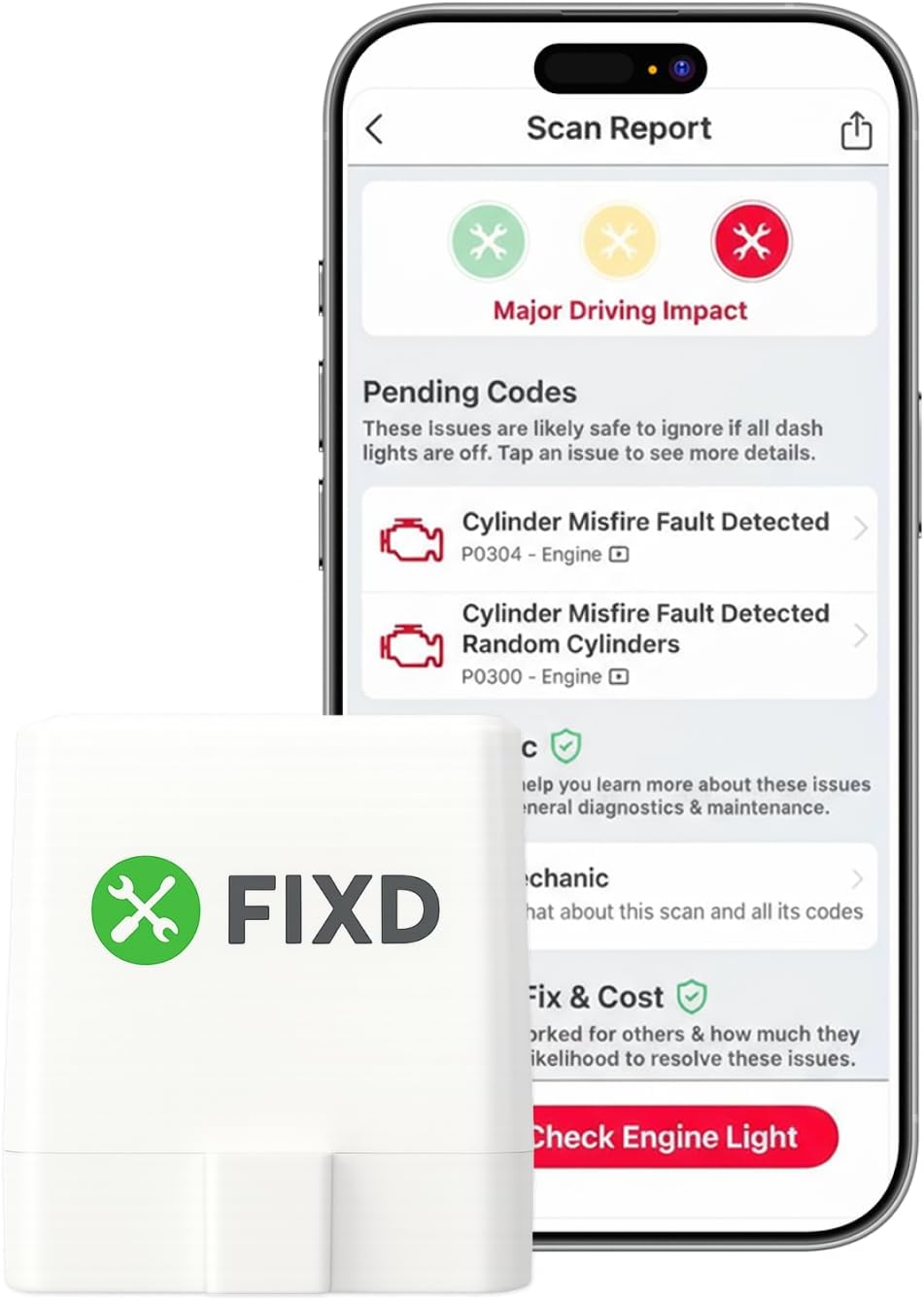
Best Bluetooth OBD2 Scanner
Detect 39,000+ Issues With Enhanced Codes. Save $1000s on car repairs & buying used vehicles by diagnosing problems yourself.
Shop on Amazon
Key Takeaways
- F-150 rough idle most commonly results from vacuum leaks, worn spark plugs, dirty throttle bodies, or VCT solenoid faults—diagnose using a hierarchy that checks the cheapest, most likely causes first.
- Read OBD-II codes and monitor fuel trims before replacing parts; values beyond ±10% for STFT/LTFT indicate vacuum leaks, weak fuel systems, or sensor failures worth investigating.
- The 5.0L Coyote is prone to cam phaser wear, the 3.5L EcoBoost suffers from intake valve carbon buildup requiring walnut blasting, and the 5.4L Triton experiences spark plug ejection and coil failures—engine-specific diagnostics matter.
- A KAM reset after repairs (disconnect battery 15 minutes, then idle 10 minutes) allows the PCM to relearn idle parameters and often resolves rough idle symptoms without additional repairs.
- Rough idle in F-150 trucks rarely stems from a single component; cascading faults compound each other, which is why fixing the foundational air/fuel issue first prevents expensive secondary repairs.
Rough idle affects every F-150 generation, but the causes shift depending on your engine. The 5.0L Coyote relies heavily on its VCT system for smooth idle, making cam phaser and solenoid issues common after 80,000 miles. The 3.5L EcoBoost’s direct injection design skips fuel wash over intake valves, leading to carbon deposits that choke airflow. And the older 5.4L Triton is infamous for spark plug ejection and coil-on-plug failures.
Before you throw parts at the problem, understand the “Hierarchy of Diagnosis.” This professional approach prioritizes the most likely, least expensive causes first. You verify OBD-II codes, check for vacuum leaks (the single most overlooked cause of F-150 rough idle no check engine light scenarios), inspect ignition components, and then move to throttle body cleaning. Only after eliminating these do you investigate timing components or internal engine issues.
This method saves you money and frustration. A $3 vacuum hose could be your entire fix, or your codes might point straight to a VCT solenoid. Either way, you’ll know before spending a dime at the dealer.
Recognizing Symptoms and Warning Signs
Engine Vibrations and Shaking
Ford F-150 engine shaking at idle is the most obvious symptom. You’ll feel the steering wheel vibrate, the cab shudder, or the mirrors tremble at stoplights. Normal idle for most F-150 engines sits between 650–750 RPM. If your tachometer dips below 600 RPM or fluctuates erratically, the engine isn’t maintaining stable combustion.
On the 5.0L Coyote, uneven vibrations often point to a misfiring cylinder or a failing VCT solenoid. EcoBoost owners may notice the shaking worsens during cold starts when carbon-clogged valves restrict airflow the most.
Check Engine Light and Engine Light Behavior
A flashing check engine light indicates active misfires, stop driving immediately to prevent catalytic converter damage. A steady light with codes P0300–P0308 confirms misfire conditions. But, many F-150 owners report rough idle with no check engine light at all, which typically means the issue hasn’t crossed the PCM’s fault threshold yet. Small vacuum leaks and minor throttle body deposits often fall into this category.
Stalling and Hesitation
F-150 near stall at stoplight conditions signal that idle air control or electronic throttle body response has degraded. You might notice the engine catch itself just before dying, or it may actually stall when you shift into Drive or turn on the A/C. This added load exposes an engine already struggling to maintain idle.
Fuel Consumption and Performance Drops
A rough-idling F-150 burns more fuel. The PCM compensates for misfires or lean conditions by enriching the mixture, which tanks your mileage. If you’ve noticed a 1–3 MPG drop alongside the rough idle, the two symptoms share a root cause.
Primary Causes of Rough Idle in F150
Ignition System Failures (Spark Plugs and Coils)
F-150 spark plug misfire symptoms include rough idle, hesitation under load, and P030X codes. Ford recommends spark plug replacement at 60,000 miles for most F-150 engines. On the 5.4L Triton, plugs can seize and break during removal, use penetrating oil and a torque-limited extraction technique.
Testing Ford F-150 ignition coils is straightforward: swap the suspect coil with one from a known-good cylinder. If the misfire follows the coil, replace it. A quality replacement coil pack runs $25–$40 each. For a reliable option, the Motorcraft DG-511 Ignition Coil is the OEM standard for 5.4L and 4.6L Triton engines.

Fuel System Issues (Dirty Injectors, Clogged Filter)
Dirty fuel injectors create uneven fuel delivery, causing individual cylinders to run lean or rich. The 3.5L EcoBoost’s high-pressure direct injection system is particularly sensitive to injector deposits. A stuck-open injector floods its cylinder, while a restricted one starves it.
| Component | Symptom | Typical Cost |
|---|---|---|
| Spark Plugs | Misfire, rough idle, poor acceleration | $8–$15 each |
| Ignition Coil | Single-cylinder misfire, P030X code | $25–$40 each |
| Fuel Injector | Rough idle, fuel smell, lean/rich codes | $50–$150 each |
| Throttle Body | Erratic idle, stalling, high idle | $15 cleaning / $150 replacement |
| VCT Solenoid | Rattling at startup, timing codes | $30–$80 each |
Air Intake and Sensor Problems (MAF, PCV, Oxygen Sensor)
Ford F-150 vacuum leak symptoms include a hissing sound from the engine bay, high idle, and lean condition codes (P0171, P0174). Spray carburetor cleaner around intake gaskets and vacuum hoses while the engine idles, an RPM change reveals the leak location.
A contaminated MAF sensor sends incorrect airflow data to the PCM, directly disrupting fuel trim calculations. Clean it with MAF-specific cleaner only. The PCV valve, often overlooked, can stick open and create a massive vacuum leak.
“Had a rough idle on my 2017 5.0 for months. No CEL. Turned out to be a cracked PCV hose hidden behind the intake manifold. $4 part fixed everything.” via r/f150
Engine Timing and Mechanical Concerns
VCT solenoid failure symptoms on F-150 trucks include a rattling noise at cold startup, rough idle that smooths out once warm, and codes P0010–P0024. The cam phasers themselves can wear, creating F-150 timing chain tensioner rough idle conditions, a more expensive repair ($1,500–$3,000+ at a dealer).
On EcoBoost engines, F-150 intake valve carbon buildup restricts airflow progressively. Walnut shell blasting is the accepted professional fix, typically costing $400–$600. This is a known issue on all direct-injection EcoBoost variants.
Troubleshooting and Diagnosis Methods
Using OBD-II Scanners and Reading Error Codes
Start every diagnosis by pulling codes. A basic OBD-II scanner reads trouble codes, but for F-150-specific diagnostics, you want a scanner that reads Ford-enhanced PIDs. The FOXWELL NT201 OBD2 Scanner handles generic and manufacturer-specific codes and displays live data, essential for fuel trim analysis.

For deeper diagnostics, FORScan is the go-to software for Ford owners. This Windows/Android app reads every Ford module, runs bi-directional tests on VCT solenoids, and accesses data no generic scanner can touch. It’s free for basic use with a $10 extended license.
Visual and Auditory Inspections
Before touching a scanner, use your eyes and ears. Listen for hissing (vacuum leaks), ticking (exhaust leaks near the manifold), or rattling (cam phaser wear). Inspect all vacuum lines for cracks, especially the brake booster hose and PCV connections. Check spark plug boots for carbon tracking, black lines burned into the boot indicate arcing.
Interpreting Fuel Trims and Sensor Data
Short-term fuel trim (STFT) and long-term fuel trim (LTFT) tell you whether your engine runs lean or rich. Values beyond ±10% indicate a problem:
- Both banks positive (+15% or more): Vacuum leak, weak fuel pump, or dirty MAF sensor
- Single bank positive: Intake gasket leak on that bank, or a faulty oxygen sensor
- Both banks negative: Leaking injector, high fuel pressure, or purge valve stuck open
Monitor these values at idle and at 2,500 RPM. If the trim corrects at higher RPM, a vacuum leak is almost certain, leaks matter less at higher throttle openings.
Identifying Vacuum Leaks and Airflow Problems
The smoke test is the gold standard for finding vacuum leaks. You introduce theatrical fog into the intake system and watch where it escapes. DIY smoke machines work, but a can of carburetor cleaner and careful spraying around gaskets achieves 80% of the same result.
Pay special attention to the intake manifold gaskets on 5.4L Triton engines and the charge air cooler connections on EcoBoost models. A boost leak on a turbocharged F-150 creates the same lean condition and rough idle as a vacuum leak on a naturally aspirated engine.
Here’s a helpful walkthrough on diagnosing F-150 rough idle conditions:
Effective Solutions and When to Seek Professional Help
Basic Maintenance and Home Remedies
How to clean a Ford F-150 throttle body: disconnect the battery, remove the intake tube, and spray throttle body cleaner on the butterfly valve and bore. Use a soft cloth to wipe carbon deposits. Reinstall everything and perform a Ford F-150 rough idle KAM reset by disconnecting the negative battery terminal for 15 minutes, then reconnecting and letting the engine idle for 10 minutes without touching the gas pedal. This allows the PCM to relearn its idle parameters.
For spark plug replacement, always torque to Ford spec (use anti-seize on Triton engines only if the plug manufacturer recommends it). F-150 rough idle after spark plug change often results from incorrect gap or a damaged coil boot, double-check both.
When to Use Fuel System Cleaners
Fuel system cleaners like Chevron Techron or Gumout Regane work best as preventive maintenance. Add a bottle every 5,000 miles to keep injectors clean. For severe injector deposits, a professional ultrasonic cleaning ($150–$200 for the full set) delivers better results than any pour-in product.
For EcoBoost intake valve carbon buildup, fuel additives won’t help, the fuel never touches the intake valves in direct-injection engines. You need mechanical cleaning (walnut blasting) or a chemical soak through the intake.
Addressing Complex or Persistent Issues
If your rough idle persists after checking ignition, vacuum, and fuel system components, investigate these deeper causes:
- VCT solenoid screens clogged with debris, remove, clean, and reinstall
- Cam phaser wear, requires timing cover removal and phaser replacement
- EGR valve sticking symptoms on F-150, carbon deposits hold the valve open, introducing exhaust gas at idle
- Compression loss, a leak-down test reveals worn rings or valve sealing issues
“Replaced plugs, coils, cleaned throttle body, still rough. Ended up being a clogged VCT solenoid screen. $0 fix once I pulled it out and cleaned the mesh.” via F150Forum.com
Working with a Ford Dealer or Trusted Mechanic
Seek professional help when you encounter cam phaser rattle, persistent timing codes after VCT solenoid replacement, or if compression tests reveal internal wear. A competent independent Ford specialist charges $90–$130/hour versus $150–$200+ at most dealerships. Ask specifically for a tech experienced with your engine variant, the 3.5L EcoBoost and 5.0L Coyote have very different failure patterns.
Data Insights and Analysis
According to CarComplaints.com, rough idle and engine misfire rank among the top reported issues for 2011–2017 F-150 models, with the 5.0L Coyote receiving a disproportionate share of cam phaser-related complaints. NHTSA complaint data from 2024–2025 shows over 500 reports related to F-150 engine stalling and rough idle across all engine variants.
Expert Note: "Rough idle in modern F-150 engines rarely stems from a single failed component. The real issue is cascading faults, a small vacuum leak shifts fuel trims, which causes the PCM to compensate, which alters VCT timing strategy, which amplifies the original symptom. That's why the hierarchy of diagnosis matters: fix the foundational air/fuel issue first, reset the KAM, and half the time the 'secondary' problems vanish."
Frequently Asked Questions
What are the main causes of rough idle in an F-150?
The most common F-150 rough idle causes are vacuum leaks, worn spark plugs or ignition coils, dirty throttle body, and VCT solenoid faults. On 3.5L EcoBoost models, carbon buildup on intake valves is frequent. Start diagnosis by reading OBD-II codes and checking for vacuum leaks first.
How do I diagnose a rough idle with no check engine light?
Many F-150 rough idle issues occur without triggering a check engine light. Start with a visual inspection for vacuum hose cracks and carbon tracking on spark plug boots. Use a carburetor cleaner spray test around intake gaskets to find vacuum leaks. Monitor fuel trim values—anything beyond ±10% indicates a problem requiring correction.
What is the best way to fix rough idle in an F-150?
Follow the diagnostic hierarchy: verify OBD-II codes, check for vacuum leaks, inspect ignition components, and clean the throttle body. Perform a KAM reset by disconnecting the battery for 15 minutes after repairs to allow the PCM to relearn idle parameters. This systematic approach prevents expensive parts-swapping.
Can a vacuum leak cause rough idle without a check engine light?
Yes, small vacuum leaks are the single most overlooked cause of F-150 rough idle with no check engine light. A simple $3 vacuum hose replacement often solves the problem. Use the carburetor cleaner spray method around gaskets and hoses while idling to locate the leak by observing RPM changes.
How much does it cost to fix a rough idle F-150 at a dealer?
Dealer labor runs $150–$200+ per hour. Spark plugs cost $8–$15 each, ignition coils $25–$40, throttle body cleaning $15, and VCT solenoid replacement $30–$80. Walnut blasting for EcoBoost carbon buildup costs $400–$600. Independent Ford specialists charge $90–$130/hour, offering savings on labor-intensive diagnostics.
Why does my F-150 idle rough when cold but smooth out when warm?
This pattern typically indicates a VCT solenoid issue or carbon-clogged intake valves on EcoBoost engines. Cold starts restrict airflow more due to dense air and carbon deposits. Rough idle improving at operating temperature suggests the engine compensates as systems warm. Check for VCT timing codes (P0010–P0024) and consider professional carbon cleaning.
Read More:
- Ford F-150 Air Conditioning Not Working? Causes and Solutions
- Ford F-150 Rattling Noise During Acceleration (Here’s the Master Guide)
- F-150 Tailgate Won’t Open? Fix Guide for 2015–2026 Models