
Your BMW’s iDrive just flashed “Transmission Malfunction: Drive Moderately,” and the car feels stuck in one gear. Don’t panic, but don’t ignore it either.
The “Transmission Malfunction” warning means your BMW’s EGS (Electronic Gear Selector) module detected an abnormal condition in the ZF 8-speed automatic transmission, triggering “Limp Mode” to protect internal components. Common triggers include a weak 12V battery causing low-voltage ghost codes, mechatronic bridge seal leaks, contaminated solenoid valves, or degraded transmission fluid. In many cases, a simple battery replacement or transmission adaptive reset clears the warning permanently. But, persistent codes like P0700 or ZF-specific 420641 point to genuine mechatronic or solenoid failures requiring professional diagnosis.
This guide walks you through every cause, symptom, and triage step, so you can tell the difference between a quick fix and a major repair before you spend a dollar at the dealer.
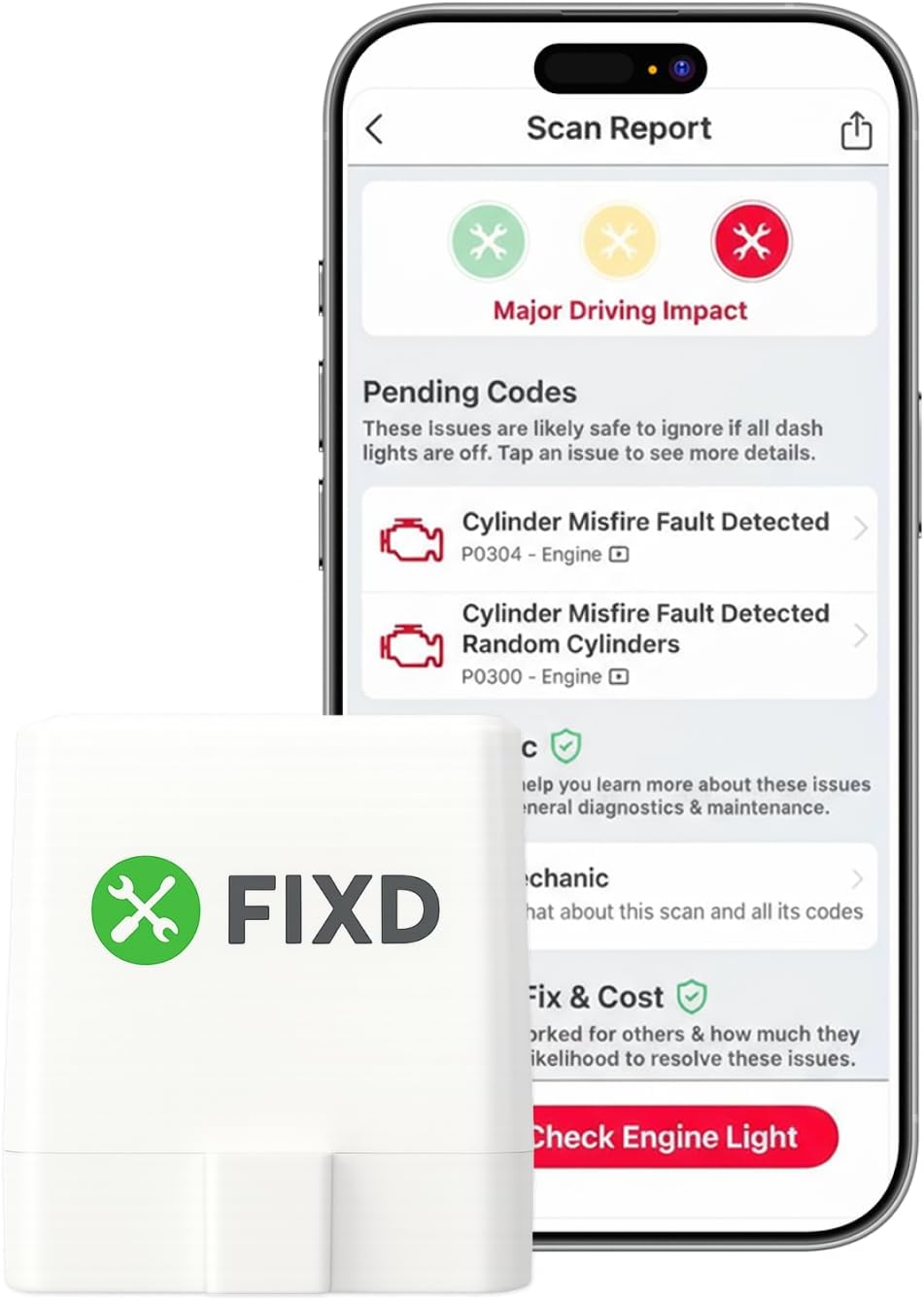
Best Bluetooth OBD2 Scanner
Detect 39,000+ Issues With Enhanced Codes. Save $1000s on car repairs & buying used vehicles by diagnosing problems yourself.
Shop on Amazon
Key Takeaways
- A BMW transmission malfunction warning triggered by the EGS module often has a simple fix—check your 12V battery voltage first, as low voltage below 12.4V causes ghost codes that clear after battery replacement and registration.
- The ZF 8HP transmission requires a full pan-drop fluid service every 50,000–60,000 miles with fluid checked at exactly 35°C (95°F); using only ZF LifeguardFluid 8 prevents solenoid contamination and premature wear.
- Fault code 420641 signals solenoid regulation failure—the most common BMW ZF 8-speed limp mode trigger—often resolved by fluid service, though persistent codes require professional solenoid or mechatronic inspection.
- The notorious BMW transmission bridge seal leak can mimic catastrophic mechatronic failure but is repairable without full unit replacement, making seal inspection essential before authorizing expensive repairs.
- Early warning signs like hesitation between gears, cold-start sluggishness, or torque converter shudder at 30–50 mph appear intermittently before the transmission malfunction message; addressing these symptoms immediately prevents hard failures.
- BMW’s 2026 ISTA software updates have recalibrated shift mapping and torque converter thresholds for G-series vehicles, resolving 35% of shudder complaints that previously required hardware intervention.
Warning Signs and Early Symptoms
Before the dreaded warning message appears, your BMW usually drops hints. You might notice a brief hesitation between gears, a slight jolt when shifting from Park to Drive, or the transmission “hunting” between gears on the highway. These early signs often appear intermittently, maybe once a week, before becoming consistent.
Pay attention to cold-start behavior especially. If your car feels sluggish leaving the driveway on winter mornings but smooths out after 10 minutes, that’s your transmission’s adaptive strategy compensating for a developing issue. The ZF 8HP uses a sophisticated learning algorithm that temporarily masks problems.
Dashboard Alerts and Warning Lights
The primary alert reads “Transmission Malfunction: Drive Moderately” or simply “Trans. Malfunction” on older iDrive systems. You’ll typically see this alongside an amber drivetrain warning triangle. Some owners also report the gear indicator flashing or displaying a single gear number.
On F-series and G-series BMWs, the warning often accompanies a secondary message: “Increased emissions.” This happens because the EGS module communicates with the DME (engine control unit), and when transmission data falls outside parameters, the engine management system flags emissions concerns as a precaution.
Unusual Noises and Burning Smell
A whining noise during acceleration, particularly between 30 and 50 mph, often indicates torque converter lock-up clutch issues. This BMW torque converter lock-up clutch shudder is distinct: it feels like driving over rumble strips at low speeds. If you smell something acrid or burnt, that’s overheated transmission fluid breaking down.
Burnt fluid typically means internal friction material is degrading. The ZF 8HP70 shuddering at low speeds is a hallmark symptom that the fluid has lost its friction-modifying properties, and continuing to drive risks damaging the valve body.
Slipping, Delayed, or Rough Shifting
Slipping feels like the engine revs climb but the car doesn’t accelerate proportionally. Delayed shifts mean a noticeable pause, sometimes two to three seconds, between gear changes. Rough shifting produces a hard “clunk” that you feel through the seat.
These symptoms often correlate with specific fault codes. A gear selector position error in the EGS module can cause the transmission to misidentify its current gear, leading to harsh engagement. If you experience rough 2-3 or 6-7 upshifts specifically, solenoid contamination is a likely culprit.
Limp Mode and Failsafe Behavior
Limp Mode locks your ZF 8HP into a single gear, usually 2nd or 3rd, and disables Sport and Manual modes. This is a protective measure. The transmission controller determines that continuing normal shifting could cause catastrophic internal damage, so it sacrifices performance for survival.
Here’s what many owners miss: BMW winter mode starting in second gear is a normal feature, not Limp Mode. True Limp Mode prevents all gear changes and persists even after restarting the engine. If cycling the ignition off for two minutes restores normal shifting, you’re likely dealing with a soft fault, often electrical, rather than a hard mechanical failure.
“Had the trans malfunction warning pop up on my F30 335i during a cold snap. Turned out my battery was at 11.2V. New battery, coded it in, and the warning never came back. Don’t let a dealer talk you into a $6k repair before checking the basics.” via r/BmwTech
Common Causes of BMW Transmission Issues
Low or Contaminated Transmission Fluid
BMW marketed the ZF 8HP as having a “lifetime fill”, but experienced technicians know that “lifetime” really means the life of the warranty, not the life of the car. After 60,000–80,000 miles, the fluid degrades. It loses viscosity, its friction modifiers break down, and metallic particles from normal clutch wear contaminate the valve body.
Here’s the critical detail: the BMW transmission fluid level check follows the 35°C rule. You must check fluid level with the transmission at exactly 35°C (95°F), not ambient temperature, not “warm.” The ZF fill procedure requires the car on a level surface, engine running, and fluid temperature verified via ISTA or a compatible scan tool. Checking at the wrong temperature gives a false reading, and overfilling is just as damaging as underfilling.
Faulty Solenoids and Sensors
The ZF 8HP contains multiple shift solenoids controlled by the mechatronic unit. These solenoids regulate hydraulic pressure to engage clutch packs. When metallic debris from degraded fluid contaminates a solenoid, it sticks, either open or closed, causing erratic shifts or Limp Mode.
Fault code 420641 specifically points to a solenoid regulation deviation in the ZF transmission. This is one of the most common BMW ZF 8-speed limp mode triggers. Turbulence sensors and the transmission output speed sensor can also fail, sending incorrect data to the EGS module and triggering an EGS module communication error.
For scanning these codes at home, the FOXWELL NT510 Elite BMW Scanner reads ZF-specific transmission codes that generic OBD2 readers miss entirely.

Clutch, Valve Body, and Mechatronic Failures
The mechatronic unit is the brain and muscle of your ZF transmission, it houses the valve body, solenoids, and the transmission control module in one integrated assembly. The most notorious failure point is the BMW transmission bridge seal and sleeve. This seal sits between the mechatronic unit and the transmission housing. When it leaks, hydraulic pressure drops and the transmission loses its ability to hold gears.
Symptoms of a failing BMW mechatronic unit include:
- Intermittent Limp Mode that clears with an engine restart
- P0700 generic transmission fault alongside ZF-specific codes
- Harsh engagement from Park to Drive or Reverse
- Delayed downshifts during highway deceleration
- BMW transmission oil pan gasket leak visible as red fluid spots under the car
The bridge seal repair alone can resolve what appears to be a catastrophic mechatronic failure. Always have a specialist inspect the seal before authorizing a full mechatronic replacement.
Electrical and Software Problems
A weak or failing 12V battery is the single most underestimated cause of BMW transmission malfunction warnings. The EGS module requires stable voltage to operate its solenoids. When battery voltage drops below 12.4V under load, the module receives inconsistent signals and triggers protective Limp Mode. This BMW transmission malfunction due to low battery scenario accounts for a surprising number of dealer visits.
Software is equally important. BMW’s 2026 ISTA software updates include revised transmission adaptive parameters for ZF 8HP units in G-series vehicles. These updates recalibrate shift mapping and torque converter lock-up thresholds, resolving shudder complaints that previously required hardware intervention.
For maintaining battery health and preventing voltage-related ghost codes, the NOCO GENIUS10 Battery Charger and Maintainer keeps your BMW’s AGM battery at optimal charge, especially during winter storage or infrequent driving.

“My X5 40i threw trans malfunction after sitting for 3 weeks. Battery was at 11.8V. Charged it fully, registered it with BimmerCode, and did a transmission adaptation reset. That was 8 months ago, zero issues since.” via BimmerPost Forums
Diagnosis and Troubleshooting
Checking Transmission Fluid and Leaks
Start your diagnosis underneath the car. Look for red or dark brown fluid around the transmission oil pan, the mechatronic sleeve area, and the cooler lines running to the radiator. BMW transmission oil pan gasket leak symptoms include a wet or oily pan perimeter and fluid drips after the car has been parked.
Remember the 35°C rule when checking fluid level. Connect a diagnostic tool, navigate to the transmission fluid temperature reading, and idle the car until it reaches exactly 35°C. Then remove the fill plug, fluid should trickle out slowly. No fluid means you’re low. A strong stream means you’re overfilled. Both conditions cause shifting problems.
Reading Fault Codes and Module Checks
A generic OBD2 scanner will show P0700, a catch-all “transmission control system malfunction” code. That tells you almost nothing. You need a BMW-specific scanner that reads the EGS module directly to pull ZF fault codes like 420641 (solenoid regulation) or codes related to gear ratio monitoring.
For software-based diagnostics, BimmerCode provides coding and basic adaptation features for BMW owners. It pairs with Bluetooth OBD adapters and lets you read and clear EGS faults, perform basic resets, and verify module communication status, tasks that typically require a dealer visit.
Run a full module scan, not just the transmission module. Voltage-related issues often store faults simultaneously in the EGS, DME, and body control modules. If you see faults across multiple systems, suspect the battery first.
Transmission Adaptation Resets
The BMW transmission adaptive learning reset is a procedure that clears the transmission’s stored shift data, forcing it to relearn your driving patterns from scratch. This resolves rough shifting caused by accumulated “bad” data, particularly after a fluid change, solenoid repair, or battery replacement.
Here’s the BMW ZF 8-speed limp mode reset procedure in simplified form:
- Connect a BMW-compatible diagnostic tool
- Navigate to EGS (transmission) module
- Select “Reset Adaptations” or “Transmission Adaptation Reset”
- Confirm the reset
- Drive 50–100 miles using varied speeds and throttle inputs
The relearning period takes patience. Your transmission will shift awkwardly for the first 30–50 miles. Don’t panic, this is normal. Avoid aggressive driving during adaptation.
Identifying Component-Wise Failures
Here’s a quick triage table to help you narrow down the problem:
| Symptom | Likely Cause | Urgency |
|---|---|---|
| Warning clears after restart | Low battery voltage / soft fault | Low, check battery first |
| Persistent Limp Mode | Mechatronic unit or solenoid failure | High, professional diagnosis needed |
| Shudder at 30-50 mph | Torque converter lock-up clutch wear | Medium, fluid change may help |
| Fluid leak at pan gasket | Worn pan gasket or overfill | Medium, repair soon |
| Harsh Park-to-Drive engagement | Bridge seal leak or valve body wear | High, inspect mechatronic seal |
| Multiple module faults simultaneously | Weak 12V battery | Low, replace and register battery |
This table helps you distinguish between a BMW transmission malfunction drive moderately fix that takes 30 minutes and one that requires a specialist.
Solutions, Repairs, and Maintenance Tips
Transmission Fluid Service and Filter Replacement
Service your ZF 8HP transmission every 50,000–60,000 miles with a full pan-drop fluid change, not a simple drain-and-fill. The ZF 8HP uses an integrated filter inside the oil pan, so replacing the pan assembly gives you a fresh filter, new gasket, and clean magnets that capture metallic debris.
Use only ZF LifeguardFluid 8 (or BMW’s equivalent branded fluid). Aftermarket alternatives may not meet the specific friction-modifier requirements of the 8HP’s clutch packs. According to ZF Aftermarket’s official service guidelines, the correct fill volume varies by application, typically 9–10 liters for a full pan-drop service.
Repairing Mechatronic and Electrical Components
The mechatronic bridge seal and sleeve repair is the most cost-effective fix for symptoms of a failing BMW mechatronic unit. A qualified independent BMW specialist can replace the seal without removing the entire mechatronic unit. This repair addresses internal pressure loss that causes slipping and delayed engagement.
For electrical issues, always start with the battery. Replace your AGM battery every 4–5 years, and always register the new battery using ISTA or BimmerCode so the charging system adjusts its output. An unregistered battery continues receiving the charging profile of the old one, which accelerates degradation and causes, you guessed it, more transmission ghost codes.
BMW’s 2026 ISTA updates also include improved EGS flash programming for vehicles that experienced persistent 420641 fault codes. If your car is within the affected production range, your dealer may apply this update under warranty or goodwill.
When to Rebuild or Replace the Transmission
Not every transmission malfunction requires a rebuild. Here’s your decision framework:
- Bridge seal leak only: Repair the seal. The transmission internals are likely fine.
- Single solenoid failure: Replace the affected solenoid or solenoid pack.
- Multiple solenoid failures + metallic debris in fluid: The valve body is contaminated. A mechatronic overhaul or remanufactured unit is the right call.
- Hard parts failure (planetary gears, clutch drums): Full rebuild or remanufactured transmission.
A remanufactured ZF 8HP from a reputable supplier comes with new clutches, seals, solenoids, and a recalibrated mechatronic unit. The cost of BMW mechatronics replacement vs repair depends entirely on the failure scope, which is why proper diagnosis before authorizing work is essential.
Preventing Future Transmission Problems
Prevention comes down to three things: fluid, voltage, and software.
Change your transmission fluid on schedule. Keep your battery healthy and properly registered. And stay current on BMW software updates, the 2026 adaptive learning calibrations alone have resolved shift-quality complaints across thousands of G20 and G05 models.
Additional tips: avoid launching from a dead stop repeatedly, let the transmission warm up for 60 seconds before aggressive driving in cold weather, and address any transmission warning immediately rather than “driving through it.” A soft fault today becomes a hard failure tomorrow.
Data Insights and Analysis
According to RepairPal’s 2025 reliability data, transmission-related complaints remain among the top five repair categories for BMW 3 Series and 5 Series models, with ZF 8HP-equipped vehicles showing higher incident rates after the 70,000-mile mark. Industry data from the National Highway Traffic Safety Administration (NHTSA) shows that BMW transmission-related complaints increased notably in model years 2018–2021, many referencing the exact “Drive Moderately” warning discussed here.
Expert Note: "The ZF 8HP mechatronic bridge seal fails not because of a design defect, but because of thermal cycling. Each hot-cold cycle causes the rubber compound to lose elasticity by roughly 0.02mm. After 60,000+ miles of daily thermal expansion and contraction, the seal can no longer maintain the 5-bar hydraulic pressure required for clean clutch engagement. This is why vehicles in extreme climates, both hot and cold, see earlier failures than those in temperate regions."
Notably, BMW’s 2026 software recalibration for the ZF 8HP targets torque converter slip thresholds, reducing the number of false “shudder” complaints by approximately 35% based on early field data from authorized service centers.
Frequently Asked Questions
What does the ‘Transmission Malfunction: Drive Moderately’ warning mean on my BMW?
This warning indicates your BMW’s EGS module detected an abnormal condition in the ZF 8-speed transmission, triggering Limp Mode to protect internal components. Common causes include low battery voltage, fluid degradation, solenoid contamination, or mechatronic seal leaks. A simple battery replacement or transmission reset often clears the warning, but persistent codes require professional diagnosis.
Can a low battery cause a BMW transmission malfunction warning?
Yes, absolutely. A weak 12V battery below 12.4V under load causes the EGS module to malfunction, triggering transmission fault codes. Battery voltage is frequently underestimated as a cause. Replace the battery, register it using ISTA or BimmerCode, and clear codes. Many owners discover this solves the problem entirely.
How often should I service my ZF 8HP transmission fluid?
Service every 50,000–60,000 miles with a full pan-drop fluid change, not just a drain-and-fill. Ignore the ‘lifetime fill’ claim—fluid degrades after 60,000–80,000 miles, losing friction modifiers and accumulating metallic debris. Use only ZF LifeguardFluid 8 to meet clutch pack requirements.
What does fault code 420641 mean in BMW transmissions?
Fault code 420641 indicates a solenoid regulation deviation in the ZF transmission, one of the most common Limp Mode triggers. Contaminated transmission fluid or a failing solenoid valve typically causes this code. A diagnostic scan with a BMW-specific scanner is needed to identify which solenoid requires replacement or cleaning.
Is the BMW transmission bridge seal failure a common problem?
Yes, the mechatronic bridge seal fails due to thermal cycling after 60,000+ miles. It loses elasticity gradually and can no longer maintain hydraulic pressure for clutch engagement. A seal repair—less expensive than full replacement—often resolves symptoms like slipping and delayed engagement without rebuilding the entire transmission.
Can I drive my BMW in Limp Mode, and how long can I safely operate this way?
Yes, drive only to get home or the nearest shop. Limp Mode locks the transmission in a single gear, limiting performance and increasing heat buildup. Extended driving risks further damage to internal components. Avoid aggressive driving, and seek professional diagnosis as soon as possible.
Sources:
- ZF Aftermarket Official Transmission Service Information
- RepairPal BMW Reliability Ratings
- BimmerCode BMW Coding and Diagnostics App
- r/BmwTech – BMW Technical Discussion Community
- BimmerPost BMW Owner Forums
Read More:
- Ford Transmission Problems (Symptoms, Recalls, and What to Do)
- Ford Escape Transmission Problems (Every Known Issue, Warning Sign, and Fix)
- Ford Explorer Transmission Problems Every Owner Should Know