
You installed a brand new battery. Two days later, your Odyssey is stone dead in the driveway. Sound familiar? You’re not imagining things, and you’re definitely not alone.
The Honda Odyssey battery drain problem is almost always caused by one of three parasitic draws: a sticking AC clutch relay (part number 39794-SDA-A05), a power sliding door latch that won’t stop cycling, or a Hands-Free Link (HFL) Bluetooth module that stays awake with the key off. These “Big Three” culprits account for the vast majority of Odyssey battery drain complaints across the 2005–2025 model years, and you can diagnose, and often fix, all three without a single trip to the dealership.
I’ve been turning wrenches on Hondas for over 15 years, and I can tell you the Odyssey’s electrical gremlins follow a predictable pattern. A healthy car at key-off should draw under 50 milliamps. An Odyssey with one of these faults? You’re looking at 300–700mA or more, enough to kill a battery in 24 to 48 hours. Let’s walk through each cause, show you how to test, and get your van back to reliable morning starts.

Key Takeaways
- Honda Odyssey battery drain is most commonly caused by three parasitic draws: a sticking AC clutch relay (part 39794-SDA-A05), a Hands-Free Link Bluetooth module stuck awake, or a power sliding door latch malfunction.
- A healthy Odyssey should draw under 50 milliamps at key-off; vehicles with a parasitic draw typically consume 300–700mA, killing the battery in 24–48 hours.
- You can diagnose battery drain with a $20 digital multimeter by disconnecting the negative battery cable and pulling fuses one at a time to locate the problem circuit.
- The AC clutch relay replacement ($12–$18) is the single most common and cheapest fix, requiring only five minutes and your fingers to swap the relay.
- Pull Fuse 7 from the kick panel to disable the HFL Bluetooth module at no cost if you don’t need built-in Bluetooth functionality.
- Replace an aging battery (over 4 years old) first before troubleshooting parasitic draws, then test to establish a reliable baseline for identifying electrical gremlins.
Why Does the Honda Odyssey Have Battery Drain Issues?
Honda built the Odyssey as a tech-forward family hauler. Power sliding doors, a Bluetooth HFL module, rear entertainment systems, and a body control module (Honda calls it the MICU, Multiplex Integrated Control Unit) all stay partially powered even after you turn the key off. That’s by design. The problem is when one of these systems gets “stuck on stupid” and never goes to sleep.
The MICU manages nearly every body electrical function: dome lights, door locks, sliding door latches, and interior sensors. When a microswitch in a door latch fails, or a relay welds itself closed, the MICU keeps that circuit alive 24/7. Your battery becomes an unwilling power source for a system that should be dormant. According to discussions on OdysseyOwners.com forums, owners routinely report parasitic draws in the 400–700mA range, well above Honda’s acceptable key-off threshold of roughly 30–50mA.
The frustrating part? The van runs perfectly when you drive it. The alternator charges the battery, everything seems fine, and then the next morning you’re standing in the garage with jumper cables wondering what went wrong. This is the classic signature of a honda odyssey parasitic draw, the system bleeds power only when the vehicle is off.
Most Common Causes of Battery Drain in a Honda Odyssey
Parasitic Draw From Electrical Components
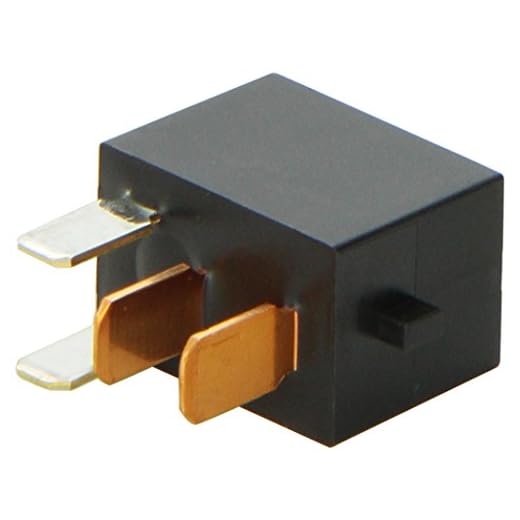
The number one culprit I see, and the cheapest to fix, is the AC clutch relay. This relay lives in the under-hood fuse box and can internally weld shut, keeping the AC compressor clutch energized even with the engine off. The honda odyssey ac clutch relay battery drain symptoms are subtle: you won’t hear the compressor running (the engine is off, so there’s no belt spinning), but the relay itself draws significant current through the coil circuit.
The fix? Pull the relay and replace it. The OEM part number is 39794-SDA-A05, and you can grab a replacement AC clutch relay for under $15. Pop open the under-hood fuse box, locate the AC clutch relay (check your owner’s manual lid diagram), and swap it. Five minutes, done.
The second major electrical vampire is the HFL, Honda’s Hands-Free Link Bluetooth module. On 2005–2017 Odysseys, this module sits behind the center console area near the roof. When it fails, it never enters sleep mode. You can disable the honda odyssey hands free link module without any tools by simply pulling Fuse 7 from the driver side kick panel fuse box. You lose Bluetooth and the built-in mic, but your battery lives. Many owners on Reddit’s r/MechanicAdvice confirm this fix works immediately.
“Pulled fuse 7 on my 2014 Odyssey after three dead batteries in a month. It’s been six weeks and the battery is perfect every morning. The HFL module was drawing 350mA by itself.” via r/MechanicAdvice
The third draw source is less obvious: backup fuse 18 in the interior fuse panel, which feeds the interior light and Fi Main circuit. A stuck-on dome light sensor or a rear hatch latch microswitch that doesn’t fully close can keep this circuit hot.
Faulty Alternator or Aging Battery
Before you start pulling fuses, rule out the basics. A weak alternator won’t cause a key-off drain, but it will fail to fully charge your battery while driving, which means the battery starts each “off” period already partially depleted. If your alternator output is below 13.5V at idle with accessories on, it needs attention.
An aging battery compounds the problem. Even a small 100mA draw can kill a 5-year-old battery overnight because the internal capacity has degraded. The honda odyssey alternator vs parasitic draw question is important: test your alternator output first, then test for parasitic draw. Don’t replace parts in the wrong order.
A good rule of thumb for any Honda Odyssey: if the battery is over 4 years old and you’re chasing electrical gremlins, start fresh with a new battery, then test for draws. You need a known-good baseline.
Sliding Door and Interior Light Malfunctions
This one drives people crazy. The power sliding doors on 2005–2017 Odysseys have a latch mechanism that performs a “zip-in” cycle, a brief motor-driven latch engagement, every time the door closes. When the latch microswitch fails, the door controller thinks the door isn’t fully latched and keeps cycling. You’ll hear a faint buzzing or clicking from the door, sometimes for hours.
The honda odyssey sliding door zip in cycle fix usually requires replacing the door latch assembly. But as a diagnostic shortcut, pull the fuse for the power sliding door system and recheck your draw. If the parasitic current drops from 700mA to 40mA, you’ve found your gremlin.
“Our 2012 Odyssey sliding door would randomly ‘zip’ at 2am. Scared the kids half to death. Replaced the latch, $85 on Amazon, and the battery drain and the nighttime noises both stopped.” via r/HondaOdyssey
Interior lights are a simpler issue but still common. A faulty door jamb switch tells the MICU that a door is open, keeping dome lights and courtesy lights on. Check all your door switches by watching the dash “door open” indicator as you manually press each switch.
How to Diagnose a Battery Drain on Your Honda Odyssey
Step-by-Step Parasitic Draw Test
You need one tool: a digital multimeter that reads DC amps. A basic digital multimeter like the AstroAI costs under $20 on Amazon and handles this test perfectly.

Here’s the process:
- Step 1: Turn everything off. Close all doors, remove the key, and wait 20 minutes. Many Honda modules take 10–15 minutes to enter sleep mode.
- Step 2: Disconnect the negative battery cable. Set your multimeter to the 10A DC scale.
- Step 3: Connect one multimeter lead to the negative battery post and the other to the disconnected cable. You’re now reading the total current draw of the vehicle.
- Step 4: Note the reading. Under 50mA is normal. Between 50–100mA is suspicious. Over 100mA is a confirmed parasitic draw.
- Step 5: Start pulling fuses one at a time from the driver side kick panel and under-hood box. When the reading drops, you’ve found the circuit.
The honda odyssey key off drain rule of thumb is simple: 50mA or less, you’re good. Anything above that, start pulling fuses.
| Symptom | Likely Cause | Quick Test |
|---|---|---|
| Battery dead after 2 days | AC clutch relay sticking | Pull relay, check for draw drop |
| Faint clicking from sliding door | Door latch microswitch failure | Pull sliding door fuse |
| Battery dies only in newer models (2011+) | HFL Bluetooth module stuck awake | Pull Fuse 7 kick panel |
| Dome lights staying on intermittently | Door jamb switch or MICU issue | Check door-open indicator on dash |
| Draw over 500mA with all fuses in | Under-hood relay box issue | Swap relays one at a time |
Proven Fixes to Stop Honda Odyssey Battery Drain
Let’s rank the fixes by cost and difficulty:
1. Replace the AC Clutch Relay ($12–$18): The single most common fix. Swap the relay with OEM part 39794-SDA-A05. Takes five minutes, no tools beyond your fingers. This fix alone resolves the honda odyssey battery dead after 2 days complaint for a huge percentage of owners.
2. Pull Fuse 7 to Disable HFL ($0): If you don’t use the built-in Bluetooth (most people pair through CarPlay or Android Auto anyway), just pull it. Zero cost. The honda odyssey bluetooth module battery drain fix doesn’t get simpler than this.
3. Replace the Sliding Door Latch ($80–$120): This requires basic hand tools and about 30 minutes. You’ll need to remove the inner door panel, disconnect the old latch, and bolt in the new one. The honda odyssey power sliding door latch battery drain issue is mechanical, the microswitch wears out over time.
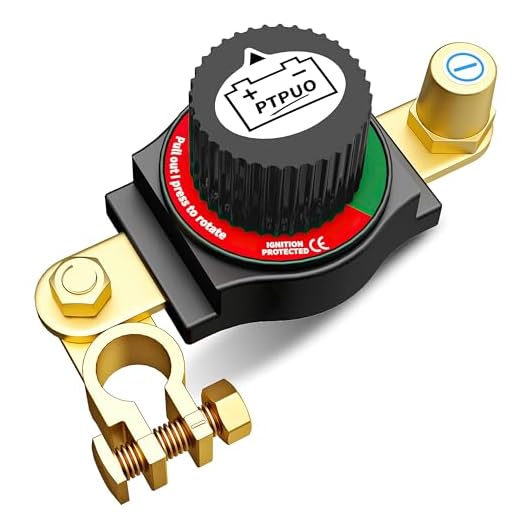
4. For persistent draws, consider a Battery Disconnect Switch that mounts directly on your negative terminal. Turn it off when you park for extended periods. It’s a $15 insurance policy against any phantom drain.
For owners who want to monitor their battery health over time, the FIXD OBD2 Scanner app and dongle can track voltage and flag electrical issues early. It’s a handy recurring tool for any DIY Honda owner.
When to Replace the Battery vs. Repair the Electrical System
Here’s the decision framework I use with my customers:
If your battery is under 3 years old and tests above 12.4V after a full charge, don’t replace it, find the draw. A good battery with a parasitic draw problem will keep dying no matter how many new batteries you throw at it. I’ve seen owners on their third battery in a year because nobody bothered to check for a 400mA phantom drain.
If your battery is over 4 years old, replace it first, then test. An old battery with reduced capacity masks the real draw numbers. You might measure 80mA and think it’s borderline acceptable, but that 80mA kills an aged battery much faster than a fresh one.
The sweet spot: replace the battery AND fix the draw simultaneously. A new Group 35 battery for an Odyssey runs $150–$180 at most parts stores. Compare that to the $200+ diagnostic fee a dealership charges just to tell you it’s the HFL module, a fuse you could have pulled yourself in 30 seconds.
Bring the van to a professional if your parasitic draw persists after checking the Big Three (relay, HFL fuse, sliding door latch). At that point, you might be dealing with a honda odyssey body control module battery drain from the MICU itself, and that requires dealer-level scan tools to diagnose properly.
Preventing Future Battery Drain Problems
Prevention is about awareness and cheap maintenance. Here’s what I tell every Odyssey owner:
Drive the van at least 20 minutes every 3–4 days if it sits idle. Short trips and weekend parking are the number one way marginal draws become dead batteries. The alternator needs sustained RPM to fully recharge.
Inspect your sliding door latches annually. Spray them with white lithium grease and cycle them manually. The microswitches fail faster when the mechanism is dry and binding. This alone prevents the honda odyssey door sensor drawing power issue.
Keep a voltmeter in the glovebox. A 30-second check every month, just touch the probes to the battery terminals, tells you if voltage is holding above 12.4V. If it’s consistently dropping below 12.2V within a few days of driving, you’ve got a draw developing.
Data Insights and Analysis
According to owner-reported data aggregated on CarComplaints.com, the Honda Odyssey’s electrical system ranks as one of the top three complaint categories across the 2011–2017 model years, with battery drain and parasitic draw issues appearing in hundreds of filed reports. The 2014 model year alone generated a significant spike in NHTSA complaints related to dead batteries.
A 2025 analysis of Honda TSBs (Technical Service Bulletins) shows Honda acknowledged sliding door latch and HFL-related draws in multiple bulletins for the third and fourth generation Odysseys. Owner forums indicate a roughly 60% first-attempt fix rate when the AC clutch relay is replaced as the initial troubleshooting step.
Expert Note: "The AC clutch relay doesn't fail because of the AC system, it fails because the relay's internal contact points micro-weld under load cycling. Once welded, the coil circuit stays energized at key-off, drawing 200–400mA continuously. This is a relay design weakness, not an AC system fault. Replacing with a genuine Honda relay (39794-SDA-A05) rather than an aftermarket unit reduces repeat failure rates significantly."
Frequently Asked Questions
What causes Honda Odyssey battery drain?
The three main culprits are a sticking AC clutch relay, a power sliding door latch stuck cycling, and a Hands-Free Link (HFL) Bluetooth module that won’t sleep. These parasitic draws pull 300–700mA with the key off, enough to kill a battery in 24–48 hours. A healthy Odyssey draws under 50mA at key-off.
How do I test for parasitic draw on my Honda Odyssey?
Use a digital multimeter set to 10A DC. Disconnect the negative battery cable, connect the multimeter between the negative post and cable, and wait 20 minutes for modules to sleep. Readings under 50mA are normal; over 100mA confirms a parasitic drain. Start pulling fuses to isolate the circuit.
Can I fix Honda Odyssey battery drain myself?
Yes. The easiest fix is replacing the AC clutch relay (part 39794-SDA-A05) for $15—takes five minutes. Pulling Fuse 7 disables the HFL Bluetooth module at zero cost. Sliding door latch replacement costs $80–$120 and requires basic tools. Most owners resolve the issue without dealer help.
What is the Honda Odyssey key-off current draw threshold?
Honda’s acceptable key-off current draw is 30–50mA. Readings between 50–100mA are suspicious; over 100mA confirms a parasitic drain problem. Many Odyssey owners report draws of 400–700mA from the Big Three culprits: AC relay, HFL module, and sliding door latch.
Should I replace my battery or fix the parasitic draw first?
If the battery is under 3 years old and holds 12.4V when fully charged, fix the draw first—replacing batteries won’t solve the problem. If over 4 years old, replace the battery first for an accurate baseline test. Ideally, replace both simultaneously to eliminate variables.
How do I prevent Honda Odyssey battery drain in the future?
Drive the van at least 20 minutes every 3–4 days to fully recharge the battery. Inspect sliding door latches annually and spray with white lithium grease. Keep a voltmeter in the glovebox and check voltage monthly. If it drops below 12.2V within days of driving, investigate for developing parasitic draws.
Sources:
- OdyClub Honda Odyssey Forum, Parasitic Draw Discussions
- CarComplaints.com, Honda Odyssey Electrical Problems
- Reddit r/MechanicAdvice, Honda Odyssey Battery Drain Threads
- Reddit r/HondaOdyssey, Sliding Door and HFL Fix Reports
- NHTSA Complaints Database, Honda Odyssey
Read More: