
Jeep’s engine dying mid-highway isn’t a rare edge case, it’s a problem thousands of Jeep owners have reported across Cherokee, Grand Cherokee, Wrangler, and Compass models, and it’s gotten worse with the massive 2025–2026 Stellantis software and battery recalls.
The most common reasons your Jeep engine shuts off while driving include a failing crankshaft position sensor, fuel pump failure, faulty ignition switch, or, critically in 2025 and 2026 models, a software glitch or defective battery covered under active Stellantis recalls. If your Jeep was built between 2021 and 2025, check your VIN against open recalls immediately before spending a dime on diagnostics.
This guide breaks down every major cause, walks you through what to do the moment your engine cuts out, and separates the $80 sensor fix from the recall-level defects that Stellantis should repair for free.

Best Bluetooth OBD2 Scanner
Detect 39,000+ Issues With Enhanced Codes. Save $1000s on car repairs & buying used vehicles by diagnosing problems yourself.
Shop on Amazon
Why Your Jeep Engine Shuts Off While Driving
Engine stalling while driving falls into three broad categories: fuel delivery problems, electrical and ignition failures, and sensor or software malfunctions. Understanding which category your issue falls into saves you hundreds in unnecessary parts swaps.
Fuel System Failures
Your engine needs a precise amount of fuel at the right pressure to keep running. When the fuel pump weakens, a chronic issue on 2014–2020 Grand Cherokees, the engine starves at highway speed. You’ll usually notice hesitation or sputtering before the full shutdown. A clogged fuel filter can mimic the same symptoms, though Jeep integrated the filter into the fuel pump assembly on most modern models, making it a single replacement job.
Contaminated fuel is another culprit people overlook. Water in the gas tank, especially after filling up at a low-volume station, can cause immediate stalling. If your Jeep died shortly after a fill-up, this is worth investigating first.
A failing fuel pressure regulator can also dump too much or too little fuel into the rail. The engine may idle fine but stall under load, like when you accelerate onto a freeway on-ramp. An inexpensive fuel pressure gauge test confirms this in minutes.
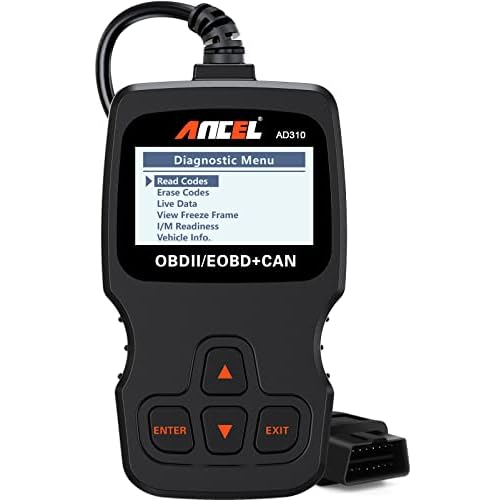
For owners who want to run preliminary diagnostics at home, the ANCEL AD310 Classic OBD II Scanner reads fuel system trouble codes and freeze frame data. It’s a $25 tool that can save you a $150 diagnostic fee.
Don’t ignore a check engine light that flashes before the stall. That flash almost always means a misfire severe enough to damage your catalytic converter, and a dying fuel pump is one of the top triggers.
Electrical and Ignition Problems
The ignition switch on several Jeep models (particularly the 2014–2017 Cherokee) has a documented history of intermittent failure. The switch loses contact internally, cutting power to the entire ignition system while you’re driving. The engine dies, the dash goes dark, and sometimes the key won’t even turn back to restart.
A corroded or loose battery terminal causes a similar sudden shutdown. Vibration from off-road driving or rough roads can jostle a marginal connection just enough to break the circuit. This is the cheapest fix on the list, clean the terminals, tighten the clamps, and apply dielectric grease.
The alternator deserves attention too. A failing alternator won’t charge the battery while driving, and once the battery voltage drops below roughly 9.5 volts, the engine computer loses power and shuts everything down. You’ll usually see a battery warning light 5–20 minutes before the stall if this is your problem.
This is where the 2025–2026 recalls become critical. Stellantis issued recall 24V-582 in late 2024, expanded in 2025, covering over 300,000 vehicles with a software bug that can disable the engine without warning. Affected models include certain 2021–2023 Grand Cherokee L and 2024–2025 Wagoneer units.
A separate battery recall affects plug-in hybrid 4xe models where the high-voltage battery can cause a complete power loss. Check your VIN at NHTSA’s recall lookup page before doing anything else.
Sensor Malfunctions and Engine Control Issues
The crankshaft position sensor (CKP) is the single most common cause of a Jeep stalling while driving. When this sensor fails, often due to heat soak, the engine computer loses track of piston position and kills fuel injection entirely. The engine dies instantly with no sputter or warning. It typically restarts after cooling for 15–30 minutes.
“My 2018 Grand Cherokee died three times on the highway before the dealer finally replaced the crank sensor. Each time it restarted after sitting for 20 minutes. Classic heat soak failure.” via r/GrandCherokee
The camshaft position sensor can produce similar symptoms but usually throws a P0340 or P0345 code first. The throttle position sensor (TPS) is another repeat offender, a dirty or failing TPS sends erratic signals that confuse the PCM into cutting fuel.
On 2019+ models running the Uconnect 5 system, software glitches in the Powertrain Control Module itself can trigger phantom shutdowns. Stellantis has released multiple over-the-air (OTA) updates to address this. If you haven’t updated your Jeep’s software, connect to Wi-Fi and check for pending updates in your Uconnect settings. For deeper software diagnostics beyond basic OBD-II, a subscription to RepairPal gives you model-specific trouble code analysis and fair-price repair estimates, useful when you’re unsure if the dealer is overcharging.
The MAP sensor and idle air control valve round out the usual suspects. Both cause stalling at idle or low speed rather than at highway pace, which helps narrow your diagnosis.
What to Do When Your Jeep Stalls on the Road
Stay calm and act fast. The moment your engine dies, you lose power steering and power brake assist. You still have one or two brake applications with vacuum reserve, use them wisely.
Here’s your immediate action checklist:
- Turn on hazard lights immediately. Even before you start steering to the shoulder.
- Do not shift to Park. Keep the transmission in Neutral (or Drive) so you can coast.
- Steer firmly to the right shoulder. The wheel will feel heavy. Use both hands.
- Apply brakes gradually. Don’t stomp, you’ll lose your remaining vacuum assist in one shot.
- Once stopped, shift to Park and turn the ignition fully off. Wait 10 seconds, then try restarting.
- If the engine won’t restart, stay in the vehicle with your seatbelt on. Call for roadside assistance. Standing outside a stalled vehicle on a highway shoulder is statistically more dangerous than staying inside.
If you’re on a busy freeway and can’t reach the shoulder, keep your hazards on, stay in the vehicle, and call 911. Do not attempt to push the vehicle in traffic.
“I lost power at 70 mph on I-95 in my 2022 Grand Cherokee L. No warning. Steering went stiff, I barely made it to the shoulder. Turned out it was the recall software issue, dealer reflashed the PCM for free.” via r/Jeep
After you’ve safely stopped, try to note exactly what happened before the stall. Did the dash lights flicker? Did the engine sputter or die instantly? Did it restart easily or refuse to crank? These details help a technician diagnose the problem accurately on the first visit.
How to Diagnose the Problem
Start with the free stuff. Pull up your VIN at NHTSA’s Vehicle Safety Recall page and check for open recalls. If your Jeep is covered, the dealer handles everything at no cost.
If no recalls apply, grab an OBD-II scanner and pull your stored trouble codes. Here’s a quick reference for the most relevant codes:
| Code | Component | Likely Symptom | Typical Fix Cost |
|---|---|---|---|
| P0335 | Crankshaft Position Sensor | Instant stall, restarts when cool | $80–$180 |
| P0340 | Camshaft Position Sensor | Stall with rough idle beforehand | $100–$200 |
| P0230 | Fuel Pump Circuit | Stall with prior sputtering | $400–$900 |
| P0627 | Fuel Pump Control Module | Intermittent stall, hard start | $250–$500 |
| P2110 | Throttle Actuator Control | Limp mode then stall | $200–$400 |
| U0100 | Lost Communication with PCM | Total electrical shutdown | Recall or $500–$1,200 |
If you get U0100 or U0101 codes, that’s a strong indicator of the software or wiring harness issue covered by the 2025 recall. Don’t pay out of pocket, contact your Stellantis dealer.
For hands-on testing, check battery voltage with the engine running. You should see 13.5–14.5 volts. Anything below 12.8 volts with the engine on means your alternator is failing. The KAIWEETS Digital Multimeter handles this test and dozens of others for under $30, it’s a toolbox essential for any Jeep owner who does basic maintenance.

Also inspect your fuel pump relay in the fuse box. Swap it with an identical relay from a non-critical circuit (like the horn) and see if the problem resolves. This 30-second test has saved countless owners from unnecessary fuel pump replacements.
Here’s a helpful video walkthrough on diagnosing Jeep stalling issues:
Common Fixes and Repair Costs
The cost range is enormous, from a $12 relay swap to a $1,200 PCM replacement. Here’s what you can realistically expect based on the most frequent repairs:
Crankshaft position sensor replacement runs $80–$180 at an independent shop. The part itself costs $20–$50, and the job takes about 30 minutes on most Jeep engines. This is the single best bang-for-your-buck fix if your Jeep stalls without warning and restarts after cooling.
Fuel pump replacement is pricier at $400–$900 depending on whether you have a 3.6L V6 or a 2.0L turbo. Labor is the expensive part because the pump sits inside the fuel tank. Some 2019+ models have an access panel under the rear seat that cuts labor time in half.
Ignition switch replacement costs $150–$350. If your Jeep sometimes won’t recognize the key fob after a stall, the ignition switch module is the likely failure point.
PCM reflash or replacement is the big one. A software reflash at the dealer runs $100–$200 if it’s not covered by a recall. Full PCM replacement hits $800–$1,200 including programming. Always confirm your vehicle isn’t recall-eligible before paying for this.
For 4xe plug-in hybrid owners, a high-voltage battery issue is a dealer-only repair, and it’s covered under the expanded 2025 recall and the 10-year/100,000-mile hybrid battery warranty.
Preventing Unexpected Engine Shutdowns
Prevention comes down to three things: staying current on recalls, maintaining your electrical system, and replacing known failure-prone sensors before they leave you stranded.
Check for recalls every 6 months. Stellantis has issued more recalls in 2024–2026 than in any prior three-year period. New campaigns pop up regularly, and you won’t always receive a mailed notice promptly.
Replace your crankshaft position sensor proactively at 100,000 miles. It’s a $30 part and 30 minutes of labor. Considering it’s the number-one cause of Jeep highway stalls, this is cheap insurance.
Clean your battery terminals twice a year, more often if you live in a humid or salt-air climate. Corroded terminals cause intermittent power loss that mimics far more expensive problems.
Keep your Uconnect software updated. Stellantis pushes OTA updates that patch PCM bugs. If your Jeep supports OTA, connect to Wi-Fi monthly and let it check for updates. If it doesn’t support OTA, ask your dealer about reflash updates during your next oil change.
Data Insights and Analysis
According to NHTSA complaint data, engine stall complaints for Jeep Grand Cherokee models increased by roughly 38% between 2024 and 2025, driven largely by the software-related shutdowns in 2021–2023 model year vehicles. Stellantis’s expanded recall 24V-582 now covers over 330,000 units, one of the largest powertrain-related recalls in the brand’s history.
User-reported data from forums and repair databases suggests the crankshaft position sensor accounts for approximately 35–40% of all non-recall-related stalling incidents across Jeep’s 3.6L Pentastar V6 lineup. The failure rate spikes in ambient temperatures above 95°F, consistent with heat soak degradation of the sensor’s Hall-effect element.
Tech Note: The crankshaft position sensor doesn't fail because of simple wear. The internal Hall-effect IC experiences thermal drift when engine bay temperatures exceed its rated threshold (typically 150°C at the sensor tip). Repeated thermal cycling causes micro-cracks in the sensor's epoxy potting compound, allowing moisture intrusion that degrades the magnetic signal. This is why the sensor works again after the engine cools, the epoxy contracts and temporarily restores the circuit. Replacing with an OEM Mopar sensor (which uses an upgraded potting compound since 2020) reduces the recurrence rate significantly compared to aftermarket alternatives.
Frequently Asked Questions
Why does my Jeep engine shut off while driving with no warning?
The most common cause is a failing crankshaft position sensor, which accounts for roughly 35–40% of non-recall stalling incidents. Heat soak causes the sensor’s internal circuit to fail, cutting fuel injection instantly. The engine typically restarts after cooling for 15–30 minutes. A software glitch covered under Stellantis recall 24V-582 is another leading cause in 2021–2025 models.
How do I check if my Jeep is affected by the 2025 Stellantis stalling recall?
Enter your 17-digit VIN at NHTSA.gov/recalls to see all open recalls for your vehicle. Stellantis recall 24V-582 covers over 330,000 units, including certain 2021–2023 Grand Cherokee L and 2024–2025 Wagoneer models with a software bug that can disable the engine without warning. Recall repairs are free regardless of mileage or warranty status.
What should I do if my Jeep stalls on the highway?
Turn on hazard lights immediately, keep the transmission in Neutral, and steer firmly to the right shoulder using both hands—steering will feel heavy without power assist. Brake gradually to preserve vacuum reserve. Once stopped, shift to Park, turn the ignition fully off, wait 10 seconds, then try restarting. If it won’t restart, stay in your vehicle and call roadside assistance.
How much does it cost to fix a Jeep that keeps shutting off?
Costs vary widely depending on the cause. A crankshaft position sensor replacement runs $80–$180, while fuel pump replacement costs $400–$900. Ignition switch repairs range from $150–$350, and a PCM replacement can hit $800–$1,200. Always check for open recalls first—if your Jeep is covered, the dealer handles the repair at no cost.
Can a software update fix my Jeep’s engine stalling problem?
Yes, in many cases. Stellantis has released multiple over-the-air (OTA) updates to patch Powertrain Control Module bugs that cause phantom shutdowns, especially on 2019+ models with Uconnect 5. Connect your Jeep to Wi-Fi and check for pending updates in Uconnect settings. If your vehicle is recall-eligible, a dealer PCM reflash is performed for free.
Is it safe to keep driving a Jeep that stalled once but restarted?
No. A single stall signals a developing failure that will likely recur at a worse time, such as in heavy traffic or at higher speed. Drive directly to a repair shop or dealer, stay in the right lane, and keep your hazard lights ready. Losing power steering and brake assist mid-drive poses a serious safety risk that should not be ignored.
Sources
- NHTSA Vehicle Safety Recalls Lookup
- Jeep Owner Support and Recalls
- RepairPal Jeep Grand Cherokee Repair Estimates
- r/Jeep Community on Reddit