
If you own a 2020–2025 Jeep Wrangler 4xe, you’ve likely received an alarming notice: stop charging your vehicle and park it outside, away from structures. You’re not alone, and this isn’t a minor glitch.
Stellantis issued NHTSA recall 25V741 (also known as recall 68C) because Samsung SDI battery cells inside the 4xe’s high-voltage battery pack can develop internal separator damage, creating a risk of thermal runaway and fire, even when the vehicle is parked and turned off. Previous Hybrid Control Processor (HCP) software updates failed to eliminate this risk, which is why Stellantis now instructs owners to fully deplete the battery and stop all Level 1 and Level 2 charging until a permanent fix, a full high-voltage battery pack replacement, becomes available. If your Jeep 4xe won’t charge after the recall notice, that’s by design: the Battery Pack Control Module (BPCM) may have been updated to prevent charging entirely.
This guide breaks down exactly how the Wrangler 4xe charging system works, what went wrong, and how you can drive safely in gas-only mode while you wait for your new battery pack.

Best Bluetooth OBD2 Scanner
Detect 39,000+ Issues With Enhanced Codes. Save $1000s on car repairs & buying used vehicles by diagnosing problems yourself.
Shop on Amazon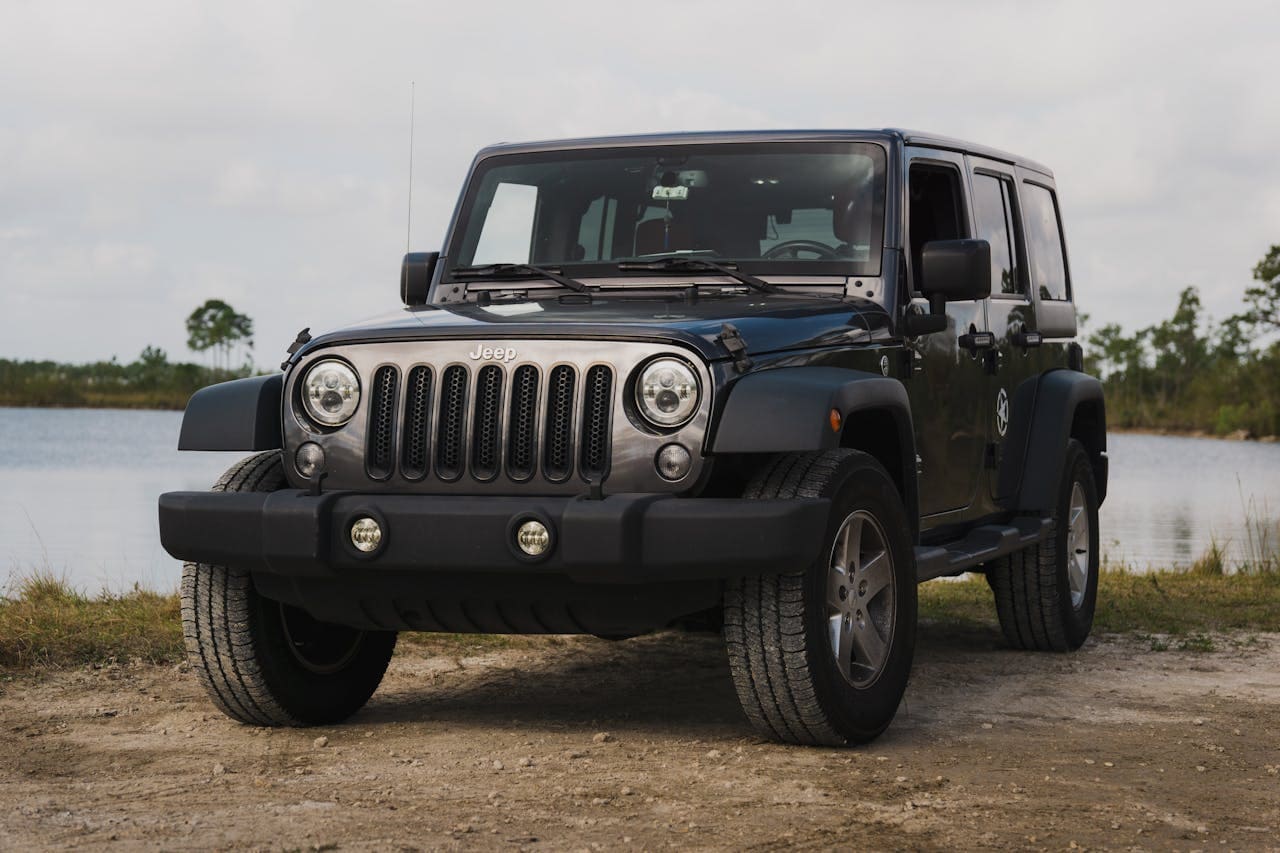
How the Wrangler 4xe Charging System Works
The Jeep Wrangler 4xe uses a plug-in hybrid electric vehicle (PHEV) powertrain that pairs a 2.0-liter turbocharged four-cylinder engine with two electric motors and a 17.3-kWh lithium-ion battery pack manufactured by Samsung SDI. Under normal conditions, you plug in using a Level 1 (120V) or Level 2 (240V) charger, and the onboard charger converts AC power to DC to fill the battery.
Once charged, the 4xe can travel roughly 21–25 miles on pure electric power before the gas engine kicks in. The system relies on several key control modules working together: the Hybrid Control Processor (HCP) manages the powertrain logic, while the Battery Pack Control Module (BPCM) monitors cell voltage, temperature, and state of charge. A failure in any of these systems can trigger a “Service Charging System Soon” error or a “Service Hybrid System” warning light on your dashboard.
Here’s the critical detail most owners miss: the battery pack doesn’t just store energy, it actively communicates with the vehicle’s thermal management system. Coolant circulates through channels in the pack to keep cell temperatures stable. When Samsung SDI battery cells develop internal short circuit symptoms due to separator damage, this thermal management can’t prevent the cascading heat reaction known as thermal runaway. That’s the root cause behind the Jeep 4xe charging fire recall in 2026.
Most Common Charging Issues Owners Report
Charge Port and Connector Problems
The most basic Jeep Wrangler 4xe charging issue starts at the plug. Owners frequently report the charge port latch failing to release or the connector not seating properly. Water intrusion is a common culprit, the 4xe’s charge port sits on the left front fender and can collect moisture, especially after off-roading or heavy rain. A corroded or dirty connector pin can prevent the handshake between charger and vehicle, leaving you staring at a blinking amber light.
If you’re using a Level 2 charger and experiencing a Jeep 4xe Level 2 charger fault, check the J1772 connector pins for debris or green corrosion. A can of electrical contact cleaner and a soft brush can resolve this quickly. Also verify that your home charger’s GFCI outlet hasn’t tripped, this is the number one “phantom” charging failure owners overlook.
Some owners have reported that aftermarket charge port door replacements don’t align correctly, preventing a full connector seat. Stick with OEM parts here.
Failed or Stalled Charging Sessions
This is the big one. Your 4xe starts charging, then stops after a few minutes, or never begins at all. The dash may display “Charging Interrupted” or throw the dreaded “Service Charging System Soon” message.
“Plugged in my 4xe last night, woke up to 0% and a Service Charging System Soon message. Third time this month. Dealer says wait for the recall fix.” via r/Jeep
Before the stop charging notice, many of these failures were caused by software bugs in the BPCM that misread cell temperatures. Stellantis pushed multiple over-the-air and dealer-applied HCP software updates to address this, but the core problem, Samsung SDI battery separator damage, is a hardware defect no software patch can fix. If your Jeep 4xe won’t charge after the recall software update, the BPCM is now deliberately blocking charge cycles to reduce fire risk.
Reduced Electric Range After a Full Charge
Even before the recall, many owners noticed their electric range dropping from the EPA-estimated 21 miles to as low as 12–14 miles. Cold weather is one factor, lithium-ion batteries lose efficiency below 40°F. But degraded cells from early separator wear can also reduce usable capacity permanently.
If you’re seeing a sudden drop (not a gradual seasonal decline), that’s a potential internal short circuit symptom. Document it with screenshots of your Uconnect range estimates and report it to your dealer immediately. This data can support a warranty claim or strengthen your position if you’re involved in the Stellantis 4xe battery fire lawsuit in 2026.
Troubleshooting Steps You Can Try at Home
Before you tow your 4xe to the dealer, run through these checks:
- Check for active recalls on your VIN. Visit NHTSA’s recall lookup tool and enter your 17-digit VIN. If recall 25V741 (68C) applies, follow Stellantis’s instructions to deplete the battery and stop charging immediately.
- Inspect the charge port and connector. Look for bent pins, corrosion, or moisture. Clean with electrical contact cleaner.
- Reset the BPCM. Disconnect the 12V auxiliary battery for 15 minutes, then reconnect. This can clear false fault codes, but it won’t override a recall-related charging block.
- Try a different EVSE (charger). Borrow a neighbor’s Level 1 cord or test at a public Level 2 station to rule out a faulty home charger.
- Check your Uconnect app for error codes. The app sometimes displays fault codes that the dash doesn’t show.
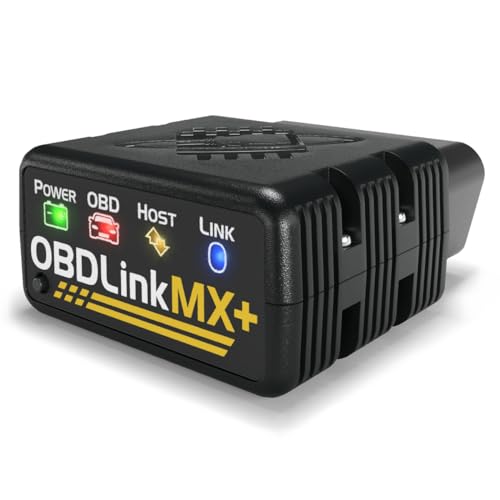
For owners who want to monitor their battery health more closely between dealer visits, the OBDLink MX+ Bluetooth OBD2 scanner pairs with apps like Alfaobd to read Jeep-specific PHEV diagnostic data, including individual cell voltages and BPCM status codes.
Important: If you smell anything unusual, a sweet chemical odor, burning plastic, or see smoke near the rear seat area (where the battery pack sits), exit the vehicle immediately and call 911. Do not attempt to open the battery enclosure. These are PHEV battery depletion fire safety concerns, and thermal runaway can escalate in seconds.
Here’s a quick comparison of what you can fix at home versus what requires a dealer:
| Issue | DIY Fix? | Dealer Required? |
|---|---|---|
| Dirty/corroded charge port | Yes | No |
| Tripped GFCI or faulty EVSE | Yes | No |
| BPCM soft reset (12V disconnect) | Yes | No |
| Service Charging System Soon error | Maybe | Yes, if persistent |
| Recall 25V741 battery replacement | No | Yes, free under recall |
| Thermal runaway / smoke / odor | No, call 911 | Yes, tow only |
When To Visit the Dealer or a Certified Technician
If your dashboard shows a persistent “Service Hybrid System” warning light or you’ve received the official stop charging Jeep Wrangler 4xe notice, don’t delay your dealer visit. Stellantis is covering the Jeep 4xe high-voltage battery pack replacement at no cost under recall 25V741, but supply is limited. Getting on your dealer’s waiting list early matters.
You should also visit a dealer if:
- Your 4xe enters “turtle mode” (reduced power) unexpectedly
- You hear clicking or buzzing from beneath the rear seats
- The hybrid system warning appears alongside a check engine light
- Your electric range dropped more than 30% suddenly
“Dealer told me the battery pack replacement is backordered 8+ weeks. Meanwhile I’m burning premium gas at 20 mpg. This is brutal.” via WranglerForum
We hear you. Until your replacement pack arrives, use e-Save mode to force the 4xe to run on gasoline only and preserve whatever charge remains (or keep the depleted battery from cycling). Your Wrangler 4xe gas-only fuel economy will hover around 20–22 mpg, painful compared to the 49 MPGe you signed up for, but it keeps you safe. Consider a portable fuel cost tracker like the Drivvo Pro app to monitor your increased fuel expenses, which may be relevant for reimbursement claims.
Relevant Recalls and Software Updates To Know About
The Wrangler 4xe has been subject to multiple recall campaigns since 2022, and it’s easy to lose track. Here’s what matters most right now:
Recall 25V741 (Campaign 68C), Issued in 2025, this is the big one. It covers 2020–2025 Jeep Wrangler 4xe and 2022–2026 Grand Cherokee 4xe models equipped with Samsung SDI battery packs. The defect involves internal battery separator damage that can cause an internal short circuit, leading to thermal runaway and fire. The interim fix is a BPCM software update that disables charging. The permanent fix is a complete high-voltage battery pack replacement. Stellantis has instructed affected owners to deplete their battery and park outside, away from structures.
Previous software updates, including HCP recalibrations pushed in 2023 and 2024, attempted to address overheating by adjusting charge rate limits and thermal thresholds. These updates reduced but did not eliminate the Jeep 4xe thermal runaway risk because the root cause is a physical manufacturing defect in the battery cells, not a software logic error.
You can check your vehicle’s recall status directly through the NHTSA Recalls page or contact your local Jeep dealer with your VIN. Stellantis also sends recall notices via mail and through the Uconnect app.
Data Insights and Analysis
According to NHTSA complaint data, over 30 fire-related incidents involving the Wrangler 4xe were reported between 2022 and early 2026, with a significant spike in reports during winter months when battery thermal management systems are under the most stress. Stellantis’s own filings indicate approximately 95,000 vehicles are affected by recall 25V741 across the Wrangler 4xe and Grand Cherokee 4xe lines.
Owner forum data from WranglerForum and JeepGarage suggests that roughly 40–50% of owners who received the stop charging notice experienced at least one prior “Service Charging System Soon” error in the months leading up to the recall, indicating that early warning signs were present but often dismissed as software glitches.
Expert Note: "The battery separator in these Samsung SDI cells is a thin polymer membrane, typically around 12–25 microns thick. Manufacturing contaminants or micro-tears in this layer create localized high-resistance points. Over charge/discharge cycles, these points generate heat, further degrading the separator until a full internal short develops. No amount of software-based current limiting can repair physical membrane damage, it can only slow the progression. That's why the only permanent remedy is pack replacement."
Tips for Preventing Future Charging Problems
Once you receive your replacement battery pack, you’ll want to protect it. Here are practical steps to minimize future charging problems and extend the life of your new pack:
Keep the charge port clean and dry. After off-roading or washing your Jeep, dry the charge port area with a microfiber cloth. A charge port cover protector can shield against water and trail debris, a worthwhile $15 investment for a vehicle that goes off-road.
Don’t routinely charge to 100%. Lithium-ion batteries last longer when you keep them between 20% and 80% state of charge. Use the Uconnect app’s charge scheduling to set an 80% limit for daily driving and only charge to full before longer trips where you need maximum electric range.
Avoid charging in extreme temperatures. If it’s below 20°F or above 100°F, the BPCM may throttle or halt charging to protect the cells. Parking in a garage (once cleared by the recall) helps stabilize ambient temps.
Use Jeep 4xe e-Save mode strategically. On highway drives where the gas engine is more efficient anyway, activate e-Save to preserve battery charge for city driving later. This reduces unnecessary charge/discharge cycles.
Stay current on software updates. Accept all OTA updates from Stellantis and keep your dealer visits on schedule. Future HCP and BPCM updates will likely refine charging algorithms based on lessons learned from this recall.
Monitor for early warning signs. Sudden range drops, unusual odors, warning lights, or charging interruptions should never be ignored. Document everything with timestamps and photos, this protects you legally and speeds up warranty claims.
Frequently Asked Questions
Why won’t my Jeep Wrangler 4xe charge after the recall notice?
If your Jeep Wrangler 4xe won’t charge, it’s likely by design. Under recall 25V741 (68C), Stellantis updated the Battery Pack Control Module (BPCM) to deliberately block all Level 1 and Level 2 charging. This prevents thermal runaway risk caused by Samsung SDI battery separator damage. The permanent fix is a full high-voltage battery pack replacement at no cost.
What is the Jeep Wrangler 4xe battery fire recall 25V741?
Recall 25V741, also called campaign 68C, covers 2020–2025 Wrangler 4xe and 2022–2026 Grand Cherokee 4xe models. Samsung SDI battery cells can develop internal separator damage, leading to thermal runaway and fire even while parked. Stellantis instructs owners to deplete the battery, stop charging, and park outside until a free battery pack replacement is completed.
How do I troubleshoot Jeep Wrangler 4xe charging issues at home?
Start by checking your VIN for active recalls at NHTSA.gov. Inspect the charge port for corrosion, bent pins, or moisture. Reset the BPCM by disconnecting the 12V battery for 15 minutes. Test with a different EVSE charger and check the Uconnect app for hidden fault codes. If the ‘Service Charging System Soon’ error persists, visit your dealer.
Can I still drive my Jeep Wrangler 4xe during the battery recall?
Yes, you can drive your Wrangler 4xe safely in gas-only mode. Activate e-Save mode to force the vehicle to run on gasoline and avoid cycling the depleted battery. Expect fuel economy around 20–22 mpg on premium gas. Do not attempt to charge the high-voltage battery until your dealer completes the replacement under recall 25V741.
How long does the Jeep 4xe battery pack replacement take under the recall?
The replacement itself is performed at a Jeep dealer at no cost, but battery pack supply is limited. Owner reports indicate backorders of 8 or more weeks. Contact your dealer early to join the waiting list. Meanwhile, track increased fuel expenses using an app like Drivvo Pro, as these costs may be relevant for reimbursement claims from Stellantis.
How can I extend my Jeep Wrangler 4xe battery life after the replacement?
After receiving your new battery pack, charge between 20–80% for daily use and only charge to 100% before longer trips. Keep the charge port clean and dry, avoid charging in extreme temperatures below 20°F or above 100°F, and stay current on all OTA software updates. Monitor for warning signs like sudden range drops or unusual odors.
Sources:
- NHTSA Recall Lookup Tool, Search by VIN
- WranglerForum, 4xe Charging Issues Discussion
- eep Wrangler, Grand Cherokee Recall for Fire Risk
- r/Jeep, Reddit Community for Jeep Owners
Read More:
- F-150 Tailgate Won’t Open? Fix Guide for 2015–2026 Models
- BMW Increased Battery Discharge (Causes, Diagnosis, and Fix Guide)
- Jeep Backup Camera Not Working? Try This Software Fix First