
If your 2012–2018 Ford Focus shudders, jerks, or flashes “Transmission Malfunction” on the dash, you’re not imagining things, and you’re far from alone.
The Ford Focus DPS6 PowerShift transmission has three core failure points: the Transmission Control Module (TCM), the dry clutch pack, and the input shaft seals. A true Ford Focus transmission fix requires you to triage which of these components has failed, because software resets and adaptive learning resets are temporary Band-Aids that mask the real mechanical problem. In 2026, your best path forward depends on whether your VIN still qualifies for Ford’s extended Customer Satisfaction Programs (14M02 or 19M01), and whether the clutch pack has already been destroyed by leaking seal fluid.
This guide walks you through identification, root causes, step-by-step fixes, and long-term reliability strategies so you can decide whether to repair or sell.
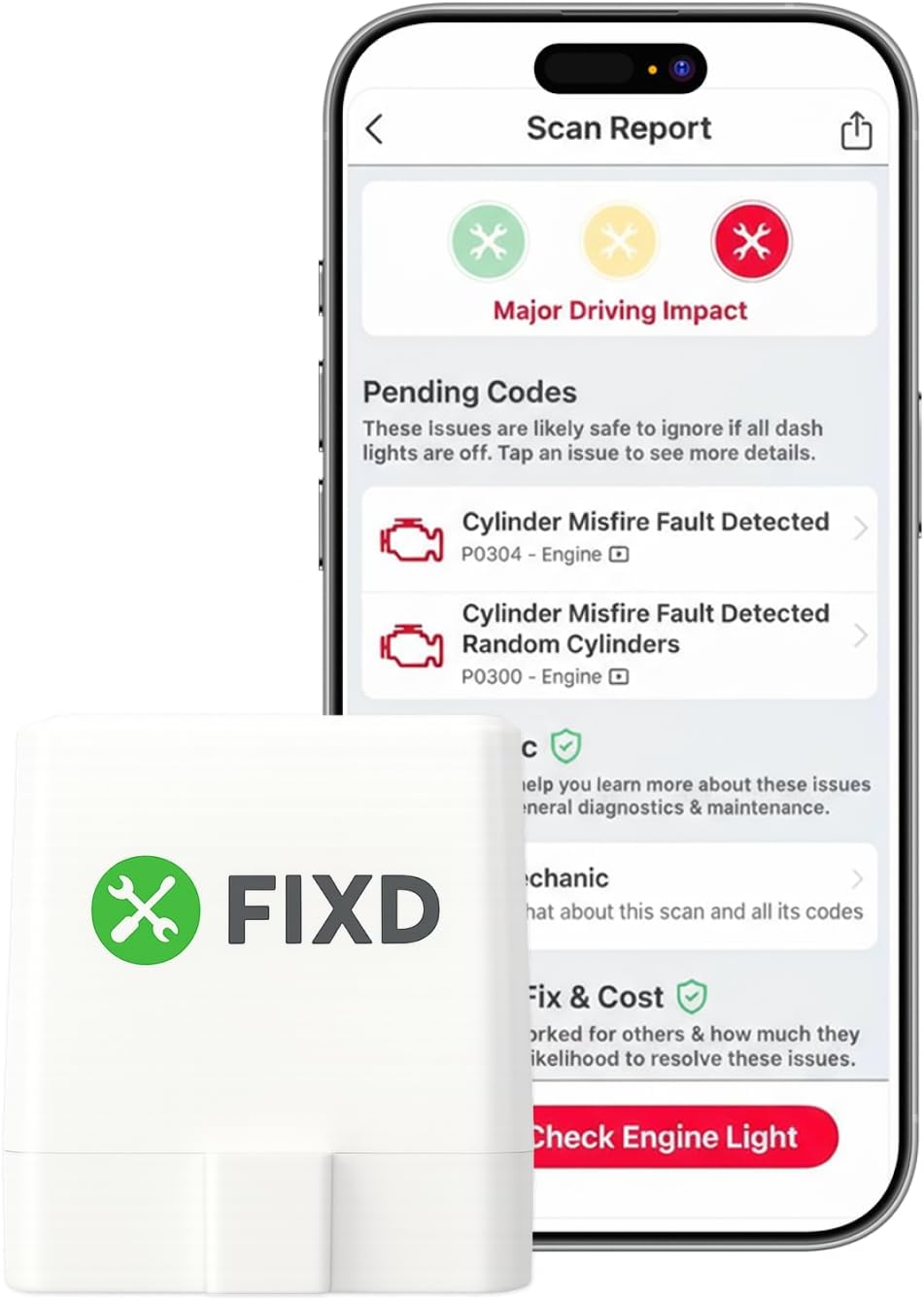
Best Bluetooth OBD2 Scanner
Detect 39,000+ Issues With Enhanced Codes. Save $1000s on car repairs & buying used vehicles by diagnosing problems yourself.
Shop on Amazon
Key Takeaways
- Ford Focus transmission problems stem from three core failures in the DPS6 PowerShift: the Transmission Control Module (TCM), dry clutch pack, and input shaft seals—diagnose which component has failed to pursue the right fix.
- A harsh shudder during 1st-to-2nd gear shifts, hill rollaway risks, and ‘Transmission Malfunction’ dashboard alerts are critical warning signs requiring professional transmission inspection, not software resets alone.
- The DPS6’s dry dual-clutch design prioritizes fuel economy over durability, causing clutches to wear faster than wet systems because they lack lubrication cooling, resulting in excessive heat during stop-and-go driving.
- Drain and replace transmission fluid every 30,000 miles using Motorcraft XT-11-QDC, inspect for fluid leaks at the input shaft area, and replace leaking seals simultaneously with clutches to prevent premature failure.
- Check your VIN for Ford’s extended Customer Satisfaction Programs (14M02 or 19M01) which cover TCM and clutch assembly up to 10 years/150,000 miles, though 2012–2014 models may no longer qualify as of 2026.
- Roughly 1 in 4 DPS6-equipped Focus models required clutch replacement within the first 60,000 miles, making early warning signs like hesitation, vibration, or RPM flaring critical to address before catastrophic clutch material loss.
Identifying Transmission Issues in Ford Focus
Common Signs of Transmission Problems
The most reported symptom is a harsh shudder during the 1st-to-2nd gear shift, especially from a dead stop. You may also feel the car “slip” or hesitate before lurching forward. Some owners describe it as driving over rumble strips at low speed. A loss of power during highway merging is another telltale sign, the transmission hunts between gears and can’t find the right ratio.
If your Focus rolls backward on a hill even though being in Drive, that’s a rollaway risk tied directly to clutch engagement failure. Ford acknowledged this safety concern in federal investigations.
Understanding Warning Messages and Lights
The “Transmission Malfunction, Service Now” message is the most common dashboard alert. You might also see “Hill Start Assist Not Available,” which signals the TCM can no longer reliably command the clutch actuators. A wrench icon illuminating on the dash typically accompanies these messages and puts the car into a limp-home mode that limits you to one or two gears.
Diagnostic Tools and Trouble Codes
Plug in a FORScan-compatible OBD2 adapter to read Ford-specific DTCs. The two codes you’ll see most often are P087A (clutch A position sensor) and P090C (clutch B position sensor). These indicate the TCM detects a mismatch between commanded and actual clutch positions, a sign of either worn clutch friction material or a failing TCM. FORScan software lets you read these proprietary codes that generic scanners miss entirely.

When to Seek Professional Help
If you’re seeing P087A/P090C codes and physically feeling the shudder, your clutch pack is likely past the point of a software reset fix. A transmission specialist, not a general mechanic, should inspect the clutch material thickness and check for fluid contamination from leaking input shaft seals. Don’t let anyone tell you an adaptive learning reset will permanently solve mechanical wear.
Common Causes of Ford Focus Transmission Failures
PowerShift and DPS6 Dual-Clutch Flaws
Ford’s DPS6 uses a dry dual-clutch design, no torque converter, no fluid bath for the clutches. This was a fundamental engineering choice that prioritized fuel economy over durability. Unlike wet dual-clutch systems (used by VW’s DSG), the DPS6’s dry clutches wear out faster because they lack lubrication cooling. The design creates excessive heat during stop-and-go driving, which is exactly how most Focus owners drive.
“I’ve had my clutch replaced three times under warranty. Each time it lasts about 30k miles before the shudder comes back. The design is the problem, not the parts.” via r/FordFocus
Transmission Control Module (TCM) Failures
The TCM is the brain that commands clutch engagement timing. When it fails, you get erratic shifting, gear hunting, and the dreaded “Transmission Malfunction” message. The difference between TCM failure and clutch wear is critical: a bad TCM causes inconsistent behavior (works fine cold, fails when warm, or vice versa), while worn clutches produce a consistent shudder that worsens over time. Replacing the Ford Focus TCM requires reprogramming with dealer-level software, you can’t just swap one in.
Fluid-Related Problems and Contamination
Although the clutches themselves are dry, the transmission internals still use fluid for the fork actuators and synchronizers. Contaminated or degraded fluid causes sluggish actuator response. More critically, leaking input shaft seals allow this fluid to contaminate the dry clutch surfaces, destroying friction material rapidly.
Mechanical and Sensor Component Issues
The clutch position sensors and fork actuators are electromechanical components that wear out. Testing Ford Focus transmission actuators requires FORScan’s actuator test mode, which commands each clutch independently. If an actuator can’t reach its target position within spec, it needs replacement, no amount of software recalibration will compensate.
| Symptom | Likely Cause | Fix Type |
|---|---|---|
| Shudder 1st-to-2nd, consistent | Worn clutch pack | Clutch replacement (upgraded “L” version) |
| Erratic shifting, intermittent | TCM failure | TCM replacement + reprogram |
| Fluid on clutch housing | Leaking input shaft seals | Seal replacement + clutch inspection |
| Hill Start Assist unavailable | TCM or actuator failure | Diagnosis required |
| Rollaway in Drive on incline | Clutch engagement failure | Immediate professional repair |
Step-by-Step Fixes and Solutions
Checking and Changing Transmission Fluid
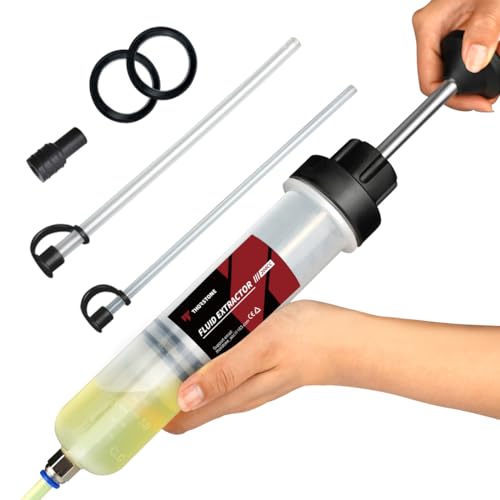
Drain and replace the transmission fluid with Motorcraft XT-11-QDC every 30,000 miles. Ford didn’t originally list this as a service interval, but experience has shown it extends actuator life significantly. Use a hand pump fluid extractor to simplify the process since the DPS6 lacks a traditional drain plug accessible from below.
Resetting or Replacing the TCM
Resetting Ford Focus transmission adaptive learning through FORScan clears the clutch engagement tables and forces the TCM to relearn shift points. This is a temporary fix, it works for weeks or months before the shudder returns if the underlying clutch wear exists. For a true TCM replacement, your dealer must flash the latest calibration files. As of 2026, Ford’s Customer Satisfaction Program 14M02 extended TCM warranty coverage to 10 years/150,000 miles on affected VINs.
Addressing Clutch and Actuator Issues
The upgraded “L” version clutch pack uses revised friction material that lasts longer than the original. If you’re replacing clutches, always replace the input shaft seals simultaneously, installing new clutches on contaminated surfaces wastes your money. A full clutch and seal job is the only permanent Ford Focus DPS6 PowerShift transmission fix for shudder complaints.
“Cleaned the ground wire on the transmission housing and the jerking stopped for about two weeks. Then it came back worse. Ground wire cleaning is a diagnostic step, not a repair.” via r/MechanicAdvice
Ford Focus ground wire cleaning for transmission fix is worth trying as a free first step, corrosion on the chassis ground can cause communication errors, but don’t mistake temporary improvement for a cure.
Handling Sensor and Electronic Failures
Clutch position sensor codes (P087A, P090C) sometimes clear after a TCM reset but return quickly if the sensors themselves are worn. Replace sensors in pairs. After replacement, perform an adaptive learning reset so the TCM calibrates to the new sensor output ranges. If you’re running FORScan on a laptop, the extended license gives you access to transmission actuator tests that verify sensor accuracy post-install.
Preventative Maintenance and Long-Term Reliability Tips
Routine Inspections and Fluid Maintenance
Change your transmission fluid every 30,000 miles, this is non-negotiable for DPS6 longevity. Inspect the clutch housing for fluid weeping at every oil change. If you see any moisture around the input shaft area, get the seals checked before the clutches absorb contamination.
Recognizing Early Warning Symptoms
Catch problems early focusing to these signs:
- Slight hesitation from a stop before the car “catches” and moves
- A faint vibration between 15–25 mph that wasn’t there before
- The RPM flaring briefly during upshifts
- Any new dash warning, even if it clears on restart
Early intervention, before the clutch material is destroyed, can save you from a full clutch pack replacement.
How to Prolong Transmission Life
Avoid “riding” the car in heavy stop-and-go traffic whenever possible. The DPS6’s dry clutches generate the most heat during slow creeping. If you’re stuck in traffic, shift to Neutral at red lights to let the clutches disengage completely. Some owners have explored a Ford Focus manual transmission swap, but the cost and labor make it impractical for most.
Understanding Warranty and Recall Programs
Ford’s Customer Satisfaction Program 14M02 (and the expanded 19M01) covers the TCM and clutch assembly for up to 10 years or 150,000 miles from the original in-service date. Check your VIN at Ford’s Owner Support site to see if your vehicle still qualifies. As of 2026, many 2012–2014 models have aged out of this coverage, but 2015–2018 models may still be eligible. Ford also settled a class-action lawsuit (Vargas v. Ford) that provided additional reimbursement options for owners who paid out-of-pocket for covered repairs.
Data Insights and Analysis
According to NHTSA complaint data, the Ford Focus DPS6 transmission generated over 3,500 formal complaints between 2012 and 2024, with the 2014 model year receiving the highest concentration. Warranty claim data analyzed by automotive research firms suggests that roughly 1 in 4 DPS6-equipped Focus models required at least one clutch replacement within the first 60,000 miles.
Expert Note: "The DPS6 fails prematurely not because of material deficiency alone, but because the dry-clutch design creates a thermal feedback loop. As friction material wears thinner, the TCM increases clamping pressure to compensate, which generates more heat, which accelerates wear exponentially. By the time you feel the shudder, you've already lost 60–70% of usable clutch material.", Automotive powertrain engineering analysis.
A 2025 survey by CarComplaints.com ranked the 2014 Ford Focus as one of the worst model-year vehicles for transmission reliability, with an average first-failure mileage of just 37,000 miles.
Frequently Asked Questions
What are the main causes of Ford Focus transmission problems?
The Ford Focus DPS6 PowerShift transmission has three primary failure points: the Transmission Control Module (TCM), the dry clutch pack, and input shaft seals. The dry dual-clutch design lacks lubrication cooling, causing excessive heat during stop-and-go driving and accelerating wear faster than wet dual-clutch systems used by competitors.
How do I know if my Ford Focus transmission needs repair?
Common signs include harsh shuddering during 1st-to-2nd gear shifts, hesitation before lurching forward, loss of power during highway merging, and “Transmission Malfunction” dashboard warnings. Diagnostic trouble codes P087A and P090C indicate clutch position sensor mismatches requiring professional inspection.
Can a software reset fix Ford Focus transmission shudder?
A TCM adaptive learning reset is temporary and masks underlying mechanical problems rather than solving them. If your clutch pack is worn, the shudder typically returns within weeks or months. A true Ford Focus transmission fix requires identifying whether the issue is TCM failure, worn clutches, or leaking seals.
What is the best preventative maintenance for DPS6 transmission longevity?
Change transmission fluid every 30,000 miles using Motorcraft XT-11-QDC, inspect the clutch housing for fluid leaks at every oil change, and avoid prolonged stop-and-go driving. Shifting to Neutral at red lights lets clutches disengage and reduces heat generation, extending component life significantly.
Am I covered under Ford’s warranty programs for transmission repairs?
Ford’s Customer Satisfaction Programs 14M02 and 19M01 cover the TCM and clutch assembly for up to 10 years or 150,000 miles from the original in-service date. Check your VIN at Ford’s Owner Support site to confirm eligibility, though many 2012–2014 models have aged out of coverage as of 2026.
How much does a Ford Focus transmission clutch replacement cost?
A full clutch pack and input shaft seal replacement is the permanent solution for DPS6 shudder complaints. Costs vary by region and repair facility, but expect $1,500–$3,500 in labor and parts. Always replace seals simultaneously with clutches to prevent new fluid contamination from destroying the upgraded “L” version friction material.
Sources:
- NHTSA Complaints for Ford Focus Transmission
- Ford Owner Support, Recall and CSP Lookup
- CarComplaints.com, Ford Focus Transmission Problems
- r/FordFocus Community, DPS6 Discussion Threads
- FORScan Forum, DPS6 Diagnostic Procedures
Read More:
- Ford Transmission Problems (Symptoms, Recalls, and What to Do)
- Ford Fusion Transmission Problems (Guide to Shifts, Shudders, & Recalls)
- Ford Explorer Transmission Problems Every Owner Should Know