
If your Ford Fusion jerks between gears or hesitates leaving Park, you’re not alone. Transmission failures are the most reported mechanical issue across 2013–2020 Fusion models.
The most common Ford Fusion transmission problems stem from three core failures: a deteriorating shift cable bushing that can let your car roll away in Park, harsh 2-3 upshifts caused by valve body wear inside the 6F35 six-speed automatic, and torque converter shudder that mimics a misfire at highway speeds. Ford has issued multiple recalls and technical service bulletins (TSBs) addressing these issues, but many owners still face out-of-pocket repairs depending on mileage and model year. Identifying whether your symptom is a software calibration glitch, a physical linkage failure, or an internal hydraulic problem is the critical first step before spending money.

Key Takeaways
- Ford Fusion transmission problems are most common in 2013–2016 models, with the 6F35 automatic exhibiting harsh 2-3 upshifts, slipping gears, and torque converter shudder as primary failure modes.
- The shift cable bushing recall (18V-743) affects over 1.3 million Fusions and creates a serious rollaway risk—if your car rolls after shifting to Park, stop driving and contact your dealer immediately for a free replacement.
- Transmission slipping at highway speeds or delayed engagement from Park typically signals worn clutch packs or low fluid pressure; regular Mercon LV fluid changes every 60,000 miles are the most cost-effective preventive maintenance.
- A PCM software update (TSB 23-2346) can sometimes resolve harsh shifting on 2017–2020 models, so request a free dealer reflash before approving expensive transmission repair or replacement.
- NHTSA complaints and legal action, including filing complaint reports and exploring lemon law claims, can pressure Ford into warranty coverage for premature transmission failure—documented complaints directly influence future recalls and settlements.
Common Issues and Warning Signs
Before you panic or start pricing a full rebuild, learn to read the symptoms. Your Fusion is giving you clues, you just need to know what they mean.
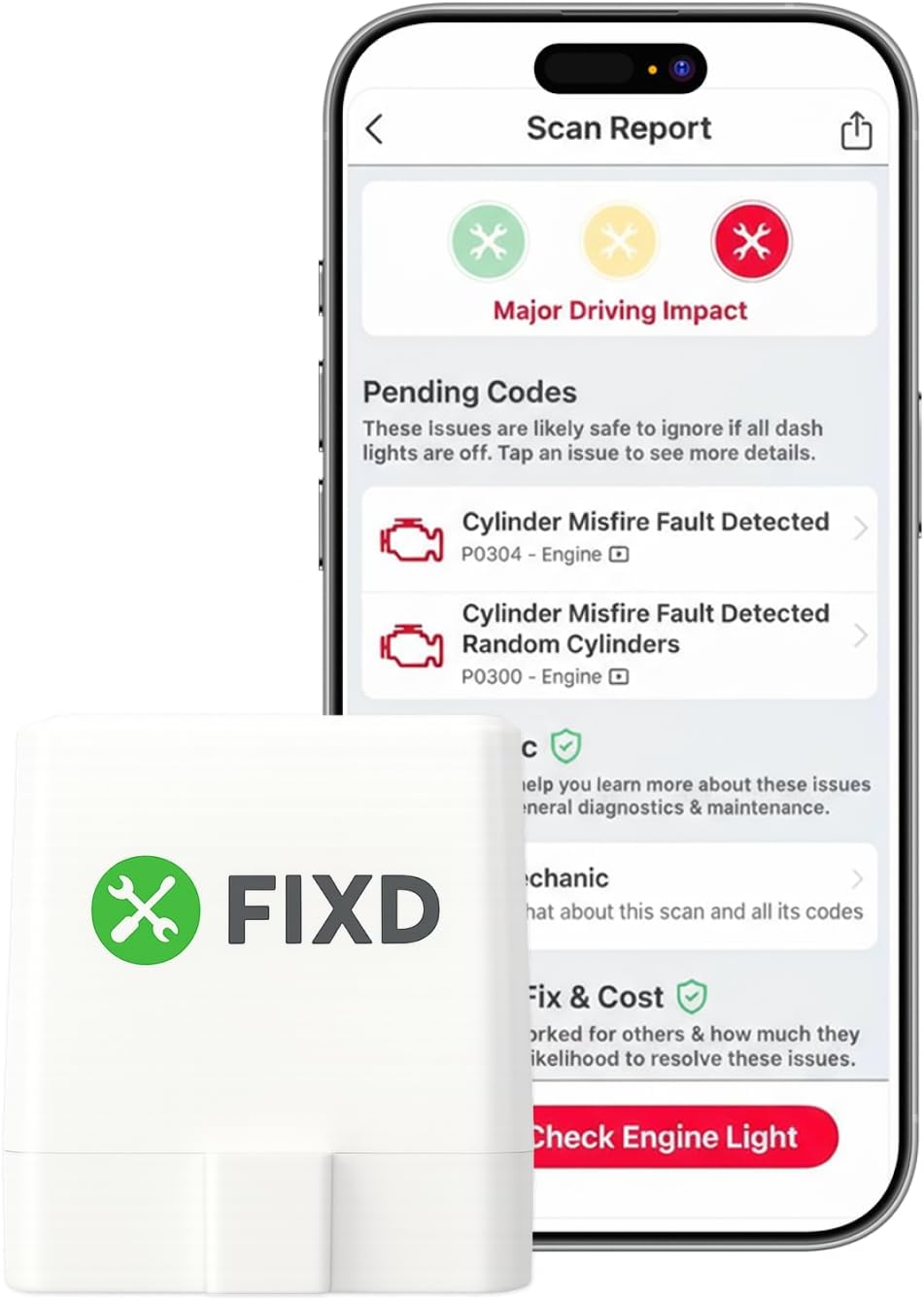
Best Bluetooth OBD2 Scanner
Detect 39,000+ Issues With Enhanced Codes. Save $1000s on car repairs & buying used vehicles by diagnosing problems yourself.
Shop on AmazonSlipping Gears and Transmission Slippage
Transmission slipping at 40 mph is one of the most frequently reported Ford Fusion complaints. You’ll feel the engine RPM climb without a corresponding increase in speed, as if the transmission momentarily loses its grip. This often triggers diagnostic trouble codes like P0732 (Gear 2 Incorrect Ratio) or P0734.
Slipping usually points to worn clutch packs or low transmission fluid pressure inside the 6F35. If you notice it only when the fluid is cold, degraded friction material is the likely culprit. Don’t ignore this, continued driving accelerates internal damage.
Delayed Shifting and Engagement
A Ford Fusion transmission delay in reverse, that two-to-three-second pause after you shift from Park to Reverse, signals low line pressure or a sticking valve in the valve body. Some owners report the same hesitation going into Drive.
This symptom worsens in cold weather. Ford Fusion jerky shifting when cold often resolves temporarily as the fluid warms and thins out, but the underlying cause (worn seals or a failing solenoid) doesn’t fix itself.
Hard and Rough Shifting
The infamous Ford Fusion 6F35 transmission harsh shift 2-3 feels like someone rear-ended you at low speed. It’s abrupt, jarring, and unmistakable. This hard upshift between second and third gear is the single most common drivability complaint on 2013–2016 models.
“My 2014 Fusion slams into 3rd gear every single time. Dealer reprogrammed the TCM twice, helped for a week then came right back.” via r/fordfusion
A PCM software update can sometimes recalibrate shift points, but if the valve body bore is physically worn, software alone won’t solve it.
Transmission Shudder and Unusual Noises
Ford Fusion torque converter shudder symptoms feel like driving over rumble strips at 40–60 mph. You may also hear a whining or buzzing from the transmission tunnel. Hybrid owners specifically report Ford Fusion hybrid eCVT transmission noise, a high-pitched electric motor whine that differs from conventional gear noise.
Shudder often indicates contaminated torque converter fluid or worn clutch lining inside the converter itself. A fluid change with Mercon LV can sometimes quiet the shudder temporarily.
Known Faults by Model, Engine, and Year
Not every Fusion suffers the same problems. Your engine, drivetrain, and model year determine which failures you’re most likely to face.
6F35 Automatic Transmission and Related Failures
The 6F35 six-speed automatic pairs with the 1.5L EcoBoost, 2.0L EcoBoost, and 2.5L Duratec engines. It’s a solid unit in theory, but high-mileage examples develop valve body wear, solenoid sticking, and clutch pack degradation. Replacing Ford Fusion transmission solenoids is a common intermediate repair before a full rebuild becomes necessary.
Shifter Cable Bushing and Rollaway Risk
The Ford Fusion shift cable bushing recall (NHTSA Recall 18V-743) covers 2013–2016 models where a plastic bushing in the shifter cable degrades and detaches. When this happens, the transmission may not actually be in Park even though the shifter indicates it is, creating a serious rollaway risk. Ford expanded this recall to cover over 1.3 million vehicles. If your Fusion rolls after you shift to Park, do not drive it, contact your dealer immediately for the free bushing replacement.
Hybrid and Energi Plug-In Transmission Differences
Fusion Hybrid and Energi models use an eCVT (electronically controlled continuously variable transmission) that operates fundamentally differently from the 6F35. There are no physical gear changes, two electric motor-generators manage power blending. Common complaints center on inverter cooling system leaks and high-voltage battery degradation affecting drivetrain performance rather than traditional gear slipping.
Problematic Model Years to Avoid
Based on NHTSA complaint volume and recall history, here’s a quick comparison:
| Model Year | Transmission Type | Primary Risk | Recall Coverage |
|---|---|---|---|
| 2013–2014 | 6F35 | Hard 2-3 shift, bushing failure | Yes (18V-743) |
| 2015–2016 | 6F35 | Valve body wear, rollaway | Yes (18V-743) |
| 2017–2018 | 6F35 | Torque converter shudder | TSB only |
| 2019–2020 | 6F35/eCVT | Software calibration issues | TSB only |
The 2013 and 2014 model years generate the highest complaint density. Used car buyers should request transmission service records before purchasing any high-mileage Fusion from these years.
Root Causes and Technical Explanations
Understanding why these failures happen helps you make smarter repair decisions.
Valve Body Wear and Solenoid Failures
The 6F35’s valve body uses aluminum bore surfaces that wear over time, allowing hydraulic fluid to bypass intended channels. This pressure loss causes delayed or harsh shifts. Individual shift solenoids can also stick due to debris in the fluid, and replacing Ford Fusion transmission solenoids is often the first repair attempt. A Ford Fusion adaptive learning reset tool like FORScan can clear adaptive shift tables after solenoid replacement, forcing the TCM to relearn clean shift parameters.
Torque Converter and Flexplate Weaknesses
Torque converter shudder in the Fusion typically starts between 60,000 and 90,000 miles. The converter’s internal lockup clutch wears unevenly, creating a vibration that feels like engine misfire. In severe cases, the flexplate (the thin metal disc connecting engine to converter) develops stress cracks. You’ll hear a metallic ticking at idle that disappears under load.
Transmission Fluid Issues and Leaks
Ford specifies Mercon LV fluid for the 6F35. Using incorrect fluid or neglecting Ford Fusion transmission fluid change vs flush intervals accelerates clutch wear. Ford Fusion transmission cooler leak symptoms include fluid pooling under the car and a sweet burning smell, the cooler lines running to the radiator are a known weak point on 2013–2016 models.
- Check fluid level and color every 30,000 miles
- Dark brown or burnt-smelling fluid signals internal damage
- Milky pink fluid indicates coolant contamination from a cooler breach
- Low fluid with no visible leak suggests an internal seal failure
A quality OBD2 scanner like the FOXWELL NT301 lets you pull live transmission data and trouble codes (P0732, P0734, P0741) without a dealer visit. For hands-on fluid maintenance, a Mityvac 7201 Fluid Evacuator makes DIY transmission fluid exchanges much cleaner than traditional drain-and-fill methods.


Transmission Control Module and Software Glitches
Symptoms of a failing PCM in Ford Fusion include erratic shifting, false neutral conditions, and limp mode activation. Ford released a 2026 Ford Fusion transmission software update (TSB 23-2346, revised) recalibrating shift schedules for 2017–2020 models. Before replacing hardware, ask your dealer to check for outstanding reflash updates, a free software correction sometimes eliminates the harsh shift entirely.
Repairs, Recalls, and Cost Considerations
Transmission Repair Procedures and Costs
Repair scope depends entirely on your diagnosis. A shift cable bushing takes 30 minutes and a $15 part. A solenoid pack replacement runs a few hours of labor. A full 2014 Ford Fusion transmission replacement cost in 2026 varies significantly depending on whether you choose remanufactured or new, always get multiple quotes.
Recent Ford Recalls and TSBs
Key recalls and bulletins affecting Fusion transmissions include:
- NHTSA Recall 18V-743: Shift cable bushing, 2013–2016 models
- NHTSA Recall 19V-816: Shift cable bushing expansion to additional VINs
- TSB 23-2346: TCM recalibration for harsh shifting, 2017–2020 models
Check your VIN at NHTSA’s recall lookup tool to confirm coverage.
Preventive Maintenance and Fluid Changes
Ford’s “lifetime fill” recommendation for the 6F35 is misleading. Experienced technicians recommend a drain-and-fill every 60,000 miles using Mercon LV. Avoid full flushes on high-mileage units, the pressure can dislodge debris and clog valve body passages. Regular fluid changes are the single cheapest insurance against premature transmission failure.
Legal Options, Consumer Complaints, and Solutions
If your Fusion’s transmission failed prematurely and the dealer refused warranty coverage, you have options. File a complaint with NHTSA’s Vehicle Complaint Database, complaint volume directly influences future recalls. Some owners have pursued lemon law claims or joined class action settlements, particularly for 2013–2014 models with repeat 6F35 failures.
“Filed NHTSA complaint and Ford covered 75% of my rebuild at 98k miles. Don’t skip the complaint, it gives you leverage.” via r/fordfusion
Data Insights and Analysis
According to NHTSA complaint data, the Ford Fusion 6F35 transmission accounts for over 3,800 individual complaints across 2013–2020 model years, with 2014 alone generating the highest single-year volume. CarComplaints.com ranks the 2014 Fusion’s transmission as a “Beware of the Clunker” category, the worst designation in their system.
Expert Note: The 6F35's hard 2-3 upshift isn't simply a calibration problem, it results from aluminum valve body bore elongation caused by hydraulic pressure cycling over 60,000+ miles. Once bore tolerances exceed specification, no software reflash can restore clean shift quality. The only permanent fix is valve body replacement or an upgraded aftermarket valve body with hardened sleeves.
Frequently Asked Questions
What are the most common Ford Fusion transmission problems?
The three primary Ford Fusion transmission problems are a deteriorating shift cable bushing that can cause rollaway in Park, harsh 2-3 upshifts from valve body wear in the 6F35 automatic, and torque converter shudder at highway speeds. These issues affect 2013–2020 models most frequently.
Why is my Ford Fusion transmission slipping at 40 mph?
Transmission slipping usually indicates worn clutch packs or low transmission fluid pressure inside the 6F35. The engine RPM climbs without speed increase. This generates trouble codes like P0732. Address it immediately, as continued driving accelerates internal damage.
How much does a Ford Fusion transmission replacement cost?
Costs vary significantly based on whether you choose a remanufactured or new transmission. Minor repairs like shift cable bushing replacement cost $15–30 in parts. Full replacements can range from $1,500–$3,500+. Always obtain multiple quotes before deciding.
Can a software update fix Ford Fusion harsh shifting?
A PCM software update can sometimes recalibrate shift points and may eliminate harsh 2-3 shifting temporarily. However, if the valve body bore is physically worn, software alone won’t provide a permanent solution. Hardware replacement becomes necessary for lasting results.
What should I do if my Ford Fusion won’t shift out of Park?
A sticking transmission or failed shift cable bushing prevents proper Park engagement. Don’t force the shifter. Have the vehicle towed to a dealer. If it’s the recalled bushing (NHTSA 18V-743 for 2013–2016 models), Ford covers replacement for free.
How often should I change my Ford Fusion transmission fluid?
Despite Ford’s ‘lifetime fill’ claim, experienced technicians recommend a drain-and-fill every 60,000 miles using Mercon LV fluid. Avoid full flushes on high-mileage units, as pressure can dislodge debris. Regular fluid maintenance is the cheapest insurance against premature failure.
Sources:
- NHTSA Recall & Complaint Database, Ford Fusion
- CarComplaints.com, Ford Fusion Transmission Problems
- r/fordfusion, Reddit Community
- FORScan, Ford Diagnostic Software
- Ford Owner, Recall & TSB Lookup
Read More: