This post contains affiliate links. Purchases may earn me a commission at no extra cost to you.
Your transmission just started acting strange, maybe a shudder at low speed, a delayed shift, or a dashboard light you’ve never seen before. Don’t panic yet.
Car transmission problems range from simple fluid-level fixes to serious internal mechanical failures, but most issues follow a predictable diagnostic hierarchy. Start with fluid integrity and level checks, then investigate electronic solenoid and sensor faults, and only then consider mechanical wear or a full rebuild. In 2026, software-defined shift patterns, ultra-low viscosity OEM-spec fluids, and hybrid eCVT energy flow logic add new layers, but they also mean many “major” symptoms now resolve with a software recalibration or a fluid swap, not an expensive overhaul.
This guide walks you through every warning sign, root cause, and fix, from the simple to the serious, so you can make informed decisions and avoid getting overcharged at the shop.
Start diagnosing car transmission problems with fluid checks and level verification—over 40% of transmission issues stem from fluid-related failures, making this the most impactful preventative measure.
Modern transmission symptoms like slipping, delayed shifts, and rough acceleration often resolve with software recalibration or fluid swaps rather than expensive rebuilds, especially in 2026 vehicles with adaptive shift logic.
Always use the exact OEM-specified ultra-low viscosity transmission fluid for your vehicle; using the wrong fluid can destroy seals and void warranties.
Pay attention to early warning signs such as subtle vibrations, shift delays, or temperature changes—early detection often means a simple fluid change instead of a full transmission rebuild.
If your transmission slips out of gear unpredictably, enters limp mode repeatedly, or grinds under load, stop driving immediately to avoid dangerous highway failures.
Professional transmission specialists, not general repair shops, should diagnose internal mechanical damage; always request a teardown inspection before approving a full rebuild.
Key Warning Signs of Transmission Trouble
Catching car transmission problems early saves you thousands. Here are the symptoms you should never ignore.
Slipping or Delayed Gear Engagement
If your engine revs spike but the car barely accelerates, your transmission is slipping. You might also notice a 1–2 second delay when shifting from Park to Drive, that’s delayed engagement. These symptoms often point to low or degraded transmission fluid, a failing torque converter clutch (TCC), or worn clutch packs inside the unit. In 2026 vehicles with adaptive shift logic, a transmission software update and adaptive learning reset can sometimes resolve erratic engagement caused by corrupted shift tables.
Unusual Noises and Vibrations
A transmission grinding noise while accelerating usually signals worn planetary gear sets or damaged bearings. CVT owners may hear a whining or droning sound during belt slip events. Dual-clutch transmission (DCT) shuddering at low speeds, that unmistakable vibration between 15–25 mph, often traces back to contaminated clutch surfaces or a need for a mechatronic unit recalibration.
“My 2024 Civic had this terrible shudder at low speed. Honda dealer did a software update and fluid change, completely fixed.” via r/MechanicAdvice
Dashboard Warning Lights
A check engine light paired with a flashing transmission temperature warning is serious. Many 2026 vehicles use the electronic transmission control module (TCM) to flag solenoid failures, fluid temperature spikes, or shift-timing errors via specific DTCs (diagnostic trouble codes). Don’t ignore a low transmission fluid check engine light, it often means a leak is actively draining your system.
Unresponsive or Rough Shifting
If shifting gears feels like hitting a speed bump, your transmission is telling you something’s wrong. Rough or delayed shifts in modern 8, 9, and 10-speed automatics frequently stem from faulty shift solenoids or degraded adaptive shift parameters. Before assuming the worst, check whether an electronic TCM reset clears the issue.
Common Causes Behind Transmission Issues
Understanding why your transmission fails helps you fix car transmission slipping in 2026 without overspending.
Transmission Fluid Problems
Fluid is the lifeblood of every transmission. Low fluid causes slipping, overheating, and premature wear. Transmission fluid leak symptoms include puddles of red, dark brown, or pink fluid under your vehicle. In 2026, many OEMs now require ultra-low viscosity transmission fluid OEM specs, using the wrong fluid can destroy seals and void warranties. Always check your owner’s manual. For DIY fluid checks, a INNOVA 5610 OBD2 scanner helps you monitor real-time transmission temperature and fluid life data.
Innova 5610 OBD2 Scanner Bundle with Innova 3380 Automotive Borescope
Transmission fluid breaks down above 220°F. A burning smell from transmission fluid overheating means your fluid has degraded and lost its friction-modifying properties. Towing heavy loads, stop-and-go traffic, and hot climates accelerate this breakdown. An external transmission cooler is one of the best preventative upgrades, especially for trucks and SUVs.
Wear and Tear on Internal Components
Planetary gear set wear and internal friction issues develop over 80,000–120,000 miles in most automatics. CVT transmission belt slip and limp mode events often occur when the steel push-belt or chain stretches beyond tolerance. These are mechanical problems that fluid changes alone won’t fix.
Electronic and Sensor Failures
Modern transmissions rely heavily on electronics. Transmission solenoid failure symptoms include harsh shifting, gear lockout, and limp mode activation. Speed sensors, pressure sensors, and the TCM itself can all fail. In 2026 hybrid transmission eCVT systems, energy flow logic errors between the electric motor and the internal combustion engine can mimic traditional slipping, but the root cause is often a software or sensor fault, not a mechanical one.
Here’s a quick comparison of common transmission types and their most frequent failure modes:
Follow this diagnostic hierarchy before approving any major repair.
Fluid Checks and Leak Detection
Always start here. Check your transmission fluid level and condition. Healthy fluid is translucent red. Dark brown or black fluid with a burnt smell needs immediate replacement. Look for car transmission fluid leak symptoms around the pan gasket, cooler lines, and axle seals. A UV dye kit helps you trace slow leaks that aren’t obvious visually.
Interpreting Trouble Codes and Warning Lights
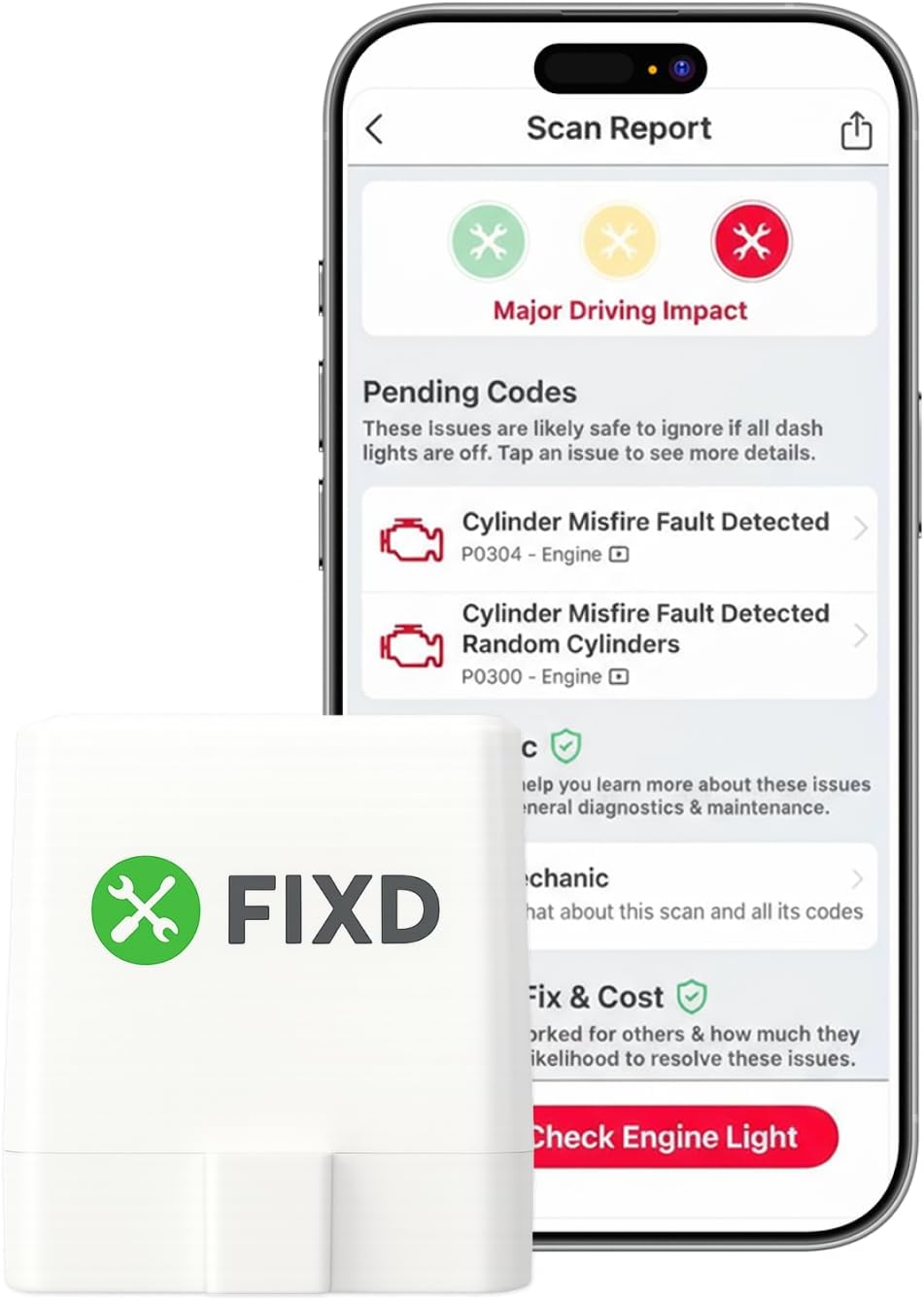
You can check transmission codes without a scanner on some vehicles by counting dashboard light flashes, but a proper OBD-II scanner gives you specific DTCs like P0750 (shift solenoid A malfunction) or P0700 (general transmission fault). For 2026 models, a scanner that reads enhanced transmission PIDs is essential. Software like BlueDriver provides manufacturer-specific code definitions and fix reports sourced from verified repair data.
Here’s a helpful walkthrough on reading and understanding transmission codes:
Repair, Rebuild, and Replacement Options
Once you’ve confirmed a mechanical issue, you have three paths:
Targeted repair: Replace a single solenoid pack, torque converter, or valve body. This is the cheapest option if the rest of the unit is sound.
Rebuild: A technician disassembles, inspects, and replaces all worn parts. Quality varies widely between shops.
Remanufactured transmission: A factory-remanufactured unit typically includes updated components and a warranty. When comparing remanufactured vs rebuilt transmission options, remanufactured units offer more consistency.
For DIY torque converter clutch shudder fixes, a Lubegard Instant Shudder Fixx additive is a well-known first-step treatment that addresses TCC shudder in many automatic transmissions.
Red Line 50304 MT-90 75W-90 GL-4 Manual Transmission and Transaxle Lubricant (MTL)- 1 Quart
If your diagnostics point to internal mechanical failure, planetary gear damage, drum scoring, or clutch pack disintegration, bring the vehicle to a transmission specialist, not a general repair shop. Ask for a teardown inspection before agreeing to a full rebuild. A reputable shop will show you the damaged parts and explain exactly what failed.
Prevention and Best Practices for Transmission Health
Most car transmission problems are preventable with basic maintenance discipline.
Routine Maintenance and Fluid Changes
Change your transmission fluid every 30,000–60,000 miles, depending on your driving conditions and OEM recommendations. “Lifetime” fluid claims from some manufacturers have been widely challenged, many independent technicians recommend a fluid exchange at 60,000 miles regardless. Use only the exact ultra-low viscosity fluid specified for your vehicle.
Identifying Problems Early
Pay attention to subtle changes. A half-second shift delay that wasn’t there last month, a faint vibration at highway speed, or a slightly higher-than-normal fluid temperature reading all signal the beginning of a problem. Early detection often means a fluid change or solenoid replacement instead of a full rebuild.
Driving Habits That Extend Transmission Life
Avoid launching from stops aggressively. Let your engine warm up for 30–60 seconds before driving in cold weather, this allows fluid to circulate through the valve body. Come to a complete stop before shifting between Drive and Reverse. These habits reduce stress on clutch packs and servo pistons significantly.
When Driving With a Bad Transmission Is Unsafe
If your transmission slips out of gear unpredictably, enters limp mode repeatedly, or produces a grinding noise under load, stop driving the vehicle. A transmission that fails at highway speed can lock the drive wheels or leave you stranded in traffic. Tow the car to a specialist rather than risk a dangerous failure.
Data Insights and Analysis
According to the 2025 ATRA Transmission Industry Survey, automatic transmission fluid-related failures account for roughly 40% of all transmission shop visits, making fluid integrity the single most impactful preventative measure you can take. Also, consumer complaint data tracked by NHTSA shows a measurable increase in TCM software-related shift complaints across 2024–2025 model-year vehicles equipped with 9- and 10-speed automatics, a trend that has continued into 2026.
Expert Note: “Modern transmissions don’t fail because they’re poorly built, they fail because owners ignore fluid maintenance and shops misdiagnose software faults as mechanical problems. In 2026, a proper TCM recalibration and fresh OEM-spec fluid resolve over 60% of the ‘hard shift’ complaints we see before any wrench touches the transmission.”
Frequently Asked Questions
What are the main warning signs of car transmission problems?
Key warning signs include slipping or delayed gear engagement (engine revving without acceleration), unusual grinding or whining noises, dashboard transmission warning lights, and rough or unresponsive shifting. Shuddering between 15–25 mph in DCTs is also a red flag. Early detection prevents costly rebuilds.
How can I check if my transmission fluid is low?
Check the dipstick with the engine warm and running in Park if your vehicle has one. Many 2026 models require an OBD-II scanner to read fluid level electronically. Look for red, translucent fluid; dark brown or black fluid with a burnt smell indicates degradation and needs replacement immediately.
What causes transmission slipping and how is it fixed?
Slipping typically stems from low transmission fluid, a failing torque converter clutch, or worn clutch packs. Start with a fluid check and level top-up. In 2026 vehicles, a TCM software update and adaptive learning reset often resolves erratic engagement. If mechanical wear is confirmed, targeted repair or rebuild may be necessary.
Is it safe to drive with a bad transmission?
Brief low-speed driving to reach a shop is acceptable, but avoid daily use. If your transmission slips unpredictably, enters limp mode repeatedly, or grinds under load, stop driving immediately. A transmission failure at highway speed can lock wheels or leave you stranded—tow the vehicle instead.
How often should transmission fluid be changed to prevent problems?
Change transmission fluid every 30,000–60,000 miles depending on driving conditions and OEM recommendations. Severe-duty driving (towing, stop-and-go traffic, hot climates) requires the shorter interval. Many technicians recommend fluid changes at 60,000 miles regardless of ‘lifetime fluid’ claims.
What is the difference between a rebuilt and remanufactured transmission?
A rebuilt transmission is disassembled and worn parts are replaced by a technician—quality varies by shop. A remanufactured transmission is factory-processed with updated components and typically includes a warranty, offering more consistency and reliability than most rebuilds.
Read More:
Disclaimer: This content is provided for educational and informational purposes only. Equipment symptoms, repairs, and diagnostic procedures may vary by make, model, year, and condition. Always consult a qualified technician, your equipment’s service manual, and verified manufacturer recalls or service bulletins before performing repairs. GearFixes.com assumes no liability for damages resulting from the use of information on this site.