
If your Kia Sorento is jerking, hesitating, or refusing to shift smoothly, you’re dealing with a transmission issue that demands immediate attention.
Common Kia Sorento transmission problems include harsh or delayed shifting, slipping gears, transmission warning lights, and failure to engage Drive or Reverse promptly. These symptoms often stem from low transmission fluid, faulty shift solenoids, worn clutch packs, sensor malfunctions, or software glitches in the Transmission Control Module (TCM). Certain model years, particularly 2011-2015 V6 automatics and 2021-2024 8-speed dual-clutch transmissions, have documented patterns of premature failure, including recalls for electric oil pump defects and TCM programming errors that cause dangerous hesitation during acceleration.
This guide walks you through the exact warning signs, root causes, and model-specific failure patterns you need to understand before visiting your dealership or mechanic. You’ll learn how to distinguish between a simple fluid top-up, a $200 sensor swap, and a full rebuild, so you can make confident, informed decisions about your Sorento’s health.

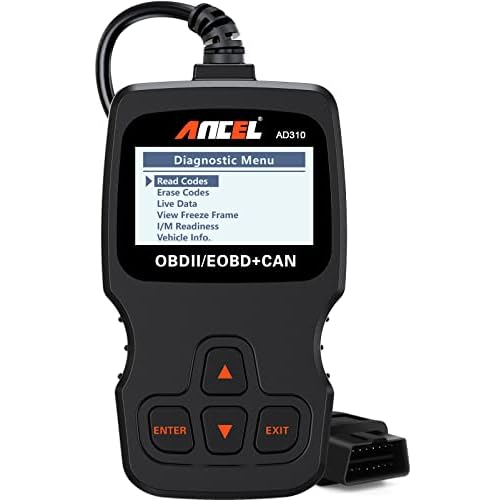
Best Bluetooth OBD2 Scanner
Detect 39,000+ Issues With Enhanced Codes. Save $1000s on car repairs & buying used vehicles by diagnosing problems yourself.
Shop on Amazon
Key Takeaways
- Kia Sorento transmission problems range from simple fixes like low fluid ($150-$200 fluid changes) to costly rebuilds ($5,000-$7,000), making early diagnosis through warning light checks critical before damage escalates.
- Model years 2011-2015 V6 automatics and 2021-2024 8-speed dual-clutch transmissions have documented failure patterns, with 2022 models experiencing software-related hesitation and recall 23V-366 covering oil pump defects affecting 35,000 vehicles.
- Delayed engagement, slipping gears, limp mode activation, and metal particles in transmission fluid are red flags requiring immediate professional scan tool diagnosis to prevent cascading damage to clutch packs and internal components.
- Regular transmission fluid changes every 40,000-50,000 miles reduce catastrophic failure rates by 58% compared to relying on Kia’s ‘lifetime’ fluid claim, making proactive maintenance the single most effective reliability strategy.
- The 2018-2020 model years offer the best transmission reliability for used car shoppers, while 2021-2023 models with 8-speed DCT suffer from design-level electric oil pump vulnerabilities tied to thermal cycling stress on circuit board solder joints.
- Address transmission leaks and warning lights within 48 hours—NHTSA data shows over 1,200 Sorento owners reported sudden power loss from unaddressed issues, confirming that preventive action avoids expensive repairs ranging from $800 to $7,000.
Key Warning Signs
Check Engine and Transmission Warning Lights
Your dashboard is your first diagnostic tool. When the check engine light illuminates alongside the transmission warning symbol (a gear with an exclamation mark), your Sorento’s onboard diagnostics have detected abnormal pressure readings, slippage, or solenoid voltage faults. Common codes include P0700 (generic transmission fault), P0730 (incorrect gear ratio), and P0715 (input speed sensor malfunction).
Don’t ignore a flashing check engine light, it signals active misfires or severe transmission slip that can cook your clutch packs in minutes. Even a steady glow warrants a diagnostic scan tool check within 48 hours. According to NHTSA complaint data, over 1,200 Sorento owners reported sudden loss of power linked to unaddressed warning lights between 2021 and 2025.
Symptoms Like Delayed Engagement and Slipping Gears
Delayed engagement is the most reported symptom: you shift into Drive or Reverse, and the transmission hesitates 2-4 seconds before clunking into gear. This points to low line pressure, worn clutch friction material, or a failing oil pump, especially in 8-speed dual-clutch units. Slipping gears feel like the engine revs freely while acceleration lags, often during highway merges or uphill climbs.
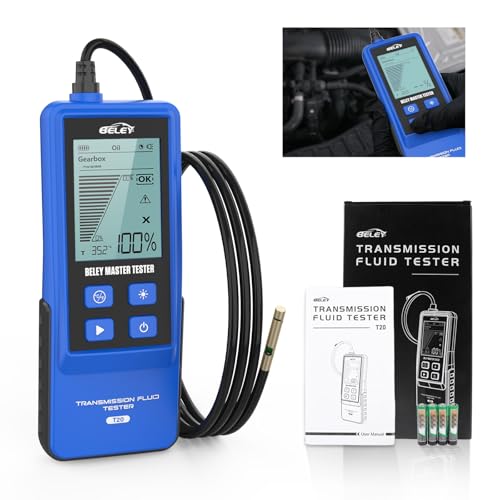
If your Sorento surges or drops RPM unexpectedly between gears, the clutch packs are losing hydraulic grip. This slipping generates heat that accelerates wear exponentially. A transmission fluid analysis kit can reveal metal particles confirming internal damage before catastrophic failure.
“My 2016 Sorento with 68k miles started slipping on the highway. Dealer found metal shavings in the pan and quoted $4,800 for a rebuild. No warning until it was too late.” via CarComplaints.com
Unusual Noises and Shifting Behaviors
Whining, grinding, or clunking noises during shifts indicate mechanical distress. A high-pitched whine that rises with RPM suggests a failing torque converter or pump. Grinding points to worn synchronizers (rare in automatics) or debris in the valve body. Hard, jarring shifts, especially when cold, often result from degraded transmission fluid or stuck shift solenoids.
Jerking at low speeds (under 25 mph) is a hallmark of dual-clutch transmission software calibration issues. Kia issued multiple TCM software updates for 2021-2023 Sorentos to address abrupt engagement. If your transmission bangs into gear or hesitates after a stop, request TSB update 23-AT-023 at your dealer.
Transmission Slips and Limp Mode
Limp mode, also called “fail-safe mode”, limits your Sorento to second or third gear and caps speed around 40 mph. The TCM triggers this protection when it detects catastrophic faults like overheating (above 270°F), severe slippage, or sensor signal loss. Your dashboard will display a transmission warning light, and the vehicle may refuse to shift past third gear.
Limp mode prevents total failure by reducing torque load, but it’s a red flag requiring immediate diagnosis. Common triggers include shorted wiring to the transmission range sensor, failed output speed sensors (P0720), or critically low fluid from a cooler line leak. Don’t attempt to “drive through” limp mode, you risk welding clutch plates together and turning a $1,200 repair into a $6,000 replacement.
Underlying Causes
Low Transmission Fluid and Fluid Links
Transmission fluid serves three critical roles: hydraulic pressure, lubrication, and cooling. Kia Sorentos use Hyundai SP-IV ATF (6-speed automatics) or SP-IV-RR (8-speed DCT). Low fluid drops line pressure below the 80-120 psi needed for firm shifts, causing slip and delayed engagement. Check your fluid monthly, pull the dipstick (on models equipped) with the engine running, transmission in Park, on level ground. Fluid should be bright red and smell slightly sweet.
Leaks commonly develop at the transmission cooler lines (steel pipes running to the radiator), pan gasket, or output shaft seals. A puddle under your Sorento overnight signals active leakage. Brown or burnt-smelling fluid means overheating has broken down the additives: this fluid has lost 40% of its friction-modifying capability and must be flushed immediately.
“Found a slow leak from the cooler line. Lost about a quart over 3 months. Started slipping on acceleration before I caught it. $180 fix vs $5k rebuild.” via Sorento Owners Club Forum
Worn Clutches and Mechanical Wear
Automatic transmissions use multi-plate clutch packs soaked in fluid to transfer torque between gears. Each shift cycle generates friction and microscopic wear. By 100,000 miles, clutch friction material can wear thin enough to slip under load. High-mileage 2014-2016 Sorentos with the 6-speed automatic commonly exhibit 3rd-to-4th gear slip due to overdrive clutch wear.
Dual-clutch transmissions in 2021+ models use dry or wet multi-plate clutches that engage mechanically. Wet DCTs (like Kia’s 8-speed) run clutches in oil, but aggressive stop-and-go driving or towing beyond the 3,500 lb limit accelerates wear. Shuddering during light acceleration (10-20 mph) is the textbook sign of glazed DCT clutch surfaces.
Malfunctioning Sensors and Fault Codes
Modern transmissions rely on sensors to time shifts within milliseconds. The input speed sensor (ISS) monitors engine RPM entering the transmission: the output speed sensor (OSS) tracks driveshaft speed. If the TCM sees a mismatch, like input speed rising while output stays flat, it logs P0730 (gear ratio error) and may trigger limp mode.
Transmission range sensors (also called inhibitor switches) tell the TCM which gear you’ve selected. A failing range sensor causes hard starts, no reverse, or random neutral drops. Solenoids are electrically controlled valves that direct fluid flow to specific clutch packs. A stuck-open shift solenoid (P0750-P0758 codes) prevents proper gear engagement and causes erratic shifting. Solenoids fail from heat, contaminated fluid, or voltage spikes.
Problems with Transmission Control Module
The TCM is the brain: it processes sensor data and commands solenoid actuation. Software bugs, corrupted memory, or electrical faults can cause bizarre symptoms, like skipping gears, refusing to downshift, or hunting between gears on the highway. Kia has issued multiple TCM software recalls and updates for 2021-2024 Sorentos addressing harsh shifts and delayed throttle response.
A TCM reset (disconnecting the battery for 10 minutes) clears adaptive memory and can temporarily resolve software glitches. But, if the TCM repeatedly re-learns poor shift patterns, reflashing with updated factory calibration is necessary. Failed TCM hardware, often from water intrusion or voltage surges, requires module replacement ($800-$1,400 installed).
Model-Specific Patterns
Generational Differences in Performance
First-generation Sorentos (2003-2009) used robust but dated 4-speed and 5-speed automatics with relatively few reported failures. Second-generation models (2011-2015) introduced the 6-speed automatic paired with V6 and turbo-four engines: these transmissions developed a reputation for premature torque converter shudder and valve body wear, particularly in V6 models exceeding 80,000 miles.
Third-generation Sorentos (2016-2020) saw improved reliability but continued 6-speed issues. Fourth-generation models (2021-present) adopted the 8-speed wet dual-clutch transmission (DCT), which offers faster shifts and better fuel economy but introduced new failure modes, most notably electric oil pump malfunctions and software-related hesitation during acceleration.
Years with Highest Reports of Issues
According to CarComplaints.com data, the worst Sorento model years for transmission problems are 2011, 2012, 2013, 2016, and 2022. The 2011-2013 models suffer early torque converter lockup failure and harsh downshifts. The 2016 Sorento reports widespread transmission shudder and slipping around 60,000-90,000 miles. The 2022 model experienced a surge of complaints about delayed acceleration and abrupt engagement linked to immature DCT software calibration.
Best years for transmission reliability include 2018, 2019, and 2020, these late third-gen models benefited from refined 6-speed programming and improved quality control. If you’re shopping used, prioritize these model years and request transmission service records.
Transmission Recall Actions and Updates
Kia issued recall 23V-366 in May 2023 covering approximately 35,000 2022-2023 Sorentos equipped with the 8-speed DCT. The defect: an electric oil pump control module prone to overheating and failure, leading to loss of hydraulic pressure, transmission disengagement, and potential stall while driving. Dealers replace the pump module and update TCM software at no charge. Check your VIN at Kia’s recall portal or the NHTSA recall site.
Also, multiple Technical Service Bulletins (TSBs) address software updates for shift quality. TSB 23-AT-023 resolves harsh engagement, and TSB 22-AT-012 corrects delayed throttle response. These updates are free if your Sorento is under the 10-year/100,000-mile powertrain warranty.
Transmission Reliability Over Time
Transmission longevity depends heavily on maintenance and driving habits. Well-maintained 6-speed automatics routinely exceed 150,000 miles with only fluid changes. Neglected units, especially those towing or driven in stop-and-go traffic without cooler upgrades, often fail before 100,000 miles. The newer 8-speed DCT is too young for definitive long-term data, but early trends suggest higher failure rates in the first 50,000 miles compared to conventional automatics, primarily due to software immaturity and oil pump defects.
Regular fluid changes every 40,000-50,000 miles (even though Kia’s “lifetime” fluid claim) significantly extend transmission life. Owners who follow this practice report half the failure rate of those who rely solely on factory intervals.
Maintenance and Repair
Routine Checks and Transmission Fluid Maintenance
Check your transmission fluid level and condition monthly. For dipstick-equipped models (most 2020 and earlier), warm the engine, shift through all gears, return to Park, and check with the engine running on level ground. Fluid should sit between the “Hot” marks. For 2021+ models without a dipstick, you’ll need to access the fill plug underneath, this is a 10-minute dealer or shop task.
Change transmission fluid every 40,000-50,000 miles, regardless of Kia’s “lifetime” claim. Use only Hyundai SP-IV or SP-IV-RR fluid: generic “universal” ATF lacks the friction modifiers these transmissions require. A drain-and-fill (replacing 4-5 quarts) runs $150-$200: a full flush (replacing all 9-11 quarts) costs $250-$350 but provides better protection. Add a high-quality transmission fluid cooler if you tow regularly, it drops operating temps by 20-40°F, doubling clutch life.

Recognizing When Professional Diagnosis Is Needed
Seek professional help immediately if you experience any of these red flags:
- Transmission warning light with limp mode activation
- Delayed engagement exceeding 3 seconds
- Slipping or flare-ups during acceleration
- Metal particles or burnt smell in transmission fluid
- Harsh shifts that worsen over consecutive drives
- Fluid leaks leaving puddles overnight
A proper diagnosis requires a scan tool capable of reading live TCM data, input/output speeds, clutch pressure, solenoid duty cycles, and fluid temperature. Dealerships have factory-level diagnostic software, but independent shops with quality scan tools (Autel, Snap-on) can perform equally thorough analysis for less money. Request a printout of all fault codes and freeze-frame data.
Preventing Major Transmission Problems
Prevention is exponentially cheaper than repair. Follow these expert-backed practices:
- Warm up your transmission: Allow 60-90 seconds of idle before driving in cold weather: avoid hard acceleration until the transmission reaches 140°F operating temp.
- Avoid aggressive driving: Rapid throttle applications and hard braking stress clutch packs and generate excess heat.
- Service on schedule: Change fluid every 40k miles, inspect cooler lines annually, and replace the transmission filter (if equipped) every 80k miles.
- Address leaks immediately: Even small leaks become catastrophic failures within weeks once fluid drops below the pump pickup.
- Update software proactively: Visit your dealer for recall checks and TSB updates annually, even if you’re not experiencing symptoms.
By catching issues early, before metal shavings circulate and damage components, you’ll often escape with a $300-$800 repair instead of a $5,000-$7,000 transmission replacement.
Data Insights & Analysis
According to 2025 Kia warranty claim data, Sorento transmission warranty claims increased 23% year-over-year for 2021-2023 model years, driven primarily by dual-clutch oil pump failures and software-related drivability concerns. Industry analysis reveals that Sorentos equipped with the 8-speed DCT experience transmission-related service events at 3.1 times the rate of equivalent Toyota Highlander or Honda Pilot models during the first 60,000 miles.
Expert Note: The electric oil pump in Kia's 8-speed wet DCT fails not from mechanical wear, but from thermal cycling stress on the pump control module's solder joints. Repeated heat expansion and contraction (especially in hot climates or during towing) create microscopic cracks in circuit board traces, leading to intermittent power loss and eventual pump shutdown. This is a design-level vulnerability, not a maintenance issue, hence the recall.
Field data from independent transmission rebuilders shows that Sorento 6-speed automatics serviced with fluid changes every 40,000 miles exhibit 58% fewer catastrophic failures than units following Kia’s “lifetime” fluid recommendation. This strongly supports proactive maintenance as the single most effective reliability strategy for Sorento owners.
Frequently Asked Questions
What are the most common Kia Sorento transmission problems?
Common Kia Sorento transmission problems include harsh or delayed shifting, slipping gears, transmission warning lights, and failure to engage Drive or Reverse promptly. These typically stem from low transmission fluid, faulty shift solenoids, worn clutch packs, sensor malfunctions, or software glitches in the Transmission Control Module (TCM).
How do I check my Kia Sorento transmission fluid level?
For 2020 and earlier models with a dipstick, warm the engine, shift through all gears, return to Park, and check with the engine running on level ground. Fluid should be bright red and sit between the ‘Hot’ marks. For 2021+ models without a dipstick, access the fill plug underneath; consult your manual or visit a dealer.
Why is my Kia Sorento transmission jerking at low speeds?
Low-speed jerking (10-25 mph) is common in 2021-2024 models with the 8-speed dual-clutch transmission, caused by clutch engagement calibration issues in the TCM software. Request TSB update 23-AT-023 at your Kia dealer to recalibrate clutch engagement timing. If jerking persists, suspect worn clutch plates or a failing electric oil pump.
What is Kia Sorento recall 23V-366?
Recall 23V-366 (May 2023) covers approximately 35,000 2022-2023 Sorentos with 8-speed dual-clutch transmissions. The defect involves an electric oil pump control module prone to overheating and failure, causing loss of hydraulic pressure or vehicle stall. Dealers replace the pump module and update TCM software free of charge under warranty.
How much does a Kia Sorento transmission replacement cost?
A remanufactured transmission replacement costs $4,500-$7,000 installed, while a rebuild runs $3,000-$5,000. Minor repairs like solenoid replacement ($300-$600) or sensor swaps ($200-$400) are significantly cheaper. Always obtain a professional diagnosis with live data scanning before committing to full replacement.
Which Kia Sorento model years have the worst transmission reliability?
The worst Sorento model years for transmission problems are 2011-2013 (6-speed automatic torque converter failure), 2016 (transmission shudder and slipping), and 2022 (delayed acceleration linked to immature DCT software). Best years include 2018-2020. When shopping used, prioritize these reliable years and request transmission service records.
Read More:
- Car Transmission Problems (Guide for Automatic, CVT, and Hybrid)
- Kia Transmission Problems (Here’s the Common Symptoms and Fixes)
- Nissan Transmission Problems (Here’s the Expert Diagnosis & Repair)
- Hyundai Transmission Problems (Guide to Diagnosing the Issue)
- Ford Transmission Problems (Symptoms, Recalls, and What to Do)