
That amber dashboard icon just lit up mid-commute, and now you’re wondering whether your Forester needs an urgent repair or just a simple fix. Check engine lights can signal anything from a loose gas cap to serious Boxer engine trouble.
The Subaru Forester check engine light indicates that your vehicle’s onboard diagnostic system (OBD-II) has detected a fault in the engine, emissions, or powertrain components, ranging from minor evaporative leaks and oxygen sensor failures to catalytic converter codes (P0420), VVT solenoid glitches, or cylinder misfires that require immediate attention.
This guide walks you through identifying common Forester trouble codes, diagnostic steps with an OBD-II scanner, and essential fixes you can tackle at home, plus when you should head straight to a mechanic.
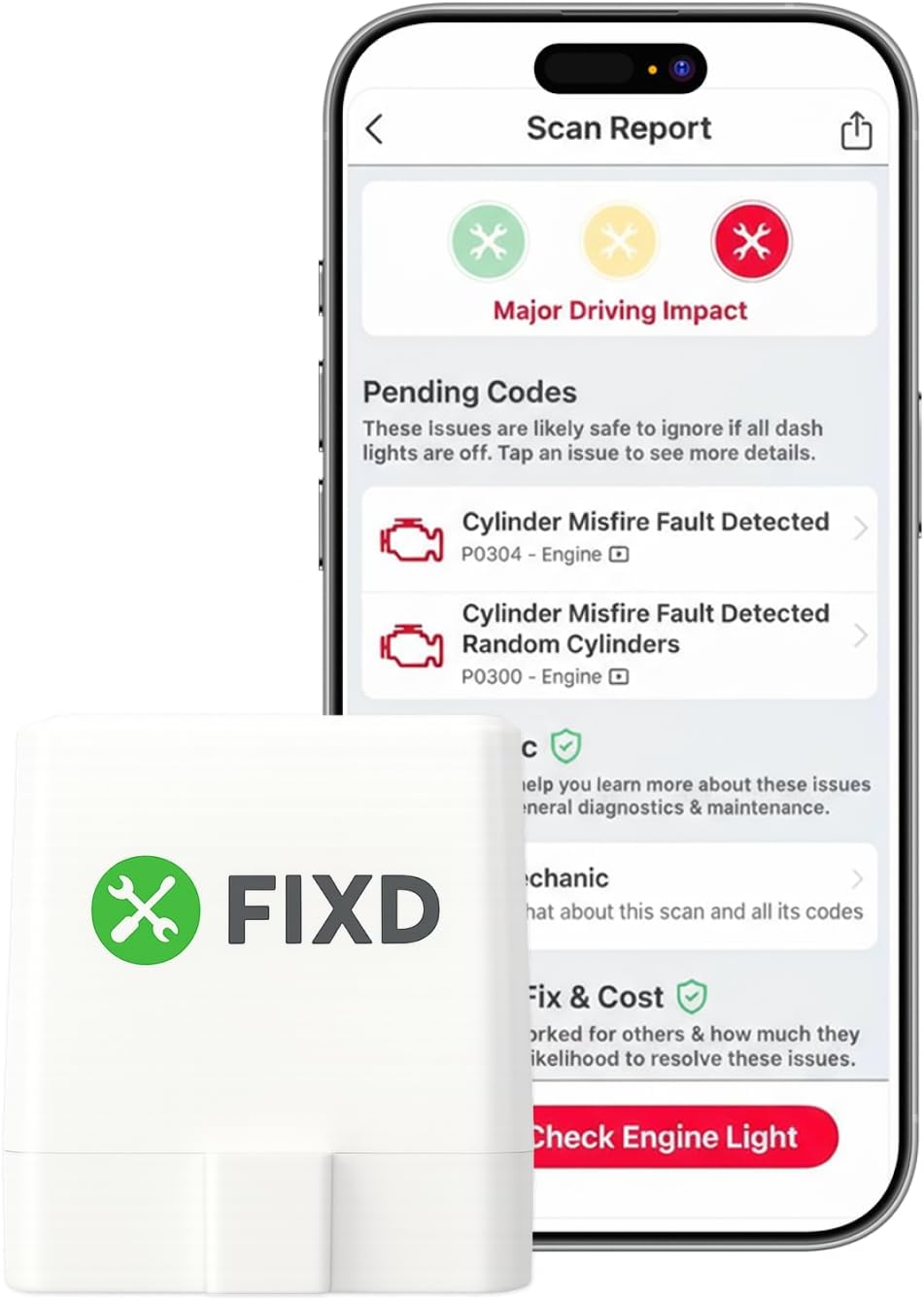
Best Bluetooth OBD2 Scanner
Detect 39,000+ Issues With Enhanced Codes. Save $1000s on car repairs & buying used vehicles by diagnosing problems yourself.
Shop on Amazon
Key Takeaways
- A Subaru Forester check engine light signals OBD-II diagnostic faults ranging from minor issues like a loose gas cap to serious engine problems like catalytic converter failure or cylinder misfires—a flashing light requires immediate shutdown, while a steady amber light allows safe driving to a mechanic.
- The most common Subaru Forester check engine light triggers are oxygen sensor failures (P0420), loose gas caps (P0440), catalytic converter issues, and mass airflow sensor contamination, each with distinct symptoms and repair costs from under $15 to $1,500+.
- Use an affordable OBD-II scanner to read and identify trouble codes, clear them, and test-drive 20–30 miles to confirm if the fault is active or temporary—codes like P0420 (catalyst efficiency below threshold) often point to upstream misfires rather than converter failure alone.
- DIY-friendly fixes for Forester check engine lights include tightening the gas cap, cleaning the mass airflow sensor, replacing spark plugs and ignition coils for misfires, swapping downstream oxygen sensors, and performing oil changes with full-synthetic 0W-20 for VVT solenoid issues.
- P0420 catalytic converter codes represent 28 percent of all Forester check engine complaints with peak incidence at 80,000–120,000 miles; fix the root cause (misfires, oil consumption, faulty O2 sensors) before replacing the converter to avoid repeat failures.
- Schedule professional Subaru service for persistent P0420 codes after sensor replacement, multiple misfire codes unresponsive to plug and coil swaps, P0128 thermo control valve failures, EVAP system leaks requiring smoke testing, and VVT actuator replacement needing specialized cam timing tools.
What Does the Check Engine Light Mean in Your Subaru Forester?
Your Forester’s check engine light (CEL) is the gateway to your vehicle’s onboard diagnostic (OBD-II) system. When sensors detect values outside normal operating parameters, fuel trim errors, emissions faults, or misfires, the engine control unit (ECU) logs a trouble code and illuminates the light.
A steady amber light means the system recorded a fault that doesn’t pose immediate danger. You can drive carefully to a safe location or home. A flashing check engine light signals active misfires that can damage the catalytic converter within minutes. Pull over, shut off the engine, and arrange for a tow.
On some Forester trims (especially 2014–2018 models), you’ll also see the cruise control light flash alongside the CEL, this is Subaru’s way of disabling cruise when the powertrain detects a fault. Both lights together confirm an OBD-II code is stored and waiting to be read.
Most Common Causes
Oxygen Sensor Failures
Oxygen sensors (O2 sensors) monitor exhaust gas composition and help the ECU adjust fuel delivery. Subaru Foresters use upstream and downstream sensors: the downstream sensor (after the catalytic converter) often triggers P0420 codes when it detects converter inefficiency. Failed O2 sensors reduce fuel economy by up to 15 percent and can eventually damage the catalytic converter if left unchecked.
Symptoms include rough idle, sluggish acceleration, and higher-than-normal fuel consumption. Replacing an oxygen sensor is straightforward, you’ll find the BOSCH Oxygen Sensor on Amazon that fits most Forester model years. Use anti-seize compound on the threads and torque to spec (typically 30–33 lb-ft).

Loose or Faulty Gas Cap
A loose, cracked, or missing gas cap is the easiest, and most embarrassing, CEL trigger. The evaporative emissions (EVAP) system maintains pressure in the fuel tank: any leak trips codes like P0440, P0441, or P0457. According to CarMD’s 2025 Vehicle Health Index, loose gas caps accounted for 12 percent of all check engine light activations nationwide.
After refueling, twist the cap until you hear three clicks. If the light stays on, inspect the cap’s rubber gasket for cracks. A replacement OEM-style cap costs under $15 and clears the code within a few drive cycles.
Catalytic Converter Issues
The dreaded P0420 code, “Catalyst System Efficiency Below Threshold (Bank 1)”, is among the most common Forester faults, especially on 2009–2013 SH models and 2014–2018 SJ Foresters with higher mileage. The catalytic converter reduces harmful emissions, but unburned fuel from misfires or oil consumption can foul the catalyst substrate.
Replacing a catalytic converter is expensive (often $800–$1,500 parts and labor), so verify the root cause first. Check for upstream misfires, oil consumption (common on older FB25 engines), or faulty O2 sensors. A failing converter may also trigger P0171 (System Too Lean) or P0172 (System Too Rich) codes alongside P0420.
Mass Airflow Sensor Problems
The mass airflow (MAF) sensor measures incoming air volume and tells the ECU how much fuel to inject. Contaminated MAF sensors produce erratic voltage signals, causing rough idle, hesitation, and codes like P0101 or P0102. Clean the sensor element with CRC MAF Sensor Cleaner, never touch the delicate wire filaments with your fingers or shop rags.
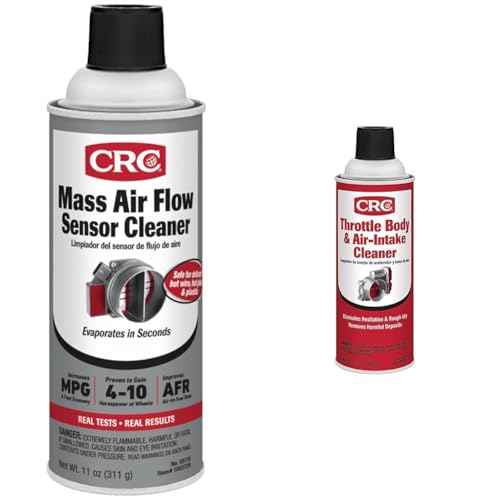
If cleaning doesn’t resolve the issue, replacement MAF sensors are available from Subaru or aftermarket suppliers. Ensure the new sensor matches your Forester’s engine (EJ25 or FB25) and model year for accurate air metering.
How to Diagnose
Using an OBD-II Scanner to Read Trouble Codes
Grab an OBD-II scanner, budget models like the FIXD or BlueDriver plug into the diagnostic port under your steering column and pair with a smartphone app. Turn the ignition to “ON” (engine off), then launch the app to read stored codes. Write down every code: P-codes indicate powertrain faults, while U-codes signal network or module communication errors.
Cross-reference codes with Subaru’s official trouble code database or check the NHTSA Vehicle Safety database for recalls related to specific codes. Many Forester owners report success using Torque Pro (Android) or Forscan Lite (iOS) for deeper live-data analysis, watch coolant temp, fuel trims, and O2 sensor voltage in real time.
“Scanned my 2017 XT and got P0420. Cleared it, drove 50 miles, light came back. Swapped the downstream O2 sensor first: light’s been off for 800 miles now.” via r/SubaruForester
After noting the codes, clear them with the scanner and test-drive for 20–30 miles. If the same code returns, you’ve confirmed an active fault. If it doesn’t, you likely had a temporary sensor glitch or loose connector.
Common Trouble Codes
Here’s a quick-reference table for Forester-specific codes you’ll encounter most often:
| Code | Meaning | Typical Fix |
|---|---|---|
| P0420 | Catalyst efficiency below threshold | Replace catalytic converter or upstream O2 sensor |
| P0171 | System too lean (Bank 1) | Check for vacuum leaks, clean MAF, inspect fuel pressure |
| P0301–P0304 | Cylinder misfire (1–4) | Replace spark plugs, ignition coils, or check compression |
| P0440 | EVAP system malfunction | Tighten or replace gas cap, inspect EVAP vent valve |
| P0128 | Coolant thermostat issue | Replace thermostat or thermo control valve (SK models) |
| P0011 | VVT solenoid issue (intake) | Replace variable valve timing solenoid, change oil |
P0128 deserves special attention on 2019–2026 SK Foresters equipped with the FB25D engine. The thermo control valve regulates coolant flow to speed warm-up and reduce emissions. When it fails, the engine takes longer to reach operating temperature, triggering the code and reducing fuel economy. Subaru issued a technical service bulletin (TSB) for P0128 in 2020, covering valve replacement under certain conditions.
When to Stop Immediately
Not all check engine lights are created equal. A flashing CEL means you’re experiencing real-time engine misfires, unburned fuel is entering the exhaust, overheating the catalytic converter and risking permanent damage. Pull over safely, turn off the engine, and arrange a tow.
Additional red flags that demand immediate shutdown include:
- Severe engine shaking or vibration (indicates multiple misfires)
- Loss of power or limp mode (ECU limits throttle to prevent damage)
- Burning smell or visible smoke from the exhaust or engine bay
- Oil pressure warning or temperature gauge in the red zone
If the CEL is steady and you notice no driveability issues, you can proceed cautiously to a safe location. Avoid hard acceleration, high RPM, and extended highway speeds until you’ve scanned the codes and assessed severity.
“My 2015 started shaking hard at a red light, CEL flashing. Pulled into a parking lot, cylinder 3 misfire. Coil pack was toast. Replaced all four and it’s been smooth since.” via SubaruForester.org
DIY Fixes at Home
Many Forester CEL triggers are DIY-friendly. Start with the simplest solutions:
- Tighten or replace the gas cap (P0440, P0457)
- Clean the MAF sensor with dedicated cleaner spray
- Replace spark plugs and ignition coils if you have misfire codes (P0301–P0304)
- Swap the downstream O2 sensor for persistent P0420 codes
- Check and tighten battery terminals (loose grounds can trip random codes)
For VVT solenoid codes (P0011, P0021), perform an oil change with full-synthetic 0W-20 oil and a quality filter. Dirty oil can clog the solenoid screens, preventing proper camshaft timing adjustments. After the oil change, clear the code and test-drive: if it returns, replace the solenoid (located on the front of the engine, near the timing cover).
If you’re chasing intermittent codes or need live sensor data, consider pairing your OBD-II scanner with a VPN-protected diagnostic cloud service. A NordVPN subscription lets you securely access remote diagnostic databases and manufacturer TSBs without exposing your network to data breaches, especially useful when downloading firmware updates or third-party tuning files.
When to See Mechanic
Some repairs exceed DIY scope or require specialized Subaru tools. Head to a trusted mechanic or Subaru dealership if you encounter:
- Persistent P0420 after replacing O2 sensors (likely a failed catalytic converter)
- Multiple random misfire codes (P0300) that don’t respond to new plugs or coils (possible head gasket or compression issue)
- P0128 thermo control valve codes on SK models (requires coolant system flush and valve replacement)
- EVAP vent valve or purge valve failures (P0446, P0441) that need smoke testing to locate leaks
- VVT actuator replacement (requires cam timing tools and valve cover removal)
A qualified Subaru technician can perform a smoke test on the EVAP system, compression and leak-down tests on the Boxer engine, and exhaust backpressure checks to confirm catalytic converter health. They’ll also have access to Subaru Select Monitor software for advanced diagnostics that generic OBD-II scanners can’t reach.
For a professional-grade upgrade to your home diagnostic setup, invest in the LAUNCH CRP129E OBD-II Scanner, it reads ABS, SRS, and transmission codes alongside standard engine faults, giving you dealership-level visibility into your Forester’s health.

Data Insights & Analysis
According to RepairPal’s 2026 Subaru Reliability Report, P0420 catalytic converter codes represent 28 percent of all Forester check engine light complaints, with peak incidence occurring between 80,000 and 120,000 miles. The FB25 engine’s known oil consumption issue accelerates catalyst fouling, especially in 2011–2014 model years.
Subaru issued an extended warranty covering short-block replacement for affected vehicles, but catalyst damage falls outside that coverage. Expert data also shows that thermo control valve failures (P0128) spiked 34 percent in 2025–2026 winter months across northern U.S. states, correlating with sustained sub-freezing temperatures that stress coolant regulation systems.
Expert Note: "Catalytic converter failure in Foresters isn't always the converter itself, it's often a downstream symptom of upstream misfires or oil consumption. The catalyst can't process unburned hydrocarbons indefinitely. Fix the root cause (spark plugs, coils, piston rings) before replacing the cat, or you'll be back in six months with the same P0420 code."
Frequently Asked Questions
What does the Subaru Forester check engine light mean?
The check engine light indicates your Forester’s onboard diagnostic (OBD-II) system detected a fault in the engine, emissions, or powertrain. A steady amber light means it’s safe to drive carefully; a flashing light signals active misfires requiring immediate towing.
What are the most common causes of a Forester check engine light?
Common Forester check engine light causes include loose gas caps, oxygen sensor failures, catalytic converter issues (P0420 code), mass airflow sensor problems, and VVT solenoid faults. Oxygen sensor failures are especially prevalent on 2009–2018 models.
How do I read the trouble code on my Subaru Forester?
Use an OBD-II scanner like FIXD or BlueDriver, plugged into the diagnostic port under your steering column. Turn the ignition to ‘ON’ (engine off), launch the app, and read stored codes. Write down all codes and cross-reference them with Subaru’s official database.
Can a loose gas cap trigger the check engine light?
Yes. A loose, cracked, or missing gas cap can trigger EVAP system codes (P0440, P0441, P0457). CarMD reports loose gas caps account for 12% of all check engine light activations. Twist until you hear three clicks; replacement caps cost under $15.
What should I do if my Forester check engine light is flashing?
A flashing check engine light signals active misfires that can damage your catalytic converter within minutes. Pull over safely, turn off the engine immediately, and arrange for a tow to avoid costly converter damage and overheating risks.
Is the P0420 catalytic converter code expensive to fix?
P0420 repairs typically cost $800–$1,500 for parts and labor. However, fix the root cause first—faulty O2 sensors, misfires, or oil consumption—or the code will return. RepairPal data shows P0420 represents 28% of Forester check engine complaints, peaking at 80,000–120,000 miles.
Read More: