
Your Subaru’s dashboard just lit up like a Christmas tree, and that amber check engine light won’t quit. You’ve already tightened the gas cap or replaced a faulty sensor, but the warning persists.
You can reset your Subaru’s check engine light using three proven methods: clearing diagnostic trouble codes (DTCs) with an OBD-II scanner (recommended), performing a battery disconnect reset by removing the negative terminal for 15 minutes, or executing the pedal reset procedure specific to certain Subaru models. After physically fixing the underlying issue, these techniques clear stored fault codes and restore disabled features like EyeSight and Cruise Control.
This guide walks you through each reset method step-by-step, explains when the light might return, and helps you decide between DIY resets and professional diagnostics. Let’s get that dashboard back to normal and your safety systems re-enabled.
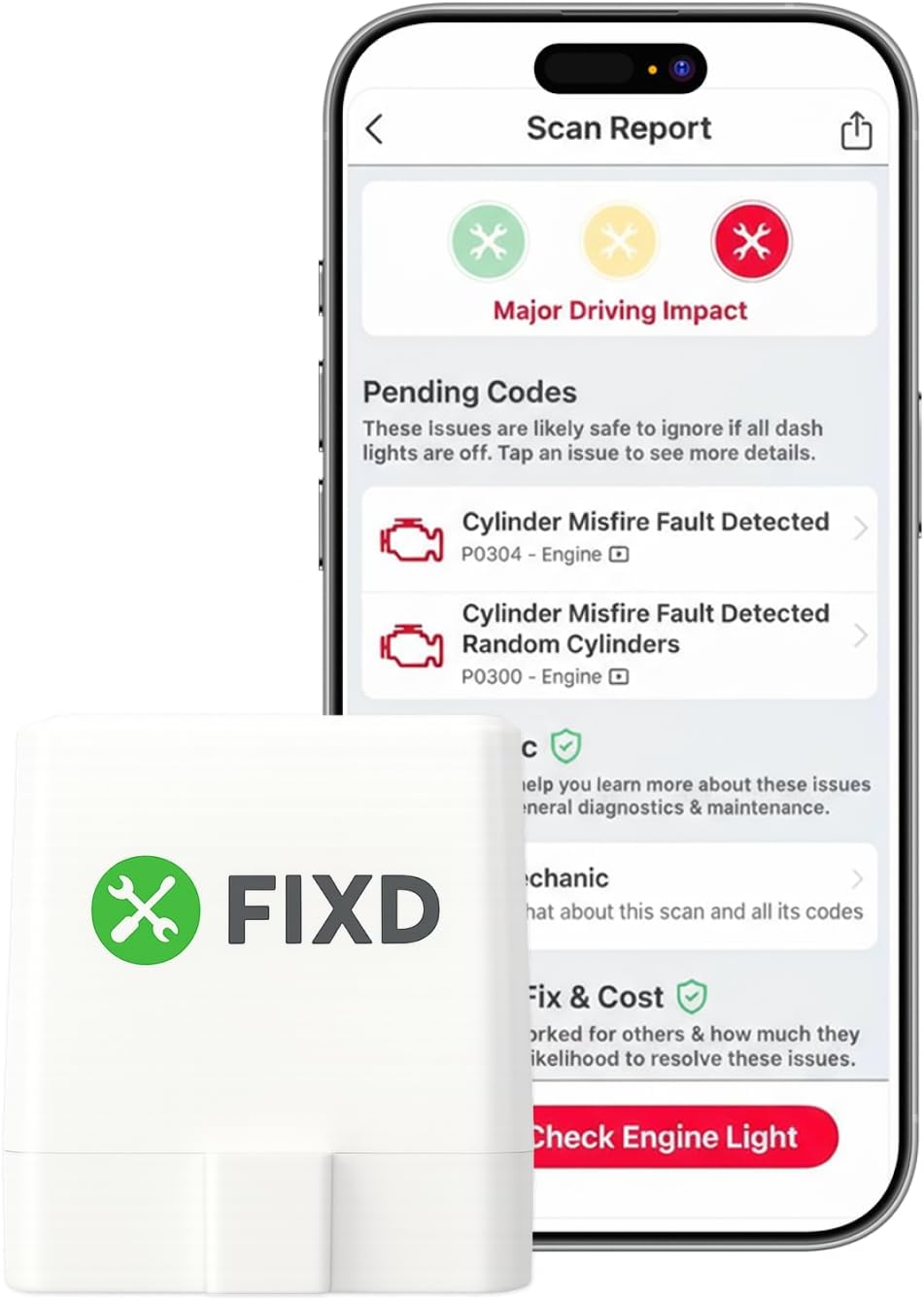
Best Bluetooth OBD2 Scanner
Detect 39,000+ Issues With Enhanced Codes. Save $1000s on car repairs & buying used vehicles by diagnosing problems yourself.
Shop on Amazon
Key Takeaways
- Reset your Subaru check engine light using three proven methods: an OBD-II scanner (recommended), battery disconnect for 15 minutes, or a pedal reset procedure—each works best after fixing the underlying issue.
- Always read diagnostic trouble codes before clearing them to identify the root cause; ignoring check engine lights risks serious engine damage and expensive repairs costing $2,000+.
- A battery disconnect reset erases soft codes but also clears radio presets and learned driving patterns, making it less reliable than scanner-based resets for active sensor failures.
- If your check engine light returns immediately after resetting, you haven’t fixed the underlying problem—approximately 35% of cases stem from evaporative emission leaks, often caused by loose gas caps.
- EyeSight and cruise control remain disabled until the ECU verifies all systems operate normally through a complete drive cycle, typically requiring 50–100 miles of mixed driving.
- Contact a professional mechanic for multiple simultaneous codes, recurring faults, or if your inspection deadline is tight; dealerships provide manufacturer-specific diagnostics for $100–150.
Understanding Your Subaru’s Check Engine Light
What Triggers the Check Engine Light in Subarus
Your Subaru’s engine control unit (ECU) monitors dozens of sensors and systems constantly. When readings fall outside normal parameters, the ECU logs a diagnostic trouble code and illuminates the check engine light. Common triggers include oxygen sensor failures, loose or damaged gas caps causing evaporative emission leaks, catalytic converter efficiency issues, and mass airflow sensor malfunctions.
Subaru models equipped with EyeSight often disable this driver-assistance feature when the check engine light appears. The system interprets the engine fault as a potential safety risk and won’t re-enable until you clear the codes. Cruise control typically shuts down simultaneously, forcing you to drive manually until the issue resolves.
Some 2021–2026 Subaru Outback and Forester owners report check engine lights triggered by software glitches rather than mechanical faults. According to Subaru technical service bulletins, certain model years experienced ECU calibration issues that caused false triggers, particularly after software updates.
Why You Should Never Ignore the Warning
Ignoring a check engine light risks serious engine damage and expensive repairs. A minor oxygen sensor fault can cascade into catalytic converter failure costing $2,000+ if left unaddressed. Your Subaru’s engine runs less efficiently with unresolved faults, burning more fuel and producing higher emissions.
State vehicle inspections automatically fail vehicles with illuminated check engine lights or incomplete readiness monitors. You’ll need to complete a full drive cycle after resetting codes before your Subaru passes emissions testing. Most states require all monitors except the evaporative system to show “ready” status.
“Fixed my loose gas cap but the light stayed on for three days. Finally used a scanner and it cleared instantly. EyeSight came back online immediately.” via Subaruoutback.org Forums
Always read and document the trouble codes before clearing them. This creates a diagnostic history and helps identify recurring issues that need permanent fixes rather than repeated resets.
How to Read Diagnostic Trouble Codes Before Resetting
Using an OBD-II Scanner on Your Subaru
Before resetting anything, you must read the diagnostic codes to understand what triggered the light. Locate your Subaru’s OBD-II port under the dashboard on the driver’s side, typically above the brake pedal or near the steering column. The port accepts a 16-pin connector that links to any standard OBD-II scanner or smartphone adapter.
For accurate Subaru-specific diagnostics, consider the ANCEL AD410 Enhanced OBD-II Scanner which reads both generic and manufacturer-specific codes. Plug the scanner into the port, turn your ignition to the “ON” position without starting the engine, and follow the device’s menu to “Read Codes.”
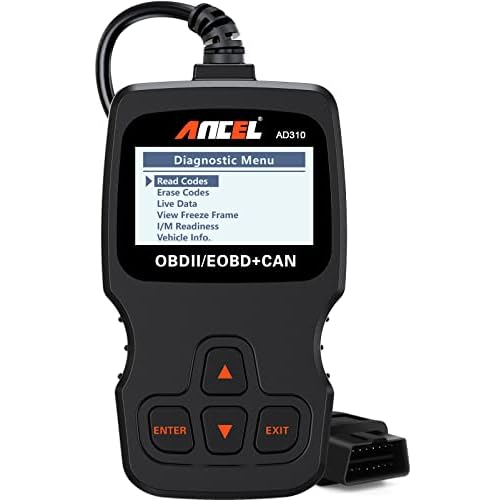
Write down all codes displayed, they’ll appear as alphanumeric combinations like P0420 (catalyst efficiency) or P0171 (system too lean). Research each code using the Subaru trouble code database to understand the specific sensor or system affected. This knowledge helps you verify you’ve actually fixed the problem before clearing the light.
Many modern scanners display “freeze frame” data showing exact engine conditions when the fault occurred, vehicle speed, coolant temperature, engine load. This contextual information often reveals patterns, like codes that only trigger during cold starts or highway driving.
Method 1: Resetting the Check Engine Light with an OBD-II Scanner
This method is the safest and most effective way to clear codes after you’ve completed repairs. With your OBD-II scanner still connected and ignition on, navigate to the “Erase Codes” or “Clear DTCs” function in the device menu. The scanner will prompt you to confirm, select “Yes.”
The check engine light should extinguish immediately on your dashboard. If you’re using a basic scanner, it might take 5–10 seconds to complete the clearing process. Advanced scanners like the BlueDriver Bluetooth Pro OBDII Scan Tool provide instant feedback confirming successful code deletion.

After clearing codes, turn off the ignition, wait 30 seconds, then start your engine normally. The check engine light should remain off. EyeSight and cruise control typically re-enable after one complete drive cycle where the ECU verifies all systems operate within normal parameters.
Your Subaru’s readiness monitors will show “Not Ready” immediately after clearing codes. You’ll need to drive through a specific sequence of conditions, idle, city speeds, highway speeds, deceleration, to set all monitors back to “Ready” for emissions testing. This process typically requires 50–100 miles of mixed driving.
Method 2: Battery Disconnect Reset Technique
When you don’t have a scanner available, disconnecting your battery resets the ECU and clears stored codes. Park your Subaru on level ground, turn off the engine, and remove the keys. Open the hood and locate the battery in the engine bay, most Subarus position it on the driver’s side.
Using a 10mm wrench or socket, loosen the negative (black) terminal clamp. Remove the cable completely and ensure it doesn’t touch the battery post or any metal surfaces. Wait 15–20 minutes to allow the ECU’s capacitors to fully discharge and clear all stored data.
Reconnect the negative terminal securely and tighten the clamp. The check engine light should be off when you restart the vehicle. But, this method also erases your radio presets, clock settings, and learned driving patterns. Your Subaru might idle roughly or shift differently for the first few miles while the ECU relearns your driving style.
Important limitation: Battery disconnects only clear “soft” codes. If the underlying fault still exists, the check engine light will return within minutes to miles of driving. This method works perfectly for resolved issues like tightened gas caps but won’t help with active sensor failures.
Method 3: Pedal Reset Procedure for Subaru Models
Certain Subaru models support a pedal-based reset sequence that clears codes without tools. This procedure works on many 2010–2026 Forester, Outback, Legacy, and Crosstrek models but isn’t universally compatible. Test it on your specific vehicle.
Sit in the driver’s seat with the door closed. Without touching the brake pedal, turn the ignition to the “ON” position (all dashboard lights illuminate, but engine off). Immediately press the accelerator pedal to the floor three times within five seconds. Turn the ignition off, wait 30 seconds, then start the engine normally.
This sequence triggers a self-diagnostic reset in the ECU. If successful, the check engine light will extinguish. But, many newer Subarus with push-button start and advanced ECU software don’t respond to this method, they require scanner-based resets or battery disconnects.
“The pedal trick worked on my 2018 Forester after I fixed a vacuum leak. Light cleared instantly and hasn’t returned in 2,000 miles.” via r/Subaru
Some technicians report this method only clears “pending” codes (faults detected once but not yet confirmed) rather than “confirmed” codes stored after multiple drive cycles. Your mileage will vary depending on model year and ECU programming.
When the Check Engine Light Returns After Resetting
A check engine light that returns immediately or within a few miles indicates you haven’t fixed the underlying problem. The ECU constantly monitors sensors during operation, if readings still fall outside normal ranges, it re-triggers the warning. You’ve cleared the symptom but not the cause.
Intermittent faults present the biggest diagnostic challenge. Your Subaru might drive perfectly for days or weeks before the light returns. Common intermittent issues include failing oxygen sensors that only malfunction when hot, loose electrical connectors that disconnect during vibration, and evaporative leaks that worsen in humid conditions.
If the light returns consistently after resets, deeper diagnosis is necessary. Multiple related codes often point to a single root cause, for example, P0171 and P0174 (both banks running lean) typically indicate a vacuum leak or faulty mass airflow sensor rather than two separate problems.
According to 2026 automotive diagnostic data, approximately 35% of check engine lights stem from evaporative emission system leaks, with gas cap issues accounting for nearly half of those cases. Always verify your gas cap clicks at least three times when tightening, this ensures proper seal against vapor leaks.
Common Subaru Check Engine Light Issues by Model
Different Subaru models develop characteristic faults based on their specific engines and systems. The turbocharged 2.0L engine in WRX and some Forester trims commonly triggers P0011 (camshaft position timing over-advanced) due to variable valve timing solenoid failures. The naturally aspirated 2.5L boxer engine in Outback and Legacy models frequently throws P0420 codes as catalytic converters age past 100,000 miles.
| Model | Common Code | Typical Cause | Reset Success Rate |
|---|---|---|---|
| Outback (2015–2026) | P0420 | Catalyst efficiency below threshold | 25% (usually needs cat replacement) |
| Forester (2014–2026) | P0171/P0174 | Vacuum leak or MAF sensor | 60% (after leak repair) |
| WRX/STI (2015–2026) | P0011 | VVT solenoid failure | 70% (after solenoid replacement) |
| Crosstrek (2018–2026) | P0457 | Loose or damaged gas cap | 95% (after cap replacement/tightening) |
The Crosstrek’s smaller 2.0L engine proves especially sensitive to evaporative leaks. Many owners report persistent P0457 codes until they replace the gas cap entirely, cleaning or tightening rarely provides permanent fixes. Genuine Subaru replacement caps cost $15–25 and often solve the problem immediately.
EyeSight-equipped models add another layer of complexity. When the check engine light appears, the system logs a separate EyeSight-disabled code that won’t clear until after the engine codes reset and the vehicle completes a successful drive cycle. Budget extra time for full system restoration.
When to Visit a Mechanic vs. DIY Reset
You can safely perform DIY resets after fixing simple issues, tightened gas caps, replaced air filters, reconnected loose sensors. These repairs don’t require specialized knowledge, and the reset simply clears the historical record of a now-resolved problem.
Schedule professional diagnostics when you encounter multiple simultaneous codes, codes you don’t understand, or lights that return immediately after clearing. Complex issues like timing chain problems, head gasket failures, or transmission faults demand professional equipment and expertise. Attempting DIY resets on serious mechanical failures wastes time and risks additional damage.
Subaru dealerships charge $100–150 for diagnostic services but access manufacturer-specific technical service bulletins and programming updates. Independent shops typically charge $75–100 and often provide more personalized service. Many auto parts stores like AutoZone and O’Reilly Auto Parts offer free code reading, use this to determine fault severity before deciding between DIY and professional repair.
Consider your inspection deadline. If you need your Subaru to pass emissions testing within a week, professional diagnosis and repair ensures you’ll complete the required drive cycle in time. DIY troubleshooting might take multiple attempts and delay your inspection certification.
Frequently Asked Questions
What are the three main methods to reset a Subaru check engine light?
The three proven methods are: (1) using an OBD-II scanner to clear diagnostic trouble codes (recommended), (2) disconnecting the battery’s negative terminal for 15-20 minutes to reset the ECU, or (3) performing a pedal reset procedure by pressing the accelerator three times with ignition on (compatibility varies by model year). Each method works best for different situations and issue types.
How long does it take to reset a Subaru check engine light with a battery disconnect?
A battery disconnect reset requires approximately 15-20 minutes of waiting time after removing the negative terminal to allow the ECU’s capacitors to fully discharge. The entire process typically takes 20-30 minutes including reconnection. However, this method only clears soft codes and won’t prevent the light from returning if the underlying fault still exists.
Why does the check engine light return after I reset it?
The light returns when the underlying problem hasn’t been fixed. Your Subaru’s ECU continuously monitors sensors; if readings fall outside normal parameters, it re-triggers the warning. Intermittent faults are particularly challenging—sensors that fail when hot or loose connectors that disconnect during vibration may require professional diagnosis to permanently resolve.
Will resetting the check engine light disable EyeSight and cruise control on my Subaru?
Yes, EyeSight and cruise control automatically disable when the check engine light appears, as the system interprets engine faults as safety risks. After resetting the check engine light with a scanner or other method, these features typically re-enable after one complete drive cycle (50-100 miles of mixed driving) where the ECU verifies all systems operate normally.
Can I use a basic OBD-II scanner to read Subaru-specific diagnostic codes?
Basic OBD-II scanners read generic codes on any vehicle, but Subaru-specific scanners like the ANCEL AD410 read both generic and manufacturer-specific codes for more accurate diagnostics. Standard scanners work for clearing codes, but advanced models provide freeze-frame data showing exact engine conditions when the fault occurred, helping identify patterns and recurring issues.
What should I do if my check engine light keeps returning after multiple resets?
Repeated check engine light returns indicate you haven’t resolved the root cause. Consider professional diagnostics at a Subaru dealership ($100-150) or independent shop ($75-100) to identify complex issues like timing chain problems or vacuum leaks. If you need emissions certification within a week, professional repair ensures you’ll complete the required drive cycle in time.
Read More:
- Subaru Check Engine Light (Here’s the Master Diagnostic Guide)
- Subaru Outback Check Engine Light (Fix It Before EyeSight Shuts Down)
- Subaru Forester Check Engine Light (Owner’s Diagnostic Guide)