

Your Audi’s check engine light flickering on and off can be frustrating and confusing. You might be driving normally one moment, then the warning light appears on your dashboard the next. The intermittent nature of this issue makes it especially tricky to diagnose and address.
The check engine light comes on and off because your Audi has detected a temporary emission control system problem that hasn’t reached the threshold for a permanent fault code yet. This could be caused by anything from a loose gas cap to a faulty oxygen sensor. Understanding what triggers this warning helps you determine whether the issue is minor or requires immediate professional attention.
This guide walks you through the most common causes of an intermittent check engine light in your Audi and what you should do about it.
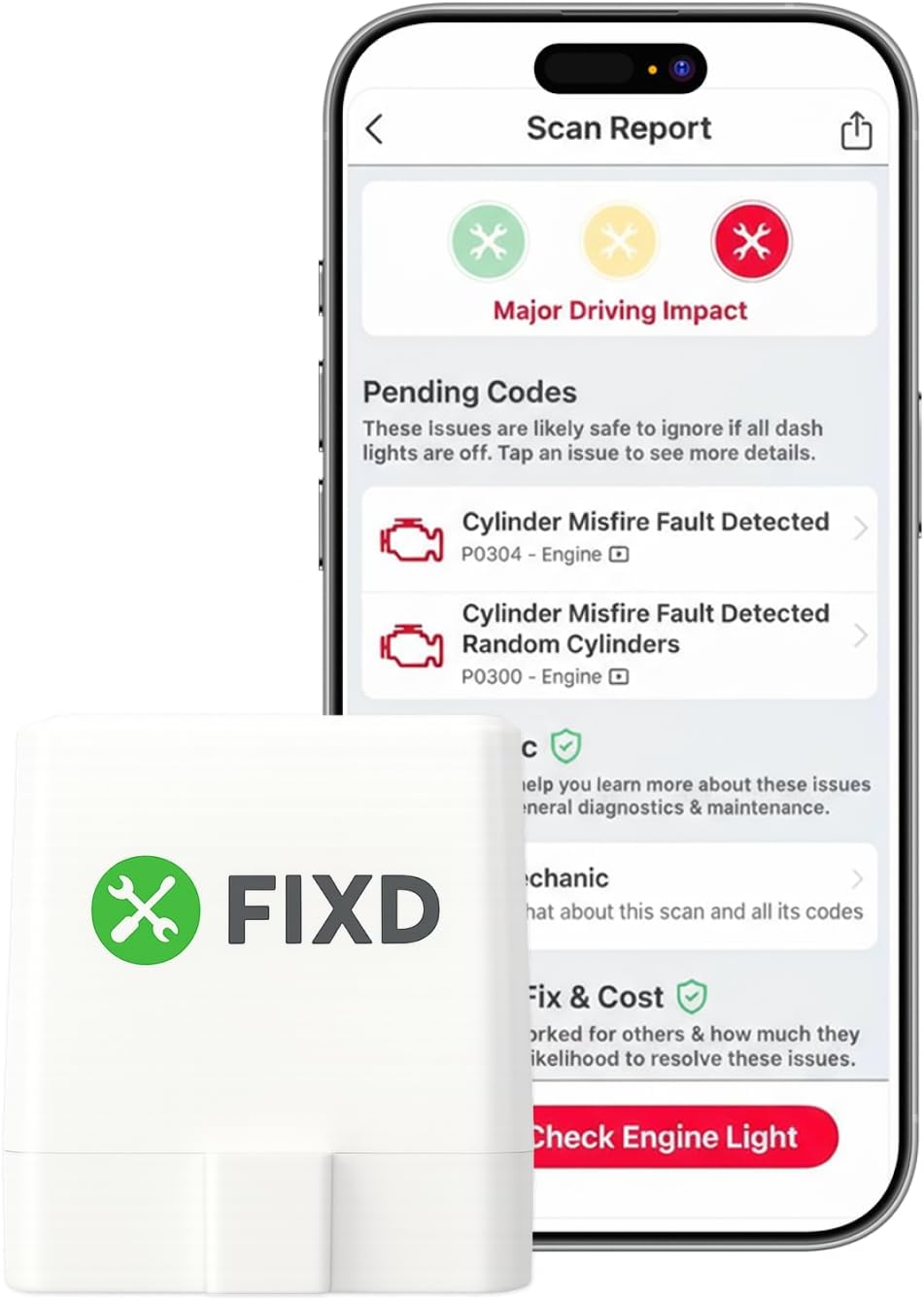
Best Bluetooth OBD2 Scanner
Detect 39,000+ Issues With Enhanced Codes. Save $1000s on car repairs & buying used vehicles by diagnosing problems yourself.
Shop on Amazon
What Does The Check Engine Light Mean
Your Audi’s check engine light signals that the onboard diagnostic system found a problem with the engine, emissions system, or transmission. When this light comes on, your vehicle has stored a diagnostic trouble code in its computer memory. This code helps mechanics identify the exact issue.
The light comes on intermittently because the problem may be temporary or inconsistent. Your car’s computer logs the fault code but clears it if the issue doesn’t repeat. This is why you might see the light appear and disappear without a consistent pattern.
It’s important to understand that this light doesn’t mean your engine will fail immediately. But, ignoring it can lead to more serious damage and costly repairs down the road. Some problems are minor, while others require prompt attention to prevent engine damage.
Common Reasons The Check Engine Light Flickers
Several common issues cause your Audi’s check engine light to flicker on and off. Understanding these causes helps you address the problem before it becomes expensive.
Faulty Oxygen Sensors
Oxygen sensors measure the amount of unburned oxygen in your exhaust. When these sensors fail or wear out, they send incorrect information to your engine computer. Your Audi then adjusts fuel mixture incorrectly, triggering the check engine light.
Faulty oxygen sensors are one of the most common reasons for intermittent check engine lights. A worn sensor may work properly some of the time and fail other times, causing the light to flicker. You might notice reduced fuel economy or rough idling along with the warning light.
Replacing a faulty oxygen sensor typically costs between $200 and $400 at a repair shop. The sensor is usually located before or after the catalytic converter. Your mechanic can confirm the issue with an OBD scanner before performing the replacement.
Loose Or Damaged Gas Cap
Your Audi’s gas cap does more than keep fuel from spilling. It seals the fuel tank and helps maintain fuel system pressure. A loose or damaged cap allows fuel vapors to escape, triggering emission system codes.
This is often the simplest cause of an intermittent check engine light. If your gas cap is loose or cracked, your vehicle’s computer detects the evaporative emission control system leak. The fix is as easy as tightening or replacing the cap, which costs just $5 to $20.
Check your gas cap regularly for cracks or damage. Sometimes the cap gets loose after refueling at a gas station. Simply tightening it might eliminate the problem and clear the light.
Catalytic Converter Issues
Your catalytic converter cleans exhaust gases before they exit the tailpipe. When this component fails, your vehicle runs less efficiently and emits more pollutants. The check engine light comes on to alert you to this problem.
A failing catalytic converter often causes an intermittent light because the issue develops gradually. You might notice the light comes on during certain driving conditions, like highway acceleration. As the converter deteriorates further, the light may come on more frequently.
Catalytic converter problems are serious and require professional repair. Replacing a catalytic converter is expensive, typically costing $800 to $2,000 or more. Addressing other issues promptly, like oxygen sensor problems, can prevent unnecessary catalytic converter damage.
Engine Misfire Problems
An engine misfire occurs when one or more cylinders fail to fire properly. This causes your Audi to run rough and lose power. Misfires can be caused by bad spark plugs, ignition coils, fuel injectors, or compression issues.
Intermittent misfires are particularly common. Your engine might run fine most of the time, but misfire occasionally under certain conditions. Cold weather, high speeds, or acceleration often trigger intermittent misfires, making the check engine light flicker on and off.
Spark plugs and ignition coils are common culprits. Replacing spark plugs typically costs $100 to $300, while ignition coil replacement runs $300 to $500. A mechanic needs to run diagnostics to determine which component is causing the misfire.
Intermittent Electrical Issues
Electrical problems in your Audi can trigger intermittent check engine light issues. Loose connections, corroded contacts, or failing sensors send confusing signals to your engine computer. These problems are tricky because they may not be consistent.
Battery terminals that aren’t tight can cause voltage fluctuations throughout your electrical system. This inconsistent power supply affects how sensors communicate with the engine computer. Your vehicle might store codes intermittently as sensor data becomes unreliable.
Wiring harnesses can also develop loose connections over time. Road vibrations and temperature changes can loosen connectors under the hood. If a sensor connection is loose, it may work sometimes but fail other times, creating intermittent fault codes.
Have a mechanic check all sensor connections and battery terminals if your light keeps coming and going. Tightening connections or replacing corroded terminals is usually an inexpensive fix. This simple step often resolves intermittent check engine light problems without requiring expensive repairs.
Diagnosing The Problem With An OBD Scanner
An OBD-II scanner is the tool you need to read the diagnostic trouble codes stored in your Audi’s computer. These scanners connect to the diagnostic port under your steering wheel and retrieve fault codes. Understanding these codes is the first step toward solving the problem.
You can buy a basic OBD scanner for as little as $25 to $50, or visit a mechanic who has professional-grade equipment. Many auto parts stores offer free code reading services. This service tells you what code your vehicle stored, which points you toward the likely problem.
When your check engine light is intermittent, the code might be a pending code rather than a confirmed fault. A pending code means the computer found something wrong but hasn’t confirmed it as a permanent problem. This is common with intermittent issues and explains why your light might clear on its own.
| Diagnostic Method | Cost | Benefit |
|---|---|---|
| Auto parts store code read | Free | Quick identification of stored codes |
| Basic OBD scanner purchase | $25–$50 | Reusable tool for future diagnostics |
| Professional mechanic diagnosis | $100–$200 | Expert analysis and repair planning |
Documenting the code number helps your mechanic pinpoint the issue more quickly. Write down when the light appears and what you’re doing when it happens. This information helps identify patterns that assist in diagnosis.
When To See A Mechanic
You should take your Audi to a mechanic immediately if the check engine light stays on constantly or if you notice any of these warning signs:
- The light comes on along with rough idling or hesitation
- You experience significant loss of power while accelerating
- The engine makes unusual knocking or pinging sounds
- You smell rotten eggs or sulfur near the tailpipe
- The temperature gauge shows the engine is overheating
If your light only comes on occasionally without other symptoms, you have more time to address the issue. But, you shouldn’t ignore it completely. Schedule an appointment with a mechanic within the next few weeks to have the code read and the problem diagnosed.
Choose a mechanic familiar with Audi vehicles. Audi-specific shops often have specialized diagnostic equipment and experience with common Audi issues. Getting the problem diagnosed early prevents more expensive repairs from developing.
If you’re unsure whether your situation requires immediate attention, get a free diagnostic scan at a mechanic’s shop. A professional can determine whether the issue is urgent or can wait a few weeks for repair. This gives you peace of mind and a clear plan moving forward.
Preventing Check Engine Light Issues
Regular maintenance is your best defense against check engine light problems. Follow your Audi’s recommended service schedule for oil changes, filter replacements, and spark plug maintenance. Keeping your engine in good condition prevents many electrical and emission system issues.
Inspect your gas cap regularly for damage or corrosion. A simple visual check takes seconds and prevents a common source of false check engine lights. Replace the cap if it’s cracked, loose, or corroded.
Have your battery terminals cleaned and checked annually. Corrosion on battery terminals interferes with electrical signals throughout your vehicle. Keeping these connections clean ensures your sensors communicate properly with the engine computer.
Pay attention to your engine’s performance. Rough idling, hesitation, or unusual sounds often develop before the check engine light appears. Addressing these issues early can prevent them from triggering warning codes.
Use high-quality fuel and maintain proper tire pressure. These simple actions reduce stress on your emissions system and engine. Your Audi runs cleaner and more efficiently when you use quality fuel and keep tires properly inflated.
Having your Audi’s emissions system checked every year helps catch problems early. A professional inspection identifies worn sensors or developing issues before they trigger check engine lights. This proactive approach saves you money on repairs down the road.
Frequently Asked Questions
Why does my Audi check engine light come on and off intermittently?
Your Audi’s check engine light flickers intermittently because the onboard diagnostic system detected a temporary emission control or engine problem that hasn’t reached a permanent fault threshold yet. Common causes include loose gas caps, faulty oxygen sensors, or electrical connection issues. The light appears and disappears as the problem occurs inconsistently.
What is the most common cause of an Audi check engine light?
Faulty oxygen sensors are one of the most common reasons for intermittent check engine lights in Audi vehicles. These sensors measure unburned oxygen in exhaust, and when they wear out, they send incorrect information to the engine computer. Worn sensors may work intermittently, causing the light to flicker on and off.
How much does it cost to fix a check engine light on an Audi?
Repair costs vary depending on the cause. A loose gas cap costs $5–$20 to replace. Oxygen sensor replacement runs $200–$400. Spark plugs and ignition coils cost $100–$500, while catalytic converter replacement is the most expensive at $800–$2,000 or more. Get a diagnostic scan to identify the exact issue first.
Can I drive my Audi safely with the check engine light on?
If the light comes on occasionally without additional symptoms like rough idling or power loss, you can drive safely but should schedule a mechanic visit within weeks. However, if the light stays on constantly or appears with unusual sounds, overheating, or power loss, seek immediate professional attention to prevent engine damage.
How do I read the diagnostic code on my Audi check engine light?
Use an OBD-II scanner connected to your diagnostic port under the steering wheel to retrieve fault codes. Basic scanners cost $25–$50, or visit auto parts stores offering free code reading services. Many mechanics charge $100–$200 for professional diagnostics that help pinpoint the exact problem causing your light.
What maintenance prevents Audi check engine light problems?
Follow your Audi’s recommended service schedule for oil changes, filter replacements, and spark plug maintenance. Regularly inspect your gas cap for damage, clean battery terminals annually to prevent electrical issues, and have your emissions system checked yearly. Using quality fuel and maintaining proper tire pressure also reduce stress on emission systems.
Read More: