
Your Audi’s dash just lit up with that dreaded amber glow, and your stomach just dropped. Before you picture a five-figure repair bill, take a breath.
In most cases, an Audi check engine light points to a simple, affordable fix, like a loose gas cap, a dirty MAF sensor, or a worn spark plug, not a catastrophic engine failure. The key is reading the code first instead of guessing. A five-minute scan with a basic OBD2 tool or an Audi-specific device like OBDeleven can tell you exactly what’s wrong, whether it’s an EVAP leak or a genuine misfire needing immediate attention.
This guide walks you through what the light actually means, the most common culprits across the 2.0T, 3.0T, and V8 platforms, and how to diagnose the problem yourself before you ever call the dealership.
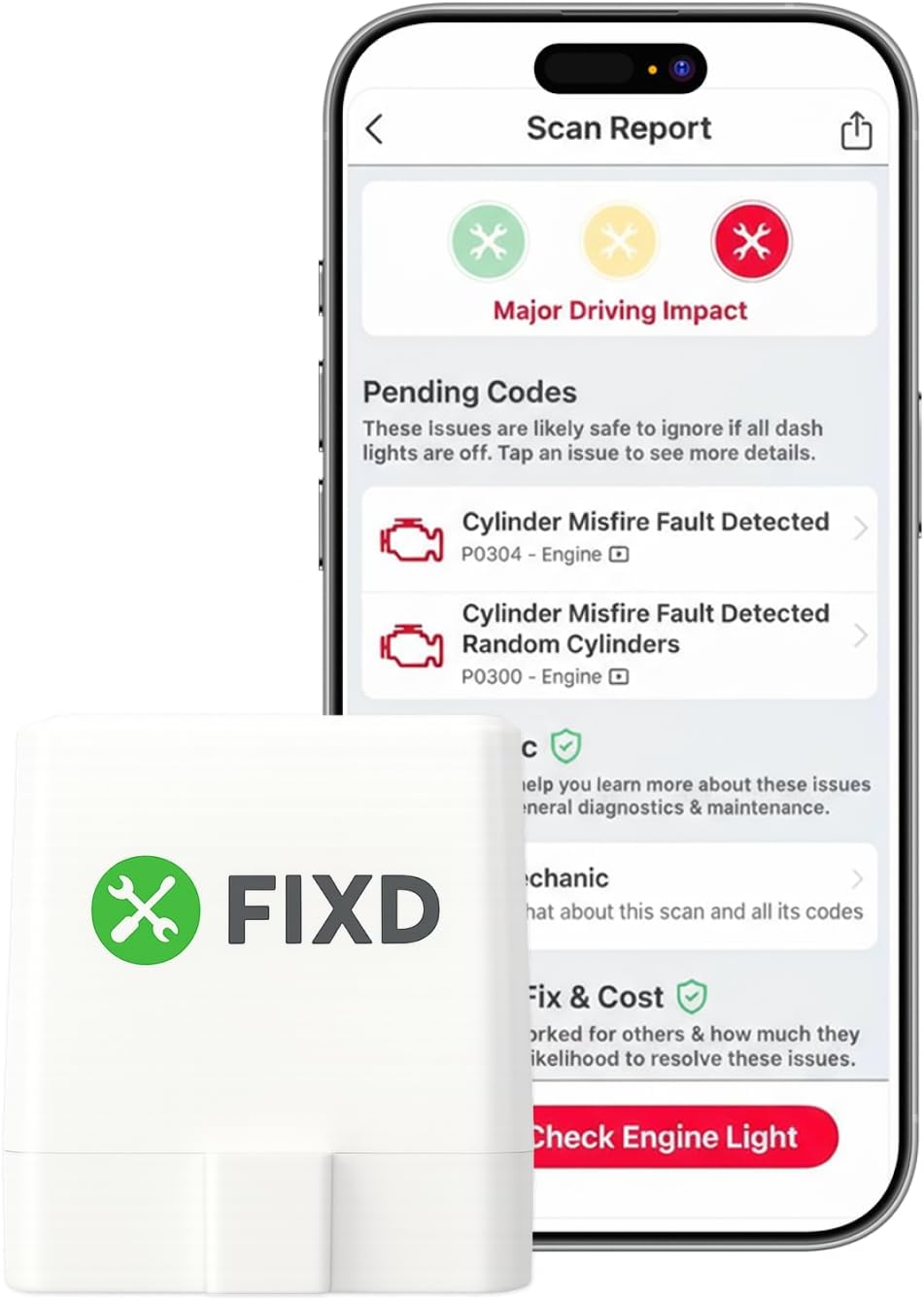
Best Bluetooth OBD2 Scanner
Detect 39,000+ Issues With Enhanced Codes. Save $1000s on car repairs & buying used vehicles by diagnosing problems yourself.
Shop on Amazon
Key Takeaways
- Most Audi check engine light issues are affordable fixes like a loose gas cap, dirty MAF sensor, or worn spark plug—not engine failure.
- A solid yellow check engine light indicates a non-urgent issue you can diagnose at home, while a flashing light signals active misfires requiring immediate towing.
- Using a basic OBD2 scanner or Audi-specific tool like OBDeleven takes five minutes and reveals the exact fault code, saving diagnostic fees and guesswork.
- Common triggers across Audi models include EVAP system leaks (35% of visits), carbon buildup on 2.0T engines, and ignition coil wear, each with straightforward fixes.
- Ignoring a check engine light allows small issues to compound—a $30 oxygen sensor fix left unaddressed can become a $1,200 catalytic converter replacement within 20,000 miles.
- Simple DIY solutions like tightening the gas cap, cleaning the MAF sensor, and replacing coil packs are doable in your driveway, but timing chain or internal misfire codes require professional Audi-trained mechanics.
Understanding How the Audi Check Engine Light Works
What the Indicator Means in Different Scenarios
You see the amber engine symbol and assume the worst. But this light covers a huge range of issues, from a $2 gas cap seal to a stretching timing chain. Audi’s onboard computer triggers it the moment a sensor reading falls outside its expected range. It doesn’t distinguish between minor and major faults on the dash itself, only the code tells you that story.
That’s why the audi check engine light yellow solid meaning question comes up so often in owner forums. A steady yellow light usually signals a non-urgent issue you can drive on for now. Don’t ignore it, but don’t panic either.
Solid vs Flashing Check Engine Light
This distinction matters more than almost anything else in this guide. A solid light means the fault is present but not actively damaging your engine right now. A flashing light means active misfires are dumping unburned fuel into your catalytic converter, and that can destroy it within minutes.
If your check engine light is flashing, pull over safely and stop driving. This is one of the few true flashing check engine light emergency troubleshooting Audi moments where towing beats driving home. A solid light gives you room to breathe and diagnose at home.
The Role of the Engine Control Unit and OBDII System
Every Audi built since the mid-1990s uses an Engine Control Unit that constantly monitors dozens of sensors. When a reading drifts outside tolerance, the ECU stores a trouble code and lights the dash indicator. This standardized OBD-II system, mandated by the EPA since 1996, means any generic scanner can pull basic codes (EPA OBD overview).
Audi-specific tools like VCDS dig deeper into manufacturer-specific codes the generic scanners miss entirely.
Most Common Causes
Loose or Damaged Gas Cap and EVAP System Problems
Honestly, this is the fix that makes owners feel a little silly, and a little relieved. A loose gas cap causing check engine light Audi complaints is one of the most frequent scanner results across the A3, A4, and Q5 lineup. The EVAP system seals fuel vapors inside a closed loop. Any crack in the seal drops pressure and trips a code like P0455 or P0442.
Just remove the cap, check the rubber gasket for cracks, and reinstall until it clicks three times. Sometimes the light won’t clear for a few drive cycles even after the fix, so don’t panic if it stays on for a day or two.
Oxygen Sensor and Mass Airflow Sensor Failures
Audi oxygen sensor failure fuel system warning codes, like P0171 or P0174, mean your engine is running lean or rich. This throws off fuel trims and can hurt fuel economy noticeably. On the 2.0T TFSI engine, a carbon-fouled sensor is common after 80,000 to 100,000 miles.
The mass airflow sensor cleaning guide Audi A6 owners search for online usually solves rough idle issues without replacing anything. A can of MAF-specific cleaner and ten careful minutes can restore accurate airflow readings and smooth out that shaky idle instantly.
Catalytic Converter Performance and Potential Issues
A failing catalytic converter, code P0420 or P0430, often stems from a root cause rather than the converter itself failing outright. Ignored oxygen sensor issues or persistent misfires eventually overheat and damage the catalyst. Replacing the converter without fixing the underlying trigger just wastes money, since the new part fails the same way.
Check upstream sensors and ignition health first. The Q7 and A6 with larger V6 and V8 engines tend to see this pattern more, given their higher exhaust flow and older sensor placement designs.
Ignition System Malfunctions and Engine Misfire
Audi spark plugs ignition coil pack misfire symptoms include a rough idle, hesitation under acceleration, and a distinct rumble at stoplights. Fix Audi A4 2.0T check engine light rough idle complaints almost always trace back to worn coil packs or plugs needing replacement around the 60,000-mile mark.
Codes like P0301 through P0306 pinpoint the exact cylinder misfiring, saving you diagnostic guesswork entirely.
Diagnostic Steps and Codes
Using an OBD2 Scanner on Your Audi
You don’t need a dealership appointment to find out what’s wrong. A basic Bluetooth OBD2 reader plugs into your Audi and pairs with a free smartphone app in seconds. For something reliable and beginner-friendly, the BlueDriver Bluetooth Pro Scan Tool reads both generic and manufacturer-specific codes, which matters a lot on European platforms.
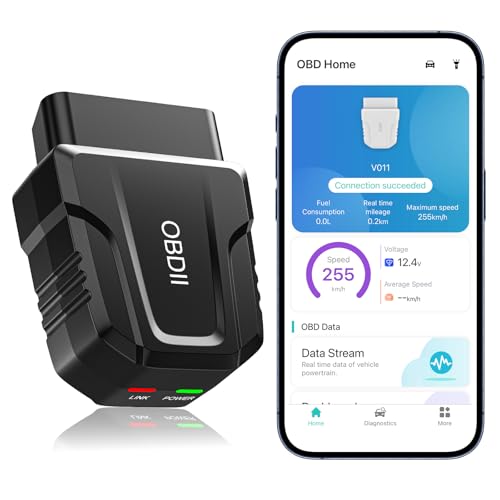
For Audi owners wanting deeper access, reading OBDeleven fault codes for Audi engine light diagnostics unlocks manufacturer-level detail generic scanners simply can’t reach, including live sensor data and coding options.
Locating the OBDII Port and Running a Diagnostic Scan
The port sits under the dash, usually left of the steering column near your knee. Plug in the scanner, turn the ignition to accessory mode without starting the engine, then run the scan. It takes under a minute to pull stored codes.
Write down every code shown, even ones that seem unrelated. Sometimes a MAF code and an O2 sensor code appear together, and fixing one resolves both symptoms at once.
Understanding and Interpreting Fault Codes
Codes follow a simple format: a letter, then four digits. P0300 means random misfire, P0171 means lean fuel condition on bank one. Check engine light and EPC light together Audi warnings usually mean a throttle body or electronic accelerator fault paired with the emissions code.
One Reddit user summed up the relief perfectly:
“Pulled the code myself with a fifteen dollar reader, turned out to be a $12 gas cap. Saved myself a $150 diagnostic fee at the dealer.” via r/Audi
How to clear malfunction indicator light MIL Audi questions come up constantly, but clearing without fixing the root cause just brings the light right back within a drive cycle or two.
Model Specific Repairs
Unique Concerns for A4 A5 A6 Q5 Q7 and TT
Common reasons for Audi Q5 check engine light reset requests usually trace back to carbon buildup on intake valves, a known trait of direct-injection 2.0T engines. The A4 and A5 share this engine and see similar patterns. The A6 and Q7, often equipped with the 3.0T V6 or 4.2L V8, tend toward ignition coil wear and occasional camshaft synchronization codes as timing chains stretch slightly with age.
Here’s a quick comparison of typical triggers by platform:
| Model | Common Trigger | Typical Fix |
|---|---|---|
| A4 / A5 (2.0T) | Rough idle, coil misfire | Spark plugs, coil packs |
| A6 (3.0T V6) | Cam timing code | Timing chain inspection |
| Q5 (2.0T) | EVAP or MAF code | Gas cap, sensor cleaning |
| Q7 (V6/V8) | Catalytic converter code | Upstream sensor check |
| TT (2.0T) | Carbon buildup misfire | Walnut blasting intake valves |
The TT, sharing its engine with the A4, deals with carbon buildup earlier than most owners expect, sometimes before 70,000 miles.
When to Seek Professional Help vs DIY Solutions
Simple DIY fixes for Audi check engine light codes include gas cap tightening, MAF cleaning, and coil swaps, all doable in your driveway with basic tools. But camshaft timing codes, internal misfire diagnostics needing an oscilloscope, or persistent P0420 codes after sensor replacement call for a shop with Audi-specific training.
A mechanic on a well-known European auto forum put it well:
“Ninety percent of the check engine lights I see on TFSI engines are gas caps, coils, or carbon buildup. The scary ten percent is usually a timing chain tensioner, and that one needs a real shop.” via Audizine Forum
If you’re weighing a bigger diagnostic upgrade for your garage, the Autel MaxiCOM MK808 scan tool offers bidirectional testing most budget readers can’t touch, a genuine desk upgrade for serious home mechanics.

Consequences of Ignoring the Warning Light
Ignoring a solid light rarely causes immediate damage, but small issues compound. A lean fuel condition left unchecked can wear out a catalytic converter over 20,000 miles, turning a $30 sensor fix into a $1,200 exhaust repair. Misfires left running also risk fouling additional spark plugs and coils from cascading heat damage.
According to Consumer Reports maintenance data, deferred minor repairs are among the top reasons owners face larger bills at trade-in inspections. Don’t let a $12 part become a four-figure invoice.
Data Insights and Analysis
Real numbers help cut through the anxiety. Diagnostic trend reports from 2025 and early 2026 show consistent patterns across the TFSI platform that every owner should know before assuming the worst.
- Independent European repair shop surveys from late 2025 report that roughly 35% of Audi check engine light visits trace back to EVAP or gas cap seal issues, the single largest category by volume.
- Data pulled from OBDeleven’s community-reported fault logs shows carbon buildup related misfire codes on 2.0T engines rising nearly 20% year over year as vehicles built between 2014 and 2018 cross the 80,000 to 100,000 mile mark.
- Cold weather data from northern climate repair shops indicates MAF sensor and O2 sensor fault codes climb close to 25% during winter months, likely from condensation affecting sensor readings overnight.
Expert Note: A carbon-fouled MAF sensor doesn't fail because it's broken, it fails because oil vapor from the PCV system slowly coats the sensor's hot wire element, throwing off the voltage signal the ECU relies on for fuel calculation. Cleaning restores accurate airflow, but if buildup returns within a few months, check your PCV valve, not the sensor itself.
Frequently Asked Questions
What does an Audi check engine light mean and should I panic?
An Audi check engine light indicates a sensor reading has drifted outside tolerance range. Most cases point to simple, affordable fixes like a loose gas cap or dirty MAF sensor, not catastrophic failure. A solid light means non-urgent issues; a flashing light signals active misfires requiring immediate attention and towing.
How do I diagnose an Audi check engine light without going to the dealership?
Use an OBD2 scanner or Audi-specific tool like OBDeleven to pull fault codes in under five minutes. The OBDII port sits under the dash left of the steering column. Write down all codes—they follow a simple format (P0300, P0171, etc.)—to identify the exact issue before calling a mechanic.
What are the most common reasons for check engine light in Audi vehicles?
The most frequent culprits are loose gas caps (35% of cases), EVAP leaks, oxygen sensor failures, MAF sensor fouling on 2.0T engines, and ignition coil wear. On models like the Q5 and A4, carbon buildup on intake valves and coil pack misfires are typical. Data shows these simple fixes often cost under $50.
Can I drive my Audi with a solid check engine light, or is it an emergency?
A solid check engine light is not an emergency—you can drive safely while diagnosing. However, don’t ignore it long-term; small issues like lean fuel conditions can damage your catalytic converter over 20,000 miles, turning a $30 sensor fix into a $1,200 repair. A flashing light requires immediate towing.
What’s the difference between a loose gas cap and other Audi check engine light codes?
A loose gas cap triggers EVAP system codes like P0455 or P0442 by breaking the fuel vapor seal. Simply remove the cap, check the rubber gasket for cracks, and reinstall until it clicks three times. The light may stay on for a few drive cycles even after fixing—this is normal and doesn’t indicate a deeper problem.
Should I clear the check engine light myself or have a mechanic do it?
Clearing the light without fixing the root cause just brings it back within a drive cycle or two. Always diagnose the underlying fault first using an OBD2 scanner. DIY fixes like gas cap tightening, MAF cleaning, and coil swaps are simple, but timing chain codes or persistent catalytic converter issues require professional Audi-specific training.
Read More: