

Your Audi’s dashboard lights communicate critical information about your vehicle’s health and status. When you’re driving, these lights serve as your car’s way of sending urgent messages or gentle reminders about maintenance needs. Understanding what each light means helps you drive safely and avoid costly repairs down the road.
Dashboard lights fall into three main categories: red warning lights that demand immediate attention, yellow caution lights that signal upcoming maintenance or minor issues, and green or blue indicator lights that show standard functions like turn signals or cruise control. Ignoring dashboard warnings can lead to engine damage, safety hazards, or unexpected breakdowns on the road.
This guide breaks down the most common Audi dashboard lights so you can identify them quickly and respond appropriately. Whether you’re a new Audi owner or just want to refresh your knowledge, you’ll learn what each light means and how to handle different situations.
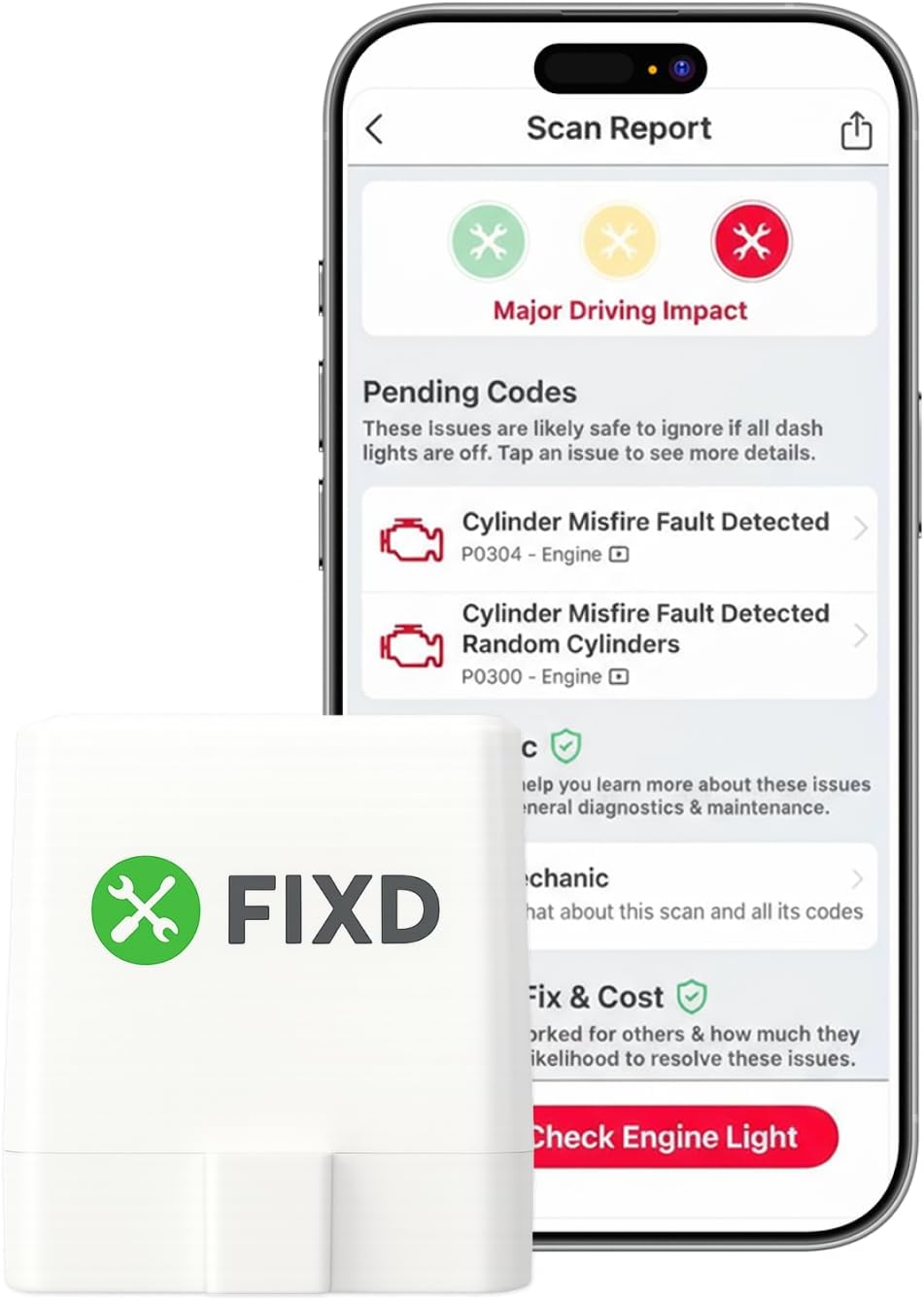
Best Bluetooth OBD2 Scanner
Detect 39,000+ Issues With Enhanced Codes. Save $1000s on car repairs & buying used vehicles by diagnosing problems yourself.
Shop on Amazon
Why Dashboard Lights Matter
Dashboard lights exist to protect you and your vehicle. Your Audi has dozens of sensors monitoring engine temperature, oil pressure, brake function, tire pressure, and more. When something falls outside normal operating parameters, a light activates on your dashboard.
Thinking of these lights as your vehicle’s early warning system makes sense. They alert you before a small problem becomes a major repair. A simple oil pressure warning might mean you need an oil change, a cheap fix. Ignoring it could result in engine damage worth thousands of dollars.
Your safety depends on these lights too. A brake system warning light might indicate failing brake pads or low fluid. Catching this early prevents brake failure when you need them most. Red lights especially demand your attention because they signal immediate dangers.
Familiarizing yourself with your Audi’s dashboard lights gives you confidence on the road. You’ll know which situations require pulling over immediately and which allow you to drive to a service center at your convenience.
Red Warning Lights: When To Stop Immediately
Red dashboard lights are your Audi’s most urgent messages. When you see a red light, your car is telling you that a serious problem exists. These situations typically require you to pull over safely and stop driving immediately or at least get to a service center right away.
Engine Oil Pressure
The oil pressure warning light shows an oil can symbol and glows red. This light indicates your engine’s oil pressure has dropped below safe levels. Low oil pressure means your engine isn’t getting proper lubrication, which can cause severe damage within minutes of driving.
Stop driving immediately when this light appears. Check your oil level at the nearest safe location. If your oil level is low, top it up with the correct Audi-approved oil type. If the oil level is adequate but the light remains on, don’t drive further, call for professional roadside assistance or have the car towed to an Audi service center. The problem could be a failing oil pump or faulty sensor that requires expert diagnosis.
Coolant Temperature
The coolant temperature warning light displays a thermometer symbol in red. This indicates your engine is overheating, meaning coolant temperature has exceeded safe operating limits. Driving an overheating engine can warp the cylinder head and cause complete engine failure.
When this light appears, turn off the air conditioning and turn on the heater to draw heat away from the engine. Pull over safely and allow the engine to cool for at least 15 minutes before checking coolant levels. Never open the radiator cap when the engine is hot, pressurized coolant can cause severe burns. Let the engine cool completely before checking or adding coolant. If the light returns after cooling, you have a coolant leak or thermostat problem requiring professional service.
Brake System Issues
The brake warning light shows a circle with the word “BRAKE” and glows red when there’s a problem with your braking system. This could indicate low brake fluid, worn brake pads, or brake system failure. Your ability to stop your vehicle is essential to your safety.
If this light appears while driving, apply gentle pressure to the brake pedal and test your brakes carefully. Drive slowly to the nearest safe location and stop. Check your brake fluid level, low fluid is a common cause and means you have a leak somewhere in the system. Driving on failing brakes puts you and others at risk. Don’t continue driving until you’ve had the system inspected by a qualified technician.
Yellow Caution Lights: Maintenance And Service Alerts
Yellow dashboard lights are less urgent than red lights but still require your attention. These caution lights typically signal maintenance needs or minor system issues. You can usually continue driving when a yellow light appears, but you should address the issue soon.
Check Engine Light
The check engine light displays an engine symbol and glows amber or yellow. This light activates when your onboard diagnostic system detects an emissions-related problem or engine malfunction. The issue could be minor or serious, you can’t know without proper diagnosis.
Don’t panic when this light appears. Your car can usually continue running, though you may notice performance changes. Schedule a service appointment at an Audi dealership or qualified repair shop to have the diagnostic code read. The code reveals what triggered the light. Common causes include a loose fuel cap, faulty oxygen sensor, or catalytic converter issues. Some problems self-correct after driving, so the light might disappear, but have it checked anyway.
Service Reminder
The service reminder light typically shows a wrench or service symbol in yellow. Audi vehicles have scheduled maintenance intervals, and this light reminds you when service is due. Your Audi tracks oil changes, filter replacements, and other routine maintenance through its onboard computer.
When this light appears, don’t ignore it. Schedule service with an authorized Audi service center. Regular maintenance keeps your vehicle running smoothly and maintains your warranty. Skipping scheduled service can lead to problems and may void coverage under warranty protection.
Tire Pressure Monitoring
The tire pressure warning light shows a tire symbol with an exclamation mark in yellow. Modern Audis have sensors in each wheel that monitor tire pressure. When pressure in one or more tires drops below recommended levels, this light illuminates.
Check all four tire pressures at a gas station air pump. Compare readings to the recommended pressure listed on the driver’s door jamb or fuel filler cap. Inflate tires as needed to match specifications. Temperature changes can affect tire pressure, cold weather causes pressure to drop. If the light returns frequently or after you’ve inflated tires properly, a tire might have a slow leak requiring repair or replacement.
Green And Blue Indicator Lights: Standard Functions
Green and blue dashboard lights are informational rather than warning lights. They indicate normal vehicle functions and features that are currently active. These lights don’t signal problems and require no action from you.
The turn signal indicator lights flash green or blue when you activate your turn signals or hazard lights. These simply confirm that the lighting system is working and others on the road can see your directional intent.
The high beam light appears as a blue symbol when you switch to high beams. This reminds you that your headlights are set to maximum brightness. Remember to switch back to low beams when approaching other vehicles to avoid blinding other drivers.
Cruise control indicators light up in blue or green when you activate this feature. These lights show that cruise control is ready or actively maintaining your set speed.
The check control light may appear in green for informational messages about your vehicle’s systems. These aren’t problems but simply status updates about various functions. Your Audi’s onboard computer displays these messages to keep you informed about your vehicle’s operation.
Here’s a quick reference table for common dashboard lights:
| Light Type | Color | Meaning | Action Required |
|---|---|---|---|
| Oil Pressure | Red | Low oil pressure | Stop immediately |
| Coolant Temperature | Red | Engine overheating | Pull over and cool |
| Brake System | Red | Brake issue | Stop and check brakes |
| Check Engine | Yellow | Emissions problem | Schedule service |
| Service | Yellow | Maintenance due | Book service appointment |
| Tire Pressure | Yellow | Low tire pressure | Check and inflate tires |
| Turn Signal | Blue/Green | Signal active | Normal operation |
| High Beam | Blue | High beams on | Switch to low when needed |
What To Do When A Light Appears
When any dashboard light appears, follow these steps to respond appropriately. First, identify the light’s color and symbol. Red lights demand immediate action, while yellow lights need attention soon. Green and blue lights are informational only.
Second, assess your driving situation. If you see a red light, find a safe place to pull over. Turn on hazard lights to alert other drivers. If you’re on a highway, move to the shoulder away from traffic. Once stopped, turn off the engine and wait a few minutes before restarting.
Third, check the obvious issues yourself. For low oil, tire pressure, or coolant warnings, verify the actual fluid or pressure levels. Many problems have simple solutions you can handle immediately.
Fourth, consult your owner’s manual. Your Audi’s manual contains detailed explanations of every dashboard light. It provides specific guidance for each warning and tells you whether you can safely continue driving. Keep your manual in the vehicle for quick reference.
Fifth, contact a service center if needed. For problems you can’t solve yourself or if red warning lights appear, contact an authorized Audi dealership. They have specialized diagnostic tools and trained technicians. Many dealerships offer mobile service for roadside emergencies.
Key points to remember when a light appears:
- Red lights require immediate attention and safe stopping
- Yellow lights need service scheduling soon
- Green and blue lights indicate normal functions
- Check fluid levels for common warning lights
- Your owner’s manual provides detailed guidance
- Professional service helps prevent costly repairs
Frequently Asked Questions
What do the different colors of Audi dashboard lights mean?
Audi dashboard lights use a color-coding system: red warning lights demand immediate attention, yellow caution lights signal maintenance or minor issues, and green or blue indicator lights show standard functions. Understanding these colors helps you respond appropriately to your vehicle’s messages.
What should I do if the red oil pressure warning light appears on my Audi dashboard?
Stop driving immediately when the oil pressure warning light glows red. Check your oil level at a safe location and top it up if needed. If the oil level is adequate but the light remains on, don’t drive further—contact professional roadside assistance or have the car towed to an Audi service center.
Why is my Audi engine overheating, and what does the coolant temperature light mean?
The coolant temperature warning light indicates your engine has exceeded safe operating limits. Turn off air conditioning, pull over safely, and let the engine cool for at least 15 minutes. Never open the radiator cap when hot. If the light returns after cooling, you likely have a coolant leak or thermostat problem requiring professional service.
Is it safe to keep driving when the yellow check engine light turns on?
Your Audi can typically continue running when the check engine light appears, though you may notice performance changes. Don’t panic—schedule a service appointment to have the diagnostic code read. Common causes include a loose fuel cap, faulty oxygen sensor, or catalytic converter issues.
What causes the tire pressure warning light to appear on my Audi?
The tire pressure warning light indicates one or more tires have dropped below recommended pressure levels. Check all four tires at a gas station and inflate them to match specifications on your driver’s door jamb. Temperature changes, especially cold weather, can cause pressure to drop. Frequent returns suggest a possible slow leak.
How often should I schedule maintenance when the service reminder light appears?
When the service reminder light appears, schedule service at an authorized Audi dealership soon. Your Audi’s onboard computer tracks oil changes, filter replacements, and routine maintenance intervals. Regular maintenance keeps your vehicle running smoothly and maintains warranty coverage.
Read More: