

Replacing your Audi’s battery seems like a straightforward job, disconnect the old one, drop in the new one, and you’re done, right? Wrong. If you’ve recently had your battery replaced and noticed strange electrical issues popping up, you’re not alone. Many Audi owners face unexpected problems after this seemingly simple maintenance task.
Electrical problems after battery replacement in Audi vehicles occur because the replacement process disrupts stored settings, disconnects power to important modules, and can trigger fault codes if the proper disconnection sequence isn’t followed. These issues range from warning lights on your dashboard to windows that won’t roll down and charging systems that quit working.
Understanding what’s happening under the hood helps you fix the problem quickly and avoid costly repairs. This guide walks you through the most common issues, why they happen, and how to get your Audi running smoothly again.
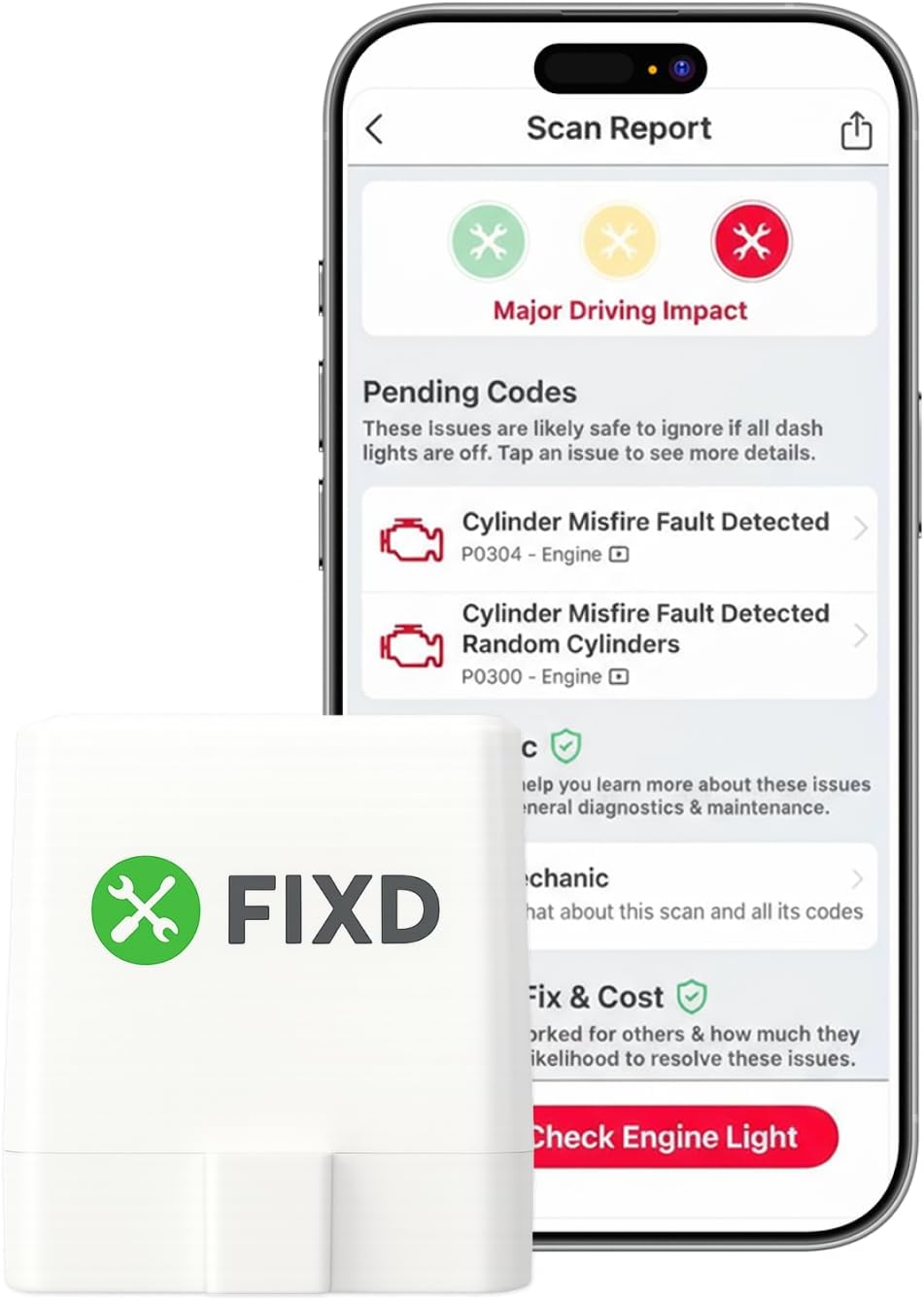
Best Bluetooth OBD2 Scanner
Detect 39,000+ Issues With Enhanced Codes. Save $1000s on car repairs & buying used vehicles by diagnosing problems yourself.
Shop on Amazon
Common Electrical Issues Following Battery Replacement
After replacing your battery, you might see several electrical problems show up. These aren’t usually signs of a bad replacement, they’re often temporary issues that result from the power loss during the swap. Knowing what to expect helps you stay calm and handle the situation.
Dashboard Warning Lights And Fault Codes
Your Audi’s computer loses power during battery replacement, which clears its memory. When power returns, the system runs its self-checks and often finds issues it doesn’t recognize. You’ll see warning lights pop up on your dashboard, check engine lights, ABS warnings, or stability control messages are common culprits.
These warnings don’t mean something is actually broken. They’re usually ghost codes left over from the power loss. Your onboard diagnostic computer stores these codes because it detected an interruption in normal operation. The lights will stay on until you clear the codes properly.
Fault codes can also appear because modules need time to recalibrate after losing power. Some Audi systems are sensitive to power interruptions and flag errors even when nothing is physically wrong. A diagnostic scanner can read these codes and help you understand exactly what your vehicle is reporting.
Battery Not Charging Properly
After battery replacement, you might notice your new battery isn’t charging like it should. The alternator seems fine, but your battery voltage stays low even after driving. This problem often stems from charging system settings that reset when power is cut.
Your Audi stores charging parameters in its electrical control modules. When the battery disconnects, these settings sometimes reset to default values. The alternator then charges your battery using incorrect voltage specifications, leading to undercharging or overcharging issues.
A battery that won’t charge properly creates a cascade of problems. Other electrical systems drain power faster than the alternator can replace it. Your vehicle might struggle to start, run slower, or lose power while driving. Addressing this quickly prevents being stranded without enough charge to start your engine.
Power Window And Lock Malfunctions
Power windows and doors sometimes stop responding after battery replacement. You press the button and nothing happens, or the windows move slowly and hesitantly. These comfort features rely on electrical modules that need to relearn their positions after power loss.
Your Audi’s door modules control power windows, locks, and seat functions. They store memory settings about the fully open and closed positions of each window. When the battery disconnects, these modules forget their reference points and can’t operate windows correctly.
Locks might also fail to function smoothly. The central locking system relies on power modules that communicate across your vehicle’s electrical network. Without proper calibration, locks respond slowly or not at all. Some doors might unlock while others stay locked, creating an inconsistent experience.
These issues typically resolve themselves after the modules relearn their settings through normal driving, though manual recalibration often works faster.
Why These Problems Occur
Understanding the root cause of post-battery-replacement issues helps you avoid them next time or address them correctly now. Your Audi’s electrical system is interconnected in ways that make battery replacement more complex than it appears.
Improper Battery Disconnection Procedures
The order in which you disconnect your battery terminals matters more than most people realize. Audi specifies disconnecting the negative terminal first, then the positive terminal. Reversing this order can cause electrical surges that damage sensitive modules and trigger fault codes.
When the positive terminal disconnects first, current can flow through different paths in your electrical system, creating unexpected voltage spikes. These spikes can trip safety switches in modules throughout your vehicle. Modern Audis have dozens of electronic control units that protect themselves from sudden power changes.
Many people also forget to disconnect the battery from the negative terminal before working on other electrical components. This oversight leaves the vehicle still connected to power, causing short circuits or accidental activation of systems. Your Audi’s modules detect these unexpected power events and log fault codes in memory.
Proper procedure involves disconnecting the negative cable first, waiting a few minutes, then disconnecting the positive. This prevents electrical surges and gives your vehicle’s systems time to power down gracefully. Reconnection follows the opposite order: positive first, then negative.
Loss Of Vehicle Calibration And Memory
Your Audi stores thousands of calibration settings in its electronic modules. These settings control charging voltage, window positions, seat memory, engine timing, and dozens of other functions. When you remove the battery, everything goes dark and your vehicle loses these stored parameters.
Some settings remap automatically through normal driving. Your computer runs self-tests and reestablishes normal ranges for voltage, temperature, and fuel consumption. This recalibration process can take hours or even several driving cycles to complete fully.
Other settings require manual intervention or special equipment to restore. Your alternator needs to know the correct charging voltage for your specific battery type. Your engine needs to relearn its fuel injection timing. Your transmission needs to recalibrate its shift points. Without these settings, your vehicle runs poorly or triggers warning lights.
Modules in your Audi also communicate with each other using coded messages. When power restarts, these modules might not synchronize properly. One module might think the vehicle is in a different state than another module, causing conflicts that generate fault codes. Professional diagnostic equipment can resync these modules and clear these ghost errors.
Diagnostic Steps To Identify The Problem
Before you can fix electrical problems after battery replacement, you need to understand what’s actually happening. Proper diagnosis saves time and money by pointing you toward the real issue.
Reading And Clearing Fault Codes
A diagnostic scanner is your first tool for understanding post-battery problems. These devices plug into your Audi’s OBD-II port and read the fault codes stored in your computer. You can buy a basic scanner for under $100 or visit a mechanic with professional diagnostic equipment.
When you read the codes, write down every single one. The codes tell you which modules detected problems and what those problems are. A P0500 code means your speed sensor isn’t working, while a P0300 indicates random misfires. Your Audi might show multiple codes, creating a pattern that reveals the actual problem.
After reading the codes, clear them using your scanner. This process erases the fault codes from memory so you can see if they return. Drive your vehicle for a complete cycle, include highway driving, city driving, and idle time. If the codes don’t return, they were ghost codes from the power loss. If they return, you have a real electrical problem needing attention.
Some Audi systems require specific sequences to clear codes properly. Your owner’s manual lists the correct procedure for your model year. Professional mechanics use manufacturer-specific tools that clear codes while preserving important settings your vehicle needs.
Checking Electrical Connections
Faulty battery connections cause most electrical problems after replacement. Even a slightly loose cable can interrupt power delivery to critical systems. Pop your hood and inspect both battery terminals carefully.
Look for corrosion around the connection points. Green or blue crusty buildup indicates corrosion that reduces electrical contact. White or light-colored powder suggests oxidation. Both types of corrosion prevent proper current flow and can trigger charging problems.
Gently wiggle each cable where it connects to the battery terminal. The cable shouldn’t move at all, it should be firmly seated. If either cable shifts, the connection is too loose. This loose connection interrupts power delivery intermittently, confusing your vehicle’s electrical modules.
Check that both cables are connected to the correct terminals. The red cable connects to positive, the black cable to negative. If these are reversed, your entire electrical system operates backward, damaging components and triggering multiple fault codes. Many battery replacement mistakes happen here.
Inspect the ground cable that connects your battery’s negative terminal to the vehicle frame. This cable completes the electrical circuit and must be clean and tight. A loose or corroded ground cable causes charging problems and electrical failures throughout your vehicle.
| Connection Point | What To Check | Common Issue |
|---|---|---|
| Battery terminals | Corrosion, tightness | Loose connections interrupt power |
| Ground cable | Corrosion, attachment point | Prevents proper charging |
| Main power cable | Color coding, connections | Reversed polarity damages modules |
| Alternator connections | Tightness, corrosion | Charging system failures |
Solutions And Fixes
Once you’ve identified the problem, several solutions can restore your Audi to normal operation. Some fixes you can handle yourself, while others require professional expertise.
Battery Terminal Cleaning And Reconnection
Clean battery terminals remove corrosion that blocks electrical current. This simple fix solves many post-battery-replacement problems. Start by removing both battery cables, negative first, then positive, and setting them aside.
Mix baking soda with water to create a paste. This gentle cleaner removes corrosion without damaging the battery or terminals. Use an old toothbrush or soft brush to scrub the terminals and cable connections thoroughly. Scrub until the green or blue corrosion disappears and the metal looks shiny.
Rinse the terminals and cables with clean water. Make sure no baking soda paste remains in the connection areas. Dry everything thoroughly with a clean cloth. Moisture left in electrical connections causes corrosion to return quickly.
Reconnect the cables in the correct order: positive first, then negative. Tighten both connections firmly using a wrench. The cables should not move when you wiggle them. Listen for a solid click when the terminal clamps tighten onto the battery post.
After reconnection, start your vehicle and let it run for a few minutes. The alternator should charge the battery normally. Most ghost codes disappear after a complete driving cycle with clean connections.
Module Reprogramming And Recalibration
Some electrical problems require module reprogramming that only professional equipment can handle. Your Audi’s modules need updated calibration data after battery replacement. Dealerships and specialized repair shops have the tools to reprogram modules correctly.
Reprogramming involves connecting your vehicle to a computer that downloads factory settings into your modules. This process takes 30 minutes to several hours depending on how many modules need updating. The cost varies from $200 to $800 depending on your Audi model and which modules need attention.
Your alternator charging voltage must be specifically programmed for your battery type. Your transmission needs to relearn its shift patterns. Your engine management system needs proper fuel injection timing. Professional reprogramming ensures all these systems work together correctly.
Some problems can’t be fixed without professional help. If warning lights persist after clearing codes and cleaning connections, or if your charging system still doesn’t work properly, seek professional service. Attempting advanced repairs without proper tools risks damaging expensive modules.
Here are key fixes to try yourself first:
- Clean battery terminals and connections with baking soda and water
- Ensure both cables are tight and properly connected
- Clear fault codes with a diagnostic scanner
- Drive multiple cycles to allow modules to recalibrate
- Check alternator output with a multimeter (should read 13-14 volts charging)
When To Seek Professional Help
Some electrical problems require professional expertise beyond DIY repairs. Know when to bring your Audi to a specialist instead of wasting time and money on unsuccessful attempts.
Seek professional help if warning lights remain after clearing fault codes and cleaning battery connections. Persistent warning lights indicate problems that self-recovery won’t fix. A professional technician can identify which modules are actually malfunctioning and reprogram them correctly.
If your charging system still doesn’t work after basic troubleshooting, the alternator might be damaged. Professional diagnostic equipment can test alternator output and identify if it’s functioning properly. Testing takes minutes but requires specialized tools most people don’t own.
Charging problems that persist put your vehicle at risk of dying unexpectedly. A dead battery leaves you stranded, potentially in dangerous situations. Professional service prevents this expensive and stressful scenario.
Multiple electrical failures simultaneously suggest deeper problems. If windows don’t work, locks fail, and warning lights appear all at once, your vehicle’s main electrical modules might be damaged. Professional technicians can determine if module damage occurred during battery replacement and repair it appropriately.
Transmission shifting problems or engine performance issues after battery replacement warrant professional attention. These complex systems need expert calibration. Incorrect settings can damage expensive components or create safety hazards while driving.
A certified Audi technician has access to manufacturer-specific diagnostic tools and reprogramming equipment. Dealerships ensure your vehicle receives correct calibration and warranty coverage for the work. Specialized independent shops offer similar service at potentially lower costs.
Frequently Asked Questions
What are the most common electrical problems after battery replacement in Audi vehicles?
Common issues include dashboard warning lights and fault codes, batteries not charging properly, power windows and locks malfunctioning, and electrical module calibration errors. These problems typically result from power loss disrupting stored settings and module communication during the battery replacement process.
Why does my Audi show warning lights after battery replacement?
Warning lights appear because your Audi’s computer loses power during battery replacement, which clears its memory. When power returns, the system runs self-checks and often finds issues it doesn’t recognize, triggering ghost codes. These are usually temporary and disappear after proper code clearing and driving cycles.
How do I fix Audi electrical problems after battery replacement?
Start by cleaning battery terminals with baking soda and water to remove corrosion, ensure cables are tight and properly connected, and use a diagnostic scanner to read and clear fault codes. Drive multiple cycles to allow modules to recalibrate. If problems persist, seek professional reprogramming of your vehicle’s electrical modules.
Can improper battery disconnection cause electrical damage to my Audi?
Yes. Disconnecting the positive terminal first instead of the negative can cause electrical surges that damage sensitive modules and trigger fault codes. Always disconnect the negative terminal first, wait a few minutes, then disconnect positive. Reverse this order when reconnecting.
Why won’t my Audi battery charge after replacement?
Battery charging problems after replacement occur because charging system settings reset when power is cut. Your alternator then charges using incorrect voltage specifications for your battery type. This can be resolved by having professional module reprogramming or by allowing systems to recalibrate through normal driving cycles.
When should I take my Audi to a professional for electrical problems after battery replacement?
Seek professional help if warning lights persist after clearing fault codes and cleaning connections, your charging system doesn’t work after basic troubleshooting, transmission shifting or engine performance issues appear, or multiple electrical systems fail simultaneously. Professional technicians have manufacturer-specific diagnostic tools for accurate repair.