

A BMW drivetrain malfunction is one of those alerts that makes your stomach drop. You see the warning light flicker across your dashboard, and suddenly you’re wondering what went wrong and whether it’s safe to drive. The good news is that understanding what triggers these malfunctions helps you respond calmly and protect both your vehicle and yourself.
A drivetrain malfunction in BMW vehicles occurs when your car’s system detects a problem with the transmission, differential, engine, or motor sensors that control power delivery from the engine to the wheels. This isn’t always an emergency, sometimes a simple fix or sensor recalibration does the trick. Other times, it signals a more serious issue that needs immediate professional attention. Either way, knowing what you’re dealing with makes all the difference.
This guide walks you through the main causes of BMW drivetrain malfunctions, the warning signs to watch for, and what you should do if your car throws this alert while you’re on the road. We’ll also cover preventive maintenance steps to keep your drivetrain healthy for miles to come.
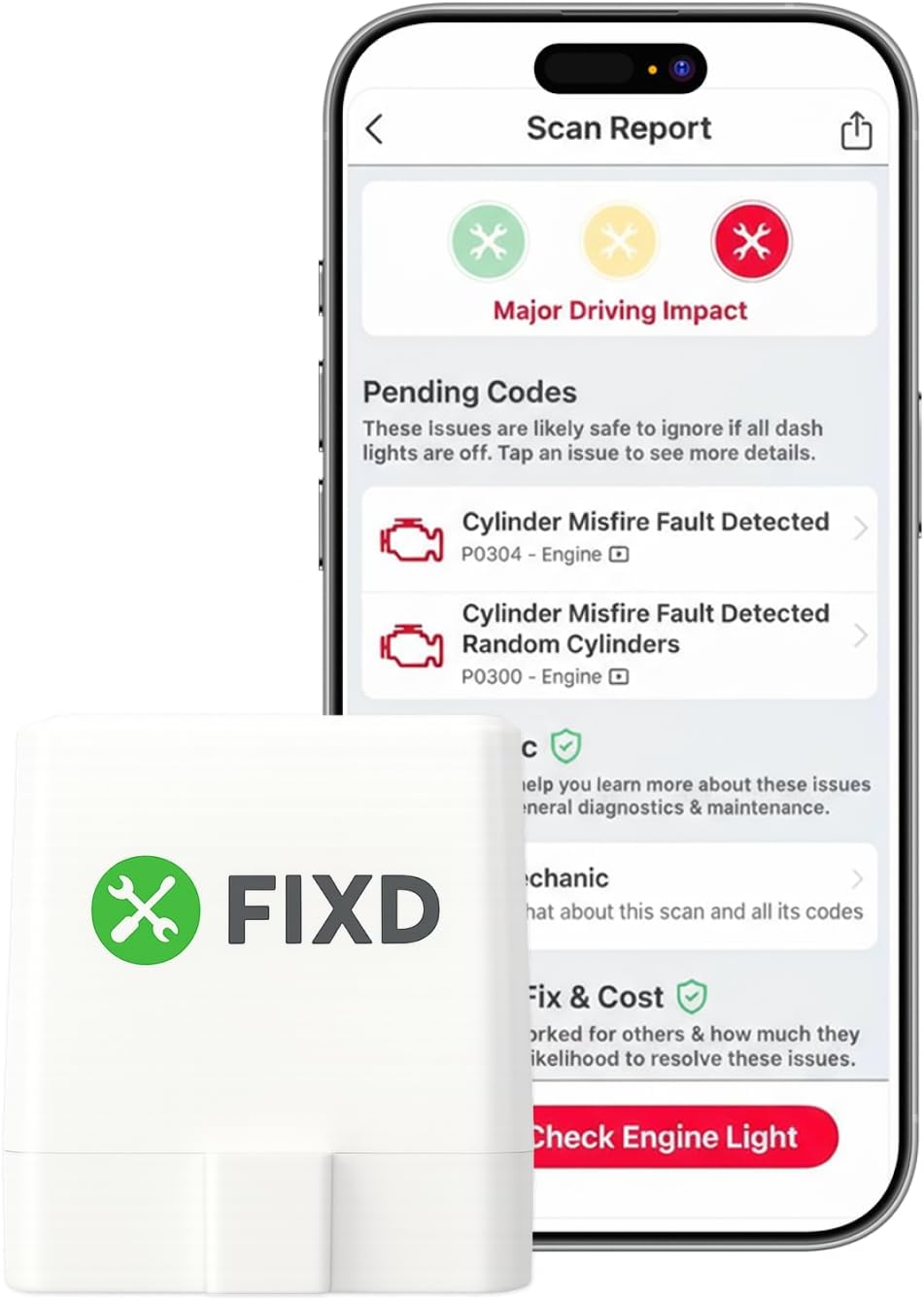
Best Bluetooth OBD2 Scanner
Detect 39,000+ Issues With Enhanced Codes. Save $1000s on car repairs & buying used vehicles by diagnosing problems yourself.
Shop on Amazon
What Is a Drivetrain Malfunction?
Your BMW’s drivetrain is the system that takes the power your engine creates and gets it to your wheels. It includes the transmission, differential, driveshaft, axles, and various sensors that monitor how everything works together. When your car detects a fault in any part of this system, it throws a drivetrain malfunction warning.
Think of it like the communication network of your car’s powertrain. BMW vehicles have sophisticated computer systems that constantly check sensor readings, fluid levels, and mechanical performance. The moment something falls outside the normal range, your car sends you an alert. This could be a flashing “Drivetrain Malfunction” message, a check engine light, or both appearing at once.
The tricky part is that this warning can mean different things. Some malfunctions are minor and temporary, perhaps a sensor glitch caused by extreme cold or a loose connection. Others point to genuine mechanical wear that requires repair soon. Understanding the root cause is the only way to know how urgent your situation really is.
Common Causes of BMW Drivetrain Malfunctions
Several factors can trigger a drivetrain malfunction in your BMW. The most common culprits fall into a few clear categories. Identifying which one applies to you helps determine your next move and whether you can safely continue driving.
Transmission Issues
Your transmission is one of the most complex components in the drivetrain, and it’s also one of the most common sources of malfunctions. Low transmission fluid is a frequent trigger, your fluid levels drop naturally over time, and if they dip too low, the system detects the problem and alerts you. Burning fluid or leaks underneath your vehicle usually cause this issue.
Transmission fluid temperature sensors can also malfunction. These sensors tell your car’s computer whether the fluid is within the safe operating range. A faulty sensor might send bad readings, causing your car to think there’s a problem when there isn’t one. You’ll often see the warning light disappear after a restart in these cases.
Slipping transmission is another serious issue. If your car hesitates when accelerating, feels like it’s revving without gaining speed, or makes unusual noises during shifts, your transmission may be failing. This requires prompt professional diagnosis because transmission damage gets worse the longer you drive.
Differential Problems
The differential allows your wheels to turn at different speeds, which is essential for smooth cornering. When differential fluid gets too hot or runs low, the system triggers a warning. Like transmission fluid, differential fluid needs regular checks and changes as part of normal maintenance.
Differential bearing wear is another issue. Over time, bearings break down and cause grinding sounds or vibration when you turn. A faulty differential lock mechanism can also throw codes, especially on BMW models with all-wheel-drive systems. These problems tend to worsen quickly and demand professional attention.
Engine and Motor Sensor Failures
Your BMW has multiple sensors monitoring engine performance, air intake, fuel injection, and emissions. When any of these sensors fail, your car’s onboard diagnostic system picks up the fault and may display a drivetrain malfunction warning. This is especially common with mass air flow sensors and oxygen sensors, which tend to collect carbon deposits over time.
Motor mounts that hold the engine in place can also deteriorate. When they wear out, the engine shifts slightly during acceleration, potentially triggering sensor faults. Ignition coil failures are another frequent cause, when one coil goes bad, it affects combustion in that cylinder, and your car registers the problem. These issues often appear alongside rough idling or misfires.
Symptoms and Warning Signs
Knowing what to watch for helps you catch problems early. Your BMW sends clear signals when something’s wrong with the drivetrain, and most drivers recognize at least one of these symptoms.
The most obvious sign is the “Drivetrain Malfunction” warning light itself, which appears on your dashboard. Some vehicles also show a check engine light or both lights together. You might also notice performance changes like reduced power, sluggish acceleration, or a vehicle that feels less responsive than usual.
Strange noises are another key indicator. Listen for grinding sounds when turning, whining from the transmission, or clunking when you accelerate or shift gears. These sounds often mean internal parts are wearing down or fluid levels are too low. If you hear anything unusual, it’s worth having a mechanic investigate.
Fluid leaks under your car should never be ignored. Red transmission fluid or dark brown differential fluid pooling under your parked vehicle means something is leaking. Burning smells coming from under the hood often indicate overheated fluid, which stresses the entire drivetrain system.
| Warning Sign | Possible Cause | Urgency Level |
|---|---|---|
| Dashboard warning light only | Sensor fault or low fluid | Check soon |
| Power reduction | Transmission issue or sensor | High |
| Grinding sounds | Bearing wear or low fluid | High |
| Fluid leaks | Seal failure | Medium to High |
| Burning smell | Overheated fluid | High |
Shifting problems are also important. If your transmission hesitates, shifts hard, or refuses to engage properly, address it promptly. These symptoms suggest your transmission is under stress and may fail if you ignore the warning.
Safe Driving Practices When Malfunction Occurs
If your BMW shows a drivetrain malfunction warning while you’re driving, don’t panic. How you respond in the next few minutes can prevent serious damage and keep you safe.
First, stay calm and pay close attention to how your car is performing. If it’s accelerating normally and you notice no other issues, you can usually drive cautiously to a nearby repair shop or your home. Keep your speed moderate and avoid aggressive acceleration or sudden shifts. Don’t drive at highway speeds if the warning just appeared, city streets are safer when you’re unsure of the problem’s severity.
If your car feels sluggish, won’t shift properly, or is making strange noises, treat it more seriously. Pull over safely when possible and turn off the engine. Wait a few minutes before restarting, sometimes a temporary sensor glitch clears itself. If the light comes back on immediately, don’t ignore it. Call for roadside assistance or have the car towed to a trusted mechanic.
Never ignore a burning smell or obvious fluid leaks. These indicate your drivetrain is overheating or losing critical fluid, which can cause sudden mechanical failure. In these cases, stop driving immediately and get professional help.
Here’s what you should do:
- Check your instrument panel for any other warning lights or messages
- Monitor your car’s temperature gauge to ensure the engine isn’t overheating
- Avoid towing anything or carrying heavy loads until the issue is resolved
- Don’t push your vehicle to test whether the warning disappears
- Document when the warning appeared and what you were doing when it happened
Always tell your mechanic the exact moment the warning light appeared, what you were doing when it happened, and any sounds or performance changes you noticed. This information helps them diagnose the problem faster and more accurately.
When to Seek Professional Help
Some drivetrain issues are DIY-friendly territory. Others demand professional expertise. Knowing the difference saves you money and prevents costly damage. A qualified BMW technician has the right diagnostic equipment and knows the specific quirks of your model.
You can handle basic checks yourself. Top up your transmission fluid if it’s low, check your differential fluid level, and look for obvious leaks underneath your car. You can also clear the warning light using an OBD-II scanner to see what fault code is stored. Many auto parts stores loan these scanners for free or charge a small fee.
But, if the warning light returns after you clear it, or if you’re unsure what the fault code means, schedule a professional appointment. Transmission problems, differential bearing issues, and sensor failures all require specialized diagnostic tools and expertise. A mechanic can use BMW’s proprietary software to read live sensor data and identify the exact problem.
Seek immediate help if your car won’t shift, won’t move, or is leaking fluid heavily. These situations can damage your transmission or differential beyond repair if you keep driving. A tow truck is your safest option. You can reach BMW dealerships or certified independent mechanics who specialize in German vehicles through resources like the BMW owner forums or your local auto repair directory.
Trusted professional help matters when it comes to drivetrain problems. A good mechanic will explain exactly what they found, show you the problem if possible, and discuss repair options with you before charging thousands of dollars.
Preventive Maintenance Tips
The best cure for drivetrain malfunctions is prevention. Regular maintenance keeps your transmission, differential, and sensors working properly for years. Most BMW owners who follow their maintenance schedule never see a drivetrain malfunction warning.
Fluid changes are your first line of defense. Change your transmission fluid every 40,000 to 60,000 miles, depending on your specific BMW model and whether you drive in demanding conditions. Differential fluid should be changed every 20,000 to 30,000 miles. Fresh fluid keeps everything running cool and maintains proper lubrication. When fluid gets old and breaks down, it can’t protect your components from friction and heat.
Check your fluid levels regularly, at least monthly if you drive frequently. Pop the hood and look at the transmission dipstick or check your digital display if your BMW has electronic fluid level monitoring. Low levels are easy to spot and fix before they cause problems. While you’re under the hood, scan for leaks that indicate seals are wearing out.
Keep your air filter and cabin air filter clean. A clogged air filter forces your engine to work harder and can trigger sensor faults. Replace your engine air filter every 15,000 to 20,000 miles and your cabin filter annually. These simple replacements keep your engine sensors happy and improve overall performance.
Have your BMW scanned for fault codes every six months or so, especially if you’ve put on significant mileage. A professional scan catches sensor issues before they become serious problems. Many independent mechanics offer this service inexpensively or even free.
Drive smoothly and avoid sudden acceleration or aggressive downshifting. The gentler you are with your transmission and differential, the longer they’ll last. Avoid towing heavy loads unless your BMW is designed for towing, excessive load stresses the entire drivetrain system. Keep your engine properly tuned and have your spark plugs replaced at recommended intervals to prevent misfires that can damage your drivetrain.
Frequently Asked Questions
What causes a BMW drivetrain malfunction warning?
A BMW drivetrain malfunction occurs when the car’s system detects a problem with transmission, differential, engine, or motor sensors. Common causes include low transmission or differential fluid, faulty sensors, transmission slipping, differential bearing wear, and engine sensor failures like mass air flow or oxygen sensor issues.
Is it safe to drive with a drivetrain malfunction warning?
It depends on the severity. If your car accelerates normally with no other symptoms, you can usually drive cautiously to a repair shop. However, if you notice sluggish performance, shifting problems, strange noises, or burning smells, stop driving immediately and seek professional help to avoid serious damage.
How often should I change my BMW transmission and differential fluid?
Transmission fluid should be changed every 40,000–60,000 miles depending on your BMW model and driving conditions. Differential fluid requires more frequent changes every 20,000–30,000 miles. Regular fluid changes prevent overheating and ensure proper lubrication, reducing the risk of drivetrain malfunctions.
Can I clear a drivetrain malfunction warning myself?
You can use an OBD-II scanner to clear the warning and check the fault code yourself; many auto parts stores loan scanners free or cheaply. However, if the warning returns after clearing, the problem persists and requires professional diagnosis. Don’t ignore recurring warnings.
What should I do immediately when my BMW shows a drivetrain malfunction light?
Stay calm and assess your car’s performance. Check for other warning lights, monitor your temperature gauge, and note when the warning appeared and what you were doing. If performance is normal, drive cautiously to a repair shop. If you experience strange noises, fluid leaks, or a burning smell, pull over safely and call for roadside assistance.
How can I prevent BMW drivetrain malfunctions?
Follow your maintenance schedule: change transmission and differential fluid regularly, check fluid levels monthly, replace air filters every 15,000–20,000 miles, and have fault codes scanned every six months. Drive smoothly, avoid aggressive acceleration, and don’t tow heavy loads unless your BMW is designed for it.