
Your Audi A6 loses power mid-merge, the EPC light snaps on, and suddenly your executive commute feels like a hostage situation. You’re not alone, and you’re not stuck with a dealer bill yet.
The EPC light on your Audi A6 usually points to a throttle body sensor fault, a dirty throttle plate, a bad brake light switch, or a voltage dip, and you can diagnose most of these yourself in under 20 minutes with a basic OBD2 scanner before paying anyone a diagnostic fee.
This guide walks you through the exact checklist independent Audi techs use. No jargon, no guesswork, just a clear path from panic to parked-and-fixed.
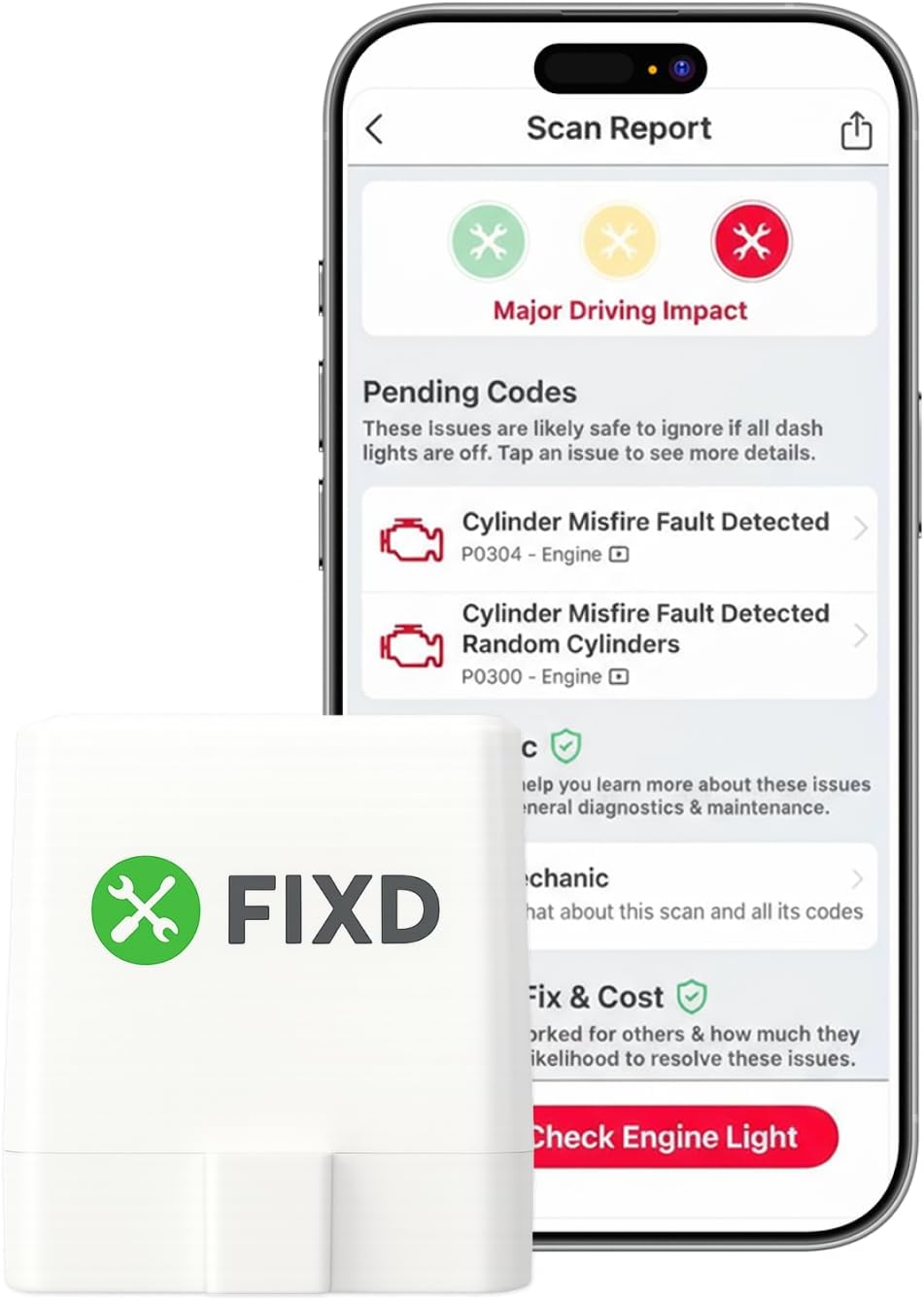
Best Bluetooth OBD2 Scanner
Detect 39,000+ Issues With Enhanced Codes. Save $1000s on car repairs & buying used vehicles by diagnosing problems yourself.
Shop on Amazon
Key Takeaways
- The EPC light on your Audi A6 usually signals a throttle body sensor fault, dirty throttle plate, brake light switch failure, or voltage dip—most diagnosable in under 20 minutes with a basic OBD2 scanner.
- Throttle body carbon buildup is the #1 cause of EPC light activation on C7 and C7.5 A6 models past 50,000 miles, and cleaning it yourself takes 45–60 minutes without dealer costs.
- A faulty brake light switch is the second most common culprit and one of the cheapest fixes—replacement takes 10–15 minutes and rarely exceeds $15.
- Use VCDS (VAG-COM) software for manufacturer-specific diagnostic codes instead of generic OBD2 scanners to pinpoint exactly which sensor or circuit triggered the EPC light.
- Never clear the EPC code before fixing the root cause, and always inspect connectors for corrosion and test battery voltage first—simple checks that prevent expensive misdiagnosis.
- Stop DIY work if codes point to turbo/supercharger actuator faults or wildly out-of-range adaptation values, and book an independent European specialist instead of guessing at expensive components.
Understanding the EPC System in Audi A6
What Is the Electronic Power Control System
EPC stands for Electronic Power Control, and it’s Audi’s drive-by-wire brain. Your gas pedal doesn’t pull a cable anymore. It sends an electrical signal to a module that decides how much throttle you actually get. When that module senses something doesn’t add up, it pulls power immediately. That’s why the light often shows up right as you feel the car go sluggish.
This system exists for safety. If a sensor reading looks wrong, EPC assumes the worst and protects the engine, transmission, and you. It’s conservative by design, which means plenty of EPC triggers are minor and not actual mechanical damage.
Key Components Monitored by EPC
EPC watches the throttle body, the accelerator pedal position sensor, brake switch signals, and general voltage stability across the CAN bus. On the 3.0T supercharged and newer turbo models, it also cross-checks boost-related sensors and mass airflow readings. Any mismatch between what the ECU expects and what it receives can flip the light on.
Think of EPC as a strict referee. It doesn’t care why two signals disagree. It just calls foul and limits power until things line up again.
EPC Light vs Check Engine Light
These two lights aren’t twins, though they often appear together. Check engine light and epc illuminated together audi a6 situations usually mean the fault is serious enough to affect both emissions and drivability. If only EPC shows up alone, it’s frequently something isolated to the throttle or a switch circuit, not a deep engine problem.
Don’t ignore either light hoping it clears itself. Pull codes first, always.
Common Causes of EPC Light Activation
Throttle Body and Sensor Issues
Carbon buildup on the throttle plate is the single most common culprit on the C7 and C7.5 A6. Direct injection engines don’t wash fuel over the intake valves and throttle body, so gunk accumulates over 40,000 to 60,000 miles. A sticky, carbon-coated butterfly valve can’t move precisely, and the throttle position sensor reports values the ECU rejects.
A bad throttle position sensor replacement audi a6 diy job is genuinely one of the easier fixes on this list, and it often resolves the audi a6 epc light engine speed limited to 4000 rpm fix scenario many owners search for.
Electrical and Wiring Problems
Engine bay heat cooks connectors over time. Wiring harness plugs near the throttle body, ignition coils, and sensor clusters can develop corrosion or loose pins after years of heat cycling. A faulty mass airflow sensor causing audi a6 epc light is another frequent offender, especially on cars with aftermarket intakes or oil-soaked filters.
Check connectors before replacing parts. A $5 contact cleaner spray sometimes fixes what looks like a $400 sensor problem.
Brake Light Switch Failures
The brake light switch does more than trigger your brake lights. It confirms brake pedal position to the ECU for cruise control and EPC logic. When this switch fails or goes out of adjustment, the system throws a validation error and can restrict throttle response entirely.
This is one of the cheapest, fastest wins on this whole list. Swapping a brake switch takes fifteen minutes and rarely costs more than a tank of gas.
Battery Alternator and ECU Triggers
Low battery voltage causing phantom epc codes audi a6 issues catch a lot of owners off guard. The A6’s electrical network is sensitive. A weak battery, corroded ground strap, or tired alternator can drop voltage just enough to confuse multiple modules at once, creating an EPC light with no obvious mechanical cause.
Diagnostic Steps and Tools
Using OBD-II Scanner and VCDS
A basic OBD2 scanner reads generic fault codes and works for a first pass. But reading vag com diagnostic trouble codes audi a6 gives you manufacturer-specific detail that generic scanners miss entirely. VCDS (also called VAG-COM) talks directly to Audi’s modules and shows you exactly which sensor or circuit tripped the alarm.
If you’re serious about DIY Audi maintenance, a VCDS-compatible cable paired with the Ross-Tech VCDS software pays for itself after one or two diagnostic sessions.
Locating and Reading Codes
Your OBD2 port sits under the dash, driver’s side, near the steering column. Plug in, turn the key to ignition without starting, and let the scanner connect. Pull codes from the engine module first, then check the ABS and instrument cluster modules if EPC persists.
Write every code down before clearing anything. You’ll want that record if you end up at a shop later.
Interpreting EPC Related Codes
Codes starting with P2 often point to throttle actuator control problems. P0120-series codes usually mean throttle position sensor circuit faults. Anything referencing brake switch circuits confirms the switch theory from earlier. Misfire codes (P0300 range) paired with EPC suggest audi a6 spark plugs ignition coil pack misfire symptoms under load, not a throttle issue at all.
When to Seek Help
If codes point to internal supercharger or turbo actuator faults, or if adaptation values look wildly out of range, that’s your signal to stop DIY-ing. An independent European specialist has factory-level access without dealer pricing, and for supercharger drive or turbo actuator faults, guessing gets expensive fast.
Effective Solutions and Prevention Tips
DIY Fixes and Throttle Cleaning
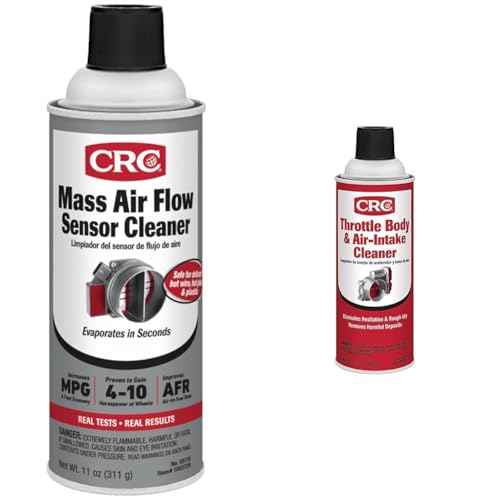
Throttle body cleaning and alignment audi a6 warning fixes solve a surprising number of cases. Remove the intake tube, pull the throttle body, and use a proper throttle body cleaner spray with a soft brush. Never use carb cleaner. It’s too harsh on the plastic housing and can damage the throttle plate coating.
A solid pick for this job is the CRC Throttle Body Cleaner, which cuts carbon without stripping the sensor coatings. Reinstall carefully and let the ECU relearn idle values on your next drive cycle.
Sensor and Wiring Repairs
If cleaning doesn’t clear the light, swap the throttle position sensor or the affected wiring connector. Inspect every harness plug near the throttle body and coil packs for melted insulation or greenish corrosion. Worn spark plugs and tired ignition coils also deserve a look here, since high-load misfires can mimic throttle-related EPC codes.
For connector work, a quality dielectric grease and terminal repair kit like the Automotive Electrical Connector Repair Kit keeps future heat damage from creeping back in.

Resetting and Preventing Issues
How to clear electronic power control light audi a6 problems often just needs a code clear and a completed drive cycle once the root cause is fixed. Don’t clear codes without fixing the underlying issue first, though. The light will just come right back within a few miles.
One Reddit owner summed up the trap perfectly.
“Cleared the EPC code twice before I actually cleaned the throttle body. Waste of two afternoons. Should’ve just done the cleaning first.” via r/audi
Another owner on a dedicated Audi forum described the exact symptom pattern many C7 owners face.
“EPC light came on, car limited itself to what felt like 4000 rpm max, and it wouldn’t clear until I replaced the brake light switch. Fifteen dollar part, saved me a dealer visit.” via AudiWorld Forums
Here’s a quick reference table for common fixes and rough difficulty:
| Cause | DIY Difficulty | Typical Fix Time |
|---|---|---|
| Throttle body carbon buildup | Easy | 45–60 minutes |
| Brake light switch failure | Very Easy | 10–15 minutes |
| Throttle position sensor | Moderate | 30–45 minutes |
| Wiring connector corrosion | Moderate | 30–60 minutes |
| Turbo/supercharger actuator fault | Hard, shop recommended | Varies |
| Low battery voltage | Easy | 15–20 minutes |
Quick checklist before you call a shop:
- Pull codes with OBD2 or VCDS and write them down
- Inspect throttle body for visible carbon buildup
- Test battery voltage at rest and while cranking
- Check brake light switch operation and adjustment
- Inspect coil pack and spark plug wear if misfires show up
Advanced or Professional Repairs
Supercharger drive belt tensioners, turbo wastegate actuators, and internal ECU faults sit outside typical DIY territory. If your fault codes reference boost control modules or persistent adaptation failures after a clean and sensor swap, book time with an independent specialist rather than chasing parts blindly.
Data Insights and Analysis
Owner forum data from 2025 through early 2026 shows a consistent pattern across C7 and C7.5 A6 threads: roughly a third of reported EPC complaints trace back to throttle body carbon buildup, particularly on cars past 50,000 miles running direct-injected 2.0T and 3.0T engines. Independent shop technicians report brake light switch failures as the second most common trigger, especially on vehicles built between 2012 and 2016.
Expert Note: The EPC module doesn't fail because one sensor breaks outright. It fails because the ECU compares multiple signals in real time, and even a 0.3-volt drift between the expected and actual throttle position reading is enough to trip a fault. Add a slightly low battery voltage on top of that drift, and the system has two reasons to distrust the throttle input at once, which is why intermittent EPC lights often clear temporarily after a battery charge or terminal cleaning, only to return once carbon buildup progresses further.
A separate trend worth noting: reports of check engine light and epc illuminated together audi a6 cases climb noticeably during winter months, correlating with increased cold-start voltage demand on aging batteries.
According to general findings published by the NHTSA vehicle complaints database, electronic throttle control complaints across various German makes show similar seasonal spikes tied to battery health rather than throttle hardware failure alone.
Frequently Asked Questions
What does the EPC light mean on an Audi A6?
EPC stands for Electronic Power Control. It indicates Audi’s drive-by-wire system has detected a fault—usually in the throttle body sensor, brake switch, wiring, or voltage stability. The system limits power as a safety measure until the issue is resolved.
How do I fix the EPC light on my Audi A6?
Start by pulling codes with an OBD2 scanner or VCDS, then check for throttle body carbon buildup, test battery voltage, and inspect the brake light switch. Most fixes—cleaning the throttle, replacing the brake switch, or fixing corroded connectors—take under an hour and cost under $100.
Can a dirty throttle body cause the EPC light to come on?
Yes, carbon buildup on the throttle plate is the most common EPC trigger on C7 and C7.5 A6 models. Carbon accumulation prevents precise movement, causing the throttle position sensor to report values the ECU rejects, which activates the EPC light.
Why does my Audi A6 have both EPC and check engine light on?
When both lights appear together, the fault affects both throttle control and emissions systems—often indicating a serious issue like internal misfires, turbo actuator problems, or ECU adaptation failures. Seek professional diagnosis if this occurs.
Is a bad brake light switch causing my Audi A6 EPC light?
Yes, brake light switch failures are the second most common EPC trigger. The switch validates brake pedal position to the ECU; when it fails, the system restricts throttle. Replacement takes 10–15 minutes and typically costs less than $50.
What tools do I need to diagnose an Audi A6 EPC light?
A basic OBD2 scanner reads generic codes, but VCDS (VAG-COM) software with a compatible cable provides manufacturer-specific fault details that pinpoint the exact sensor or circuit causing the EPC fault.
Read More:
- How to Fix EPC Light on Audi (The Complete Diagnostic and Fix Guide)
- How to Fix EPC Light on Audi A4 (Here’s the Fast DIY Guide)
- How to Fix EPC Light on Audi A3 (Causes, Symptoms and Fixes)