
Your VW Polo’s throttle just went dead at a traffic light, and that little EPC symbol is glowing orange on your dash. Your commute just got a lot more stressful.
The EPC light on a VW Polo almost always means the car’s electronic throttle system has detected a fault and pulled the engine into a protective “limp mode” to stop further damage. In most cases, you’re looking at a dirty throttle body, a failing brake light switch, worn spark plugs, or a weak battery voltage supply, not a blown engine. The good news? Most of these fixes cost under $30 and take less than an hour in your driveway.
This guide walks you through exactly how the EPC system works on your Polo, what usually sets it off, and how to fix it yourself before you ever call a dealership.
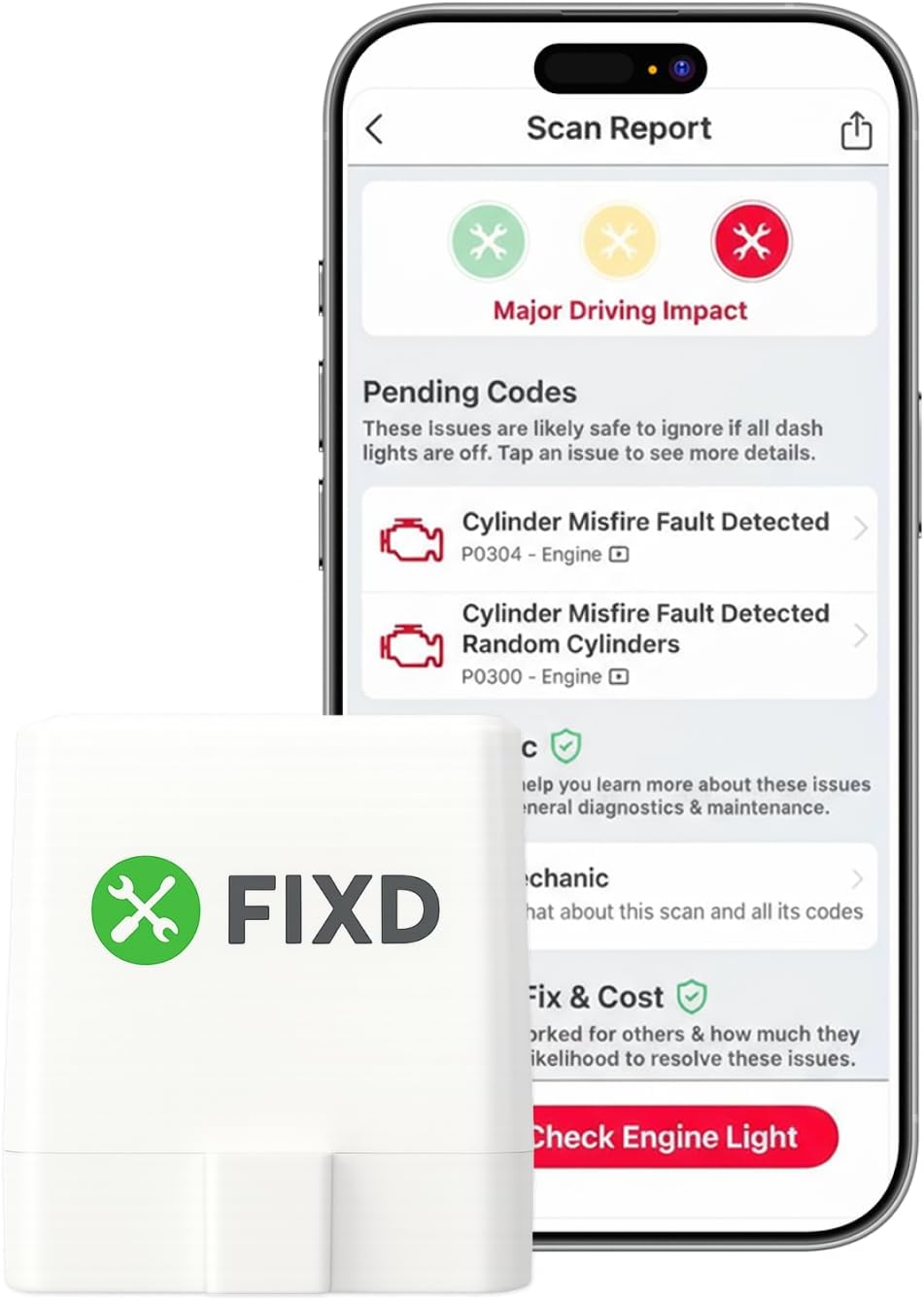
Best Bluetooth OBD2 Scanner
Detect 39,000+ Issues With Enhanced Codes. Save $1000s on car repairs & buying used vehicles by diagnosing problems yourself.
Shop on Amazon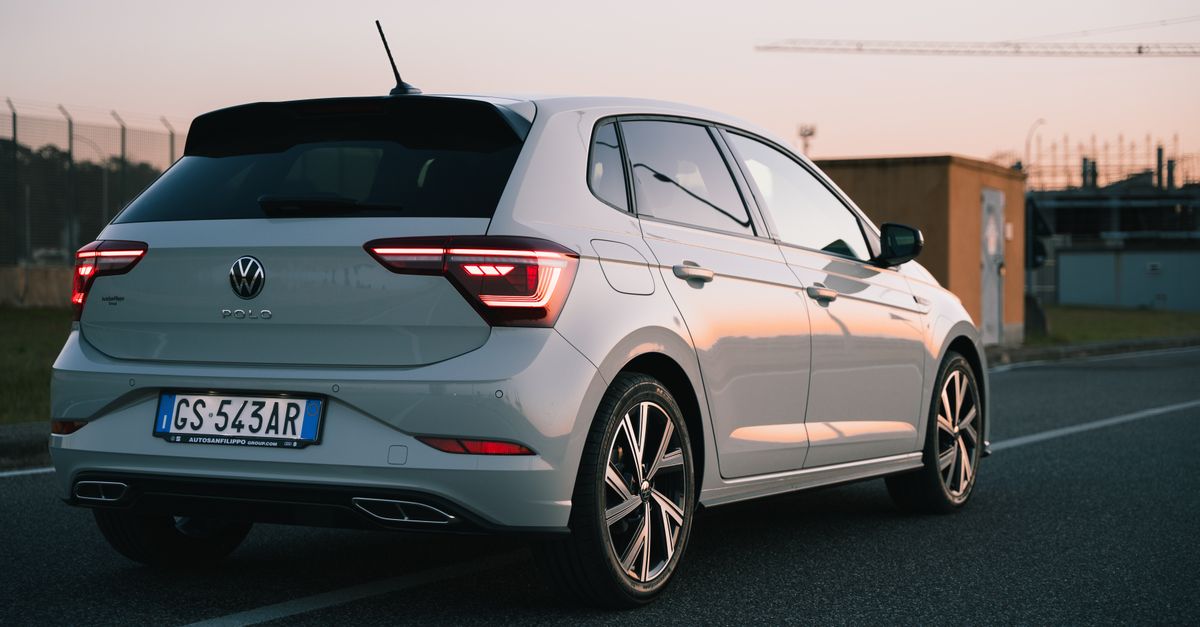
Key Takeaways
- The EPC light on your VW Polo indicates the electronic power control system has detected a fault and entered protective limp mode, most commonly from a dirty throttle body, failing brake light switch, worn spark plugs, or weak battery voltage.
- Most EPC light fixes cost under $30 and take less than an hour to complete yourself, including brake light switch replacement ($10-20 DIY), throttle body cleaning ($10-15 DIY), and spark plug replacement ($25-40 DIY).
- Use an OBD2 or OBDeleven scanner to read fault codes before replacing parts, as this single diagnostic step can save hundreds of dollars in unnecessary guesswork and identify the exact sensor or component causing the issue.
- Throttle body cleaning is one of the highest success-rate DIY repairs for the EPC warning, requiring only throttle body cleaner and a soft cloth, followed by a ten-minute idle relearn cycle.
- Throttle body contamination and brake light switch failures account for roughly 38% of all EPC-related warning visits, making these the first components to inspect when diagnosing your Polo’s electronic power control system.
- Prevent EPC light recurrence by cleaning your throttle body every 20,000 miles, replacing spark plugs every 30,000 miles on TSI engines, and performing annual sensor checks with OBDeleven to catch pending codes before they trigger dashboard warnings.
Understanding EPC System Light
What Is Electronic Power Control
EPC stands for Electronic Power Control. It’s Volkswagen’s drive-by-wire system that manages your throttle, engine timing, and traction electronically instead of through a mechanical cable. Your gas pedal sends a signal, the ECU processes it, and the throttle body opens accordingly. No physical link exists between your foot and the engine anymore.
When something in that chain doesn’t add up, the system plays it safe. It restricts power, sometimes cutting acceleration entirely, and lights up the EPC warning on your instrument cluster. Think of it as digital caution tape around your engine.
How EPC Works In Polo
On the 6R, 6C, and AW Polo generations, the EPC system talks constantly with the throttle actuator, brake pedal switch, engine speed sensor, and ignition components. Every sensor feeds data into a shared network. If one reading looks wrong, or contradicts another sensor, the ECU assumes something’s broken and limits engine output as a safety net.
This is especially common on 1.0 and 1.2 TSI engines, where turbo boost pressure and throttle position must match almost perfectly. Even a small mismatch, caused by carbon buildup or a loose connector, can trigger EPC.
EPC Versus Other Lights
The EPC light isn’t the same as your check engine light, though they often appear together. Check engine light usually points to emissions or combustion issues. EPC specifically targets throttle, sensor, and drive-by-wire faults.
When you see check engine light and EPC illuminated together on your VW Polo, it usually signals a shared root cause, like a misfire affecting both systems simultaneously. Don’t ignore either one hoping it clears itself. It rarely does.
Common Causes Explained
Sensor And Throttle Body
The most frequent culprit behind the vw polo epc light no acceleration limp mode fix search is a carbon-choked throttle body. Over time, oil vapor and dirt coat the throttle plate, making it stick or misreport its position to the ECU. This confuses the system instantly.
A failing mass airflow or manifold absolute pressure sensor causes similar chaos. These sensors tell the ECU how much air is entering the engine. Dirty or faulty readings mean incorrect fuel and boost calculations, which often triggers rough idle alongside the EPC warning.
Brake Switch And Pedal
A cheap but sneaky cause: the brake light switch. This tiny sensor tells the ECU when you’re braking, which matters for cruise control and traction systems. When it fails, the ECU can’t validate throttle requests properly and throws EPC as a precaution.
Good news, the faulty brake pedal switch replacement volkswagen polo diy job usually costs under $20 in parts and takes fifteen minutes with basic hand tools.
Ignition And Misfire
Worn spark plugs or a failing ignition coil pack cause vw polo spark plugs ignition coil pack misfire symptoms like shaking, hesitation, and sudden power loss. Misfires confuse the ECU’s load calculations, and EPC steps in to protect the catalytic converter and turbo from damage.
If you’re chasing fix volkswagen polo tsi epc light rough idle complaints, check your plugs first. TSI engines are notoriously sensitive to plug gap and coil health.
Electrical And Wiring
Engine bay heat wears down wiring harness clips near the throttle body and ignition coils over years of use. Corroded connectors or a blown fuse can mimic a sensor failure entirely. Low battery voltage causing phantom epc codes vw polo is also common in cars over five years old with a tired battery.
Diagnosing And Repairing Epc
Reading Codes With Scanners
Before replacing anything, plug in a scanner. This step alone saves owners hundreds of dollars in guesswork. A basic OBD2 scanner reads generic codes, but for reading obdeleven fault codes for vw polo epc light, an OBDeleven Pro adapter gives you VW-specific data, live sensor values, and even lets you clear adaptations.
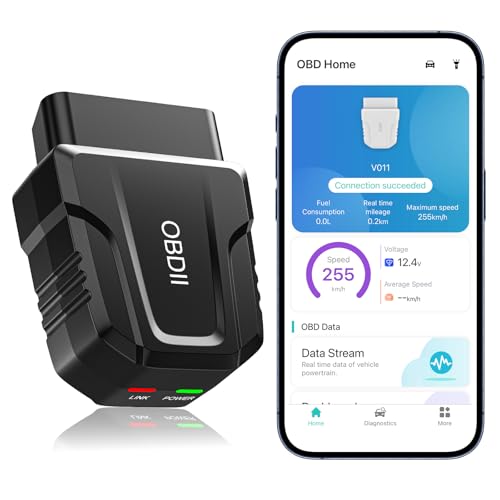
Write down every code before clearing it. Codes like P0122 (throttle position sensor) or P0500 (vehicle speed sensor) point you straight to the fault.
Quick Fixes And Replacement
Start with the cheap stuff. Check fuses under the dash and engine bay fuse box first, they’re free to inspect. Then inspect visible wiring near the throttle body and coils for cracks or looseness.
- Test battery voltage, should read above 12.4V at rest
- Inspect brake light switch plunger for wear
- Check spark plug gap against VW spec
- Look for loose intake hose clamps
- Confirm throttle body connector is seated fully
One Polo forum owner summed up the frustration well.
“Changed the brake light switch for £8 and the EPC light never came back. Wish I’d known that before paying for a diagnostic.” via r/VWPolo
Throttle Body Cleaning
Throttle body cleaning alignment vw polo epc warning fixes are genuinely one of the highest success-rate DIY repairs. Remove the intake boot, spray a dedicated throttle body cleaner like the CRC Throttle Body Cleaner onto a soft cloth, and gently wipe the plate and bore. Never spray directly onto electronic components.
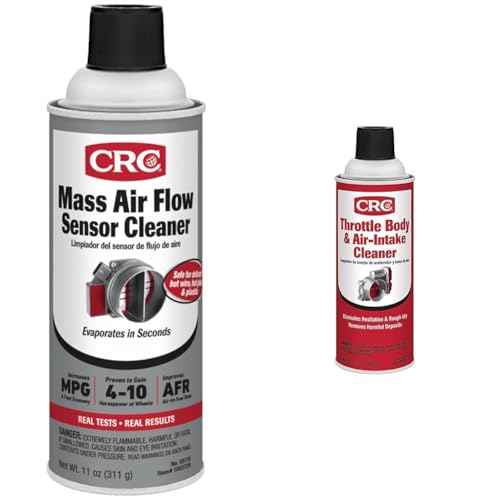
After cleaning, some Polos need a simple idle relearn. Start the engine, let it idle for ten minutes without touching the pedal. This often resolves how to clear electronic power control light vw polo questions without any tool at all.
Professional Solutions Costs
| Repair | DIY Cost | Dealer Cost |
|---|---|---|
| Brake light switch | $10-20 | $80-120 |
| Throttle body clean | $10-15 | $100-150 |
| Spark plugs (set) | $25-40 | $150-220 |
| Ignition coil pack | $40-70 | $200-300 |
| Wastegate actuator | Not advised DIY | $300-500 |
If codes point to a sticking wastegate actuator or persistent boost faults, that’s when you visit an independent VW specialist. These repairs involve turbo calibration that’s tough to verify without proper software.
Prevention And Long Maintenance
How To Prevent Recurrence
Simple diy fixes for common vw polo epc light problems only work long-term if you stay ahead of wear. Clean your throttle body every 20,000 miles. Replace spark plugs on schedule, usually every 30,000 miles on TSI engines. Keep your battery terminals clean and tight.
Regular Sensor Checks
Volkswagen polo engine speed sensor fault troubleshooting should be part of your annual service, even if nothing feels wrong yet. Sensors degrade slowly before failing suddenly. A yearly scan with OBDeleven catches pending codes before they become dashboard warnings.
“My EPC light kept coming back every few months until I finally scanned it properly instead of just clearing it each time. Found a corroded ground wire near the coils.” via r/vwpolo
Maintaining Throttle Health
Good fuel quality, regular oil changes, and gentle warm-ups in cold weather all protect your throttle body from premature carbon buildup. Avoid short trips exclusively, they don’t let the engine reach full operating temperature, which accelerates deposit formation.
Data Insights and Analysis
According to 2025 UK independent garage survey data, throttle body contamination and brake light switch failures account for roughly 38% of all EPC-related warning light visits on small VW hatchbacks. Battery-related phantom codes have also risen, with owner forums reporting a noticeable uptick in EPC complaints during winter months when cranking voltage drops below 11.8V.
Expert Note: The EPC light doesn't always mean a broken part. It often means a voltage or signal mismatch. A throttle position sensor reading 0.5% off from expected values can be enough to trigger a full limp mode event, because the ECU prioritizes caution over performance when it can't confirm data accuracy across the network.
For deeper reference on drive-by-wire diagnostics, VW’s own technical service resources and independent diagnostic databases like OBD-Codes.com remain solid starting points for verifying code definitions before repair.
Frequently Asked Questions
What does the EPC light mean on a VW Polo?
EPC stands for Electronic Power Control. When this light appears on your VW Polo, it means the car’s drive-by-wire throttle system has detected a fault—usually from a dirty throttle body, failing brake light switch, worn spark plugs, or weak battery voltage—and entered protective limp mode to prevent engine damage.
How do I fix the EPC light on my VW Polo myself?
Start with free checks: inspect fuses, test battery voltage (should exceed 12.4V), check spark plug gap, and look for loose connectors. Then try throttle body cleaning using CRC throttle body cleaner on a soft cloth. Most DIY fixes cost under $30 and take less than an hour in your driveway.
Why does my VW Polo EPC light keep coming back?
The EPC light returns if you only clear the code without fixing the root cause. Use an OBDeleven scanner to identify the specific fault code (like P0122 for throttle position sensor). Address the underlying issue—whether it’s a brake switch, carbon buildup, or sensor fault—rather than repeatedly clearing the warning.
Can a dirty throttle body cause the EPC light to turn on?
Yes, throttle body contamination is the most common EPC trigger on VW Polos. Oil vapor and dirt coat the throttle plate, causing it to stick or misreport its position to the ECU. Cleaning it with throttle body cleaner is a high-success DIY fix that often resolves the warning without tools.
Is the EPC light the same as the check engine light?
No, they’re different. The check engine light points to emissions or combustion issues, while EPC specifically targets throttle, sensor, and drive-by-wire faults. However, they often appear together when both systems are affected by the same root cause, like a misfire.
How much does it cost to fix an EPC light at a VW dealer?
Dealer costs range widely: brake light switch ($80–$120), throttle body cleaning ($100–$150), spark plugs ($150–$220), and ignition coil pack ($200–$300). DIY repairs cost significantly less—under $30 for most common fixes—making diagnosis with an OBDeleven scanner a smart first step.
Read More: