

That check engine light on your dashboard can feel like a ticking time bomb. It appears without warning, and suddenly you’re wondering if your car’s about to break down. The good news? In many cases, it’s not an emergency, and understanding what it means and how long it takes to reset can save you time, money, and stress.
Most check engine lights reset automatically after 14 to 100 miles of driving, but this happens only if the underlying issue has been fixed or no longer triggers the vehicle’s diagnostic system. The timeline depends on your car’s onboard diagnostic (OBD) system, the severity of the problem, and whether you’ve addressed the root cause.
Let’s walk through what you need to know about resetting this warning light and keeping your vehicle running smoothly.
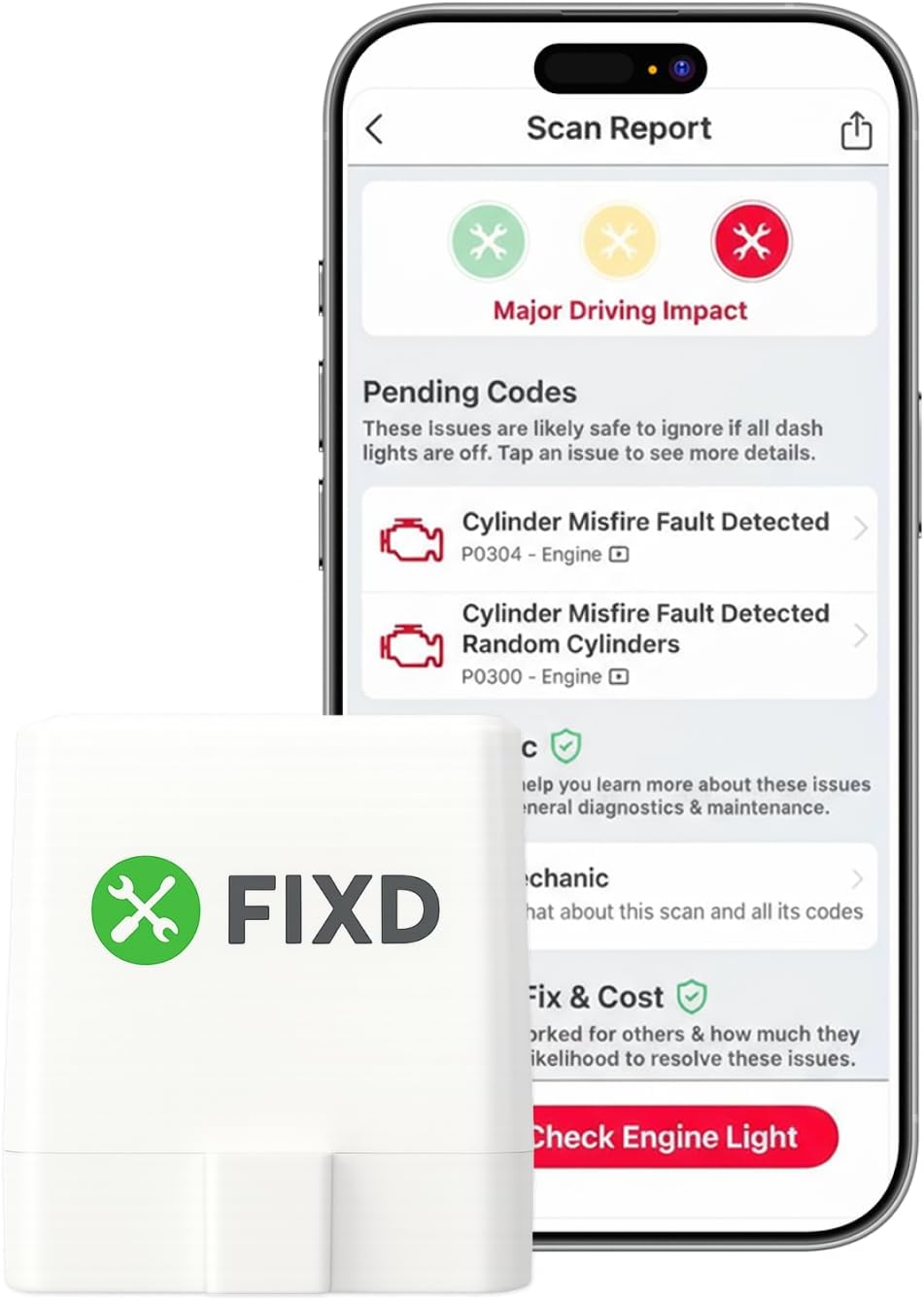
Best Bluetooth OBD2 Scanner
Detect 39,000+ Issues With Enhanced Codes. Save $1000s on car repairs & buying used vehicles by diagnosing problems yourself.
Shop on Amazon
Understanding The Check Engine Light
Your vehicle’s check engine light connects to the OBD-II system, a computer network that monitors engine performance, emissions, and transmission health. This light activates when your car’s sensors detect a problem that could affect performance or emissions.
The check engine light serves as a communication tool between your car and you. It doesn’t mean your engine is failing, it means something isn’t operating within the manufacturer’s specifications. Severity ranges widely. Some issues are minor, like a loose gas cap. Others indicate more serious problems requiring immediate attention.
When the light turns on, your vehicle stores a diagnostic trouble code (DTC) in its system. This code helps mechanics identify exactly what triggered the warning. Modern vehicles use standardized OBD-II codes, making diagnosis consistent across different manufacturers.
What Triggers The Check Engine Light
Several common issues can activate your check engine light. A loose or faulty gas cap ranks among the most frequent culprits, accounting for roughly 25% of check engine warnings. It’s the easiest to fix, simply tighten it or replace it.
Other common triggers include:
- Faulty oxygen sensor problems
- Bad catalytic converter issues
- Worn spark plugs or damaged wires
- Engine misfires during combustion
- EVAP system leaks or failures
More serious issues might involve transmission problems, engine knocking, or significant emissions system failures. Your vehicle’s diagnostic code tells you exactly which system is affected, helping you determine urgency.
Some triggers are immediate and obvious, you’ll notice rough idling or poor acceleration. Others are silent issues that only the diagnostic system catches. That’s why getting the code read is your first step toward understanding what’s happening with your vehicle.
Timeline For Automatic Reset
Here’s what happens automatically: Once the triggering issue is resolved, your vehicle needs driving time for the light to reset. Most cars require 14 to 100 miles of normal driving. But, some vehicles demand up to 7 driving cycles before the light clears.
A driving cycle means your car starts from cold, reaches operating temperature, and completes various driving conditions. This gives the OBD system enough time to run all its tests and confirm the problem no longer exists.
The exact timeline varies by manufacturer. Some vehicles reset faster, while others take longer. If you simply remove the battery terminal to clear the code, the light returns once the problem triggers the system again. This temporary fix doesn’t solve the underlying issue.
One important note: your vehicle won’t automatically reset the check engine light if the problem still exists. If you fix a faulty oxygen sensor, you’ll see the light disappear within that 14-100 mile window. If you ignore the problem, the light stays on indefinitely.
How To Manually Clear The Code
You have two main paths: professional diagnostic scanning or DIY methods. Each approach has advantages and limitations.
Professional Diagnostic Scanning
A mechanic uses an OBD-II scanner connected to your vehicle’s diagnostic port. This device reads and clears codes professionally. Dealership diagnostics cost more but provide manufacturer-specific insights. Independent mechanics offer the same service at lower prices.
Professional scanning identifies the exact problem and whether you’ve properly fixed it. Mechanics clear the code only after confirming the issue is resolved. This prevents the light from immediately returning. The cost ranges from $50 to $200 depending on your location and the mechanic’s rates.
Many dealerships offer free initial diagnostic scans, especially under warranty. Independent shops typically charge a diagnostic fee, though some waive it if you authorize repairs through them.
DIY Methods To Reset The Light
You can reset the check engine light yourself using a handheld OBD-II scanner. These devices range from basic code readers ($25-$60) to advanced scanners ($100+). Basic readers show you the code. Advanced scanners provide live data and allow you to clear codes.
Using a DIY scanner is straightforward. Locate your car’s OBD-II port, usually under the dashboard on the driver’s side. Connect the scanner, navigate to “clear codes,” and confirm. The light resets immediately, but it returns if the problem persists.
Disconnecting your battery for 15 minutes also resets the light, though this clears all stored codes and resets your car’s learning systems. This method works but isn’t ideal because you lose fuel efficiency optimization and radio settings.
The battery method also triggers the light to return once the original problem is detected again during normal driving. It’s a temporary fix, not a solution.
Can The Light Come Back On
Yes, the check engine light can return if the underlying problem isn’t fixed. Clearing the code removes the symptom, not the cause. Your vehicle’s diagnostic system constantly monitors engine parameters. When it detects the same issue again, the light reactivates.
For example, if your oxygen sensor is faulty, clearing the code temporarily turns off the light. But the sensor continues sending incorrect data. Within a few driving cycles, the system detects the malfunction again and illuminates the light.
This cycle repeats until you address the root cause. The check engine light isn’t meant to be suppressed, it’s meant to prompt action. Ignoring it and repeatedly clearing codes damages your engine’s efficiency and can lead to expensive repairs.
But, sometimes the light comes back for a different reason. Your vehicle has multiple sensors. One could fail while another was the original problem. Getting a new diagnostic scan identifies if you’re dealing with the same issue or something different. This information determines your next steps.
| Issue | Typical Cost | DIY Difficulty |
|---|---|---|
| Loose Gas Cap | $15-$30 | Very Easy |
| Oxygen Sensor | $100-$400 | Moderate |
| Spark Plugs | $100-$300 | Moderate |
| Catalytic Converter | $500-$2,000+ | Difficult |
| EVAP System | $200-$600 | Moderate |
Tips To Prevent Future Check Engine Lights
Prevention saves money and frustration. Start with regular maintenance. Change your oil on schedule, replace air filters when needed, and keep up with manufacturer-recommended services. Most check engine lights stem from neglected maintenance.
Check your gas cap regularly. A loose or damaged cap is the easiest trigger to prevent. Make sure it clicks firmly when you close it. If your cap is cracked or broken, replace it immediately, replacements cost $15 to $30.
Use quality fuel and avoid running your tank too low. Consistent low fuel levels can damage your fuel pump and create sensor issues. Fill up at reputable stations to avoid contaminated fuel.
Address warning signs promptly. Rough idling, unusual sounds, or reduced performance indicate emerging problems. Getting these checked early prevents expensive repairs and keeps the check engine light from appearing.
Invest in a basic OBD-II scanner for your home. Having one on hand lets you check codes immediately when the light appears. This knowledge helps you determine if it’s urgent or something you can schedule at your convenience. Modern scanners are affordable and user-friendly.
For comprehensive guidance on vehicle maintenance, visit the EPA’s official vehicle emissions page to understand what your check engine light monitors.
Frequently Asked Questions
How long does it take for check engine light to reset after fixing the problem?
Once you fix the underlying issue, the check engine light typically resets automatically after 14 to 100 miles of normal driving. Some vehicles may require up to 7 driving cycles, where each cycle involves starting from cold, reaching operating temperature, and completing various driving conditions.
What are the most common reasons for check engine light to appear?
A loose gas cap is the leading cause at roughly 25% of cases. Other common triggers include faulty oxygen sensors, bad catalytic converters, worn spark plugs, engine misfires, and EVAP system leaks. A mechanic can read your diagnostic trouble code to identify the exact issue.
Can I reset the check engine light myself without going to a mechanic?
Yes, you can use a DIY OBD-II scanner ($25-$60+) connected to your car’s diagnostic port under the dashboard to clear codes. Alternatively, disconnecting the battery for 15 minutes resets the light, though this method is temporary and clears all stored codes.
Why does the check engine light come back on after I reset it?
The light returns if the underlying problem hasn’t been fixed. Clearing the code only removes the symptom, not the cause. Your vehicle’s diagnostic system continuously monitors engine parameters and reactivates the light when it detects the same issue again during driving.
How much does it cost to professionally diagnose and clear a check engine light?
Professional diagnostic scanning costs $50 to $200 depending on location and mechanic rates. Dealerships often offer free initial scans under warranty, while independent shops typically charge a diagnostic fee, though some waive it if you authorize repairs with them.
What is a driving cycle, and how does it relate to check engine light reset?
A driving cycle occurs when your car starts from cold, reaches operating temperature, and completes various driving conditions. Your vehicle’s OBD system needs these cycles to run all diagnostic tests and confirm the problem no longer exists before automatically resetting the light.