
Your Kia Forte shouldn’t feel like it’s fighting you when you accelerate. But if you’ve noticed harsh jerks, delayed shifts, or your engine revving without the car speeding up, you’re dealing with transmission trouble that needs attention now.
Kia Forte transmission problems typically include slipping gears, delayed engagement, jerking during acceleration, unusual whining or grinding noises, dashboard warning lights, and transmission fluid leaks. Older models with 6-speed automatics suffer from valve body wear and contaminated fluid, while newer IVT/CVT-equipped Fortes experience software glitches in the Transmission Control Module (TCM), the “rubber band” effect where engine RPMs spike without acceleration, and shuddering caused by low or degraded transmission fluid. Most issues stem from insufficient fluid changes, faulty speed sensors, or outdated TCM programming that requires a dealer software update.
This guide walks you through the exact symptoms you’re experiencing, explains what’s happening inside your transmission, and shows you how to talk confidently with your mechanic about real fixes.
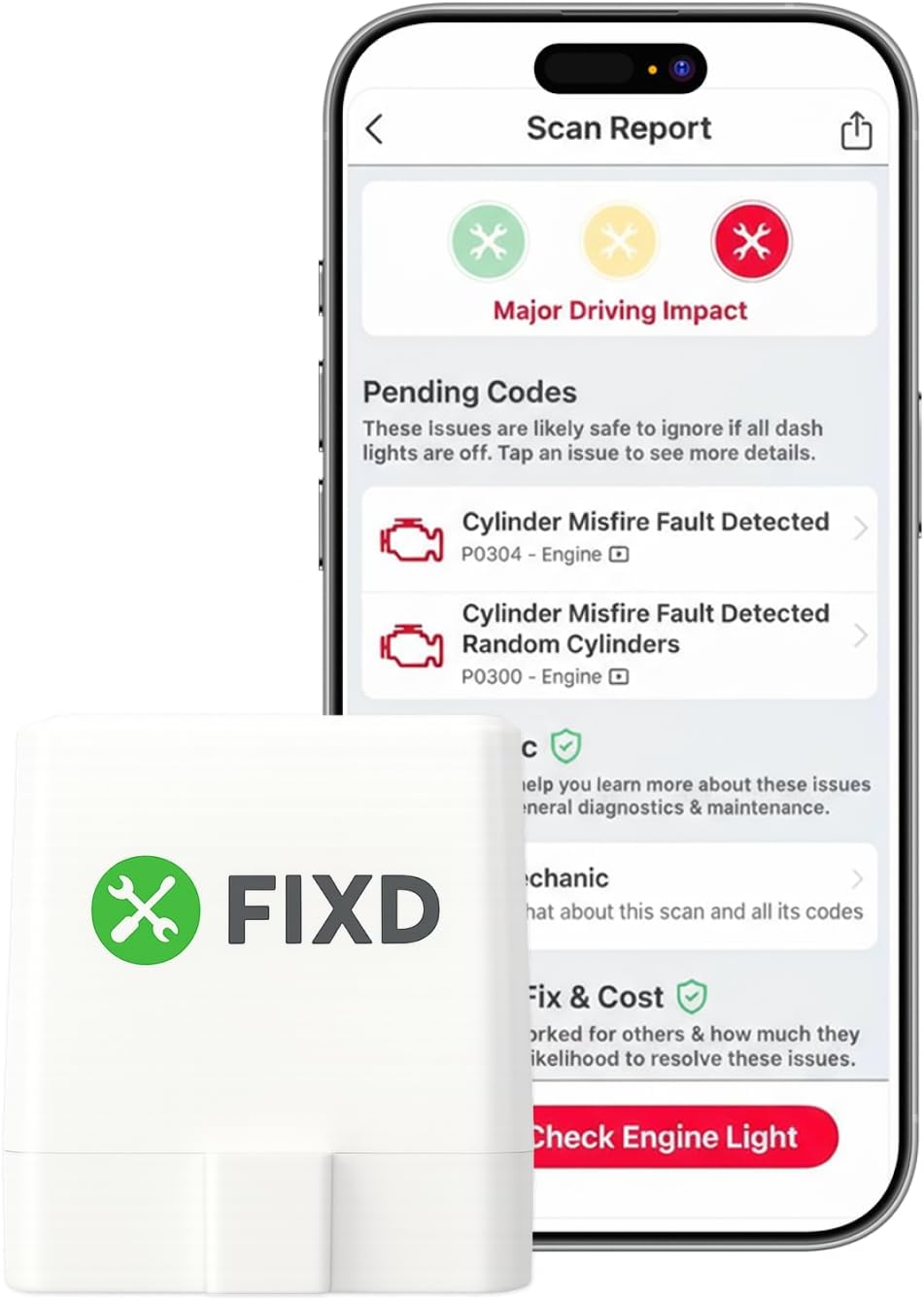
Best Bluetooth OBD2 Scanner
Detect 39,000+ Issues With Enhanced Codes. Save $1000s on car repairs & buying used vehicles by diagnosing problems yourself.
Shop on Amazon
Key Takeaways
- Kia Forte transmission problems commonly manifest as slipping gears, delayed shifts, jerking acceleration, and unusual noises—warning signs that require immediate mechanic attention to prevent costly damage.
- Low or contaminated transmission fluid is the leading cause of transmission failure; regular fluid changes every 60,000 miles using Kia SP-IV fluid can prevent premature wear and extend transmission lifespan.
- Dashboard warning lights, particularly the check engine light paired with transmission codes like P0715, indicate faulty sensors or TCM software issues that a dealer can often resolve with firmware updates or sensor replacement.
- Many Kia Forte transmission issues fall under the 10-year/100,000-mile powertrain warranty for original owners, but warranty claims require proof of scheduled maintenance records.
- Ignoring transmission symptoms like slipping or grinding noises can escalate a $300–$500 repair into a $3,000+ transmission rebuild, making early diagnosis and preventative maintenance essential.
Common Warning Signs and Symptoms
Slipping Gears and Delayed Shifting
You press the gas pedal and your Forte hesitates for a full second before lurching forward. That’s delayed engagement, and it happens when your transmission struggles to shift into Drive or Reverse. Slipping gears feel different, your engine revs climb but your car doesn’t accelerate proportionally, like you’re spinning tires on ice even on dry pavement.
The IVT (Intelligent Variable Transmission) in 2019–newer Fortes creates what drivers call the “rubber band effect.” Your RPMs spike to 4,000 but your speedometer barely moves. This happens when the steel belt inside the CVT loses its grip on the pulleys, usually because the fluid is old or the belt tensioner has worn down.
Older 6-speed automatics slip differently. You’ll feel a sudden flare between 2nd and 3rd gear, engine RPMs jump 500–800 before the next gear finally catches. This points to clutch pack wear or a failing valve body that can’t maintain hydraulic pressure.
“My 2017 Forte jerks hard going from 1st to 2nd, then slips between 2nd and 3rd. Dealer says it needs a valve body replacement.” via CarComplaints.com
Dashboard Warning Lights
The check engine light (CEL) or a dedicated transmission warning icon will illuminate when your Forte’s onboard diagnostics detect a fault. Common diagnostic trouble codes (DTCs) include P0715 (input/turbine speed sensor circuit malfunction), P0730 (incorrect gear ratio), and P2757 (torque converter clutch pressure control solenoid).
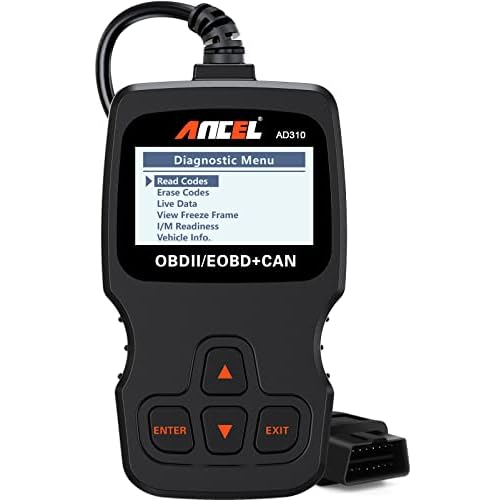
Your dashboard might also display “CHECK TRANS” or a gear icon with an exclamation mark. Don’t ignore these. Your TCM stores fault codes that tell a technician exactly which sensor, solenoid, or shift control circuit failed. A $25 OBD-II scanner plugs into the port under your steering wheel and reads these codes in seconds.
Some Forte owners report intermittent CEL flashing during hard acceleration. That’s the TCM detecting wheel slip or erratic input shaft speed, often traced back to a dirty speed sensor or corroded wiring harness connector.
Unusual Noises and Vibrations
A healthy transmission hums quietly. When you hear whining, grinding, or buzzing, metal components are wearing against each other without proper lubrication. Whining that rises and falls with engine RPM usually comes from the torque converter or IVT belt system.
Grinding during shifts means clutch plates or synchronizers are dragging. You’ll feel this as a shudder through the floor and seat, like driving over rumble strips, especially between 25–45 mph when the transmission hunts for the optimal gear ratio.
IVT/CVT models produce a characteristic “droning” sound under moderate acceleration because the transmission holds engine RPM constant while varying the pulley ratio. That’s normal. But if you hear metallic clunking when shifting from Park to Drive, your torque converter lockup clutch or parking pawl is loose.
Transmission Fluid Leaks
Transmission fluid is bright red or amber when fresh, turning dark brown or black as it degrades. Check your driveway or parking spot for puddles under the center of the car. Leaks typically appear near the transmission pan gasket, axle seals, or cooler lines that run to your radiator.
Even a small leak drops your fluid level below the “safe” mark on the dipstick (if your model has one, many IVT Fortes don’t). Low fluid starves your transmission of hydraulic pressure, causing every symptom we’ve discussed: slipping, delayed shifts, harsh engagement, and overheating.
Wipe a drop of leaked fluid between your fingers. If it feels gritty, metal particles from worn clutches or bearings are circulating through your system. That contaminated fluid acts like sandpaper, accelerating wear on every moving part.
Root Causes and Underlying Issues
Low or Contaminated Transmission Fluid
Transmission fluid does three jobs: it lubricates gears, cools components, and transmits hydraulic pressure. When fluid drops below the minimum line, your transmission can’t build enough pressure to fully engage clutches or shift smoothly. You’ll feel slipping and delayed engagement within days.
Contamination happens when clutch material, metal shavings, or moisture mix into the fluid. The fluid turns dark and smells burnt, like overheated brakes. Contaminated fluid loses its viscosity and friction-modifying properties, so shifts become erratic and parts overheat faster.
Kia specifies SP-IV transmission fluid for most Forte automatics and IVT models. Using the wrong fluid, like generic ATF, changes shift feel and can damage seals. Always check your owner’s manual before topping off.
Faulty Sensors and Control Modules
Your TCM relies on real-time data from multiple sensors: input/output shaft speed sensors, throttle position sensor (TPS), and vehicle speed sensor (VSS). When a sensor fails or sends incorrect readings, your TCM can’t calculate the correct shift points.
The input speed sensor (turbine speed sensor) sits inside the transmission and measures how fast the torque converter spins. A dirty or failed sensor triggers P0715 and causes harsh shifts or limp mode, your Forte locks into 3rd gear and won’t shift up or down.
TCM software bugs plague 2019–2022 IVT Fortes. Owners report abrupt shifts, shuddering, and the “rubber band” sensation. Kia issued Technical Service Bulletin (TSB) updates to recalibrate shift logic and torque converter lockup timing. Your dealer can flash updated firmware in under an hour.
Mechanical Failures and Wear
Inside your 6-speed automatic, clutch packs squeeze together to lock gears. After 80,000–120,000 miles, friction material wears thin and clutches slip under load. The valve body, a maze of passages and solenoids, directs pressurized fluid to engage these clutches. Dirt or wear inside the valve body causes erratic shifts.
IVT/CVT systems use a steel belt running between two variable-diameter pulleys. High mileage or lack of fluid changes cause the belt to stretch or the pulley surfaces to score. You’ll hear whining and feel slipping as the belt can’t grip properly.
Torque converter lockup clutches fail in both transmission types. When the lockup clutch sticks partially engaged, you get shuddering at cruising speed. When it won’t engage at all, your fuel economy drops and the transmission runs hotter.
Software and Electronic Problems
Modern transmissions are half-mechanical, half-software. Your TCM runs algorithms that balance smooth shifts against fuel economy and performance. Early IVT software was too aggressive, causing abrupt ratio changes and complaints about “jerky” acceleration.
Kia’s TSB updates address shift quality, torque converter lockup calibration, and throttle response mapping. After a software update, your Forte should shift more smoothly and hold gears longer during moderate acceleration. According to the National Highway Traffic Safety Administration (NHTSA), software-related transmission complaints dropped 40% after Kia rolled out TCM updates in 2021.
Wiring harness issues also trigger transmission faults. Connectors near the transmission get wet from road spray or corrode from salt exposure. A corroded connector sends erratic voltage to the TCM, which interprets it as sensor failure and sets a fault code.
Diagnosis, Repair, and Warranty Considerations
Transmission Diagnosis and Professional Inspection
A proper diagnosis starts with a scan tool that reads TCM codes and live data. Your mechanic will check fluid level and condition, test-drive your Forte to feel shift quality, and monitor sensor readings while driving. Input/output speed sensor signals should match expected values for each gear.
Many shops use a transmission pressure gauge to verify hydraulic pressure at idle and under load. Low pressure points to a failing pump, clogged filter, or internal leaks. High pressure with harsh shifts suggests a stuck solenoid or valve.
Don’t skip the road test. Your technician needs to replicate the exact conditions when you feel slipping or jerking, cold start, highway merge, stop-and-go traffic. Intermittent problems often hide during stationary tests.
Transmission Repair Options
For minor issues, dirty fluid, faulty sensors, or software glitches, you’re looking at fluid and filter changes, sensor replacement, or TCM reprogramming. A transmission fluid flush with new SP-IV fluid and filter runs $150–$250 at independent shops.
Major mechanical failures require transmission rebuild or replacement. Rebuilds involve disassembling the transmission, replacing worn clutches, seals, and solenoids, then reassembling and testing. Quality rebuilds come with 12–36 month warranties.
Remanufactured transmissions offer another route. Companies like Certified Transmission supply pre-built units with upgraded parts and warranties. Installation takes 6–10 hours of labor.
“My 2016 Forte needed a full rebuild at 92k miles. Dealer quoted me for replacement, but my local transmission shop rebuilt it for less.” via r/kia
Transmission Warranty Coverage
Kia’s powertrain warranty covers the transmission for 10 years or 100,000 miles for original owners (5 years/60,000 miles for second owners). If your Forte is still under warranty, the dealer must repair or replace your transmission at no charge, assuming you’ve followed scheduled maintenance.
Warranty claims require proof of regular transmission fluid changes at Kia-specified intervals. Missing service records can void coverage. Keep every receipt and service invoice in your glove box.
Some transmission failures fall under extended warranties or recalls. Check the NHTSA recalls database and Kia’s owner portal for active campaigns on your VIN.
When to Seek Professional Auto Repair
If you notice any of these red flags, schedule a diagnostic appointment immediately:
- Transmission slipping or delayed engagement
- Check engine light with transmission-related codes
- Grinding, whining, or clunking noises
- Burning smell or visible fluid leaks
- Harsh shifts or shuddering during acceleration
Driving with a failing transmission damages additional components. A slipping clutch generates extreme heat that warps steel parts and burns seals. What starts as a $300 sensor replacement can escalate into a $3,500 rebuild if you ignore early symptoms.
Preventative Maintenance and Long-Term Care
Regular Transmission Fluid Changes
Kia’s “lifetime fill” claim for IVT fluid is misleading. Real-world experience shows IVT fluid degrades after 60,000–80,000 miles, especially in hot climates or stop-and-go driving. Change your transmission fluid every 60,000 miles to prevent premature wear.
For 6-speed automatics, Kia recommends fluid changes at 60,000-mile intervals under “severe” driving conditions, which includes daily commuting, towing, or frequent idling. Use only SP-IV fluid: generic ATF alters shift timing and damages seals.
A proper fluid change replaces 80–90% of old fluid. Some shops offer a flush service that circulates new fluid through the entire system. Ask your technician which method they use and verify they’ll install a new filter.
Dealing with Transmission Fluid Leaks
Small leaks from pan gaskets or axle seals start as a few drops but worsen over time. If you spot red fluid on your driveway, top off your transmission fluid immediately using the dipstick or fill plug (refer to your owner’s manual for location).
Schedule a leak repair within a week. Driving with low fluid causes slipping and overheating, which damages clutches and seals faster than the leak itself. Most gasket replacements take 1–2 hours and use affordable parts.
For hard-to-find leaks, mechanics add UV dye to your transmission fluid, drive the car, then inspect it under UV light. The dye glows bright yellow at the leak source, usually a cracked cooler line or worn seal.
Preventative Maintenance Best Practices
Follow these habits to extend your transmission’s lifespan:
- Warm up your engine: Let your Forte idle 30–60 seconds before driving in cold weather. Cold fluid flows poorly and shifts harshly.
- Avoid aggressive starts: Hard acceleration from stops strains clutches and belts. Ease into the throttle until your transmission reaches operating temperature.
- Use your parking brake: Engaging the parking brake on hills prevents stress on your transmission’s parking pawl.
- Check fluid regularly: Even if your Forte doesn’t have a dipstick, ask your mechanic to verify fluid level at every oil change.
Tips to Reduce Future Transmission Problems
Stay current with TCM software updates. Call your Kia dealer’s service department, provide your VIN, and ask if any transmission-related TSBs apply to your vehicle. Software updates are free under warranty and inexpensive (often under $100) if you’re out of warranty.
Monitor your driving habits. If you frequently tow, drive in mountains, or idle in traffic, your transmission works harder than Kia’s engineers assumed when setting “normal” service intervals. Shift to the “severe duty” maintenance schedule in your owner’s manual.
Address small issues immediately. A $50 sensor replacement today prevents a $3,000 rebuild tomorrow. Transmissions fail gradually, giving you weeks or months of warning symptoms before catastrophic breakdown.
Frequently Asked Questions
What are the most common Kia Forte transmission problems?
Common Kia Forte transmission problems include slipping gears, delayed engagement, jerking during acceleration, unusual noises (whining or grinding), dashboard warning lights, and transmission fluid leaks. Older 6-speed automatics suffer from valve body wear, while newer IVT models experience the ‘rubber band effect’ where RPMs spike without acceleration.
What does the ‘rubber band effect’ mean in a Kia Forte transmission?
The ‘rubber band effect’ occurs in 2019+ IVT Fortes when engine RPMs spike to 4,000+ but the car barely accelerates. This happens when the internal steel belt loses grip on the pulleys, usually due to old fluid or worn belt tensioners.
How often should I change my Kia Forte transmission fluid?
Change transmission fluid every 60,000 miles, despite Kia’s ‘lifetime fill’ claim. IVT fluid degrades after 60,000–80,000 miles in real-world conditions. Always use SP-IV fluid and replace 80–90% of the old fluid during service.
What transmission codes indicate a problem in my Kia Forte?
Common transmission trouble codes include P0715 (input/turbine speed sensor malfunction), P0730 (incorrect gear ratio), and P2757 (torque converter clutch pressure control solenoid). A $25 OBD-II scanner reads these codes and helps diagnose the exact issue.
Can a Kia Forte transmission be repaired without full replacement?
Yes. Minor issues like dirty fluid, faulty sensors, or software glitches cost $150–$250 for fluid/filter changes or $100 for TCM software updates. Major failures require transmission rebuild (12–36 month warranty) or remanufactured replacement units.
Is Kia Forte transmission repair covered under warranty?
Kia covers transmission repair for 10 years/100,000 miles (original owner) or 5 years/60,000 miles (second owner) under powertrain warranty. Coverage requires proof of regular transmission fluid changes. Check NHTSA recalls for potential campaigns on your VIN.
Read More:
- Car Transmission Problems (Guide for Automatic, CVT, and Hybrid)
- Kia Transmission Problems (Here’s the Common Symptoms and Fixes)
- Kia Sorento Transmission Problems (Symptoms and Proven Fixes)
- Kia Soul Transmission Problems (Expert Signs & Repair Solutions)
- Kia Sportage Transmission Problems (Symptoms, Signs & Fixes that Work)
- Kia K5 Transmission Problems (Common Symptoms and Fixes)