
Few things are more frustrating than loading groceries only to find your Toyota Highlander’s power back door completely unresponsive. No beep, no movement, nothing.
If your Toyota Highlander trunk won’t open, the most common culprit is the Power Back Door (PBD) “Main Switch” inside the glove box, it’s often accidentally toggled off. Other frequent causes include a blown fuse in the driver-side junction box, a liftgate motor that needs re-initialization, or sensor obstructions near the tailgate. Before scheduling a dealership visit, check the Main Switch first, then work through fuse inspection and manual override steps outlined below.
This guide walks you through every fix, from the simplest glove box check to emergency manual release methods. Whether you own a 2014 or 2025 Highlander, these steps apply across generations of Toyota’s power liftgate system.
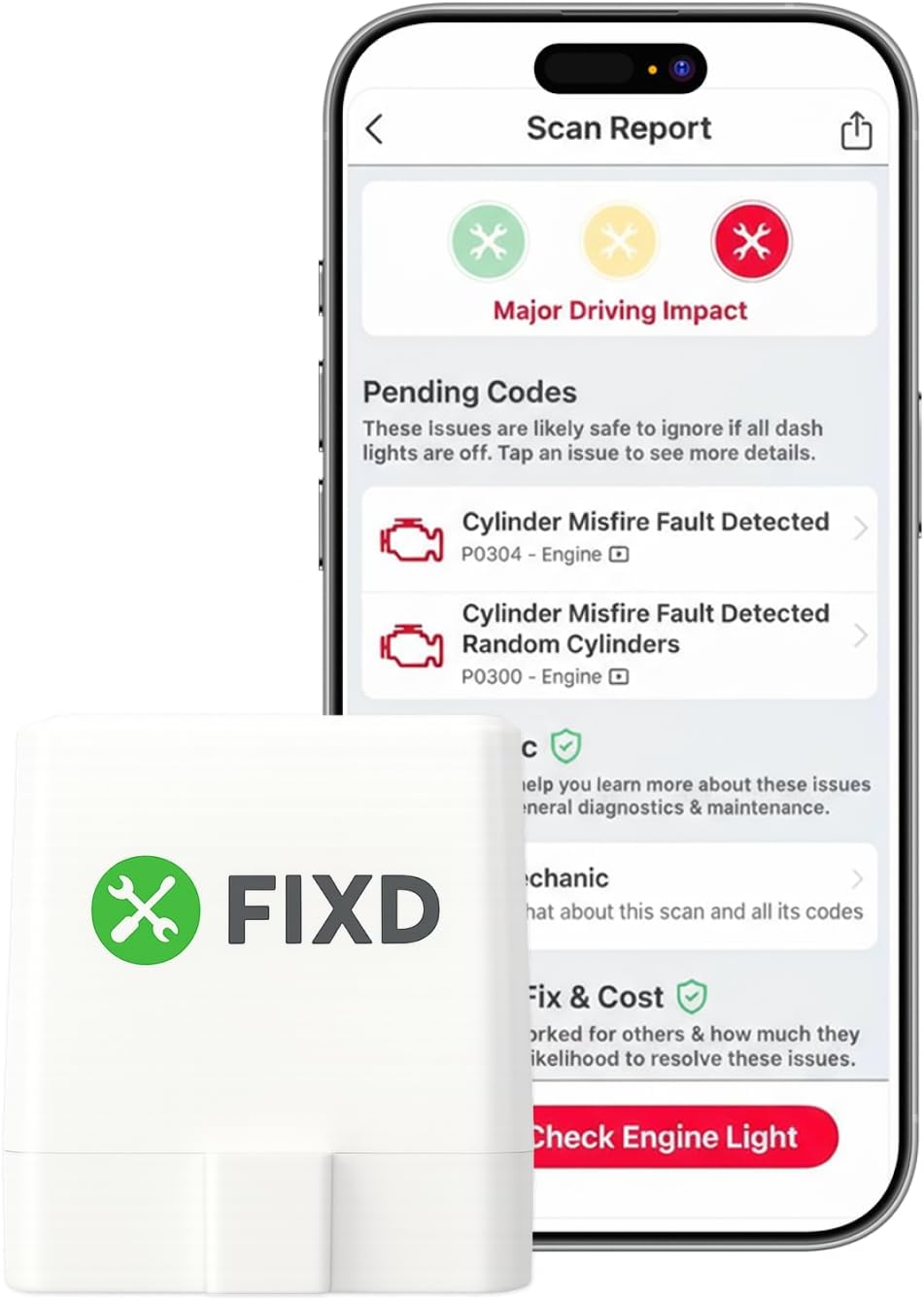
Best Bluetooth OBD2 Scanner
Detect 39,000+ Issues With Enhanced Codes. Save $1000s on car repairs & buying used vehicles by diagnosing problems yourself.
Shop on Amazon
Understanding Why the Trunk Won’t Open
Your Highlander’s power back door is a complex electromechanical system. Understanding its components helps you pinpoint failures faster and avoid unnecessary repair bills.
Power Liftgate System Overview
Toyota’s Power Back Door system uses an electric motor, a control ECU, multiple sensors, and hydraulic struts working together to open and close your tailgate automatically. You can trigger it via the key fob, dashboard button, or the external handle on the liftgate itself. The system also includes a cinching mechanism that pulls the door fully shut and a latch assembly that secures it in the closed position.
A dedicated PBD ECU processes your input signals and commands the motor accordingly. When any single component in this chain fails or loses communication, the entire system can lock up. According to Toyota’s technical service information, the power back door system also relies on a vehicle speed sensor input, the liftgate won’t operate if the vehicle thinks it’s moving, even at 0 mph with a faulty signal.
Common Causes for Trunk Malfunction
The number one reason your Toyota Highlander power back door stops working is deceptively simple: the Main Switch inside the glove box got turned off. This small toggle disables the entire PBD system, and passengers or valets frequently bump it without realizing.
Other common causes include:
- Blown PBD fuse (typically a 25A or 30A fuse in the driver-side junction box)
- Liftgate motor failure or loss of initialization
- Sensor obstructions, dirt, ice, or debris blocking the liftgate’s proximity or pinch sensors
- Dead key fob battery preventing remote activation
- Weak 12V vehicle battery unable to power the motor
- Faulty latch assembly that won’t release mechanically
“Checked everything, turned out the main switch in the glove box was off. My kid must have hit it. Two seconds to fix what I thought was a $500 problem.” via r/ToyotaHighlander
Electronic vs. Mechanical Issues
Distinguishing between electronic and mechanical failures saves you time. If none of the activation methods work, fob, button, or handle, the issue is likely electronic (Main Switch off, blown fuse, dead battery, or ECU fault). If you hear the motor whir but the gate doesn’t move, you’re dealing with a mechanical problem like a seized latch, broken strut, or misaligned striker.
| Symptom | Likely Cause | Type |
|---|---|---|
| No response from any button | Main Switch off or blown fuse | Electronic |
| Motor sounds but gate stuck | Latch failure or broken strut | Mechanical |
| Gate opens but won’t close | Sensor obstruction or misalignment | Electronic/Sensor |
| Key fob only doesn’t work | Dead fob battery | Electronic |
| Gate opens partially | Weak vehicle battery or worn struts | Mechanical/Electrical |
Troubleshooting Steps for a Non-Responsive Trunk
Work through these steps in order. Most Toyota Highlander trunk issues resolve within the first two checks.
Checking Power Liftgate Settings and Fuses
Step 1: Check the Main Switch. Open your glove box and look for a small toggle or button labeled “Power Back Door” or “PBD.” On most 2014–2025 Highlanders, it’s on the left wall inside the glove compartment. Make sure it’s in the ON position. This is the Toyota Highlander main switch location glove box fix that resolves roughly half of all trunk complaints.
Step 2: Inspect the fuse. Locate the driver-side instrument panel junction box (usually to the left of the steering column behind a cover). Check the PBD fuse, it’s typically labeled in your owner’s manual fuse diagram. A blown 25A or 30A fuse here will kill all power liftgate functions. Replace it with the correct amperage fuse only. If the replacement blows immediately, you have a short circuit that requires professional diagnosis.
Step 3: Check liftgate height settings. On some models, the liftgate height setting can be accidentally set to minimum, making it seem stuck. Reset the power back door height by pressing and holding the liftgate close button on the gate itself until it beeps.
Identifying Motor, Switch, and Sensor Problems
If the Main Switch is on and fuses are intact, test each activation method individually. Press the dashboard PBD button, use the key fob, and try the external handle. If only one method fails, the problem is isolated to that input (a bad button, fob battery, or handle switch).
For Toyota Highlander liftgate sensor obstruction issues, inspect the rubber seal around the tailgate opening. Dirt, ice buildup, or small debris caught in the pinch-sensor strip can trick the system into thinking there’s an obstacle. Clean the entire seal perimeter with a damp cloth.
To perform a Toyota Highlander liftgate motor reset procedure, disconnect the vehicle’s 12V battery for 60 seconds. Reconnect it, then open and close the power liftgate using the dashboard button three full cycles. This re-initializes the motor’s position memory and often resolves issues where the gate stalls mid-travel.
Examining Key Fob and Electrical Issues
A weak key fob battery is an overlooked cause. Replace the CR2032 battery in your fob and test again. If your Highlander’s 12V battery is older than three years, have it load-tested, a battery with sufficient voltage but poor cranking amps can fail to power the liftgate motor.
If you want to run deeper diagnostics at home, an OBD2 scanner like the FOXWELL can pull body control module codes related to your liftgate ECU. This helps you identify specific sensor or actuator faults before visiting a shop.

Manual and Emergency Opening Methods
When electronic fixes don’t work, you need cargo access now. Here’s how to get your tailgate open manually.
Locating the Manual Trunk Release Lever
Most 2014–2025 Toyota Highlanders have a manual release accessible from inside the cargo area. Fold down the rear seats and look for a small lever or pull-tab near the latch mechanism at the top of the tailgate interior trim. Pulling this lever mechanically disengages the latch, bypassing the electronic system entirely.
Using the Emergency Trunk Release
If you can’t access the cargo area from inside, some Highlander models allow you to release the tailgate by inserting your physical key into the lock cylinder on the liftgate exterior (often hidden behind a small cover near the license plate). Turn the key and manually lift the gate. With the electronic system disabled, the gate will feel heavy, the motor isn’t assisting you.
“Had to use the manual release from inside. Folded the seats, found the lever, and popped it open. Saved me a tow to the dealer.” via ToyotaNation Forum
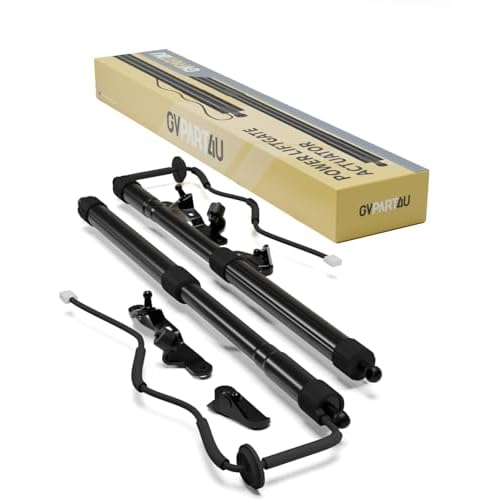
If your struts are worn and the gate won’t stay open on its own, prop it with a support rod or have someone hold it. Consider picking up a set of replacement liftgate struts, they’re inexpensive and straightforward to install with basic hand tools.
When to Remove Panels or Access Mechanisms
In rare cases where both electronic and standard manual methods fail, you may need to remove the interior tailgate trim panel to access the latch mechanism directly. This requires a trim removal tool and some patience. Disconnect the wiring harness from the latch, then manually trip the release lever on the latch housing itself. Only attempt this if you’re comfortable with basic automotive disassembly. If the latch assembly is physically broken, you’ll need a replacement part.
Preventative Maintenance and Long-Term Solutions
Once you’ve resolved the immediate issue, a few habits will prevent repeat failures.
Cleaning Sensors, Latches, and Tracks
Every three months, wipe down the pinch-sensor strips along the tailgate opening with a damp microfiber cloth. Apply white lithium grease to the latch striker and hinges twice a year. If you live in a cold climate, silicone spray on the rubber weather seals prevents ice bonding that triggers false sensor readings and blocks the gate from opening.
Replacing Faulty Components
The most commonly replaced power liftgate parts on Highlanders include:
- Liftgate struts, average lifespan of 5–7 years: $30–$60 for a pair
- Latch assembly, $80–$150 for the part: often fails after 100K miles
- PBD motor, $200–$400: typically lasts the life of the vehicle unless water intrusion occurs
- Pinch sensors, $50–$100: degrades with UV exposure over time
Always use OEM or OEM-equivalent parts. Cheap aftermarket latch assemblies are a common source of repeat failures in online forums.
Professional Repair and Cost Considerations
Expect to pay $150–$300 in labor at a dealership for liftgate motor or latch replacement. Independent shops typically charge 30–40% less. If your Highlander is under Toyota’s powertrain or comprehensive warranty (3 years/36,000 miles), the PBD system is covered.
Data Insights and Analysis
According to NHTSA complaint data reviewed through early 2026, power liftgate issues rank among the top 10 reported electrical complaints for the Toyota Highlander across the 2020–2024 model years, with a noticeable spike in reports during winter months when sensor and latch freeze-ups increase. CarComplaints.com data shows the 2020 Highlander generation received the highest volume of liftgate-related complaints, particularly around the latch and motor assembly.
Expert Note: "The PBD motor doesn't typically fail from overuse, it fails from voltage drops. When a vehicle's 12V battery degrades below 11.8V under load, the liftgate ECU enters a protective mode and refuses to operate. Owners replace motors unnecessarily when the real fix is a $180 battery replacement. Always load-test the battery before condemning the motor."
Frequently Asked Questions
Why won’t my Toyota Highlander trunk open with the power button?
The most common cause is the Power Back Door (PBD) Main Switch in your glove box being accidentally turned off. Check the left wall inside your glove compartment and ensure it’s in the ON position. If that’s on, inspect the 25A or 30A PBD fuse in the driver-side junction box for a blow.
What should I do if my Highlander liftgate won’t respond to any activation method?
First, verify the Main Switch in your glove box is ON and the PBD fuse is intact. Next, disconnect your 12V battery for 60 seconds, then reconnect it and cycle the liftgate three times using the dashboard button to reset the motor. If issues persist, check for sensor obstructions around the tailgate seal or have your battery load-tested.
Can I open my Toyota Highlander trunk manually if the power system fails?
Yes. Most 2014–2025 Highlanders have a manual release lever inside the cargo area near the latch mechanism. Fold down the rear seats and pull the lever to disengage the latch electronically. Alternatively, you can use your physical key in the lock cylinder on the exterior liftgate to manually release it.
How much does it cost to repair a Toyota Highlander power liftgate?
Dealership labor typically costs $150–$300 for motor or latch replacement. Common parts range from $30–$400: struts ($30–$60), latch assembly ($80–$150), and motors ($200–$400). If your Highlander is under warranty (3 years/36,000 miles), PBD repairs are covered at no cost.
What causes a Toyota Highlander liftgate to get stuck or move slowly?
Slow or stalled liftgate movement is often caused by a weak 12V battery (below 11.8V under load), worn hydraulic struts, or a latch assembly misalignment. Motor failure is rare; low battery voltage causes the ECU to enter protective mode and refuse operation. Load-test your battery before assuming motor failure.
Why do power liftgate problems increase during winter?
Cold weather causes sensor and latch freeze-ups due to ice buildup in the pinch-sensor strips and weather seals. Apply silicone spray to rubber seals and wipe sensor strips with a damp cloth every three months. NHTSA data shows liftgate complaints spike noticeably during winter months on Highlander models.
Sources:
- Toyota Highlander Owner’s Manual, Power Back Door Operation (Toyota.com)
- ToyotaNation Forum, Power Liftgate Won’t Open Discussion
- r/ToyotaHighlander, Reddit Community Troubleshooting Threads
- NHTSA Complaints Database, Toyota Highlander
- CarComplaints.com, Toyota Highlander Liftgate Issues
Read More:
- 9 Things To Know About Eco Mode Prius (Explained)
- Toyota Voice Command Not Working (Reason and How to Fix It)
- Tire Pressure Light on Prius (Means, Reason and How to Reset)