

Noticing your Audi losing power mid-drive is unsettling. Whether it’s a sudden drop in acceleration or a gradual fade in responsiveness, power loss can make driving feel unsafe and unpredictable. The good news? Power loss usually points to specific issues that are fixable once you identify the root cause.
Your Audi loses power while driving because of engine misfiring, fuel system problems, transmission issues, air intake blockages, or sensor failures. These issues prevent your engine from generating full power or prevent power from reaching your wheels properly. Some problems develop gradually, while others emerge suddenly and demand immediate attention.
Understanding what’s causing your power loss helps you respond quickly and avoid further damage to your vehicle.
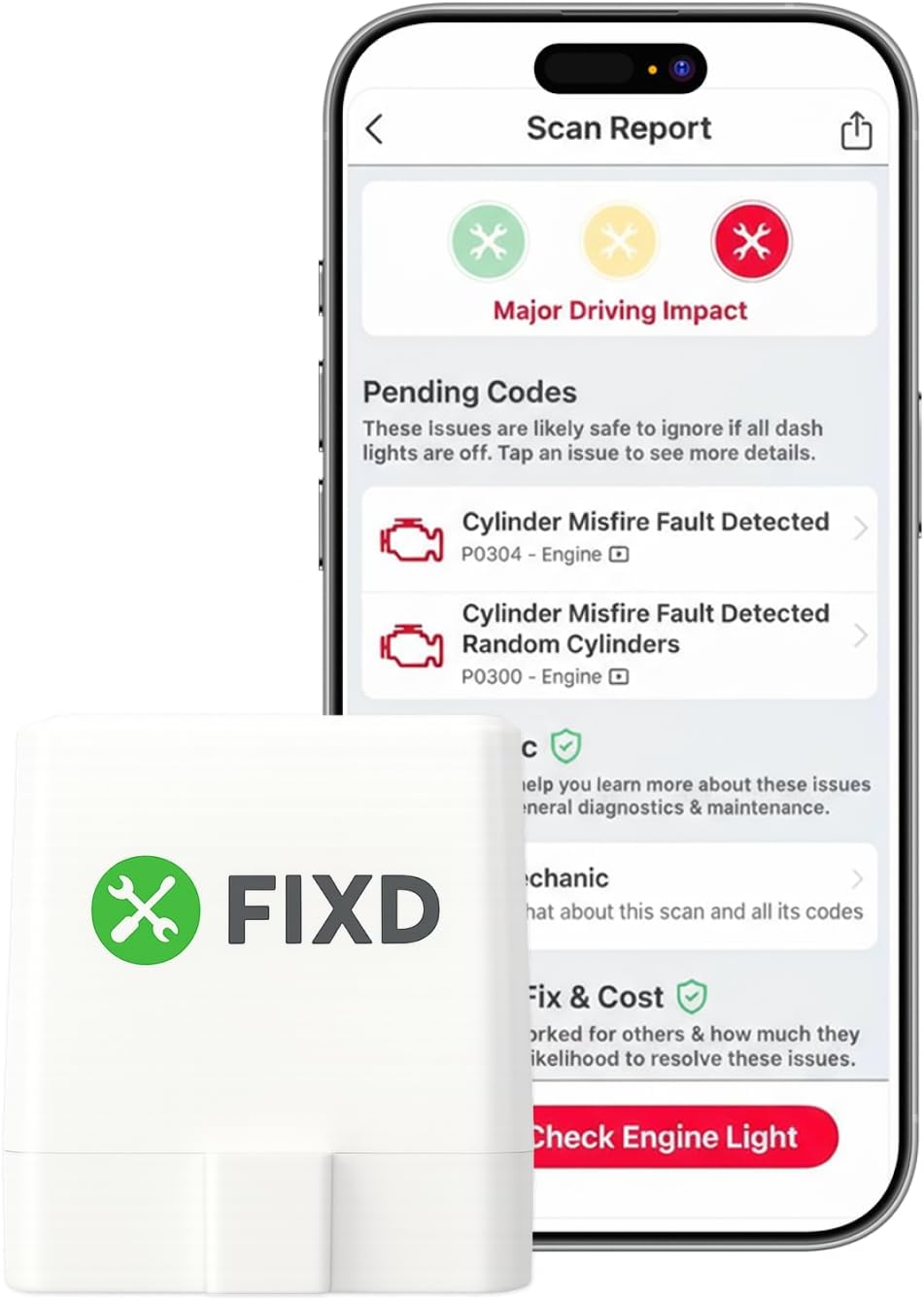
Best Bluetooth OBD2 Scanner
Detect 39,000+ Issues With Enhanced Codes. Save $1000s on car repairs & buying used vehicles by diagnosing problems yourself.
Shop on Amazon
Engine Misfiring And Fuel Issues
Engine misfiring occurs when one or more cylinders fail to ignite properly. This disrupts your engine’s rhythm and causes noticeable power loss. Fuel system problems often accompany misfiring because your engine needs clean fuel and consistent spark to run smoothly.
Faulty Spark Plugs Or Ignition Coils
Spark plugs age over time and lose their ability to create a strong spark. When they wear out, your cylinders don’t ignite fuel efficiently. Ignition coils produce the voltage spark plugs need to fire. A failing coil means no spark in that cylinder, causing a misfire.
You’ll typically notice rough idling, hesitation during acceleration, and reduced power output. Check your owner’s manual for spark plug replacement intervals, which usually range from 30,000 to 100,000 miles depending on plug type. Replacing spark plugs is affordable and often solves power loss issues. If spark plugs look fine, test ignition coils with a diagnostic scan tool.
Ignition coil failures often affect one cylinder at a time. You might see a check engine light with a cylinder misfire code. Some Audis have one coil per spark plug, making diagnosis straightforward. Modern Audis use direct ignition systems that make coil replacement relatively simple.
Fuel Pump And Filter Problems
Your fuel pump delivers gasoline from the tank to the engine at precise pressure. A failing pump can’t maintain adequate fuel pressure, starving your engine. Low fuel pressure means less fuel reaches the combustion chamber, reducing power output.
Clogged fuel filters restrict fuel flow and reduce pressure. A severely clogged filter cuts off fuel delivery entirely, causing power loss and stalling. Fuel pumps typically last 100,000 miles or more, but contaminated fuel can shorten their lifespan significantly.
Listen for a whining sound near your fuel tank when starting your Audi. Silent fuel pumps often indicate failure. Fuel pressure testing with a gauge confirms whether your pump works properly. If pressure reads below manufacturer specs, replacement is necessary. Quality fuel filters should be changed every 15,000 to 30,000 miles.
Transmission And Drivetrain Problems
Your transmission transfers engine power to your wheels. When transmission systems fail, power never reaches the ground effectively. Drivetrain problems ranging from transmission fluid issues to mechanical wear can cause noticeable power loss.
Slipping Transmission
Transmission slipping feels like your engine revs high but your car doesn’t accelerate proportionally. You’ll hear the engine spin without gaining speed. Slipping indicates your transmission can’t hold gears properly or maintain fluid pressure.
Low transmission fluid is the most common cause. Check your dipstick or use the electronic check system. Burnt-smelling red fluid signals overheating or internal wear. Dark, discolored fluid means it’s time for a change or flush. Some Audis require sealed transmissions with lifetime fluid, but fluid can still degrade and cause slipping.
Internal transmission damage causes slipping when fluid levels are normal. Worn friction bands or damaged clutch plates can’t grip gears. Torque converter problems prevent power transfer in automatic transmissions. These issues require professional transmission service or rebuild. Early detection prevents total transmission failure, which costs significantly more than repairs.
Worn Clutch Or Torque Converter Issues
Manual transmission Audis depend on clutch engagement. A worn clutch slips under acceleration and loses connection between engine and transmission. You’ll feel reduced power delivery even though higher engine revs. Clutch replacement restores full power transfer immediately.
Torque converters in automatic Audis function like fluid couplings. A failing torque converter can’t multiply engine torque efficiently. This causes delayed acceleration and reduced overall power output. Your check engine light may illuminate with transmission codes. Torque converter problems sometimes stem from contaminated transmission fluid that damages internal components.
Air Intake And Engine Breathing
Your engine needs air to combine with fuel for combustion. Air intake problems starve your engine of oxygen, reducing power output. Engine breathing refers to how efficiently air flows through intake systems. Blockages or component failures directly impact power delivery and acceleration.
Clogged Air Filter Or Intake Blockage
Air filters trap dirt and particles before air reaches your engine. When filters become clogged, airflow decreases and your engine loses power. A severely restricted filter forces your engine to work harder, reducing efficiency and power output.
You can visually inspect your air filter without special tools. A clean filter appears white or light gray. Brown or black filters need replacement. Most air filters require changing every 15,000 to 30,000 miles, depending on driving conditions. Replacing a clogged filter often restores lost power immediately.
Intake manifold leaks allow unmetered air into your engine. This disrupts fuel-to-air ratios and causes power loss. Vacuum hose cracks or loose connections create similar problems. Inspecting intake components for leaks takes minimal time and can identify simple issues causing power loss. Tightening loose clamps or replacing cracked hoses is inexpensive compared to other repairs.
Turbocharger Or Supercharger Malfunction
Many modern Audis use turbochargers to increase power output. A malfunctioning turbo can’t build boost pressure, severely limiting power. You’ll notice reduced acceleration and poor climbing ability on hills. Turbos operate at extreme temperatures and speeds, making them prone to wear.
Turbo lag or failure to spool indicates boost problems. Check engine lights with turbo codes confirm diagnosis. Boost leaks from cracked intercooler pipes reduce pressure. Some boost issues stem from wastegate problems that can’t regulate pressure properly. Quality repairs require proper diagnostic equipment and expertise.
Electrical And Sensor Failures
Modern Audis rely on electrical systems and sensors to manage engine performance. A failed sensor can’t provide accurate information to your engine computer, causing power loss or incorrect fuel injection timing. Electrical problems disrupt the entire system, making proper combustion impossible.
Mass Airflow Sensor And Oxygen Sensors
Your mass airflow (MAF) sensor measures how much air enters your engine. The engine computer uses this information to calculate fuel injection amounts. A dirty or failing MAF sensor sends incorrect signals, causing your engine to run too rich or lean. Either condition reduces power output significantly.
Cleaning a dirty MAF sensor with specialized cleaner sometimes resolves power loss without replacement. Never touch the sensor element directly, as oils from your skin cause damage. If cleaning doesn’t help, replacement is necessary. MAF sensors cost $150 to $300 depending on your Audi model.
Oxygen sensors monitor exhaust gases and help adjust fuel ratios. Failed oxygen sensors prevent proper fuel mixture adjustment. Your engine can’t respond to changing conditions, reducing power and efficiency. Check engine lights with oxygen sensor codes confirm diagnosis. Oxygen sensor replacement costs significantly less than other repairs.
Battery And Alternator Issues
Your battery powers electrical systems and the starter motor. A weak battery can’t provide sufficient power for starting or running electrical components. Alternators generate electricity while your engine runs. A failing alternator can’t maintain charging, gradually draining your battery.
Power loss combined with dimming lights suggests electrical problems. Test your battery voltage with a multimeter. A healthy battery reads around 12.6 volts when the engine is off. While running, your alternator should maintain 13.5 to 14.5 volts. Readings below these levels indicate charging system failure. Professional testing confirms battery and alternator health.
When To Seek Professional Diagnostics
Some power loss issues you can diagnose yourself, but professional help becomes necessary for complex problems. Here’s when you should visit a qualified technician:
| Symptom | Action | Urgency |
|---|---|---|
| Check engine light illuminated | Schedule diagnostic scan | Moderate |
| Power loss with rough idle | Check spark plugs and fuel | Moderate |
| Transmission slipping | Check fluid level immediately | High |
| Turbo boost not building | Visit mechanic for boost testing | Moderate |
| Electrical symptoms with power loss | Battery/alternator testing needed | High |
You should seek professional diagnostics when:
- Check engine lights accompany power loss
- Multiple symptoms occur together
- Power loss affects safety or drivability
- DIY checks don’t reveal obvious problems
- You lack proper diagnostic tools or expertise
Qualified Audi technicians use specialized computer diagnostic tools to read fault codes. These codes pinpoint problem areas quickly. Attempting complicated repairs without proper knowledge can create additional damage. Professional mechanics have parts catalogs and service manuals for your specific model. They understand Audi-specific systems and procedures. Finding a certified Audi technician ensures you get accurate repairs done right.
Frequently Asked Questions
Why does my Audi lose power while driving?
Audi power loss typically stems from engine misfiring, fuel system problems, transmission issues, air intake blockages, or sensor failures. These issues prevent your engine from generating full power or transmitting it to your wheels. Identifying the root cause through diagnostics helps address the problem before it worsens.
What are the signs of a faulty spark plug or ignition coil in my Audi?
Watch for rough idling, hesitation during acceleration, and reduced power output. You may see a check engine light with cylinder misfire codes. Spark plugs typically need replacement every 30,000 to 100,000 miles. A diagnostic scan tool can confirm ignition coil failures affecting individual cylinders.
How can I tell if my Audi has transmission fluid problems?
Check your transmission fluid using the dipstick or electronic system. Burnt-smelling red fluid indicates overheating or internal wear. Dark, discolored fluid means it’s time for a change. Low transmission fluid is the most common cause of transmission slipping, which feels like the engine revs without proportional acceleration.
What does a clogged air filter do to engine power?
A severely clogged air filter restricts airflow to your engine, reducing power output and efficiency. A clean filter appears white or light gray; brown or black filters need replacement every 15,000 to 30,000 miles. Replacing a clogged filter often restores lost power immediately without other repairs.
Can a dirty mass airflow sensor cause power loss in my Audi?
Yes, a dirty or failing MAF sensor sends incorrect signals to your engine computer, causing it to run too rich or too lean, both reducing power significantly. Cleaning with specialized cleaner sometimes resolves the issue without replacement. If cleaning fails, expect MAF sensor costs of $150 to $300 depending on your model.
When should I seek professional diagnostic help for Audi power loss?
Visit a qualified technician when check engine lights appear, multiple symptoms occur together, power loss affects safety, or DIY checks reveal nothing obvious. Professional Audi mechanics use specialized diagnostic tools to read fault codes, pinpoint problems quickly, and ensure accurate repairs specific to your model.
Read More: