
The 10R80 transmission is a sophisticated piece of engineering, but its adaptive learning algorithm can sometimes work against you, especially after towing, city driving, or a change in driving style. The good news? A reset is often the simplest and most effective first step before you spend a dime at the dealer.
To reset your F-150’s 10-speed transmission, you can perform a manual “key cycle” reset by turning the ignition to the ON position (engine off), pressing the gas pedal to the floor for 20–30 seconds, then releasing and starting the engine. For a deeper reset, use an OBD-II scanner like the FORScan app to clear the adaptive shift tables entirely. If neither method resolves harsh shifting, a dealer visit with Ford’s IDS software is your final option. This three-tier approach covers about 90% of shift-quality complaints on the 10R80.
Let’s break down exactly why this happens, how each reset method works, and what you should realistically expect afterward.
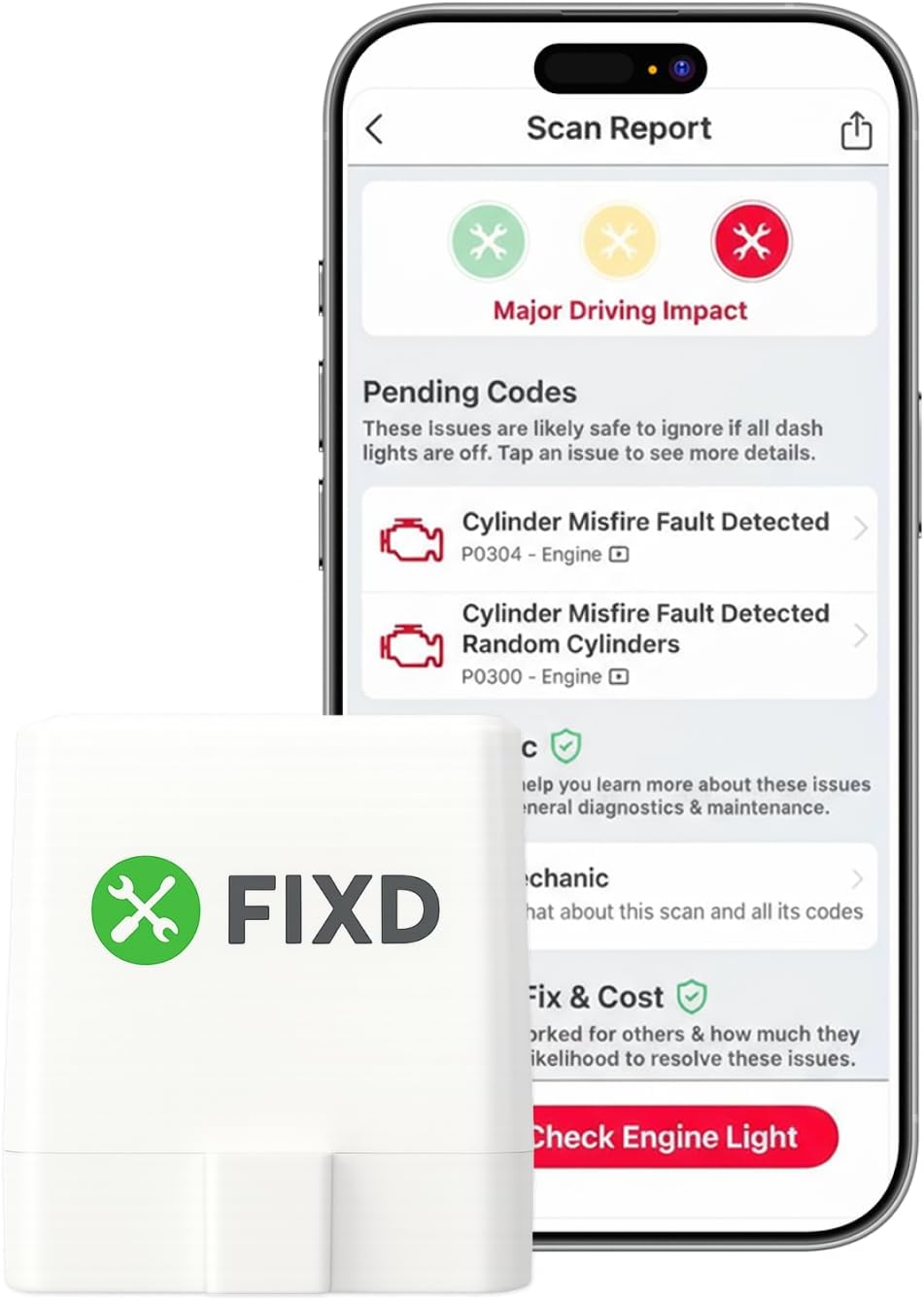
Best Bluetooth OBD2 Scanner
Detect 39,000+ Issues With Enhanced Codes. Save $1000s on car repairs & buying used vehicles by diagnosing problems yourself.
Shop on Amazon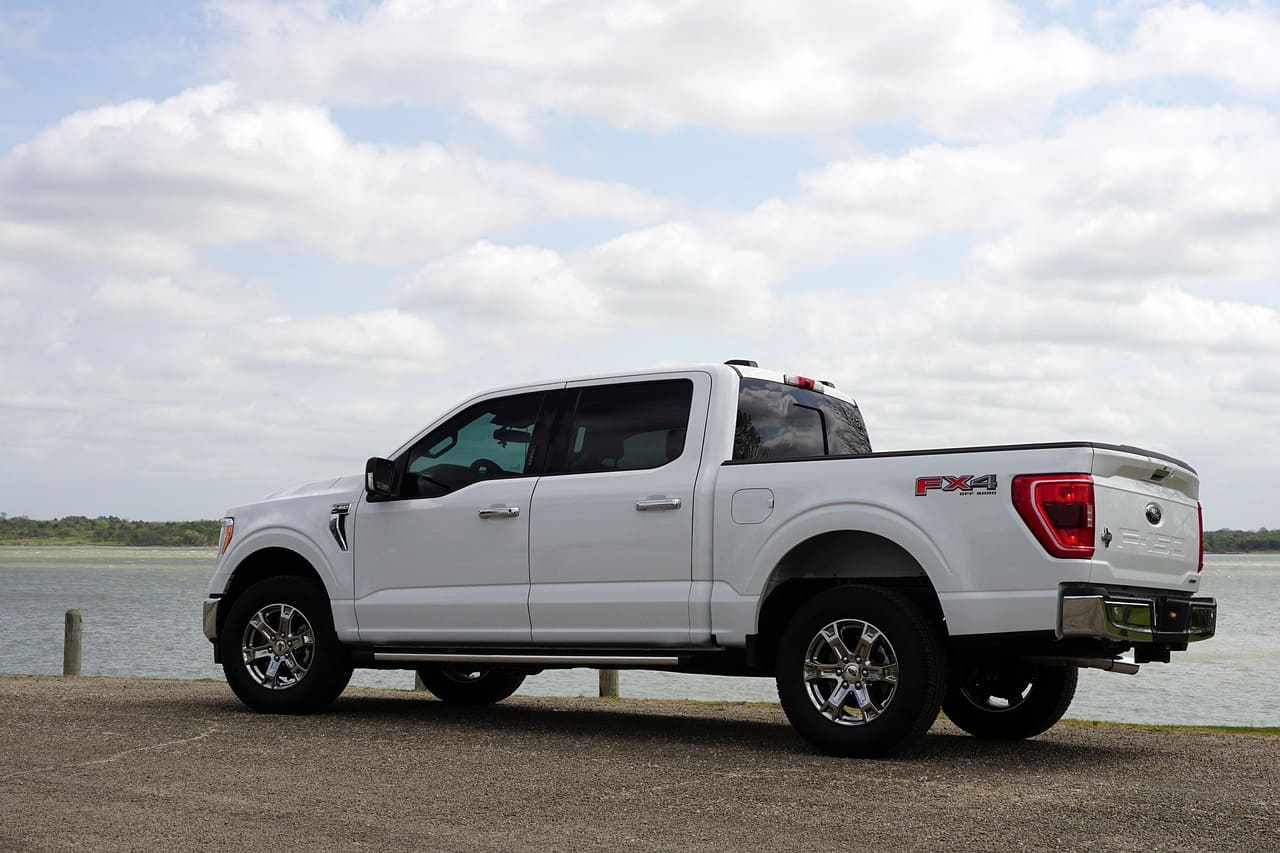
Why Your F-150 Needs Reset
The Ford 10R80 transmission uses ten forward gears and a complex set of clutch packs to keep your F-150 in the optimal power band at all times. But that sophistication comes with a catch. The transmission control module (TCM) constantly adjusts shift points, clutch pressures, and torque converter lockup strategies based on your driving patterns. When those patterns change abruptly, or when the TCM accumulates conflicting data, the result is rough, confused shifting.
Think of it this way: the TCM builds a “profile” of you as a driver. If you tow a 10,000-pound trailer for a week and then commute empty on the highway, the transmission is still applying pressures calibrated for heavy loads. That mismatch creates the harsh 3-to-5 gear bangs and hunting between gears that so many F-150 owners report.
Ford issued several TSBs (Technical Service Bulletins) addressing shift quality on the 10R80, including TSB 19-2062 which covered reprogramming the PCM for improved shift feel. But even after a reflash, adaptive memory can re-learn bad habits over time. That’s why a periodic reset belongs in every F-150 owner’s maintenance toolkit.
Common Symptoms of Transmission Shift Issues
The most obvious sign is a harsh or jarring shift between specific gears, most commonly the 3rd-to-4th and 4th-to-5th transitions. You feel a noticeable “clunk” or slam that wasn’t there when the truck was new. This is almost always an adaptive learning issue rather than a mechanical failure.
Another common symptom is gear hunting on slight grades. Your truck can’t seem to decide between 7th and 8th gear at highway speed, constantly shifting back and forth. This wastes fuel and creates an annoying RPM fluctuation that makes passengers think something is seriously wrong.
You might also notice delayed engagement when shifting from Park to Drive or Reverse. The truck hesitates for a second or two before the transmission “catches.” While this can indicate low fluid or a worn valve body, it’s frequently just the adaptive tables being out of calibration.
Some owners report a “shudder” at low speeds, almost like driving over rumble strips. One F-150 owner on F150Forum.com described it as “the truck feels like it’s trying to shift into two gears at once.”
That shudder is often the torque converter clutch slipping because the TCM is applying the wrong pressure profile.
Here are the most reported symptoms at a glance:
- Hard or slamming shifts between 3rd and 5th gear
- Gear hunting on flat highways or slight inclines
- Delayed Park-to-Drive or Park-to-Reverse engagement
- Low-speed shudder or vibration
- RPM flares during upshifts (engine revs but truck doesn’t accelerate)
- Transmission “confusion” after switching between towing and empty driving
How Adaptive Learning Works
Ford’s adaptive learning system is genuinely clever engineering. The TCM monitors dozens of inputs, throttle position, vehicle speed, torque demand, brake application, ambient temperature, and even the rate at which you press the accelerator. It then adjusts shift timing and clutch apply pressure in real-time to match your behavior.
The system stores these learned values in what engineers call “adaptive shift tables.” Each cell in the table corresponds to a specific operating condition (say, 40% throttle at 35 mph going uphill), and the TCM fine-tunes the clutch pressure for that exact scenario. Over thousands of shifts, these tables become highly personalized. That’s the good news.
The bad news is that the system has a relatively short memory horizon. It weights recent driving more heavily than older data. So if you spend one weekend towing your boat and the next week stuck in city traffic, the tables get pulled in two different directions. The TCM can’t reconcile “I need maximum clutch pressure for heavy loads” with “I need gentle, smooth shifts for light-throttle commuting.” The result? It compromises poorly, and you get harsh shifts in both conditions.
This is different from a mechanical problem. A worn clutch pack or failing solenoid will produce consistent symptoms that get progressively worse. Adaptive learning issues tend to be inconsistent, the truck shifts great on Monday and terribly on Wednesday. If your symptoms come and go, that’s actually a good sign. It means the hardware is fine and the software just needs a fresh start.
Ford designed the system to re-learn within about 50–100 miles of mixed driving after a reset. During that re-learning window, shifts may feel slightly different, a bit firmer or softer than you expect, but the transmission will quickly dial itself back in to your current driving style.
For a visual walkthrough, this video from FordTechMakuloco walks through the reset procedure and explains the adaptive learning logic clearly:
Video Credit: Car Expertly / YouTube
Resetting the 10-Speed Transmission
Here’s where we get practical. I recommend a three-tier approach: start with the simplest method and escalate only if needed. Most owners find that Method 1 solves their problem entirely.
Manual Reset Method (Key Cycle Procedure)
This is the famous “gas pedal reset” that’s been circulating on Ford forums for years. It actually works, and here’s why: pressing the accelerator pedal to the floor with the engine off sends a specific signal to the TCM that triggers a reset of certain adaptive values.
Follow these steps exactly:
- Turn your ignition to the ON/RUN position. Do not start the engine. If you have push-button start, press the Start button twice without touching the brake.
- Slowly press the gas pedal all the way to the floor.
- Hold it there for 20 to 30 seconds. Some owners hold it for a full minute to be safe.
- Release the gas pedal slowly.
- Turn the ignition OFF.
- Wait at least two minutes before starting the engine.
- Start the truck and let it idle in Park for one to two minutes before driving.
After this reset, drive normally for 50 to 100 miles. Mix in some highway driving, city driving, and moderate acceleration. You’re essentially “training” the TCM from scratch. Avoid towing or aggressive driving during this break-in window.
This method clears the throttle body’s learned idle position and partially resets the transmission’s adaptive values. It won’t erase everything, some deeper shift tables require a scan tool, but it handles the most common issues.
A user on Reddit’s r/f150 community reported, “Did the gas pedal reset after a weekend of towing and the truck shifted like new within a day.”
One important note: if your battery has been recently disconnected, the truck may have already performed a partial reset on its own. In that case, you may just need the re-learning drive.
Using an OBD-II Scanner for Full Reset
If the gas pedal method doesn’t fully resolve your shifting issues, it’s time to step up to an OBD-II scanner. Not just any scanner, you need one that can communicate with Ford’s TCM and clear adaptive tables. The FORScan app paired with a compatible OBD-II adapter is the gold standard for DIY Ford diagnostics.
FORScan lets you access Ford-specific modules that generic scanners can’t touch. You can clear the transmission adaptive learning values directly, reset the TCM, and even read any stored diagnostic trouble codes (DTCs) that might point to a deeper issue.
Here’s the process:
- Download FORScan (available for Windows, iOS, and Android).
- Connect an ELM327-compatible OBD-II adapter to your truck’s diagnostic port (under the dash, driver’s side).
- Launch FORScan and connect to your vehicle.
- Go to the Service Functions menu.
- Select “Transmission Adaptive Learning Reset” or navigate to the TCM module to run a reset.
- Confirm the reset and disconnect.
- Complete the same 50-to-100-mile re-learning drive described above.
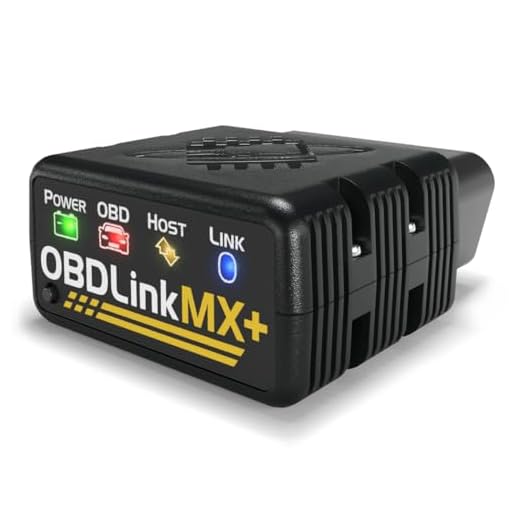
For the adapter, I recommend the OBDLink MX+ OBD-II scanner on Amazon. It’s widely tested with FORScan and connects via Bluetooth so you aren’t dealing with flimsy cables. This is the adapter most F-150 forums recommend for DIY diagnostics.
| Reset Method | Cost | Depth of Reset | Tools Needed | Difficulty |
|---|---|---|---|---|
| Gas Pedal (Key Cycle) | Free | Partial (throttle + some shift tables) | None | Easy |
| OBD-II Scanner (FORScan) | $80–$100 (adapter) | Full adaptive table clear | OBD-II adapter + FORScan | Moderate |
| Dealer IDS Software | $100–$200 (labor) | Complete TCM reprogram + latest calibration | Ford IDS | Professional |
If you’re someone who tows frequently or drives in wildly different conditions week to week, owning an OBD-II adapter pays for itself quickly. You can reset the adaptive tables seasonally or after any major change in driving pattern.
What to Expect After Reset
Let’s set realistic expectations. Immediately after a reset, your truck’s shifts will feel different. The TCM has lost its learned data, so it falls back to factory default shift calibrations. These defaults are intentionally conservative, expect slightly firmer shifts and a transmission that seems to “search” for the right gear more often.
This is completely normal. Don’t panic and assume the reset made things worse. The TCM needs about 50 to 100 miles of varied driving to rebuild its adaptive tables. During this period, drive how you normally drive. If you mostly commute on highways, commute on highways. If you do a mix of city and highway, do that mix. The point is to give the TCM an accurate picture of your real-world driving habits.
Most owners notice a significant improvement within the first 30 miles. By 100 miles, the transmission should feel dialed in and smooth. If it doesn’t, if you’re still getting harsh 3-to-5 shifts or gear hunting after 200 miles of re-learning, the problem may not be adaptive learning at all. At that point, you should investigate mechanical causes like low or degraded transmission fluid, worn clutch packs, or a faulty shift solenoid.
One thing to keep in mind: the reset is not a one-time fix. If you regularly alternate between towing and empty driving, you may benefit from resetting the adaptive tables every few months. Think of it like clearing your browser cache, sometimes you just need a clean slate.
Maintaining Smooth Shifting Long-Term
A reset solves the immediate problem, but long-term shift quality depends on proper maintenance and smart driving habits. The single most important thing you can do is keep your transmission fluid fresh. Ford specifies Mercon ULV fluid for the 10R80, and many techs recommend changing it every 50,000 to 60,000 miles, more frequently if you tow.
The Motorcraft Mercon ULV Automatic Transmission Fluid is the factory-specified fluid, and using anything else is a gamble. Aftermarket “universal” ATF fluids don’t always meet the friction specifications that the 10R80’s clutch packs require. Stick with what Ford engineered the transmission around.
Consistency in driving style also helps the adaptive system work more effectively. If you can, avoid wildly different driving patterns from one trip to the next. Obviously, you can’t always control this, sometimes you tow on Saturday and commute on Monday. But being aware that these transitions can confuse the TCM means you can proactively reset if shifts start feeling off.
Keep your truck’s software up to date. Ford periodically releases PCM and TCM calibration updates that improve shift logic. Your dealer can check for available updates during routine service. These reflashes are often free under warranty or covered by TSBs.
Finally, pay attention to your driving. Smooth, progressive throttle inputs give the TCM clean data to learn from. Stabbing the gas pedal and then immediately lifting off sends mixed signals. Drive deliberately, and the transmission will reward you with smooth, predictable shifts.
When to Visit a Professional
A reset is a powerful first step, but it’s not a cure-all. If you’ve performed both the gas pedal reset and a FORScan adaptive clear, driven 200+ re-learning miles, and the problem persists, something else is going on.
Here are clear signs you need a professional:
- Transmission slipping under load (RPMs climb but the truck doesn’t accelerate)
- Grinding or metallic noises during shifts
- Check Engine light or Transmission Temperature warning illuminated
- Fluid that appears dark, burnt, or contains metal particles
- Harsh shifting that has been progressively worsening over months
At the dealer, a technician can connect Ford’s IDS (Integrated Diagnostic System) to read granular data from the TCM, including clutch slip rates, solenoid performance, and line pressure readings. This data tells the story of what’s actually happening inside the transmission. They can also flash the latest calibration files, which may resolve your issue entirely.
For mechanical problems, common culprits on the 10R80 include worn clutch packs (especially the E clutch), sticking shift solenoids, and valve body wear. These require physical repair and no amount of resetting will fix them. A good independent transmission shop can often diagnose and repair these issues for less than the dealer charges.
If your truck is still under the 5-year/60,000-mile powertrain warranty, take it to Ford first. Transmission repairs are expensive, $3,000 to $5,000 or more for major work, so use that warranty while you have it. Document every visit and complaint in writing. If the dealer says “it’s normal,” push back with specific symptoms and the TSB numbers referenced above.
Frequently Asked Questions
How do I reset my F-150 10-speed transmission using the gas pedal method?
Turn the ignition to ON without starting the engine, press the gas pedal fully to the floor, hold for 20–30 seconds, then release slowly. Turn the ignition off, wait two minutes, and restart. Drive 50–100 miles of mixed driving so the transmission control module can relearn your driving habits.
Why does my F-150 10-speed transmission shift hard or slam between gears?
The 10R80’s adaptive learning system builds shift profiles based on your driving patterns. When conditions change—like switching between towing and empty commuting—the transmission control module applies outdated clutch pressures, causing harsh shifts. A reset clears this conflicting data and lets the TCM relearn from scratch.
Can I use FORScan to reset the F-150 10-speed transmission adaptive tables?
Yes. FORScan paired with an ELM327-compatible OBD-II adapter can fully clear the adaptive shift tables on the 10R80 transmission. This is a deeper reset than the gas pedal method and is recommended if harsh shifting persists. After the reset, drive 50–100 miles of varied driving for the TCM to recalibrate.
How long does it take for the F-150 transmission to relearn after a reset?
Most owners notice smoother shifting within the first 30 miles. The transmission control module typically needs 50–100 miles of mixed highway and city driving to fully rebuild its adaptive shift tables. During this window, shifts may feel slightly firmer or less precise than usual, which is completely normal.
How often should I change the transmission fluid in a Ford F-150 with the 10R80?
Many technicians recommend changing the transmission fluid every 50,000–60,000 miles, or more frequently if you tow regularly. Ford specifies Motorcraft Mercon ULV fluid for the 10R80. Using the correct factory-specified fluid is critical, as aftermarket universal ATFs may not meet the clutch pack friction requirements.
Is the Ford 10-speed transmission reliable, or is hard shifting a sign of failure?
The 10R80 is generally a reliable transmission. Most hard-shifting complaints are caused by the adaptive learning software, not mechanical failure. Inconsistent symptoms shifting fine one day and rough the next typically indicate a software issue fixable with a reset. Persistent, worsening symptoms like slipping or metallic noises warrant professional inspection.
Sources:
- Ford TSBs and Recalls – National Highway Traffic Safety Administration (NHTSA)
- FORScan Forum – Official Community and Documentation
- F150Forum.com – 10-Speed Transmission Discussion
- Reddit r/f150 – Community Troubleshooting Threads
- FordTechMakuloco YouTube Channel – Transmission Reset Walkthrough
Read More:
- Ford F-150 Battery Drain (The Definitive Power-Down Guide)
- 12V Battery Drain in Chevy Blazer EV and Kia EV9 (Causes and Solutions)
- ADAS System Unavailable (Ford F-150, Chevy & Kia EV6/EV9)