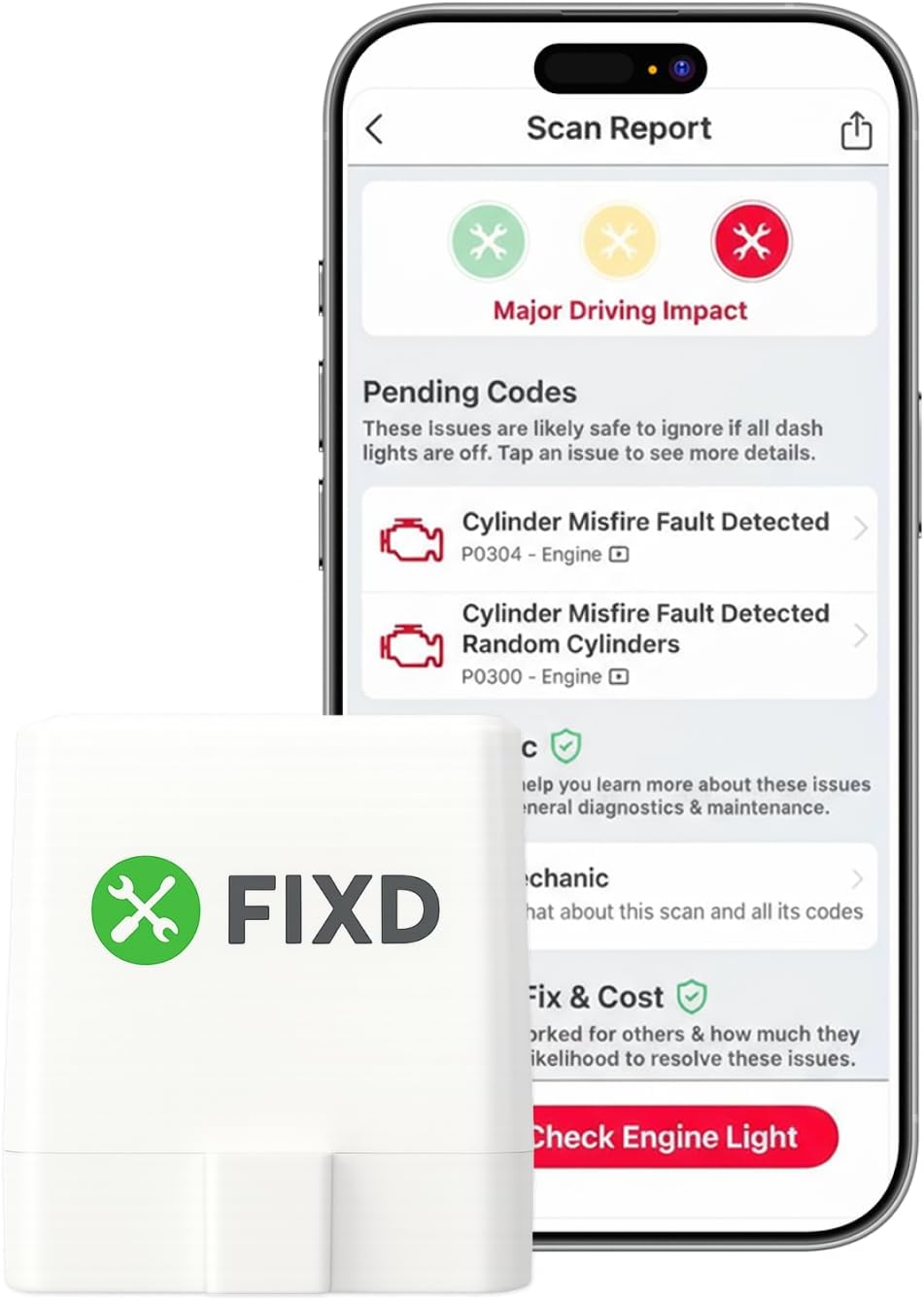
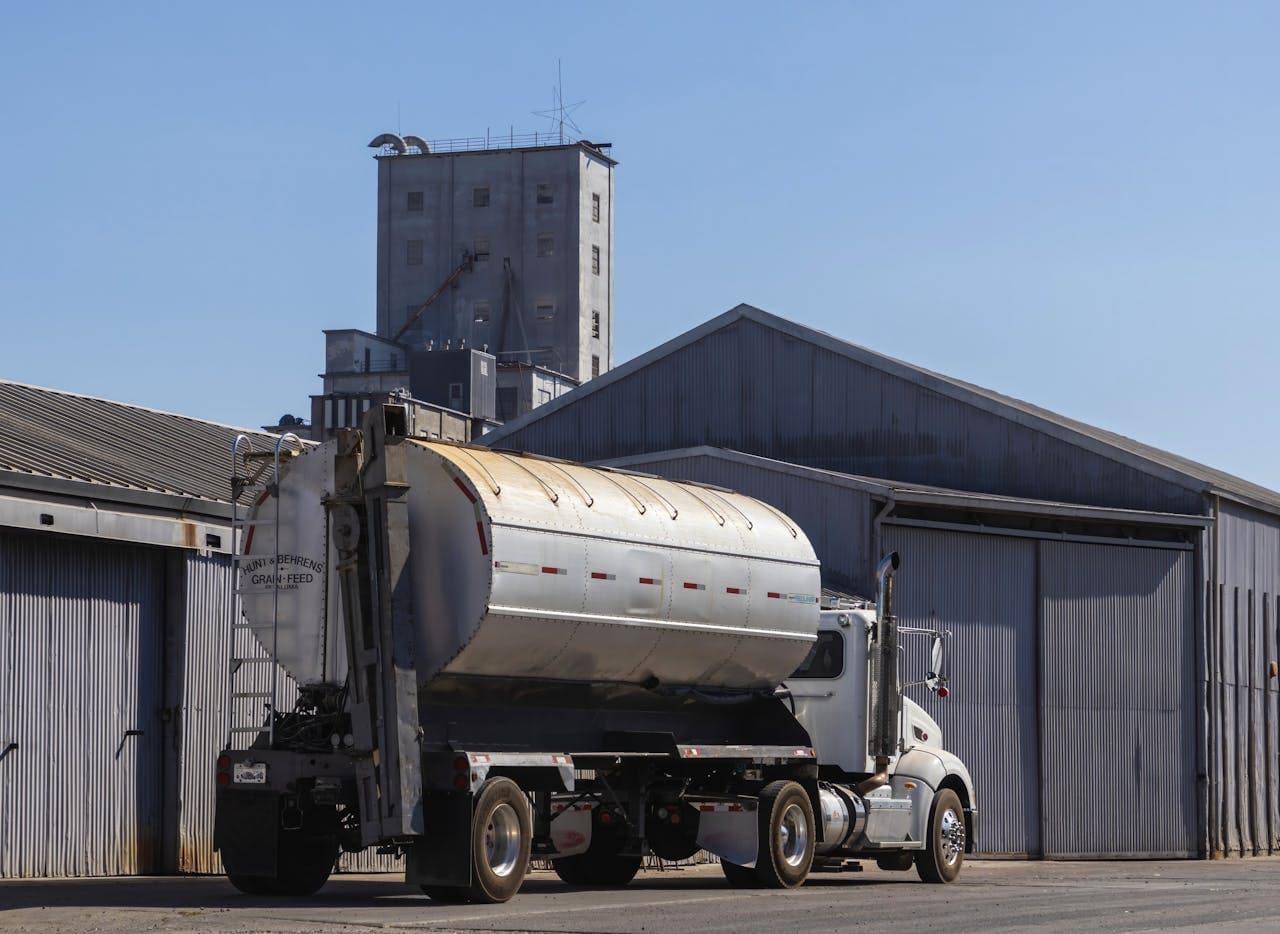
This post contains affiliate links. Purchases may earn me a commission at no extra cost to you.
You’re rolling down I-40 and your dash lights up with SPN 3226 FMI 20. Now you’re wondering: do I limp to a shop, or am I about to get locked into a 5 mph derate?
SPN 3226 FMI 20 on a Freightliner means the Aftertreatment Control Module (ACM) has detected erratic or unreliable data from the outlet NOx sensor, which sits downstream of your DPF and SCR catalyst. FMI 20 specifically flags “data drifted high”, the sensor is reporting NOx values that don’t match expected parameters after the SCR system has done its job. This code originates from Source Address 21 (the ACM) and tells the ECM that SCR efficiency can’t be verified, which triggers derates if left unresolved.
The good news? This fault isn’t always a dead sensor. Before you authorize an expensive component swap, you need to run what I call “Step-Zero” diagnostics, checking DEF quality, inspecting wiring harnesses for heat damage, and verifying CAN bus communication. This guide walks you through exactly that.
SPN 3226 FMI 20 on a Freightliner indicates the outlet NOx sensor detected abnormally high emissions data, triggering a staged derate that can limit your truck to 5 mph if ignored.
Before replacing the expensive NOx sensor, perform ‘Step-Zero’ diagnostics including DEF quality testing, wiring harness inspection, and CAN bus voltage checks—nearly 35% of sensor replacements are unnecessary.
Contaminated or degraded DEF fluid stored above 86°F is the most overlooked cause of outlet NOx sensor drift and false high readings on Cascadia trucks.
Heat damage to the NOx sensor wiring harness near the turbo downpipe is extremely common; inspect connectors for green corrosion and measure CAN bus resistance (~60 ohms) before authorizing component replacement.
Prevent SPN 3226 FMI 20 recurrence by testing DEF quality at every fill-up, comparing inlet vs. outlet NOx values during PM service, and heat-wrapping harnesses to extend sensor life beyond 100,000 miles.
What Does SPN 3226 FMI 20 Mean on a Freightliner?
SPN 3226 refers to the Aftertreatment SCR Outlet NOx sensor on J1939-compatible systems. On Freightliner Cascadia and M2 models running Detroit Diesel DD13 or DD15 engines, this sensor monitors nitrogen oxide levels exiting the SCR catalyst. Its job is simple: confirm that the DEF injection and catalyst are actually reducing NOx emissions to EPA-compliant levels.
FMI 20 means “data drifted high.” In plain terms, the ACM sees NOx readings that are abnormally elevated compared to what the system expects after DEF dosing. This is different from FMI 0 (data valid but above normal range) or FMI 2 (erratic/intermittent). FMI 20 specifically indicates a drift condition, the readings gradually creep out of spec rather than spiking suddenly.
It’s worth understanding the difference between SPN 3216 and SPN 3226. SPN 3216 is the inlet NOx sensor (before the SCR catalyst), while SPN 3226 is the outlet sensor (after the catalyst). When SPN 3226 throws FMI 20, the system can’t confirm SCR efficiency, and the ACM will start a derate timer. According to DTNA’s aftertreatment documentation, most Cascadia models give you a staged derate, first a 25% torque reduction, then eventually a 5 mph speed limit if you ignore it long enough.
You can clear active SPN 3226 FMI 20 with a J1939 scanner, but the code will return immediately if the root cause isn’t fixed. Don’t waste time clearing and hoping.
Common Causes of SPN 3226 FMI 20
Aftertreatment System and DEF-Related Issues
The most overlooked cause of outlet NOx sensor drift on Cascadia trucks is bad DEF fluid. Diesel Exhaust Fluid degrades when stored above 86°F for extended periods, and contaminated or diluted DEF won’t convert NOx properly in the SCR catalyst. The outlet sensor then reads high NOx, not because it’s broken, but because the chemistry upstream failed.
Before you touch the sensor, test DEF quality with a refractometer. Good DEF should read 32.5% urea concentration (±1.5%). A digital DEF refractometer is an essential shop tool for this exact situation. If the DEF checks out, look at these common aftertreatment causes:
Crystallized DEF on the NOx sensor tip, white crusty deposits physically block the sensor element
Cracked or leaking DPF/SCR substrate, exhaust bypasses the catalyst entirely
Failed DEF dosing valve, under-dosing means insufficient NOx conversion
Exhaust leaks between the DPF and outlet NOx sensor, ambient air dilutes readings and causes erratic data
An exhaust leak impact on NOx sensor drift readings is significant. Even a small crack at a clamp joint introduces oxygen that throws off the sensor’s electrochemical measurement.
Urea and DEF Tester - Refractometer Digital Tester that Measures Accurately and Quickly - The Best Choice for Your Diesel Vehicle - Limited Time Offer
After ruling out aftertreatment issues, shift focus to the electrical side. The outlet NOx sensor on DD15 engines connects via a dedicated CAN bus line back to the ACM. Heat damage to the wiring harness is extremely common, these harnesses route near exhaust components that reach 1,200°F+.
Here’s your electrical checklist:
Inspect the 14-pin ACM connector for green corrosion (copper oxidation from moisture intrusion)
Check NOx sensor CAN bus voltage, you should see approximately 2.5V on CAN High and CAN Low with key on, engine off
Measure resistance between CAN High and CAN Low at the sensor connector: expect 60 ohms if termination resistors are intact
Look for melted or chafed wiring where the harness passes near the turbo downpipe
A technician on a popular diesel forum noted:
“Replaced two NOx sensors on my 2019 Cascadia before realizing the harness had a single melted wire near the turbo. $40 fix after wasting money on sensors.” via r/Truckers
If voltage and resistance check out, the sensor itself may have failed internally. NOx sensors have a finite lifespan, typically 200,000 to 300,000 miles depending on DEF quality and duty cycle.
Symptoms You May Notice While Driving
SPN 3226 FMI 20 doesn’t always announce itself with a dramatic shutdown. The symptoms of a failing Detroit Diesel NOx sensor often creep in gradually:
Check Engine Light (CEL) illuminates with an amber warning
Reduced engine power, you’ll notice sluggish acceleration, especially on grades
“Aftertreatment Outlet NOx Data Erratic” message on your dash display
DEF consumption changes, the system may increase DEF dosing to compensate for perceived low SCR efficiency
The derate sequence on most 2020+ Freightliner Cascadia models follows a predictable pattern. You’ll first see a 25% torque derate, giving you time to reach a shop. If the code stays active for an extended drive cycle, the system escalates to a 5 mph derate that essentially forces you off the road.
Another user shared this experience:
“Got the 3226/20 code outside Amarillo. Had about 300 miles before it went to 5 mph. Made it to the dealer with 50 miles to spare. Don’t ignore it thinking you have days, you might only have hours.” via TheTruckersReport Forum
If you’re mid-haul and this code pops, don’t panic, but don’t ignore it either. Plan your next stop at a facility with aftertreatment diagnostic capability.
Step-by-Step Diagnostic and Repair Guide
Here’s the systematic diagnostic path I recommend after 20+ years of chasing aftertreatment gremlins:
Step 0, Visual Inspection (10 minutes)
Check the 14-pin ACM connector for moisture or green corrosion. Inspect the outlet NOx sensor wiring harness for heat damage from turbo to sensor. Look for exhaust soot trails at clamp joints indicating leaks.
Step 1, Test DEF Quality (5 minutes)
Use a refractometer to verify 32.5% urea concentration. Pull a sample from the tank, not the jug. Bad DEF in the tank is the number one misdiagnosed cause of this code.
Step 2, Read Live Data with a J1939 Scanner
Compare inlet NOx (SPN 3216) vs. outlet NOx (SPN 3226) values at operating temperature. The outlet should read significantly lower than the inlet if the SCR system is functioning. If both read similarly, you have a catalyst or dosing problem, not a sensor problem. Software like Diesel Laptops provides full ACM live data streaming for Freightliner platforms.
Step 3, Check CAN Bus Integrity
Measure voltage at the NOx sensor connector: CAN High ~2.5V, CAN Low ~2.5V (KOEO). Resistance across CAN H and CAN L should be ~60 ohms.
Step 4, Inspect the Sensor Tip
Remove the outlet NOx sensor and check for crystallized DEF deposits. You can carefully clean crystallized DEF from the NOx sensor tip with distilled water, never use chemicals or wire brushes. If the ceramic element is cracked or discolored black, replace the sensor.
Step 5, Replace if Confirmed Bad
When replacing a Freightliner outlet NOx sensor on a DD15, use OEM or equivalent parts. After installation, perform an SCR reset and verification test with your diagnostic tool to confirm the code clears and stays cleared through a full drive cycle.
How to Prevent SPN 3226 FMI 20 From Recurring
Prevention comes down to three things: DEF quality, thermal management, and proactive inspection.
DEF Handling: Only use API-certified DEF. Store it below 86°F. Never top off from bulk dispensers at questionable truck stops, contamination is real. A DEF storage tote with temperature control is a worthwhile investment for owner-operators who buy in bulk.
Wiring Protection: Inspect the NOx sensor harness every 100,000 miles or during every DPF service. Heat-wrap any sections routed near exhaust components. Replace corroded connectors before they cause intermittent faults.
Scheduled Sensor Testing: Don’t wait for codes. During routine PM services, compare inlet vs. outlet NOx values. If the outlet consistently reads above 50 ppm at operating temperature with good DEF, the sensor is drifting and you should plan replacement before it triggers a derate.
Prevention Action
Frequency
Why It Matters
Test DEF quality
Every fill-up
Prevents SCR efficiency codes
Inspect wiring harness
Every 100k miles
Catches heat damage early
Compare inlet/outlet NOx live data
Every PM service
Detects sensor drift before derate
Check exhaust clamp joints
Every DPF service
Prevents false high NOx readings
Clean ACM connector pins
Annually
Stops corrosion-related CAN faults
Data Insights and Analysis
According to fleet maintenance data from the American Trucking Associations, aftertreatment-related downtime increased roughly 12% between 2024 and 2025 across Class 8 fleets, with NOx sensor failures ranking among the top three causes. Also, a 2025 TMC survey found that nearly 35% of NOx sensor replacements were later identified as unnecessary, the root cause was wiring, DEF quality, or exhaust leaks.
Expert Note: "The outlet NOx sensor doesn't fail because of age alone. It fails because crystallized DEF deposits create a thermal insulation layer on the sensing element, causing it to read higher NOx than what's actually present. This drift is gradual, which is exactly why FMI 20, data drifted high, is the failure mode. Cleaning the sensor tip during DPF service intervals can extend sensor life by 100,000+ miles."
Frequently Asked Questions
What does SPN 3226 FMI 20 mean on a Freightliner?
SPN 3226 FMI 20 indicates the Aftertreatment Control Module detected that outlet NOx sensor data has drifted high. The sensor monitors nitrogen oxide levels after the SCR catalyst, and this code means readings are abnormally elevated, signaling SCR efficiency cannot be verified.
What is the most common cause of SPN 3226 FMI 20?
Bad DEF fluid is the most overlooked cause. Degraded or contaminated Diesel Exhaust Fluid won’t convert NOx properly in the SCR catalyst, causing the outlet sensor to read high NOx. Always test DEF quality with a refractometer (target 32.5% urea) before replacing expensive components.
How long do I have before SPN 3226 FMI 20 triggers a 5 mph derate?
Most Freightliner Cascadia models first apply a 25% torque reduction, giving you time to reach a shop. If the code stays active through extended drive cycles, it escalates to a 5 mph speed limit. You may only have hours, not days, depending on your duty cycle.
How do you diagnose outlet NOx sensor drift on a Freightliner?
Use a J1939 scanner to compare inlet NOx (SPN 3216) versus outlet NOx (SPN 3226) live data at operating temperature. The outlet should read significantly lower if the SCR system works. If readings are similar, the catalyst or dosing valve is the issue, not the sensor itself.
Can you fix SPN 3226 FMI 20 by just clearing the code?
No. While you can clear the code with a J1939 scanner, it will return immediately if the root cause isn’t fixed. Clearing without diagnosis wastes time and fuel. Always address the underlying aftertreatment, wiring, or DEF quality issue first.
What should I check on the wiring harness if my NOx sensor keeps failing?
Inspect the 14-pin ACM connector for green corrosion, and check the NOx sensor harness for heat damage near the turbo downpipe. Measure CAN bus voltage (target ~2.5V on CAN High and Low) and resistance (~60 ohms). Heat-damaged wiring is a common hidden cause of sensor drift codes.
Disclaimer: This content is provided for educational and informational purposes only. Equipment symptoms, repairs, and diagnostic procedures may vary by make, model, year, and condition. Always consult a qualified technician, your equipment’s service manual, and verified manufacturer recalls or service bulletins before performing repairs. GearFixes.com assumes no liability for damages resulting from the use of information on this site.