
Nissan’s CVT transmission failures have stranded thousands of drivers nationwide. If you’re experiencing high-pitched whining, sudden shuddering, or limp mode warnings, you’re not alone.
Nissan transmission problems stem primarily from inherent design weaknesses in the Jatco-manufactured Xtronic CVT system, compounded by inadequate fluid cooling, premature pulley wear, valve body failures, and transmission control module (TCM) software flaws that cause delayed engagement, severe slipping, overheating, and complete drivetrain failure across models like the Altima, Rogue, Sentra, Murano, and Pathfinder, especially in 2013–2018 production years. Most failures occur between 60,000–120,000 miles due to degraded NS-2 or NS-3 fluid viscosity, clogged external coolers, internal belt scoring, and corrupted TCM adaptive learning tables that require advanced OBD2 diagnostics, external auxiliary cooler upgrades, mechatronic valve body replacement, or complete remanufactured transmission installation.
This guide breaks down advanced diagnostic validation, real-world repair procedures, and preventative maintenance protocols to help you pinpoint root causes and make informed repair decisions.
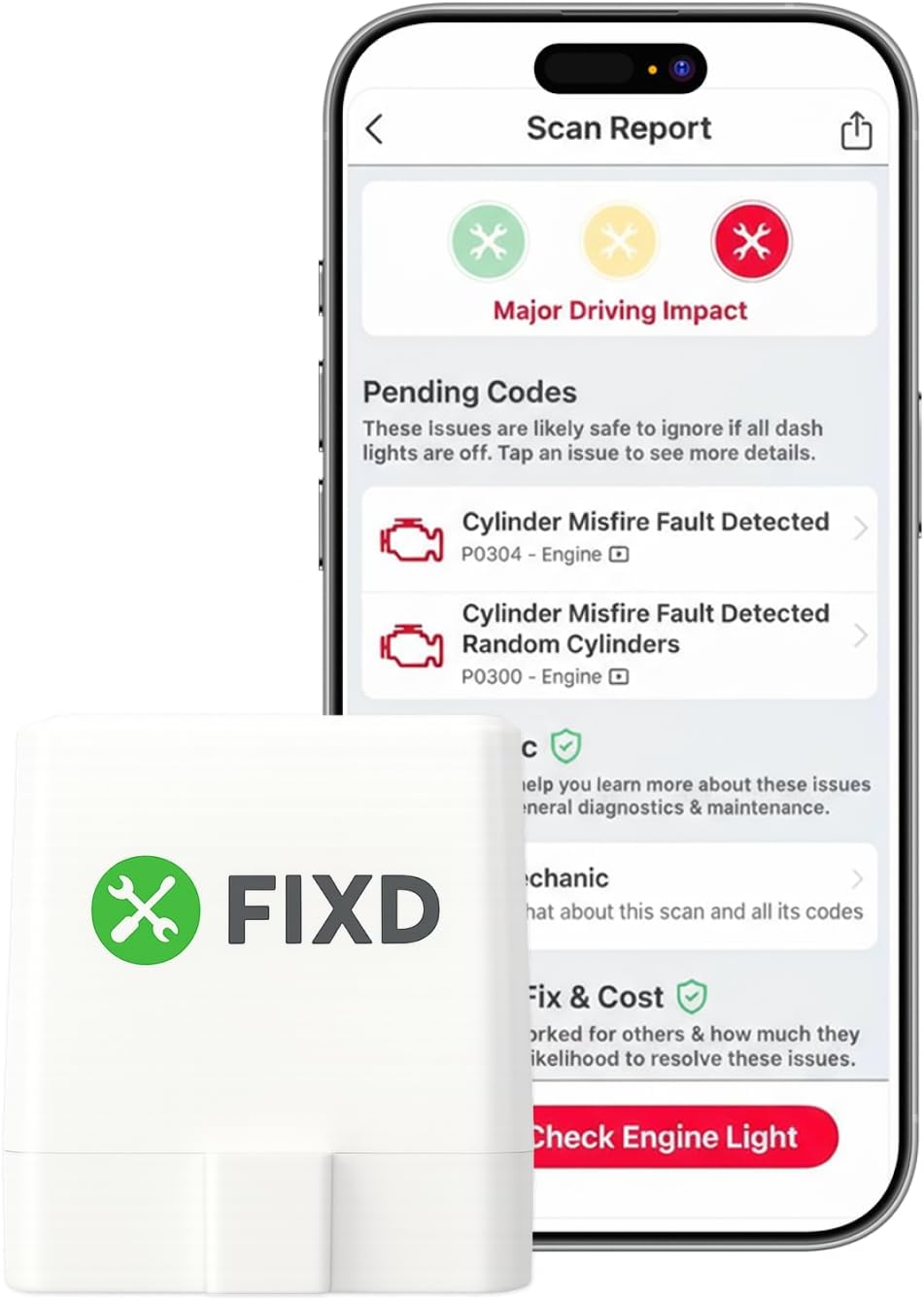
Best Bluetooth OBD2 Scanner
Detect 39,000+ Issues With Enhanced Codes. Save $1000s on car repairs & buying used vehicles by diagnosing problems yourself.
Shop on Amazon
Key Takeaways
- Nissan transmission problems in CVT-equipped models like the Altima, Rogue, and Sentra stem from design weaknesses, inadequate cooling, and degraded fluid, typically occurring between 60,000–120,000 miles.
- Common symptoms of Nissan transmission failure include delayed engagement, high-pitched whining, shuddering, slipping gears, and overheating warnings that indicate internal pulley wear, valve body failures, or TCM software issues.
- Monitor transmission fluid condition every 30,000 miles and only use Nissan NS-3 specification fluid; dark or burnt-smelling fluid signals severe oxidation requiring immediate professional inspection.
- Install an external auxiliary transmission cooler immediately if you drive in hot climates or tow, as this single upgrade prevents the majority of heat-related CVT failures.
- Remanufactured transmission units from ATRA-certified shops ($3,600–$5,400 installed) offer superior reliability with 3-year warranties compared to rebuilds, especially if internal damage exists beyond fluid and valve body replacement.
Common Signs and Symptoms of Transmission Issues
Delayed Engagement and Slipping Gears
When you shift into Drive or Reverse and experience a 2–5 second hesitation before the vehicle responds, you’re witnessing delayed engagement, a hallmark symptom of CVT hydraulic pressure loss. This occurs when the transmission control module can’t build sufficient clamping force on the primary and secondary pulleys. You’ll feel the engine rev without corresponding acceleration, especially during merges or hill climbs. The transmission may hunt for the correct ratio or slip entirely under load.
Slipping gears manifest as sudden RPM spikes without speed increase, often accompanied by a burning smell from overheated friction material. The steel belt connecting the pulleys can’t maintain adequate grip when fluid pressure drops below manufacturer specifications. Advanced diagnostics for CVT systems require monitoring real-time pulley pressure sensor voltage through OBD2 live data streams, typically looking for primary pulley pressure below 400 psi during acceleration. This direct measurement confirms whether you’re dealing with a fluid pump failure, clogged filter screen, or worn valve body solenoid.
Whining, Grinding, and Unusual Noises
A high-pitched whining noise that escalates with vehicle speed indicates internal CVT belt wear or pulley surface scoring. Unlike traditional gear meshing sounds, CVT whining stems from metal-on-metal contact between the steel belt and pulley faces when lubrication breaks down. The noise typically starts subtle around 40 mph and becomes unbearable above 60 mph.
Grinding or rattling during acceleration points to torque converter shudder or damaged planetary gearsets in models equipped with hybrid CVT systems. You need to isolate whether the noise originates from the front (torque converter area) or mid-transmission (pulley assembly). Place the vehicle in neutral while coasting, if the noise disappears, it’s transmission-internal. If it persists, check engine mounts and CV axles first. Metallic debris in the transmission pan during fluid inspection confirms catastrophic internal failure requiring complete rebuild or replacement.
Shuddering, Vibration, and Poor Acceleration
Transmission shuddering feels like driving over rumble strips, especially noticeable during light throttle acceleration between 15–45 mph. This vibration stems from torque converter lockup clutch chatter or CVT ratio hunting caused by corrupted TCM adaptive learning tables. The module stores driving pattern data that can become corrupted over time, particularly after jump-starts or battery disconnects.
Performing a TCM reset through an advanced OBD2 scanner clears these tables and forces the module to relearn ideal shift parameters. Poor acceleration accompanied by a “transmission overheating” dashboard warning indicates the transmission has entered fail-safe limp mode. The TCM reduces clamping force to prevent catastrophic failure, limiting you to approximately 35–40 mph. This protection mechanism triggers when fluid temperatures exceed 240°F, often caused by clogged external auxiliary oil coolers or degraded NS-3 fluid viscosity that can’t dissipate heat effectively.
Overheating and Fluid Leak Indicators
CVT fluid leaks typically appear around the transmission cooler lines, output shaft seals, or oil pan gasket. Fresh NS-2 or NS-3 fluid appears green or amber and feels slippery between your fingers. Dark brown or black fluid with a burnt odor indicates severe oxidation and complete viscosity breakdown. You should check fluid condition every 30,000 miles, even if Nissan markets the transmission as “lifetime fill.”
Extended highway driving in hot climates exposes the inadequate factory cooling system’s limitations. The small internal heat exchanger inside the radiator can’t manage sustained heat loads, causing fluid temperatures to climb dangerously high. Installing an external auxiliary transmission cooler with a dedicated electric fan provides critical thermal protection. Monitor transmission temperature with a Bluetooth OBD2 scanner, sustained temps above 220°F accelerate fluid degradation and pulley wear exponentially.

Root Causes and Contributing Factors
Design Challenges With Nissan CVT and Jatco
Nissan’s partnership with Jatco (Japan Automatic Transmission Company) produced the Xtronic CVT family, which prioritizes fuel economy over durability. The fundamental design uses a steel belt running between two variable-diameter pulleys instead of fixed planetary gears. This configuration reduces mechanical complexity but creates enormous clamping force requirements, often exceeding 2,000 psi during full throttle acceleration.
The hydraulic pump, valve body solenoids, and stepper motor must maintain precise pressure under constantly changing loads. When any component degrades, the entire system fails. Technical service bulletins from Nissan document repeated valve body failures, stepper motor burnouts, and primary pulley scoring across multiple model years. The belt itself contains hundreds of metal segments that gradually wear pulley contact surfaces, creating the characteristic whining noise and eventual slipping.
The Role of Transmission Fluid and Fluid Change Intervals
NS-2 and NS-3 CVT fluids aren’t interchangeable with standard automatic transmission fluid (ATF). These specialized formulations contain friction modifiers and anti-wear additives designed specifically for steel belt-to-pulley contact. Using conventional ATF causes immediate belt slipping and accelerated wear. Even among CVT fluids, you must match the exact specification, NS-3 replaced NS-2 in 2011 and offers improved thermal stability.
Fluid oxidation begins around 60,000 miles under normal driving conditions, much sooner in hot climates or with frequent towing. Degraded fluid loses its ability to transfer hydraulic pressure efficiently and can’t protect metal surfaces from friction heat. A complete fluid exchange requires 8–10 quarts and specialized equipment to flush the torque converter and cooler lines. Simple drain-and-fill procedures only replace 40% of total fluid volume, leaving contaminated fluid to remix with fresh fluid.
Transmission Control Module and Electronic Failures
The TCM manages dozens of inputs: throttle position, engine load, vehicle speed, input/output shaft speeds, pulley position sensors, and fluid temperature. It calculates ideal CVT ratio and commands valve body solenoids to adjust hydraulic pressure accordingly. Communication between the TCM and Powertrain Control Module (PCM) occurs over CAN bus networks running at specific voltage levels.
Diagnostic trouble codes P0700 (transmission control system malfunction) and P0746 (pressure control solenoid performance) indicate TCM or solenoid circuit failures. You’ll need a professional-grade scanner to read manufacturer-specific codes beyond generic OBD2 parameters. TCM software updates released through NHTSA safety recalls address known bugs that cause erratic shifting or premature limp mode activation. These updates modify pressure control algorithms and shift point timing.
Torque Converter and Valve Body Malfunctions
The torque converter multiplies engine torque during initial acceleration and locks up at cruising speeds for efficiency. Internal lockup clutch material can delaminate, causing shudder or complete failure to engage. You’ll notice severe vibration that smooths out once vehicle speed increases beyond the lockup threshold, typically around 40–45 mph.
The valve body contains the solenoid pack, pressure regulators, and hydraulic passages that direct fluid flow. Internal wear creates cross-leaks between circuits, preventing proper pressure buildup. Rebuilding the valve body requires complete disassembly, passage cleaning, solenoid replacement, and precision torque specifications. Many independent shops replace the entire mechatronic assembly rather than attempting repairs due to the complexity and high failure rates of partial rebuilds.
Most Affected Nissan Models and Years
Altima, Rogue, Sentra and Versa Issues
The 2013–2018 Nissan Altima represents the highest concentration of CVT failures, with owners reporting problems between 60,000–90,000 miles. Class action lawsuits specifically target these model years for premature transmission failure. The Rogue SUV shares the same CVT platform and experiences identical failure patterns, particularly in 2014–2016 production years.
“My 2015 Altima started shuddering at 70k miles. Dealer wanted $4,800 for a new CVT. Ended up trading it in at a loss.” via r/NissanProblems
Sentra and Versa models use smaller-displacement CVT units that fail under similar conditions but typically show symptoms earlier, around 50,000–70,000 miles. The lower torque ratings don’t prevent failures, they simply shift the failure timeline. All four models received extended warranty coverage to 84 months/84,000 miles under various settlement agreements, though many owners exceed these limits before symptoms appear.
Murano, Pathfinder, and Juke Patterns
Larger vehicles like the Murano and Pathfinder stress CVT systems beyond design limits. The added weight and towing demands create sustained high-load conditions that accelerate pulley wear and fluid breakdown. 2015–2017 Murano owners report transmission failures at unusually low mileage, sometimes below 40,000 miles.
The Pathfinder’s third-row seating and 5,000-pound towing capacity push the CVT into thermal stress situations the cooling system can’t manage. Frequent towing without an external auxiliary cooler guarantees premature failure. Juke models with turbocharged engines experience high-torque shock loads that cause sudden belt slipping and valve body failures. The combination of forced induction and CVT creates reliability challenges that other naturally aspirated models don’t face.
Recent Developments: 9-Speed Automatic Transmission
Nissan introduced a conventional 9-speed automatic transmission in select 2024+ models, moving away from CVT technology in certain applications. Early reports from automotive forums suggest improved reliability, though long-term data remains limited. The 9-speed uses traditional planetary gearsets and clutch packs, eliminating belt-driven CVT failure modes entirely.
This shift acknowledges the widespread CVT reliability issues that damaged Nissan’s reputation. But, millions of CVT-equipped vehicles remain on the road, and the company continues using CVT technology in economy-focused models where fuel efficiency takes priority over durability. If you’re purchasing a used Nissan, verify which transmission type the vehicle uses, this single detail predicts your long-term ownership experience more than any other factor.
Diagnosis, Repair Options, and Preventative Strategies
DIY and Professional CVT Diagnosis
Start your diagnostic process with a quality OBD2 scanner capable of reading live data streams. You need to monitor specific parameters: input shaft speed, output shaft speed, primary pulley pressure, secondary pulley pressure, and transmission fluid temperature. Compare input/output speed sensor readings while driving, any mismatch exceeding 100 RPM indicates slipping.
A professional-grade bi-directional scanner allows you to command individual solenoids and monitor their response. This functionality isolates faulty components before disassembly. Check for stored and pending codes, paying special attention to P0846 (transmission fluid pressure sensor circuit), P0841 (transmission fluid pressure sensor range), and manufacturer-specific codes above P1700.

Drop the transmission pan and inspect fluid condition and debris. Metallic particles indicate internal wear: fine grey powder suggests clutch material breakdown: chunky metal fragments confirm catastrophic failure. Measure fluid with a refractometer to verify proper NS-2 or NS-3 specifications, contaminated or diluted fluid shows incorrect readings. External inspection should include cooler line condition, output shaft seal leaks, and valve body harness connector corrosion.
Fluid Change, Rebuilds, and Transmission Replacement
Proper CVT fluid exchange requires specialized equipment to perform a complete flush, replacing 100% of old fluid. The process involves connecting to cooler lines and running fresh fluid through the system while the engine operates. This removes contaminated fluid from the torque converter and all internal passages. DIY drain-and-fill methods leave 5–6 quarts of old fluid inside, significantly reducing the benefit.
Transmission rebuilds for CVT systems require specialized training and tools that most independent shops don’t possess. The pulley assemblies, steel belt, valve body, and internal sensors all need precision calibration. Labor time ranges from 12–18 hours, and parts often exceed $2,000. Remanufactured transmissions from reputable suppliers offer 3-year/unlimited-mile warranties and cost $2,800–$4,200 including core exchange. Installation adds another $800–$1,200 in labor.
“After researching CVT rebuilds versus reman units, I went with a reman from a ATRA-certified shop. Two years later, zero issues.” via NissanClub Forums
Compare these repair approaches:
| Repair Type | Labor Hours | Parts Cost | Total Investment | Reliability |
|---|---|---|---|---|
| Fluid Exchange Only | 1.5 | $150–$250 | $300–$450 | Temporary if damage exists |
| Valve Body Replacement | 6–8 | $800–$1,400 | $1,600–$2,600 | Moderate, doesn’t fix pulley wear |
| Complete Rebuild | 12–18 | $2,000–$3,500 | $3,800–$6,200 | Variable, depends on shop expertise |
| Remanufactured Unit | 8–10 | $2,800–$4,200 | $3,600–$5,400 | High with warranty coverage |
Warranty Coverage, Extended Support, and Newest Fixes
Nissan extended CVT warranty coverage to 84 months/84,000 miles for 2013–2017 models following class action settlements. Some owners qualified for reimbursement if they paid for transmission repairs before the extension. Check your VIN through Nissan’s consumer affairs portal to verify eligibility.
The manufacturer released multiple Technical Service Bulletins addressing specific issues: NTB17-056a covers transmission judder and software updates: NTB16-032a addresses delayed engagement: NTB18-015 provides external cooler installation procedures. Dealers install these fixes under warranty, though effectiveness varies. Always request TSB application documentation for your service records.
Newest fixes include TCM software recalibrations that modify shift algorithms and pressure control strategies. These updates don’t repair physical wear but can extend transmission life by reducing stress cycles. Some owners report improved smoothness and reduced shuddering after TCM updates, while others see no change if internal damage already exists.
Maintenance Tips to Prevent Repeat Issues
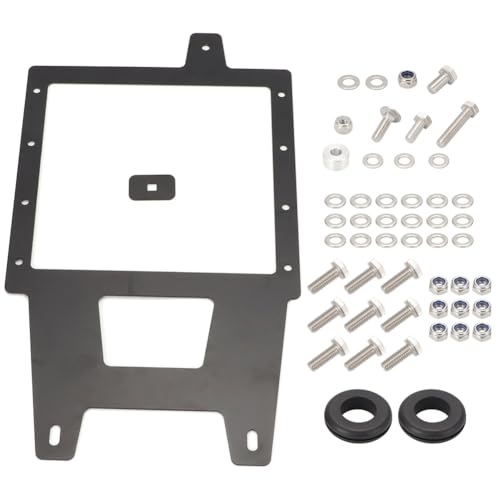
Install an external auxiliary transmission cooler immediately if you drive in hot climates or tow regularly. The Hayden Automotive 679 cooler mounts in front of the radiator and significantly reduces fluid operating temperatures. This single modification prevents the majority of heat-related CVT failures.
Change CVT fluid every 30,000 miles regardless of manufacturer recommendations. Use only Nissan NS-3 specification fluid, aftermarket alternatives don’t meet the precise friction modifier requirements. Keep detailed service records including fluid condition reports and temperature logs. Monitor transmission behavior for early warning signs: slight delays, minor shuddering, or temperature creep during highway driving.
Avoid aggressive acceleration and sudden throttle inputs that shock the CVT system. Gradual throttle application reduces peak clamping force requirements and extends belt life. Allow the transmission to warm up for 2–3 minutes in cold weather before driving, cold, thick fluid can’t provide adequate lubrication or hydraulic pressure. These preventative measures won’t eliminate inherent design weaknesses, but they maximize your transmission’s service life within its engineering limitations.
Frequently Asked Questions
What are the main signs of Nissan CVT transmission problems?
Common symptoms include high-pitched whining noises, sudden shuddering during acceleration, delayed engagement when shifting into Drive or Reverse, slipping gears with RPM spikes, and transmission overheating warnings. These issues typically occur between 60,000–120,000 miles on affected models.
Why do Nissan Xtronic CVT transmissions fail so frequently?
Nissan CVT failures stem from design weaknesses in the Jatco-manufactured Xtronic system, including inadequate fluid cooling, premature pulley wear, valve body failures, and TCM software flaws. Degraded NS-2/NS-3 fluid viscosity, clogged external coolers, and belt scoring accelerate failure timelines across 2013–2018 models.
How can I prevent Nissan transmission problems?
Change CVT fluid every 30,000 miles using only Nissan NS-3 specification fluid. Install an external auxiliary transmission cooler to reduce overheating. Avoid aggressive acceleration, allow warm-up time in cold weather, and monitor transmission temperature with an OBD2 scanner. These measures extend transmission life significantly.
What is the cost to repair or replace a failing Nissan CVT transmission?
Repair costs range from $300–$450 for fluid exchange, $1,600–$2,600 for valve body replacement, and $3,600–$5,400 for remanufactured units with warranty. Complete rebuilds cost $3,800–$6,200. Many 2013–2017 models are covered under extended 84-month/84,000-mile warranty following class action settlements.
Which Nissan models are most affected by transmission problems?
2013–2018 Altima, 2014–2016 Rogue, and 2015–2017 Murano models experience the highest CVT failure rates. Sentra, Versa, Pathfinder, and turbocharged Juke models also suffer similar issues. Larger vehicles and those used for towing face accelerated failure timelines due to increased thermal stress.
Should I get my Nissan transmission rebuilt or replaced with a remanufactured unit?
Remanufactured transmissions from ATRA-certified suppliers offer better long-term reliability with 3-year/unlimited-mile warranties, though they cost $3,600–$5,400 installed. Complete rebuilds risk failure if internal damage isn’t fully addressed. Remanufactured units provide superior warranty protection and predictable performance for most owners.
Read More:
- Car Transmission Problems (Guide for Automatic, CVT, and Hybrid)
- Nissan Altima Transmission Problems (Fixes for CVT Shudder, and Limp Mode)
- Ford Transmission Problems (Symptoms, Recalls, and What to Do)
- Chevy Traverse Transmission Problems (Warning Signs, Fixes)
- Hyundai Transmission Problems (Guide to Diagnosing the Issue)