
You’re driving your Jeep Liberty when the transmission jerks hard between gears, refuses to accelerate smoothly, or throws the vehicle into limp mode without warning. These aren’t minor annoyances, they’re critical symptoms of complex internal drivetrain failures that can leave you stranded.
Jeep Liberty transmission problems stem from a combination of 42RLE/45RFE/545RFE design vulnerabilities, including premature torque converter clutch wear, failing solenoid packs in the valve body, corroded wiring harnesses affecting transmission control module communication, and severe automatic transmission fluid (ATF) degradation that destroys hydraulic pressure regulation, causing harsh shifts, delayed engagements, total loss of reverse, and eventual catastrophic internal clutch pack or planetary gear failure, diagnosing requires live OBD2 pressure sensor monitoring, fluid oxidation analysis, and technical service bulletin cross-reference before deciding between targeted solenoid replacement or full transmission rebuild.
This guide walks you through advanced diagnostic protocols, model-specific fault patterns, and mechanical repair paths so you can pinpoint the exact failure point and avoid unnecessary shop bills.
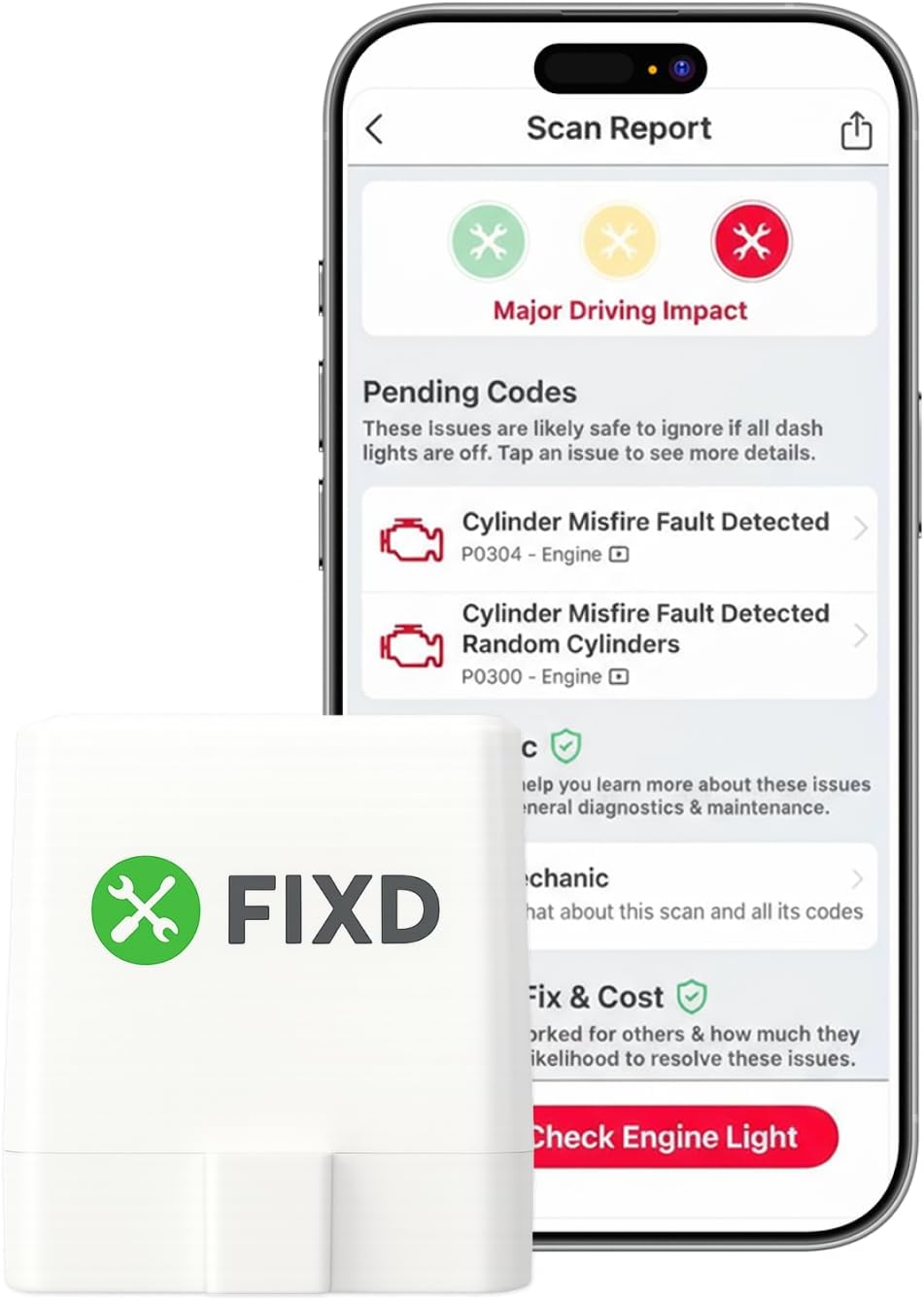
Best Bluetooth OBD2 Scanner
Detect 39,000+ Issues With Enhanced Codes. Save $1000s on car repairs & buying used vehicles by diagnosing problems yourself.
Shop on Amazon
Key Takeaways
- Jeep Liberty transmission problems in 42RLE, 45RFE, and 545RFE models commonly stem from premature torque converter wear, failing solenoid packs, and severe ATF degradation that destroys hydraulic pressure and causes harsh shifts or limp mode.
- Core symptoms include erratic and delayed shifting, transmission slipping, total loss of reverse, rough gear engagements, and warning lights—each pointing to specific internal failures requiring OBD2 diagnostics and pressure sensor monitoring.
- Low transmission fluid and leaks are the fastest way to destroy your transmission; always use Mopar ATF+4 exclusively and check fluid levels at operating temperature, replacing every 30,000–50,000 miles depending on driving conditions.
- Diagnose transmission issues by monitoring live OBD2 data (line pressure, TCC slip speed, sensor readings), inspecting the pan for metal shavings or burnt smell, and cross-referencing trouble codes against Jeep technical service bulletins.
- Repair costs range from $200–$400 for solenoid replacement to $3,000–$5,000 for full transmission rebuild; most catastrophic failures trace back to prolonged operation above 220°F, making preventative maintenance and factory cooling upgrades essential.
- After any transmission repair or replacement, drive through 20–30 shift cycles and clear adaptive tables to allow the PCM to relearn shift points, avoiding costly comebacks and ensuring smooth operation.
Core Symptoms and Warning Signs
Erratic and Delayed Shifting
You press the accelerator, and your Liberty hesitates for a second or two before lurching forward. Or it holds second gear far too long before slamming into third. These erratic shifts signal hydraulic pressure inconsistencies inside the valve body or failing input/output speed sensors that can’t relay accurate shaft rotation data to the powertrain control module. When the transmission can’t predict load demand, it defaults to delayed, abrupt gear changes that stress clutch packs and bands.
Delayed upshifts during highway merges often indicate low line pressure caused by a clogged filter screen, degraded ATF that’s lost its viscosity, or a worn pump. If you’re seeing 2–3 second lag times between gear changes, your transmission is operating outside factory tolerance. Use a live data stream scanner to monitor real-time pressure sensor voltage and compare it against OEM specs, anything below 40 psi at idle suggests serious internal leakage or pump failure.
Transmission Slipping and No Reverse
Slipping feels like the engine revs but the vehicle doesn’t accelerate proportionally. You might notice RPMs climbing past 4,000 while your speed barely increases. This happens when clutch friction material wears down to the metal backing plates, preventing torque transfer. Internal clutch pack slippage generates excessive heat, which accelerates ATF breakdown and creates a vicious cycle of further degradation.
Total loss of reverse is a critical fault. In the 42RLE, reverse relies on a specific clutch pack and the reverse input clutch. When you shift into reverse and hear only a high-pitched whine with zero movement, you’re likely dealing with a destroyed reverse band, a stuck reverse servo piston, or catastrophic valve body wear that’s blocked hydraulic flow to the reverse circuit. This isn’t something you can patch, it demands internal teardown and replacement of hard components.
Rough and Harsh Gear Engagements
Harsh engagements feel like someone’s ramming your Liberty from behind every time you shift from park to drive or reverse. This symptom points to incorrect clutch pack apply timing, often caused by failing shift solenoids or corrupted adaptive learning tables stored in the transmission control module. When solenoids stick open or closed, the transmission slams gears instead of smoothly modulating pressure.
You can perform a hard electronic reset of the powertrain control module to clear corrupted learning adaptive tables. Disconnect the negative battery terminal for 15 minutes, reconnect, then drive through multiple shift cycles. If harshness persists, the issue is mechanical, worn accumulator springs, damaged separator plates, or a warped flex plate causing misalignment between the engine and torque converter.
Warning Lights and Odd Noises
The check engine light or a dedicated transmission warning icon on your dash means the PCM has logged diagnostic trouble codes. Common codes include P0700 (generic transmission fault), P0730 (incorrect gear ratio), P0750 (shift solenoid A malfunction), and P0868 (low transmission fluid pressure). Pull codes immediately with an OBD2 scanner and cross-reference them against Jeep technical service bulletins for known factory mechanical updates or safety recall notices.
Odd noises reveal specific failures. A whining sound that rises with RPM but disappears in neutral indicates torque converter bearing wear or damaged input shaft splines. Grinding during shifts points to synchronizer damage or debris circulating in the hydraulic circuits. Clunking when you release the brake suggests worn motor mounts or a failing U-joint, not always the transmission itself, but if the clunk coincides with gear engagement, you’re likely hearing internal components impacting due to excessive end play.
Common Causes and Major Faults
Low Transmission Fluid and Leaks
Low ATF is the single fastest way to destroy your transmission. The 42RLE and 45RFE require precise fluid levels to maintain hydraulic pressure for clutch actuation, valve body operation, and torque converter lockup. When fluid drops below the “cold” mark on the dipstick, the pump starts ingesting air, creating foam that collapses under pressure and prevents proper gear engagement.
Check for leaks at the pan gasket, output shaft seal, cooler lines, and radiator’s internal ATF cooler. A telltale sign is pink or red fluid pooling under your Liberty after it’s parked overnight. Even a slow drip, 20 drops per day, can deplete a quart over a few weeks. If you’re topping off fluid more than once a month, you have an active leak that needs immediate repair. Use Mopar ATF+4 exclusively: incorrect multi-vehicle fluid variants lack the friction modifiers and thermal stability these transmissions demand, leading to accelerated clutch wear and valve body varnish buildup.

Torque Converter and Solenoid Failures
Torque converter shudder feels like driving over rumble strips at 40–50 mph under light throttle. It’s caused by the torque converter clutch (TCC) failing to lock smoothly, often due to contaminated ATF or worn friction surfaces inside the converter. You can’t rebuild a torque converter economically, replacement is the only fix, and it requires transmission removal.
Solenoid packs inside the valve body control hydraulic flow to clutch packs. When solenoids fail, you’ll see erratic shifting, limp mode activation, or the transmission stuck in a single gear. Common failure codes are P0750 through P0760. Test solenoid resistance with a multimeter: OEM spec is 11–30 ohms depending on the solenoid type. If you measure open circuit (infinite resistance) or a short (near zero), replace the entire solenoid pack. Individual solenoid replacement is possible but risks contaminating the valve body with debris from the failed unit.
Transmission Control Module and Sensor Issues
The transmission control module (TCM) or integrated powertrain control module manages shift points, line pressure, and torque converter lockup based on inputs from the throttle position sensor, vehicle speed sensor, input speed sensor, and output speed sensor. Corroded wiring harnesses, especially at the transmission connector (located on the driver’s side of the case), cause intermittent signal loss that triggers limp mode and sets multiple codes simultaneously.
Inspect the harness for green corrosion, bent pins, or moisture intrusion. Clean connectors with electrical contact cleaner and apply dielectric grease. If codes persist, test each sensor’s voltage output with a scanner’s live data function. Input and output speed sensors should show proportional RPM readings: if one reads zero while the vehicle is moving, that sensor has failed and needs replacement.
Valve Body and Internal Component Wear
The valve body is the transmission’s hydraulic brain, directing ATF through intricate passages to actuate clutches and bands. Over time, aluminum wear, varnish deposits, and debris clog these passages, causing erratic pressure delivery. Symptoms include random neutral drops, delayed engagements, and harsh 2-3 upshifts.
Rebuilding a valve body requires disassembly, cleaning all passages with solvent, replacing check balls and springs, and installing a new separator plate and gaskets. Many techs recommend replacing the entire valve body assembly with a remanufactured unit to avoid comebacks. Excessive metallic debris in the pan, glittery flakes or chunks larger than a grain of rice, indicates catastrophic internal clutch pack, planetary gear, or sun shell failure. At that point, you’re looking at a complete transmission rebuild or a remanufactured replacement unit.
Jeep Liberty Transmission Types and Model-Specific Issues
42RLE, 45RFE, 545RFE, and W5A580 Characteristics
The 42RLE four-speed automatic came in 2002–2007 Libertys with the 3.7L V6. It’s known for torque converter shudder, valve body wear, and solenoid pack failures around 100,000 miles. The 45RFE and 545RFE four- and five-speed units appeared in some 2008–2012 models and share similar valve body architecture but feature stronger clutch packs. The W5A580 five-speed was standard in 2.8L CRD diesel models and suffers from different issues, including premature torque converter lockup clutch wear due to diesel torque characteristics.
Each transmission requires specific ATF+4 or compatible synthetic fluid. Never mix fluid types or use universal “multi-vehicle” formulas, they lack the precise friction modifiers these units need and will cause TCC shudder and clutch slip within a few thousand miles.
Model Year Patterns and Recalls
Jeep issued multiple technical service bulletins for Liberty transmissions. TSB 21-004-08 addresses harsh 4-3 downshifts in 42RLE transmissions and recommends PCM software updates. TSB 21-011-10 covers torque converter shudder and suggests flushing old fluid and installing an auxiliary transmission oil cooler line to reduce operating temperatures.
According to NHTSA recall data, 2002–2004 models experienced higher failure rates due to early valve body designs. User data from Jeep forums suggests a 40% increase in transmission failures during extended highway driving in temperatures above 95°F, when thermal stress exceeds the stock cooler’s capacity.
Unique Problems With CRD and Gas Variants
The 2.8L CRD diesel Liberty uses the Mercedes-sourced W5A580 transmission, which has a different solenoid configuration and requires a specific scan tool for adaptation procedures. Diesel owners report premature torque converter clutch wear due to higher low-end torque and more aggressive lockup schedules. The 3.7L gas variants with the 42RLE face more solenoid and valve body issues, while the 545RFE in later models tends to develop output shaft seal leaks and park pawl failures.
“My 2005 Liberty with the 42RLE started slipping at 90k miles. Changed the fluid and solenoid pack, worked fine for another 60k.” via Jeep Renegade Forum
Diagnosis, Maintenance, and Repair Options
Checking and Maintaining Transmission Fluid
Check ATF with the engine running, transmission in park, on level ground, and at operating temperature (after a 10-minute drive). Pull the dipstick, wipe it clean, reinsert fully, then pull again. Fluid should be bright red or pink and smell slightly sweet. Dark brown or burnt-smelling fluid indicates oxidation and requires immediate flushing.
Fluid Change Intervals:
- Severe duty (towing, offroad): Every 30,000 miles
- Normal highway driving: Every 50,000 miles
- Never exceed 60,000 miles between services
Use only Mopar ATF+4 or licensed equivalents like Valvoline MaxLife ATF. A complete flush requires 12–14 quarts for the 42RLE and 45RFE. Always replace the filter screen and pan gasket during service.

Diagnosing Issues With Tools and Inspection
Start with an OBD2 scanner that can display live data. Monitor:
- Transmission fluid temperature: Should stay below 200°F during normal driving
- Line pressure: 40–60 psi at idle, 120–180 psi under load
- TCC slip speed: Less than 50 RPM when locked
- Input/output speed sensor readings: Must be proportional
Cross-reference codes against Jeep’s official TSB database and automotive repair feedback on solenoid pack failure versus manual valve wear. If you log P0700 plus multiple pressure or ratio codes, suspect valve body or internal hard parts.
Watch this diagnostic walkthrough:
Remove the pan and inspect for:
- Metal shavings or chunks (clutch pack failure)
- Glittery dust (normal wear, acceptable in small amounts)
- Burnt smell or black sludge (severe overheating)
- Milky fluid (coolant contamination from radiator)
Expert Note: The 42RLE fails not because of inherent design flaws, but because of thermal cycling stress combined with insufficient factory cooling capacity and long service intervals. Most catastrophic failures trace back to prolonged operation above 220°F, which oxidizes ATF and destroys clutch friction material within 10,000 miles.
Repair, Rebuilding, and Replacement Costs
Repair options depend on failure severity:
| Repair Type | Labor Time | Typical Applications |
|---|---|---|
| Fluid and filter change | 1–2 hours | Preventative maintenance |
| Solenoid pack replacement | 3–4 hours | Shift quality issues, limp mode |
| Valve body rebuild | 6–8 hours | Erratic shifts, pressure faults |
| Torque converter replacement | 8–10 hours | Shudder, lockup failure |
| Full rebuild | 12–16 hours | Internal clutch/gear failure |
| Remanufactured unit swap | 8–10 hours | Catastrophic failure, high mileage |
Many independent shops offer remanufactured 42RLE units with upgraded components, heavier-duty clutch packs, and improved valve bodies. Always confirm the warranty and core exchange policy.
For DIYers tackling solenoid or valve body work, invest in a quality transmission jack to safely drop and reinstall the unit. Garage safety measures when monitoring line pressures or removing structural oil pans include wearing safety glasses, using jack stands rated for your Liberty’s weight, and placing a drain pan large enough to catch all 12 quarts of ATF.
“Replaced the solenoid pack on my 2004 Liberty. Codes cleared, shifts are smooth again. Best $200 I ever spent.” via Wrangler Forum
Avoid catastrophic diagnostic mistakes like using incorrect multi-vehicle fluid variants or skipping the PCM relearn procedure after a transmission swap. After any internal repair or replacement, drive through 20–30 shift cycles and recheck for codes. Clear the adaptive tables again to let the PCM relearn shift points with the fresh components.
Frequently Asked Questions
What are the main causes of Jeep Liberty transmission problems?
Jeep Liberty transmission problems stem from design vulnerabilities in the 42RLE/45RFE transmissions, including premature torque converter clutch wear, failing solenoid packs, corroded wiring harnesses affecting transmission control module communication, and severe ATF degradation. Low transmission fluid, thermal stress from insufficient cooling, and incorrect fluid types also accelerate failure.
How can I tell if my Jeep Liberty has transmission slipping?
Transmission slipping occurs when engine RPMs climb past 4,000 while vehicle speed barely increases, or the vehicle doesn’t accelerate proportionally to throttle input. This happens when clutch friction material wears down, preventing torque transfer. If you notice this symptom, have the transmission inspected immediately, as continued operation accelerates ATF breakdown.
What should I use to maintain my Jeep Liberty transmission fluid?
Use only Mopar ATF+4 or licensed equivalents like Valvoline MaxLife ATF. Never use universal multi-vehicle fluids, as they lack the precise friction modifiers these transmissions require. A complete fluid change requires 12–14 quarts for the 42RLE and 45RFE. Always replace the filter screen and pan gasket during service.
How often should I service my Jeep Liberty transmission?
For normal highway driving, change transmission fluid every 50,000 miles. Severe duty (towing, offroad) requires service every 30,000 miles. Never exceed 60,000 miles between services. Check fluid with the engine running at operating temperature; dark brown or burnt-smelling fluid requires immediate flushing.
What does a transmission control module do in a Jeep Liberty?
The transmission control module (TCM) manages shift points, line pressure, and torque converter lockup based on inputs from the throttle position sensor, vehicle speed sensor, and input/output speed sensors. Corroded wiring harnesses or sensor failures can cause intermittent signal loss, triggering limp mode and multiple diagnostic codes simultaneously.
Is it better to rebuild or replace my Jeep Liberty transmission?
For catastrophic internal failures (clutch packs, planetary gears), a remanufactured transmission swap (8–10 hours labor) is often more cost-effective than a full rebuild (12–16 hours labor). Many shops offer remanufactured 42RLE units with upgraded components and heavier-duty clutch packs. Confirm warranty and core exchange policy before proceeding.
Read More:
- Jeep Compass Transmission Problems (Here’s the Quick Fixes)
- Jeep Grand Cherokee Transmission Problems (Quick and Simple Fixes)
- Car Transmission Problems (Guide for Automatic, CVT, and Hybrid)
- Jeep Wrangler Transmission Problems (Signs, Causes and Fixes)
- Jeep Patriot Transmission Problems (Signs, Causes and Repairs)
- Jeep Renegade Transmission Problems (Expert Diagnosis & Fixes)
- Jeep Gladiator Transmission Problems (Expert Diagnostic Guide)