
Your Nissan Frontier started jerking violently between gears this morning, or you’ve noticed a disturbing delay when accelerating from a stoplight. These aren’t minor quirks, they’re warning signals from a stressed transmission system that demands immediate technical attention.
Nissan Frontier transmission problems typically stem from five critical failure points: degraded or contaminated ATF fluid that loses hydraulic viscosity and protective properties, a ruptured internal radiator cooler line causing catastrophic coolant cross-contamination known as the “strawberry milkshake of death,” failing electronic solenoid packs or transmission control module communication errors, torque converter clutch wear producing shudder under load, and mechanical deterioration of internal clutch packs or planetary gearsets requiring complete rebuilds. Early-generation models (2005–2012) face severe radiator cooler failure risks, while newer 9-speed platforms (2022+) exhibit harsh shift calibration bugs and adaptive learning corruption that trigger limp mode protection during heavy towing or off-road stress cycles.
This guide breaks down advanced diagnostic procedures, real-time sensor monitoring protocols, and targeted repair strategies to pinpoint your exact failure mode before expensive guesswork begins.
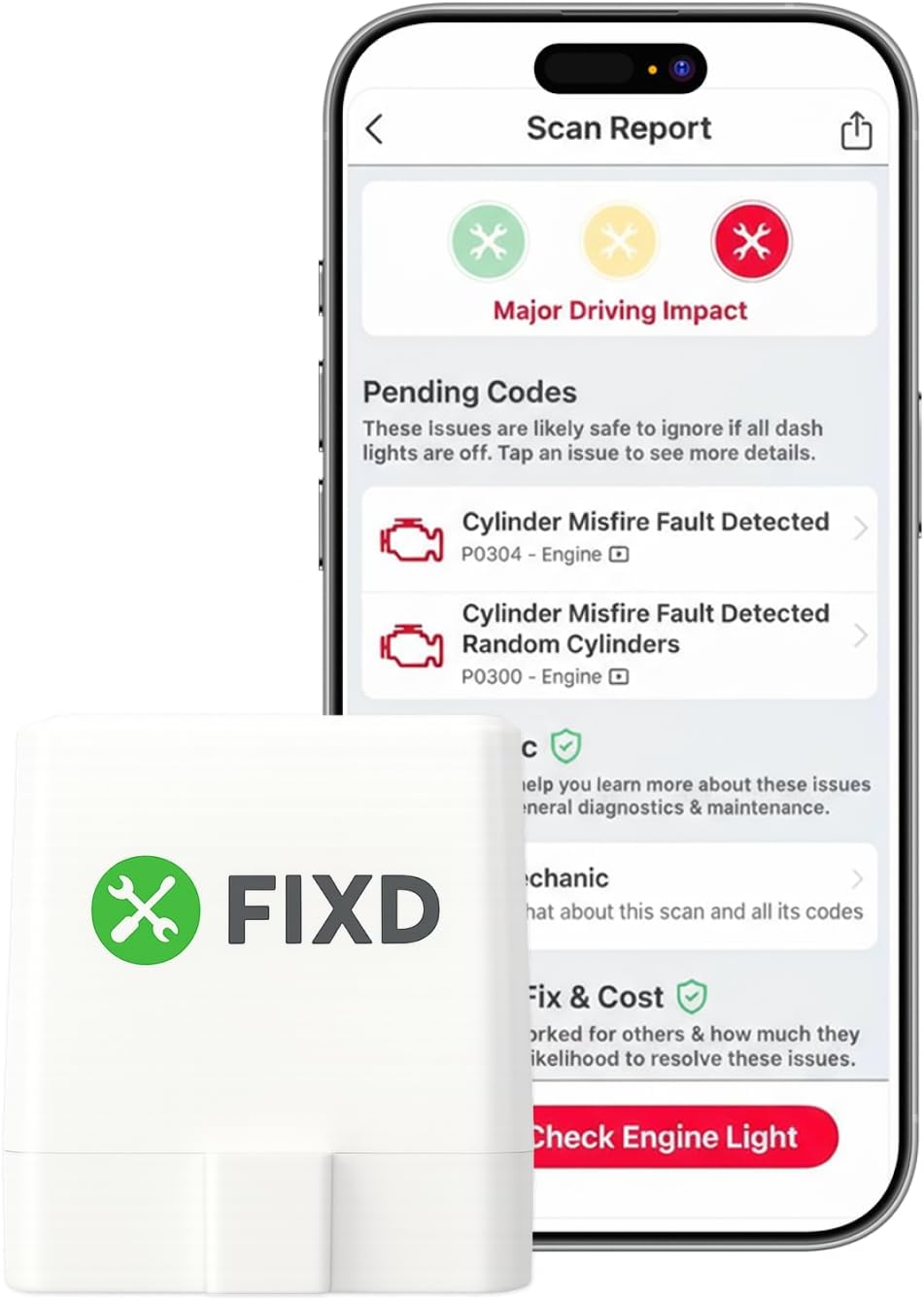
Best Bluetooth OBD2 Scanner
Detect 39,000+ Issues With Enhanced Codes. Save $1000s on car repairs & buying used vehicles by diagnosing problems yourself.
Shop on Amazon
Key Takeaways
- Nissan Frontier transmission problems stem from five critical failure points: degraded ATF fluid, internal radiator cooler rupture (the ‘strawberry milkshake of death’), solenoid failures, torque converter wear, and mechanical deterioration of clutch packs—each requiring specific diagnostic protocols before repair.
- Early warning signs include transmission slipping, delayed engagement, harsh shifting, torque converter shudder, and ATF leaks; monitoring fluid color, checking for metallic debris in the pan, and using an OBD2 scanner to diagnose trouble codes can prevent catastrophic failure.
- The 2005–2012 Frontier models face severe radiator cooler contamination risks, while newer 2022+ nine-speed automatic units experience harsh shift calibration issues that respond well to TCM software updates—installation of an external transmission cooler is a highly effective preventive measure for all model years.
- Regular transmission fluid maintenance every 40,000 miles (more frequently if towing), using only Nissan-specified Matic-S or Matic-J fluid, and proactively inspecting for contamination can extend component life dramatically and prevent repair costs ranging from $800–$5,000.
- When transmission repair is necessary, gather detailed diagnostic reports with specific trouble codes before authorizing work; choose experienced transmission specialists carefully, understand that warranty coverage excludes neglected maintenance, and address root causes like overheating through cooler installation to prevent recurrence.
Warning Signs and Common Symptoms
Transmission Slipping and Delayed Engagement
You press the throttle, engine RPMs climb, but your truck hesitates or lurches forward after a noticeable pause. This delayed engagement typically indicates hydraulic pressure loss inside the valve body or worn clutch pack friction material that can’t maintain torque transfer. Slipping gears, where the transmission unexpectedly drops out of gear during acceleration, points to either severe ATF degradation that’s lost its friction modifier chemistry or internal mechanical wear on clutch plates and bands.
Connect an OBD2 scanner with live data capability to monitor input and output shaft speed sensors in real time. Significant RPM divergence between these sensors under load confirms internal slippage. Check the transmission fluid pan for metallic debris, fine gray powder suggests clutch material breakdown, while larger chunks indicate catastrophic gear or bearing failure. Early intervention with fluid analysis can prevent total destruction.

Hard Shifting and Jerky Operation
Brutal clunks when shifting from Park to Drive, or violent jerks between 2nd and 3rd gear, reveal either corrupted transmission control module (TCM) adaptive learning tables or mechanically stuck shift solenoids. The TCM constantly adjusts shift timing and line pressure based on driving patterns, but electrical glitches or sensor miscommunication corrupt these tables, causing erratic behavior.
Perform a hard TCM reset by disconnecting the battery for 15 minutes, then driving through 20–30 gentle acceleration cycles to allow fresh adaptive learning. If harsh shifts persist, you’re facing solenoid pack failure or valve body scoring. Nissan’s technical service bulletins document known shift quality issues across multiple model years, particularly 2005–2012 generations with the RE5R05A five-speed automatic.
Torque Converter Shudder and Related Noises
A rhythmic shuddering sensation between 40–50 mph during light acceleration signals torque converter clutch lockup failure. The lockup clutch mechanically couples the engine to the transmission for fuel efficiency, but worn friction surfaces or contaminated fluid cause it to chatter and vibrate. You’ll also hear high-pitched whining under load, distinct from normal gear mesh noise, indicating bearing wear or fluid cavitation inside the converter.
“My 2019 Frontier started shuddering at highway speeds. Dealer flushed the fluid twice but the problem came back after 5,000 miles. Turned out the torque converter was toast.” via ClubFrontier Forums
Inspect fluid condition immediately. Dark brown or burnt-smelling ATF confirms thermal breakdown. Torque converter replacement requires full transmission removal, so combine it with a complete fluid system flush and external cooler installation to prevent recurrence.
Transmission Fluid Leaks and Warning Lights
Red or pink puddles under your truck indicate ATF leaks from pan gaskets, cooler lines, or front seal failure. Even minor leaks drop fluid levels below safe operating thresholds, starving the hydraulic pump and causing immediate damage. The dashboard check engine light combined with transmission warning indicators triggers limp mode, a protective state limiting gear range to prevent catastrophic failure.
Pull diagnostic trouble codes (DTCs) using your scanner. P0700 is a generic transmission fault that requires deeper subcodes, look for P0730 (incorrect gear ratio), P0741 (torque converter clutch performance), or P0715/P0720 (input/output speed sensor circuit malfunctions). These codes guide your diagnostic path and prevent shotgun part replacement.
Major Causes of Transmission Failures
Low or Contaminated Transmission Fluid
Transmission fluid serves three critical functions: hydraulic pressure transfer, lubrication, and thermal management. Nissan specifies Matic-S for most Frontier models through 2021, while newer 9-speed units require Matic-J formulation. Using incorrect fluid destroys friction modifier packages and causes immediate shift quality degradation.
Fluid oxidation accelerates above 220°F, common during heavy towing or off-road use without auxiliary cooling. Oxidized fluid turns dark, develops a burnt odor, and loses viscosity, allowing metal-on-metal contact inside planetary gearsets. Check fluid color by pulling the dipstick (if equipped) or removing the fill plug. Bright red indicates good condition: brown or black demands immediate replacement. Never attempt a complete flush on high-mileage units with neglected maintenance, debris trapped in the system can dislodge and block critical passages.
Coolant Contamination and the Strawberry Milkshake of Death
The 2005–2012 Frontier faces a notorious failure mode: the internal transmission oil cooler inside the radiator ruptures, mixing engine coolant with ATF. The resulting pink, frothy mixture resembles a strawberry milkshake and represents complete transmission destruction. Coolant contamination destroys friction materials, corrodes internal components, and blocks valve body passages within hours.
Drop the transmission pan immediately if you suspect coolant intrusion. Pink or milky fluid confirms contamination, you’ll need a complete transmission teardown, radiator replacement, and installation of an external transmission cooler bypass to eliminate the factory cooler. This failure costs $3,000–$5,000 but remains preventable through external cooler installation and regular coolant system inspection. Many owners proactively bypass the radiator cooler on older Frontiers.

Transmission Control Module and Electrical Malfunctions
The TCM manages shift timing, line pressure, and torque converter lockup through electronic solenoids. Voltage spikes, corroded connectors, or water intrusion corrupt the module’s software or damage circuit boards. You’ll experience random gear hunting, stuck gears, or complete loss of forward movement when the TCM fails.
Monitor solenoid command versus actual pressure using advanced scan tools with manufacturer-specific protocols. Voltage readings outside 11.5–13.5V indicate electrical supply problems, while solenoid resistance testing (typically 10–30 ohms depending on type) reveals internal coil failures. TCM reflashing with updated calibration files addresses known shift quality bugs, check Nissan’s TSB database for software updates specific to your model year.
Mechanical Wear and Manufacturing Concerns
Internal components endure extreme stress, clutch packs engage under 200+ PSI line pressure, planetary gears transfer hundreds of lb-ft of torque, and bearings spin at thousands of RPM. Normal wear accelerates with aggressive driving, overloading, or inadequate fluid maintenance. The RE5R05A five-speed used through 2021 shows weakness in the direct clutch pack and B1 brake band under repeated heavy towing.
Metallic debris in the pan during fluid changes signals imminent failure. Fine particles indicate normal wear: chunky metallic pieces mean gear teeth or bearing cage destruction. At this stage, you’re facing complete rebuild or remanufactured unit replacement, repairs won’t stop the cascade of internal damage.
Recent Model Trends and Notable Issues
2025 Nissan Frontier and the 9-Speed Automatic
The redesigned 2022+ Frontier introduced a new ZF-sourced 9-speed automatic paired with the 3.8L V6. Early adopters report harsh 1–2 and 2–3 upshifts, particularly when cold, and occasional delayed downshifts during passing maneuvers. These symptoms stem from overly aggressive shift mapping and incomplete adaptive learning rather than mechanical failure.
Dealers address this through TCM software updates that smooth shift transitions and recalibrate torque converter lockup behavior. If your 2025 Frontier exhibits these symptoms, request the latest transmission calibration flash. The 9-speed platform appears mechanically sound but requires refined electronic tuning to match the proven smoothness of Toyota and GM competitors.
Frontier SV and Model-Specific Complaints
The mid-range SV trim represents the bulk of Frontier sales, so complaint volumes naturally concentrate here. But, transmission failures don’t discriminate by trim level, the same RE5R05A or 9-speed units span the entire lineup. SV owners towing near the 6,720 lb maximum capacity stress the transmission’s thermal limits without the PRO-4X’s standard auxiliary cooler.
“Bought a used 2016 SV with 60k miles. Started slipping at 75k. Dealer found no coolant contamination but fluid was burnt. They wanted $4,200 for a rebuild.” via Frontier Owners Club
If you own an SV and regularly tow or haul, install an aftermarket cooler and monitor fluid temperature using an OBD2 gauge display. Keeping ATF below 200°F dramatically extends component life.
Auxiliary Transmission Cooler and Overheating Risks
Factory transmission cooling routes ATF through the radiator’s internal heat exchanger, adequate for light duty but insufficient for sustained towing, especially in hot climates. Transmission temperatures exceeding 240°F accelerate fluid breakdown exponentially: every 20°F above 220°F cuts fluid life in half.
External coolers mount in front of the radiator and use dedicated airflow for superior thermal management. Proper installation includes placing the cooler inline after the radiator (for initial warmup) or completely bypassing the radiator on vulnerable 2005–2012 models. This single modification prevents most heat-related failures and coolant contamination risks.
Dealer Responses, Recalls, and TCM Updates
Nissan has issued multiple TSBs addressing shift quality and limp mode triggers but no widespread transmission recalls for the Frontier. Dealers vary widely in diagnostic competency, some immediately recommend full replacement, while experienced techs properly diagnose sensors, solenoids, or software issues first. Request a written diagnostic report with specific failure codes and component test results before authorizing major repairs.
Warranty coverage typically extends 5 years/60,000 miles for powertrain components, though some owners report claim denials for “lack of maintenance” if fluid service records aren’t documented. Extended warranties from third-party providers may cover transmission repairs, but read the fine print about wear items versus catastrophic failure definitions.
Maintenance, Solutions, and Warranty Considerations
Routine Checks and Transmission Fluid Service
Nissan’s official maintenance schedule calls for transmission fluid inspection every 30,000 miles and replacement only “if necessary”, woefully inadequate for real-world truck use. Carry out a 40,000-mile fluid change interval if you tow, haul, or drive in extreme temperatures. Use only Matic-S or Matic-J as specified for your transmission, generic “multi-vehicle” fluids lack the precise friction modifiers these units require.
During each service, drop the pan rather than performing a flush-only service. Inspect for metallic debris, magnet accumulation, and discoloration. Replace the internal filter (if equipped) and pan gasket. This hands-on inspection provides early warning of developing problems before catastrophic failure occurs.
Transmission Repair, Rebuild, and Replacement
When facing major transmission work, you’ve got three paths: targeted component repair (TCM, solenoid pack, valve body), complete rebuild, or remanufactured unit installation. Solenoid pack replacement runs $800–$1,500 in labor and parts, worthwhile if the mechanical components test sound. Full rebuilds cost $2,500–$4,000 and include clutch packs, seals, and bearings, while remanufactured units with warranties run $3,000–$5,000 installed.
Choose your repair shop carefully. Dealer service departments charge premium rates but access factory training and genuine parts. Independent transmission specialists often deliver superior diagnostics and competitive pricing but vary in quality. Request references and warranty terms in writing.
Preventing Recurrence of Transmission Problems
After repair or replacement, you must address the root cause. Install an auxiliary cooler if towing regularly. Switch to synthetic ATF formulations that resist oxidation better than conventional fluids. Monitor fluid condition every 15,000 miles through visual inspection and, if problems recur, send samples to Blackstone Laboratories for detailed analysis revealing wear metals and contamination.
Modify your driving habits during the first 1,000 miles after service, gentle acceleration allows fresh fluid to condition friction surfaces and TCM adaptive tables to relearn properly. Avoid extended high-load operation until the system stabilizes.
Understanding Warranty Coverage for Repairs
Factory powertrain warranties cover transmission defects but exclude damage from neglected maintenance, modifications, or abuse. Extended warranty contracts add protection but often contain exclusions for “wear and tear” or pre-existing conditions. Document all maintenance with dated receipts and keep detailed records of symptoms and dealer visits.
If your transmission fails within warranty and the dealer denies coverage citing “lack of maintenance,” escalate to Nissan Consumer Affairs. Some owners have successfully argued that inadequate factory maintenance intervals contributed to premature failure, forcing goodwill repairs or partial coverage even outside standard warranty periods.
Frequently Asked Questions
What are the main causes of Nissan Frontier transmission problems?
Nissan Frontier transmission problems typically stem from five critical failure points: degraded ATF fluid, ruptured internal radiator cooler lines causing coolant contamination, failing electronic solenoid packs, torque converter clutch wear, and mechanical deterioration of internal clutch packs. Early-generation models (2005–2012) face severe cooler failure risks, while newer 9-speed units exhibit harsh shift calibration issues.
How do I know if my Nissan Frontier transmission is slipping?
Transmission slipping occurs when engine RPMs climb but the truck hesitates or lurches forward after a noticeable pause, or when the transmission unexpectedly drops out of gear during acceleration. Connect an OBD2 scanner to monitor input and output shaft speed sensors—significant RPM divergence confirms internal slippage. Check the transmission fluid pan for metallic debris indicating clutch material breakdown.
What is the strawberry milkshake of death in Nissan Frontier transmissions?
This refers to coolant contamination in the transmission fluid, occurring when the internal transmission oil cooler inside the radiator ruptures on 2005–2012 Frontiers. The resulting pink, frothy mixture represents complete transmission destruction. Drop the transmission pan immediately if you suspect coolant intrusion—you’ll need a complete teardown, radiator replacement, and external cooler installation costing $3,000–$5,000.
What transmission fluid does a Nissan Frontier require?
Nissan specifies Matic-S for most Frontier models through 2021, while newer 9-speed units require Matic-J formulation. Using incorrect fluid destroys friction modifier packages and causes immediate shift quality degradation. Generic ‘multi-vehicle’ fluids lack the precise friction modifiers these units require and should be avoided.
Can a hard TCM reset fix harsh shifting in my Nissan Frontier?
A hard TCM reset by disconnecting the battery for 15 minutes, followed by 20–30 gentle acceleration cycles, may resolve harsh shifts caused by corrupted adaptive learning tables. However, if shifts persist afterward, you’re likely facing solenoid pack failure or valve body scoring requiring professional repair rather than a software reset.
How often should I change my Nissan Frontier transmission fluid?
Although Nissan’s official schedule specifies replacement only ‘if necessary,’ industry experts recommend a 40,000-mile fluid change interval if you tow, haul, or drive in extreme temperatures. Drop the pan rather than flushing, inspect for metallic debris and discoloration, and replace the internal filter and pan gasket to catch developing problems early.
Read More:
- Car Transmission Problems (Guide for Automatic, CVT, and Hybrid)
- Nissan Altima Transmission Problems (Fixes for CVT Shudder, and Limp Mode)
- Nissan Transmission Problems (Here’s the Expert Diagnosis & Repair)
- Nissan CVT Transmission Problems (Expert Diagnosis & Repair)
- Nissan Rogue Transmission Problems (Expert Diagnosis & Fixes)
- Nissan Pathfinder Transmission Problems (Expert Diagnosis & Fixes)
- Nissan Murano Transmission Problems (Expert Diagnosis & Mechanical Fixes)