
Your Pathfinder stutters at stoplights, jerks into gear, or flashes a transmission warning light. You’re not alone, these symptoms plague thousands of owners across multiple generations of this mid-size SUV.
Nissan Pathfinder transmission problems stem primarily from CVT belt degradation in 2013–2020 models, radiator coolant cross-contamination destroying traditional automatics in 2005–2012 units (the “strawberry milkshake of death”), and valve body/solenoid pack failures across all generations. Early diagnosis using OBD2 live-data scanners to monitor clutch pressure sensor voltage, transmission fluid oxidation levels, and TCM communication errors is critical to avoid catastrophic mechanical failure requiring complete replacement.
You need technical clarity before spending thousands at a dealership. This guide walks you through generation-specific failure modes, advanced diagnostic procedures, and actionable repair pathways grounded in drivetrain engineering fundamentals.
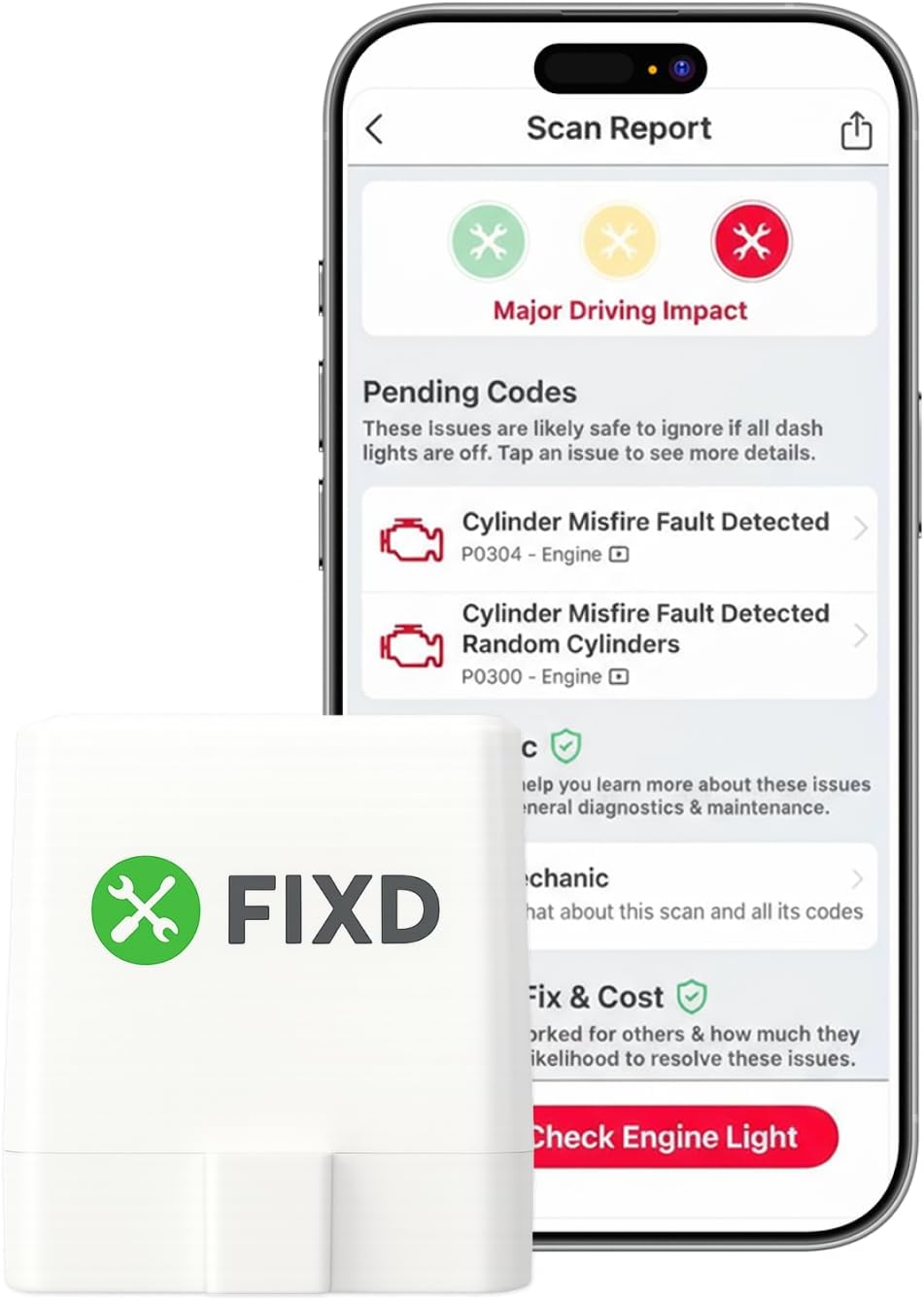
Best Bluetooth OBD2 Scanner
Detect 39,000+ Issues With Enhanced Codes. Save $1000s on car repairs & buying used vehicles by diagnosing problems yourself.
Shop on Amazon
Key Takeaways
- Nissan Pathfinder transmission problems vary by generation: 2005–2012 models risk coolant contamination, 2013–2020 CVT units suffer belt degradation, and 2021+ models use more reliable ZF 9-speed transmissions.
- Early diagnosis using OBD2 scanners to monitor transmission fluid condition, temperature, and fault codes can prevent catastrophic failure requiring complete transmission replacement costing $4,500–$9,500.
- Use only manufacturer-approved transmission fluid: Nissan Matic S for older automatics, NS-3 for CVT models (never generic alternatives), and ZF Lifeguard 8 for the new 9-speed to maintain reliability.
- Perform fluid exchanges every 30,000 miles for CVT transmissions and 60,000 miles for traditional automatics—the $200–$300 preventive cost is trivial compared to full transmission replacement expenses.
- Address radiator cooler line issues immediately in 2005–2010 third-generation models by upgrading the radiator and installing an external auxiliary cooler to prevent the ‘strawberry milkshake of death’ contamination.
- Monitor transmission operating temperature; if fluid consistently exceeds 210°F, install an auxiliary transmission cooler to reduce thermal stress and prevent premature component failure.
Common Transmission Symptoms
Slipping and Power Loss
You press the accelerator, RPMs climb, but your Pathfinder hesitates or fails to accelerate proportionally. This classic slipping symptom indicates internal clutch pack wear in traditional automatics or steel belt degradation in CVT units. Under load, merging onto highways or towing, the transmission can’t maintain hydraulic clamping force, causing the power disconnect you feel.
CVT models (2013–2020) exhibit this as a rubber-band effect where engine noise rises without corresponding speed increase. Check your transmission fluid on a level surface after a short drive. Dark brown or burnt-smelling fluid confirms thermal breakdown. Use an OBD2 scanner with live data capability to monitor primary and secondary pulley pressure readings, asymmetric values below manufacturer spec (typically 450–850 kPa depending on load) confirm internal hydraulic failure.
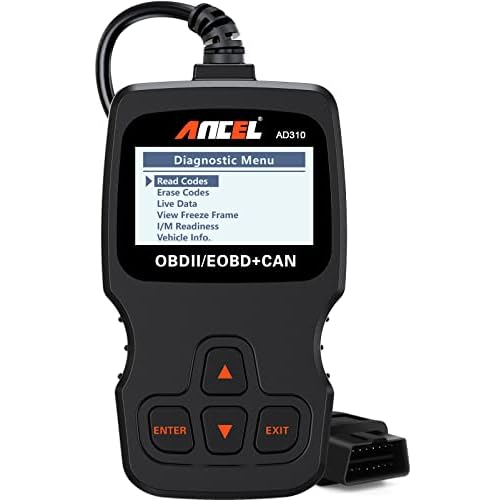
Traditional five-speed and seven-speed automatics show slipping through delayed upshifts or unexpected downshifts during steady cruising. The valve body may be sticking, or clutch friction material has contaminated the fluid passages. Pull the dipstick and inspect for metallic flakes, any visible debris signals catastrophic wear requiring immediate professional evaluation.
CVT Judder and Violent Shuddering
Low-speed shuddering between 15–30 mph is the signature CVT failure mode in fourth-generation Pathfinders. You’ll feel violent vibrations through the cabin floor, often mistaken for engine misfires or driveline U-joint wear. This judder results from microscopic belt slip as the CVT fluid loses its friction-modifier additives through heat cycling and oxidation.
“Shuddering started around 60k miles. Feels like driving over rumble strips at 20 mph. Dealer quoted $7,200 for CVT replacement.” via PathfinderTalk Forums
Nissan released Technical Service Bulletin NTB13-007a addressing this exact symptom, recommending NS-3 CVT fluid replacement with updated friction modifiers. But, if shuddering persists after a proper fluid exchange using Nissan NS-3 (never generic multi-vehicle CVT fluid), the steel belt and pulley surfaces have likely worn beyond serviceability.
Monitor this with a diagnostic scan tool that reads transmission temperature in real-time. If fluid temps exceed 220°F during normal suburban driving, your cooling system isn’t managing heat properly, check the external transmission cooler for blockages and verify coolant flow through the integrated radiator heat exchanger.
Delayed Engagement and Transmission Slip
You shift from Park to Drive or Reverse, and the transmission takes 2–4 seconds to engage. This delayed engagement points to low line pressure, worn pump components, or valve body solenoid malfunction. In cold weather, degraded fluid loses viscosity, exacerbating the delay.
Perform a hard TCM reset procedure: disconnect the negative battery terminal for 15 minutes to clear adaptive learning tables that may have compensated for gradual wear. Reconnect and test, if engagement delay disappears temporarily but returns within 50 miles, the issue is mechanical, not electronic.
Check for diagnostic trouble codes P0700 (generic transmission fault), P0868 (low line pressure), or P17F0 (clutch pressure control solenoid). These codes combined with delayed engagement confirm hydraulic circuit failure within the valve body or failing pump. Third-generation models with the RE5R05A five-speed are particularly prone to valve body bore wear after 120,000 miles.
Dashboard Alerts and Error Codes
The dashboard transmission warning light (often a gear icon with an exclamation mark) triggers when the TCM detects fault conditions beyond normal operating parameters. Simultaneously, the vehicle may enter fail-safe limp mode, limiting you to second or third gear and capping speeds around 35–45 mph to prevent further damage.
Common codes include:
- P0730: Incorrect gear ratio (mechanical slip or sensor fault)
- P0745: Pressure control solenoid malfunction
- P17E8: CVT belt position sensor circuit
- P1778: CVT step motor function error
Don’t ignore intermittent warning lights. The TCM stores freeze-frame data showing exact operating conditions when the fault occurred, coolant temp, vehicle speed, throttle position, and gear commanded versus actual. This data is crucial for diagnosis but erases after 40–80 key cycles without fault recurrence.
Use a professional-grade scanner (not a basic code reader) to view manufacturer-specific codes and live data streams. Monitor input shaft speed versus output shaft speed during a test drive, if the ratio doesn’t match the selected gear ratio within 10%, you have internal mechanical slip requiring teardown inspection.
Generational Analysis
Third Generation (2005–2012) and the ‘Strawberry Milkshake of Death’
The body-on-frame third-generation Pathfinder used Nissan’s RE5R05A five-speed automatic, generally reliable except for one catastrophic design flaw: the radiator’s internal transmission cooler lines are prone to cracking, allowing coolant to mix with ATF. This creates a pink, frothy emulsion that destroys every internal component, clutch packs, valve body, torque converter, and pump.
“Found pink milkshake in my transmission pan. Radiator failed at 98k miles. Total loss, needed new transmission AND new radiator.” via r/Nissan
Check for this immediately if you own a 2005–2010 model: pull the transmission dipstick and look for any pink tint or foam. Even trace contamination requires urgent action. The fix involves replacing the radiator with an aftermarket unit featuring external auxiliary cooler ports, installing a separate standalone transmission cooler, and flushing the transmission at least three times to remove coolant residue.

Nissan issued extended warranty coverage (Warranty Extension Program PC006) through 2013 for radiator replacement, but transmission damage wasn’t universally covered. If you’re buying a used third-gen Pathfinder, verify the radiator and cooler lines have been upgraded, this single preventive measure can save you $4,000–$6,500 in transmission replacement costs.
Fourth Generation (2013–2020) CVT Failures
The shift to the Jatco-supplied JF011E CVT (branded as Xtronic) brought unibody construction and improved fuel economy, but introduced reliability nightmares. CVT belt wear, pulley scoring, and control valve failures plague models with over 60,000 miles, especially those used for towing or sustained highway speeds in hot climates.
Nissan extended the CVT warranty to 84,000 miles / 7 years for 2013–2016 models after NHTSA investigation PE16-002 documented over 28,000 complaints. Common failure modes include sudden loss of power (belt slip), harsh acceleration jerks (valve body sticking), and complete CVT lockup requiring towing.
Monitoring fluid condition is critical, NS-3 fluid should be changed every 30,000 miles even though Nissan’s “lifetime fill” marketing claim. Use only genuine Nissan NS-3: aftermarket CVT fluids lack the precise friction modifiers this transmission requires. Check fluid color and smell at every oil change, any darkening or burnt odor indicates thermal stress approaching failure thresholds.
Fifth Generation (2021–Present) with ZF 9HP Nine-Speed
The current-generation Pathfinder ditched the CVT for ZF’s 9HP48 nine-speed automatic, a proven transmission used across multiple manufacturers. Early reliability reports show significant improvement, though the complex nine-speed design introduces new potential failure points, particularly in the mechatronic unit (integrated valve body and TCM).
Owners report occasional harsh 2–3 upshifts and hunting behavior between gears during light-throttle cruising. ZF issued software updates addressing shift calibration, available through Nissan dealer reflashes. If you experience persistent shift quality issues, verify your dealer has installed the latest TCM firmware, many dealerships skip software updates unless specifically requested.
The 9HP’s mechatronic unit is serviceable separately from the entire transmission, reducing repair costs compared to CVT replacement. But, the unit costs $2,200–$3,200, plus 6–8 hours labor for replacement. Preventive fluid changes using ZF Lifeguard 8 (S671.090.312) every 50,000 miles can extend mechatronic life significantly.
Comparing Reliability Across Pathfinder Models
| Generation | Years | Transmission | Primary Failure Mode | Severity | Preventive Action |
|---|---|---|---|---|---|
| Third | 2005–2012 | RE5R05A 5-speed | Coolant contamination | Critical | External cooler, radiator upgrade |
| Fourth | 2013–2020 | JF011E CVT | Belt slip, valve body | High | NS-3 fluid @ 30k miles |
| Fifth | 2021+ | ZF 9HP 9-speed | Mechatronic calibration | Moderate | Software updates, fluid @ 50k |
Third-generation models require immediate radiator inspection. Fourth-generation CVT units are high-risk after 80,000 miles without meticulous fluid maintenance. Fifth-generation models show the best long-term outlook but remain too new for comprehensive lifecycle data, early adopters should maintain dealer service records for potential future warranty claims.
Root Causes
Transmission Control Module and Valve Body Issues
The TCM serves as the transmission’s brain, processing input from dozens of sensors to command hydraulic solenoids that control gear selection and line pressure. Corrupted adaptive learning tables, caused by voltage spikes, water intrusion, or software bugs, can trigger erratic shifting even when mechanical components are healthy.
Perform a TCM reset by disconnecting both battery terminals and touching them together for 30 seconds to discharge residual capacitance. This clears learned shift points and line pressure compensations. If symptoms disappear after reset but return within 100 miles, you have mechanical wear that the TCM keeps relearning and compensating for.
Valve body failures manifest as specific gear-selection problems. A stuck 2–3 shift valve causes harsh upshifts or refusal to upshift. Solenoid pack failures (common in CVTs after 70,000 miles) trigger multiple fault codes simultaneously, P0745, P0750, P0755 indicating pressure control solenoid issues across different circuits.
Technical Service Bulletin NTB18-041 addresses valve body replacement procedures for 2013–2018 CVT models, noting that individual solenoid replacement often fails because bore wear in the aluminum valve body housing allows pressure bleed. Complete valve body replacement runs $1,800–$2,600 in parts plus 8–10 hours labor.
Impact of Transmission Fluid Quality
Transmission fluid is not a generic lubricant, it’s a precisely engineered hydraulic medium with specific friction modifiers, anti-wear additives, and viscosity curves. Using incorrect fluid destroys transmissions faster than most mechanical faults.
Critical fluid specifications:
- 2005–2012 automatics: Nissan Matic S or equivalent meeting Nissan approval
- 2013–2020 CVT: Nissan NS-3 CVT fluid (never use NS-2 or generic CVT fluid)
- 2021+ 9-speed: ZF Lifeguard 8 (ATF S671.090.312)
Generic “multi-vehicle” CVT fluids lack the precise friction curve that Nissan’s steel belt requires. Within 10,000 miles, you’ll experience shuddering as belt slip increases. Heat cycling degrades fluid, towing or sustained mountain driving accelerates oxidation, turning fluid dark brown and reducing its thermal protection.
Monitor fluid temperature using an OBD2 scanner during your typical driving. If temps regularly exceed 210°F, add an auxiliary transmission cooler to reduce thermal stress. Fluid above 240°F cooks additives permanently, a single overheating event can reduce remaining transmission life by 30–50%.
Cooling System and Overheating Risks
Transmission longevity correlates directly with operating temperature. For every 20°F above optimal range (175–195°F), component life halves. The Pathfinder’s cooling system routes transmission fluid through the radiator’s integrated heat exchanger, then (on some models) through an external auxiliary cooler.
Inspect cooling circuit annually: remove the lower radiator hose and check for pink discoloration indicating transmission fluid leakage into coolant. Verify external cooler fins aren’t blocked by road debris or mud, restricted airflow raises fluid temps 15–25°F. Check rubber cooler lines for cracks, especially where they attach to hard fittings.
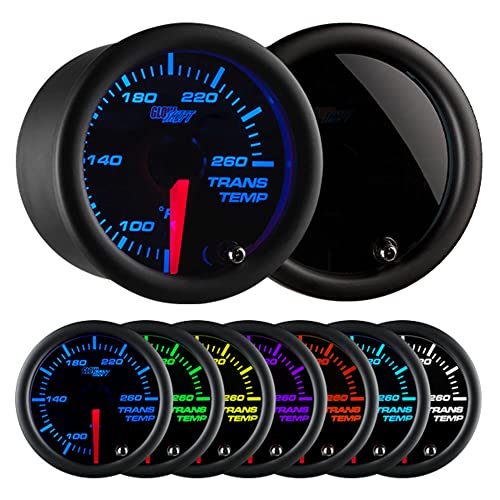
Install a transmission temperature gauge if your model doesn’t have one. Many Pathfinders display only engine coolant temp, leaving you blind to transmission overheating. A simple inline temperature sensor and gauge costs under $50 and provides early warning before catastrophic damage occurs.
Influence of Driving Habits and Preventive Maintenance
Your driving style directly impacts transmission wear rates. CVT transmissions are particularly sensitive to aggressive throttle inputs and towing beyond rated capacity. The steel belt operates under tremendous clamping force, sudden acceleration spikes can cause microscopic slip that accumulates over time.
Preventive maintenance extends transmission life dramatically:
- Fluid changes every 30,000 miles for CVT, 60,000 for traditional automatics
- External cooler installation for towing or hot climates
- TCM software updates addressing known shift calibration issues
- Annual inspection of cooler lines and radiator heat exchanger
- Monitoring transmission temp during extended highway drives
Avoid “lifetime fill” mythology, no transmission fluid lasts 150,000+ miles under real-world thermal cycling. The $200–$300 cost of preventive fluid service is trivial compared to $5,000–$8,000 transmission replacement. Schedule fluid service based on severe duty cycles (towing, mountains, extreme temps) rather than normal intervals listed in the owner’s manual.
Recalls and Solutions
Notable Recalls and NHTSA Actions
Nissan has faced multiple NHTSA investigations targeting CVT failures in 2013–2017 Pathfinders. Investigation PE16-002 examined sudden transmission failure reports where vehicles lost all forward propulsion while driving, an obvious safety hazard. While Nissan hasn’t issued a formal safety recall, the company extended warranties and offered goodwill repairs on case-by-case basis.
Recall 14V-355 (2013–2014 models) addressed transmission control software that could cause unexpected gear shifts. The fix involves TCM reprogramming, a free 45-minute dealer procedure. Check your VIN at Nissan’s recall lookup to verify whether open recalls apply to your vehicle.
The radiator cooler line issue in third-generation models never triggered an official recall even though widespread failures documented across owner forums and multiple class-action lawsuit attempts. If you own a 2005–2010 Pathfinder and haven’t replaced the radiator, treat this as an urgent preventive measure regardless of current symptoms.
Warranty Extensions and Service Bulletins
Nissan quietly extended CVT warranties to 84 months / 84,000 miles for certain 2013–2016 models through the Consumer Affairs division (not publicized as a formal recall). If your CVT failed within this window, contact Nissan Consumer Affairs at 1-800-NISSAN-1 to request warranty consideration, many owners received partial or full reimbursement after initial denial by dealers.
Key Technical Service Bulletins:
- NTB13-007a: CVT judder/shudder, NS-3 fluid replacement procedure
- NTB18-041: Valve body replacement for shift quality issues
- NTB19-012: TCM software update for harsh engagement
- ITB11-031: Radiator replacement procedure (third generation)
Bring printed copies of relevant TSBs to your service appointment. Many dealership service advisors aren’t aware of bulletins addressing your specific symptom. TSBs provide standardized diagnostic and repair procedures that technicians must follow for warranty claims.
Repair Costs and Replacement Procedures
Transmission repair costs vary dramatically based on fault severity and your location:
- Fluid service (drain/fill): $180–$280
- Complete fluid exchange: $300–$450
- Valve body replacement: $1,200–$2,800
- CVT replacement (remanufactured): $4,500–$7,200
- Traditional auto rebuild: $2,800–$4,500
- New OEM transmission: $6,500–$9,500
Remanufactured transmissions from reputable sources (Jasper, Certified Transmission) include 3-year/100,000-mile warranties and cost 40–50% less than dealer OEM units. Verify the rebuilder addresses known failure points, CVT replacements should include updated valve body components and improved belt metallurgy.
Labor runs 8–16 hours depending on drivetrain configuration (FWD versus AWD). AWD models require transfer case removal, adding 3–4 hours. Always replace the radiator and install an external cooler during transmission replacement, spending an extra $400 on cooling upgrades protects your $5,000 investment.
Best Practices for Long-Term Reliability
Maximize transmission longevity through proactive monitoring and maintenance:
Monthly checks:
- Visual inspection for fluid leaks under vehicle
- Verify smooth engagement from Park to Drive/Reverse
- Listen for new whining or grinding noises
Every 15,000 miles:
- Check fluid level and condition (color, smell)
- Scan for stored diagnostic codes
- Inspect cooler lines and external cooler for damage
Every 30,000 miles (CVT) or 60,000 miles (traditional):
- Complete fluid exchange using correct specification fluid
- Replace transmission filter (where applicable)
- Update TCM software if bulletins available
Document all maintenance with receipts and mileage records. If you eventually need warranty coverage or plan to sell the vehicle, proof of proper maintenance significantly impacts resale value and warranty claim approval. Keep records of fluid purchases showing correct specification, this proves you didn’t use incorrect generic fluids that void warranties.
Consider installing a dedicated transmission temperature gauge and monitor temps during the first 1,000 miles after any service. Sudden temp increases indicate problems with the service procedure (low fluid level, air in system) or existing mechanical issues the fresh fluid revealed by improving flow characteristics.
Frequently Asked Questions
What causes Nissan Pathfinder transmission problems in different generations?
Third-gen (2005–2012) models suffer from radiator cooler line contamination creating a ‘strawberry milkshake’ that destroys transmissions. Fourth-gen (2013–2020) CVT models experience belt degradation and valve body failures. Fifth-gen (2021+) with ZF 9-speed shows improved reliability but may have mechatronic calibration issues.
How can I tell if my Pathfinder transmission is slipping?
Signs include RPM climbing without proportional acceleration, delayed upshifts, or a rubber-band effect in CVT models. Check transmission fluid for dark brown or burnt smell. Use an OBD2 scanner to monitor pulley pressure readings below 450–850 kPa, confirming internal hydraulic failure requiring professional evaluation.
What should I use for Nissan Pathfinder transmission fluid maintenance?
Use Nissan Matic S for 2005–2012 automatics, Nissan NS-3 CVT fluid (never generic brands) for 2013–2020 models, and ZF Lifeguard 8 for 2021+ 9-speed transmissions. Wrong fluid causes shuddering within 10,000 miles. Change CVT fluid every 30,000 miles and traditional automatics every 60,000 miles despite ‘lifetime fill’ claims.
What does the ‘strawberry milkshake of death’ mean for Pathfinder owners?
This refers to pink, frothy transmission fluid caused by radiator cooler line cracks in 2005–2012 Pathfinders, mixing coolant with ATF and destroying internal components. Check your dipstick for any pink tint immediately. Prevention requires radiator replacement with external cooler installation and multiple transmission flushes.
How much does it cost to replace a Pathfinder transmission?
Costs range from $180–$280 for basic fluid service to $4,500–$7,200 for CVT replacement and $6,500–$9,500 for new OEM transmissions. Remanufactured units cost 40–50% less with 3-year warranties. Labor typically runs 8–16 hours; AWD models require additional transfer case work, adding $400+ for cooler upgrades.
When should I get a transmission temperature gauge for my Pathfinder?
Install one if your model displays only engine coolant temperature. Transmission fluid above 210°F indicates cooling system stress; above 240°F permanently damages additives. A simple inline sensor costs under $50 and provides early warning. Monitor temps during highway drives, especially when towing or in hot climates.
Read More:
- Car Transmission Problems (Guide for Automatic, CVT, and Hybrid)
- Automatic Transmission Problems (Fixes for Slipping Gears, and Hard Shifts)
- Nissan Altima Transmission Problems (Fixes for CVT Shudder, and Limp Mode)
- Nissan Transmission Problems (Here’s the Expert Diagnosis & Repair)
- Nissan CVT Transmission Problems (Expert Diagnosis & Repair)
- Nissan Rogue Transmission Problems (Expert Diagnosis & Fixes)