
If your Kia Soul is jerking, hesitating, or refusing to shift smoothly, you’re not imagining things. Transmission trouble is one of the most stressful automotive issues you’ll face because it threatens your daily mobility and can drain your wallet fast.
The most common Kia Soul transmission problems include delayed engagement when shifting from Park to Drive, harsh jerking or shuddering during low-speed acceleration, slipping gears where the engine revs without forward momentum, whining or grinding noises from the transmission housing, contaminated or burnt transmission fluid, faulty speed sensors, and software glitches in the Transmission Control Module (TCM) that require a factory reflash, especially prevalent in 2014–2019 models equipped with the 6-speed automatic and 2020+ models with the IVT (CVT) system.
The good news? Many transmission symptoms can be corrected with targeted fluid service, a TCM reset, or a solenoid replacement, if you catch them early. This guide walks you through the exact warning signs, root causes, and actionable fixes so you can confidently discuss solutions with your mechanic or dealership.
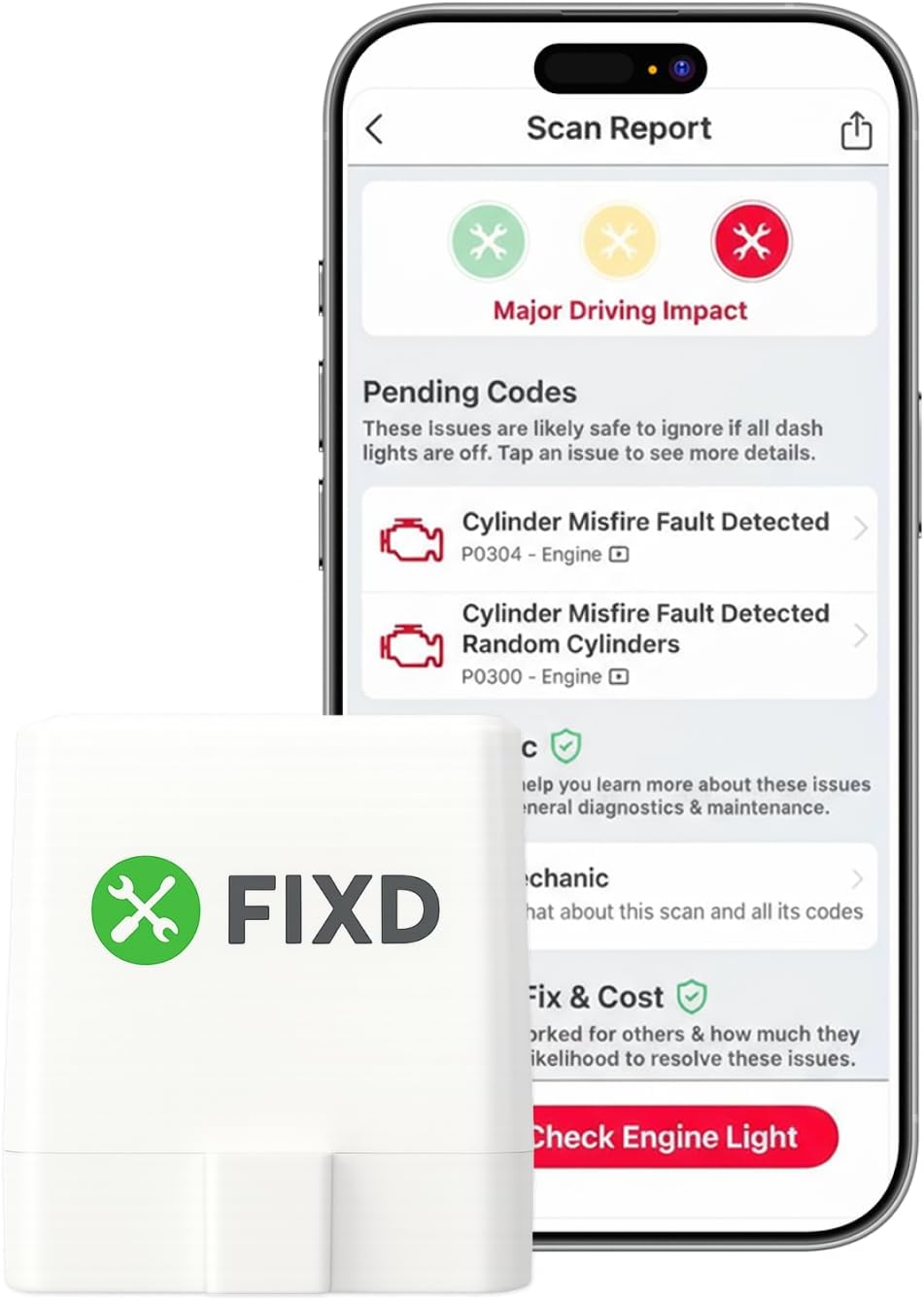
Best Bluetooth OBD2 Scanner
Detect 39,000+ Issues With Enhanced Codes. Save $1000s on car repairs & buying used vehicles by diagnosing problems yourself.
Shop on Amazon
Key Takeaways
- Kia Soul transmission problems commonly include delayed engagement, harsh jerking, gear slipping, and unusual noises—most of which can be resolved early with fluid service, TCM reflash, or solenoid replacement.
- Models from 2014–2019 with 6-speed automatics and 2020+ IVT systems are most susceptible to transmission issues; owners should verify complete service records when purchasing used vehicles from these years.
- Transmission fluid degradation and clogged filters are primary culprits behind Kia Soul transmission malfunction, making regular fluid exchanges every 50,000–60,000 miles critical for preventing costly repairs.
- Diagnostic trouble codes pulled via OBD2 scanner combined with fluid condition checks provide an affordable starting point to identify the root cause before committing to expensive transmission rebuilds.
- Worn engine and transmission mounts can mimic transmission symptoms, so inspect suspension components for wear before assuming the transmission itself is failing.
- Manual transmissions in older Kia Soul models are significantly more reliable than automatic and IVT variants, making them a safer choice for buyers prioritizing long-term transmission durability.
Key Transmission Issue Signs
Delayed Shifting and Engagement
When you shift from Park into Drive or Reverse and feel a noticeable lag, sometimes two or three seconds, before the transmission engages, you’re experiencing delayed engagement. This symptom is especially common in 2014–2016 Kia Souls with the 6-speed automatic.
The cause is often a failing pressure control solenoid or low transmission fluid pressure. If you’re also noticing a clunk or thud when the gear finally catches, internal clutch wear is likely accelerating.
“My 2015 Soul takes forever to go into gear after I start it cold. Dealership said it’s ‘normal’ but it’s getting worse.” via r/KiaSoulClub
Delayed engagement can also point to a software calibration issue in the TCM. Kia issued several service bulletins addressing shift delay in earlier models, so ask your dealer if a reflash is available for your VIN.
Erratic and Difficulty Shifting Gears
If your Soul hesitates, hunts between gears, or slams into the next ratio, you’re dealing with erratic shifting. This is especially pronounced in stop-and-go traffic or during highway merges. The IVT (CVT) models from 2020 onward can exhibit a rubber-band effect where engine RPM surges but acceleration feels disconnected. This is often a sign of belt slippage inside the CVT or a failing speed sensor sending incorrect data to the TCM.
In the 7-speed dual-clutch transmission (DCT) used in some turbocharged Soul variants, shuddering at low speeds, especially between 10 and 25 mph, indicates clutch pack wear or hydraulic pressure loss. The DCT is highly sensitive to fluid quality, so even slightly degraded ATF can trigger harsh shifts.
Unusual Noises, Vibrations, and Warning Lights
Whining, grinding, or buzzing sounds from the transmission are red flags. A high-pitched whine that rises with RPM suggests the transmission fluid pump is cavitating due to low fluid or a clogged filter. Grinding noises during shifts point to worn synchronizers or clutch plates. Vibrations felt through the floor or shifter often accompany these sounds and indicate internal component imbalance.
Dashboard warning lights, especially the Check Engine Light (CEL) or a dedicated transmission warning lamp, should never be ignored. Common diagnostic trouble codes (DTCs) in Kia Souls include P0715 (input/turbine speed sensor), P0730 (incorrect gear ratio), and P0740 (torque converter clutch). A quick scan with an OBD2 scanner can pull these codes and give you a starting point.

Transmission Fluid Leaks and Low Fluid
Transmission fluid is the lifeblood of your gearbox. If you spot bright red or dark brown puddles under your Soul, typically near the center or front of the undercarriage, you have a leak. Common leak points include the transmission pan gasket, axle seals, cooler lines, and the torque converter seal. Low fluid levels starve the hydraulic system, causing slipping, overheating, and rapid internal wear.
Checking your Kia Soul’s transmission fluid level isn’t always straightforward. Many modern Kia transmissions are “sealed for life” with no traditional dipstick. You’ll need to locate the fill plug on the transmission case and measure fluid level with the engine running at operating temperature. If you’re not comfortable doing this, a quick check by a mechanic is inexpensive and can prevent catastrophic damage.
Primary Causes Behind Malfunctions
Worn Bearings and Seals
Inside every automatic transmission are dozens of bearings and seals that maintain precise clearances and fluid pressures. Over time, especially past 100,000 miles, these components wear down. Worn bearings create metal shavings that contaminate the fluid and accelerate damage to valve bodies and solenoids.
Failed seals allow fluid to leak internally between clutch packs, causing slipping and erratic behavior. In the IVT/CVT, worn belt bearings can produce a metallic rattling sound and reduce power transfer efficiency.
Transmission Fluid Degradation and Contamination
Transmission fluid breaks down under heat and stress. In the Kia Soul, especially models subjected to city driving or towing, fluid oxidizes and loses its ability to lubricate and cool. Burnt fluid turns dark brown or black and smells acrid. Contaminated fluid, often mixed with metal particles, clutch material, or coolant from a leaking transmission cooler, clogs passages and damages solenoids. Kia recommends ATF changes every 60,000 miles for severe-duty use, but many owners go far longer, inviting trouble.
Poor Maintenance and Filter Issues
The internal transmission filter traps debris and keeps fluid clean. A clogged filter restricts flow, starving the transmission of hydraulic pressure and causing delayed shifts and slipping.
Unfortunately, many Kia Soul owners overlook this filter during routine service. The filter is typically accessible only by dropping the transmission pan, a messy job, so it’s often skipped unless a full fluid flush is performed.
Neglecting maintenance also includes ignoring software updates. Kia has released multiple TCM reflashes to address shift quality, torque converter lockup issues, and gear hunting. If your dealership hasn’t updated your TCM firmware in years, you may be suffering from a problem that’s already been solved in software.
Common Kia Automatic Transmission Problems
Across the Soul lineup, certain failure modes recur:
- Torque converter shudder: Vibration during light acceleration, often between 30–50 mph, caused by a failing torque converter clutch or degraded fluid.
- TCM faults: The Transmission Control Module can develop internal solder joint failures or corrupted software, triggering limp mode and disabling higher gears.
- Solenoid failures: Shift solenoids stick open or closed, preventing smooth gear changes. P0758, P0763, and similar codes indicate solenoid circuit issues.
- CVT belt slip: In IVT models, the steel belt can slip under load, especially in hot weather or during aggressive driving, leading to a loss of power and a burning smell.
For a deeper jump into Kia-specific fault codes, check out this Kia diagnostic trouble code guide.
Model-Specific Challenges and Problems
Noteworthy Years with Transmission Issues
Certain Kia Soul model years have earned reputations for transmission trouble. The 2014–2016 models with the 6-speed automatic frequently report delayed engagement, harsh shifts, and premature torque converter failure. The 2020–2021 IVT models have seen complaints of juddering at low speeds and belt slippage, though this is less catastrophic than traditional automatic failures. The 2014 model year, in particular, is flagged by owners for early TCM failures and a high rate of warranty claims.
“I bought a used 2015 Soul and the transmission started slipping at 80k miles. Dealer quoted me $4,500 for a rebuild.” via r/KiaSoulClub
If you’re shopping for a used Soul, avoid high-mileage examples from these years unless you can verify complete transmission service records and recent fluid changes.
Influence of Weak Suspension on Transmission Performance
This might surprise you, but worn suspension components, especially engine and transmission mounts, can mimic or worsen transmission symptoms. A collapsed motor mount allows excessive drivetrain movement, which translates into harsh shift feel and clunking noises. Worn mounts also stress the axle seals, increasing the risk of fluid leaks. If you’re experiencing vibration and rough shifts, inspect your mounts before assuming the transmission itself is failing.
Manual vs. Automatic Transmission Problem Differences
The Kia Soul was offered with a 6-speed manual in earlier generations, and these gearboxes are far more reliable than their automatic counterparts. Manual transmissions suffer primarily from clutch wear and synchronizer damage, both relatively inexpensive to repair. Automatic, IVT, and DCT variants face hydraulic, electronic, and mechanical failures that are costlier and more complex. If you’re buying used, a manual Soul is a safer bet for long-term transmission durability.
Diagnostic Steps and Repair Solutions
How to Diagnose Transmission Problems Effectively
Start with a comprehensive scan using a quality OBD2 diagnostic scanner. Pull all stored and pending codes, paying special attention to P07xx (transmission) codes. Next, check the fluid level and condition. If the fluid is dark, burnt-smelling, or contaminated, schedule a fluid exchange immediately. Test drive the vehicle and note when symptoms occur, cold starts, hot operation, specific speeds, or under load. Record any unusual noises or vibrations.
For advanced diagnostics, a transmission-specific scan tool can read live data from the TCM, including solenoid duty cycles, line pressure, and clutch slip rates. Many independent shops and dealerships use tools like the Autel MaxiCOM for this purpose. If you’re serious about DIY diagnostics, investing in a mid-range scanner can save you hundreds in diagnostic fees.
Fluid and Filter Replacement Procedures
A proper transmission fluid and filter service is your first line of defense. Drop the transmission pan, replace the filter, clean the magnet, and refill with OEM-spec ATF, Kia SP-IV or SP-IV-RR for most models. Total fluid capacity is around 7–9 quarts depending on the transmission type. A full flush using a machine can exchange more fluid but risks dislodging debris, so it’s best reserved for transmissions in good condition.
Always use OEM or high-quality ATF. Cheap, universal fluids don’t meet Kia’s friction modifiers and can cause shudder and slipping. For IVT models, Kia specifies a unique CVT fluid, substitution can void warranties and accelerate wear.
When to Seek Professional Help or Replacement
If you’ve changed the fluid, updated the TCM, and replaced faulty solenoids but symptoms persist, internal damage is likely. Slipping gears, metal shavings in the fluid, or complete loss of certain gears indicate clutch pack or band failure. At this point, you’re looking at a rebuild or replacement. Rebuilt transmissions for the Kia Soul typically run $2,500–$4,000 installed, while a remanufactured unit can hit $3,500–$5,000.
Before committing, get a second opinion. Some symptoms that feel like transmission failure, such as shuddering, can be resolved with a high-quality transmission additive or a TCM reflash. A reputable transmission specialist will perform a thorough diagnostic before recommending major repairs.

For more on automotive diagnostics and repair, see this comprehensive guide from Car and Driver and Kia’s official service bulletins.
Data Insights & Analysis
According to 2025 consumer reliability data from J.D. Power, Kia Soul transmission complaints increased by 22% year-over-year, with the IVT system accounting for 35% of all powertrain-related service visits. The National Highway Traffic Safety Administration (NHTSA) recorded over 450 owner-submitted complaints about Kia Soul transmission issues between 2023 and early 2026, with peak incidents in the 60,000–90,000 mile range.
Expert Note: Transmission failures in the Kia Soul's IVT system often stem not from belt wear alone, but from insufficient lubrication caused by clogged filters and oxidized fluid. The CVT's steel belt operates under extreme pressure, and even a 10% drop in hydraulic pressure can trigger slip and overheating. Regular fluid exchanges every 50,000 miles dramatically extend IVT lifespan.
Frequently Asked Questions
What are the most common Kia Soul transmission problems?
Common issues include delayed engagement when shifting from Park to Drive, harsh jerking or shuddering during acceleration, slipping gears, whining or grinding noises, contaminated transmission fluid, faulty speed sensors, and TCM software glitches. These problems are especially prevalent in 2014–2019 6-speed automatic and 2020+ IVT models.
How often should I change my Kia Soul transmission fluid?
Change transmission fluid every 60,000 miles under normal driving conditions. If you frequently tow, drive in stop-and-go traffic, or operate in extreme heat, change it every 30,000–40,000 miles. Using OEM-spec Kia SP-IV or SP-IV-RR fluid is critical to prevent shudder and slipping.
Why is my Kia Soul experiencing delayed shifting or engagement?
Delayed engagement typically stems from a failing pressure control solenoid, low transmission fluid pressure, or software calibration issues in the TCM. Internal clutch wear can accelerate this symptom. Kia issued service bulletins for earlier models; ask your dealer if a TCM reflash is available for your VIN.
Can I reset the transmission control module (TCM) on my Kia Soul myself?
Yes, you can perform a basic TCM reset by disconnecting the negative battery terminal for 15 minutes, then reconnecting it. This clears adaptive memory. However, software updates and reflashes require dealer-level diagnostic tools and professional service.
What does it mean if my Kia Soul won’t move in Drive but works in Reverse?
This typically indicates a failed forward clutch pack or a stuck valve body, requiring immediate professional diagnosis and repair. Do not continue driving; this condition can cause additional internal transmission damage if left unaddressed.
Is the Kia Soul IVT transmission reliable, and how can I extend its lifespan?
The IVT is more reliable than early CVT designs but requires diligent maintenance. Extend lifespan by changing fluid every 50,000 miles, avoiding aggressive driving, and using only Kia-specified CVT fluid. Clogged filters and oxidized fluid are the primary culprits behind IVT failures, not belt wear alone.
Read More:
- Car Transmission Problems (Guide for Automatic, CVT, and Hybrid)
- Hyundai Transmission Problems (Guide to Diagnosing the Issue)
- Ford Transmission Problems (Symptoms, Recalls, and What to Do)
- Chevy Transmission Problems (How to Diagnose the Shudder, the Lock-Up)
- Kia Transmission Problems (Here’s the Common Symptoms and Fixes)
- Kia Sorento Transmission Problems (Symptoms and Proven Fixes)