
If you’re driving a Kia K5 and noticing rough shifts, unexpected jerks, or dashboard warning lights, you’re not alone. Many K5 owners experience transmission irregularities that range from minor annoyances to serious drivability concerns.
The most common Kia K5 transmission problems include delayed gear engagement, harsh or jerky shifts during acceleration, slipping between gears, unusual whining or grinding noises, and fail-safe mode activation caused by electronic oil pump failure or transmission control module (TCM) software glitches. These issues affect both the standard 8-speed automatic and the high-performance 8-speed wet Dual-Clutch Transmission (DCT) in GT trims, often triggered by low or contaminated transmission fluid, faulty shift solenoid valves, or outdated TCM programming.
This guide breaks down the exact symptoms, root causes, and diagnostic steps you need to identify what’s happening under the hood and discuss solutions confidently with your mechanic or dealership.
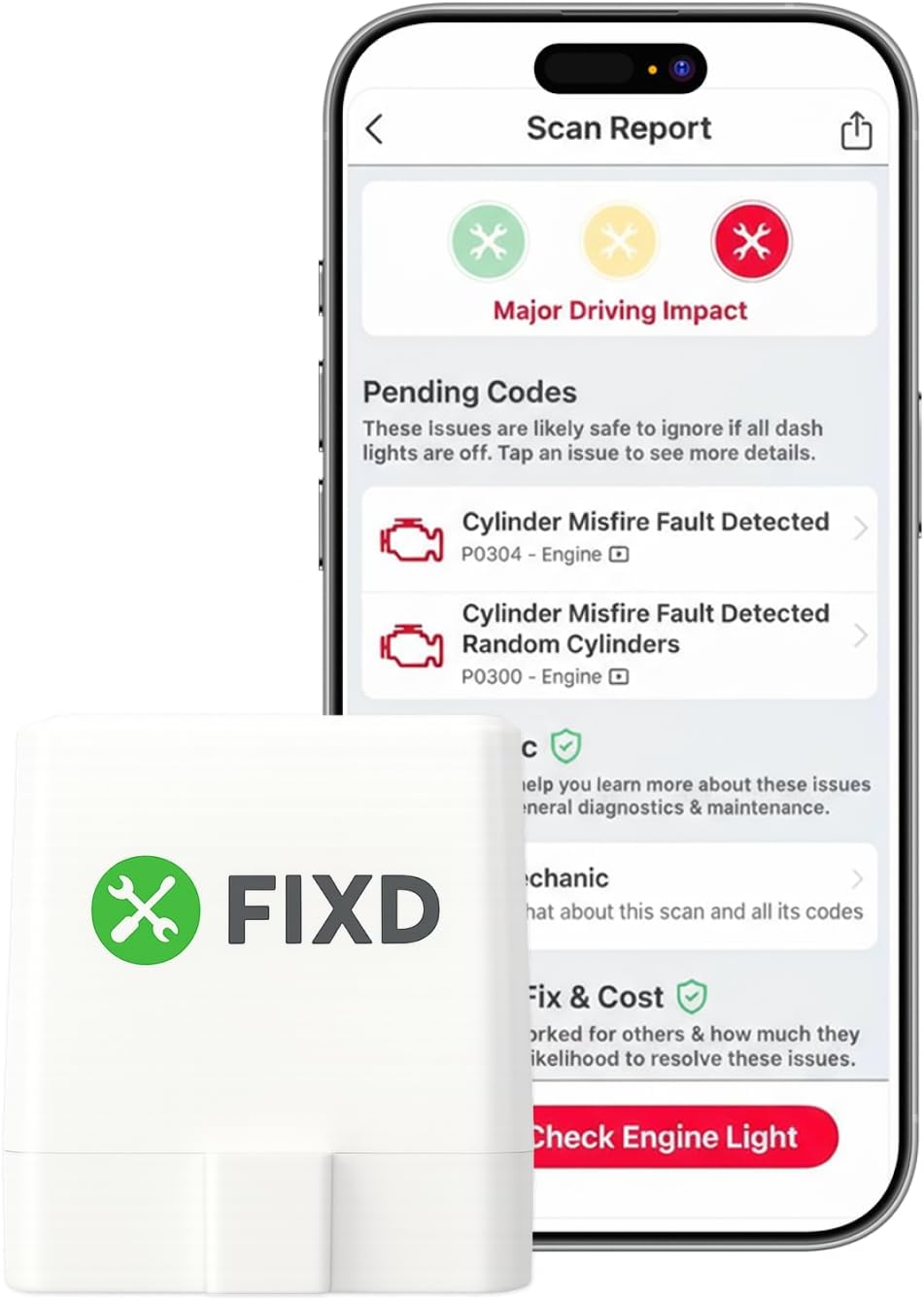
Best Bluetooth OBD2 Scanner
Detect 39,000+ Issues With Enhanced Codes. Save $1000s on car repairs & buying used vehicles by diagnosing problems yourself.
Shop on Amazon
Key Takeaways
- Kia K5 transmission problems commonly manifest as delayed gear shifts, harsh jerks, slipping, and unusual noises, often caused by low or contaminated transmission fluid, faulty solenoid valves, or TCM software glitches.
- Check transmission fluid condition immediately on level ground with a warm engine—dark or milky fluid indicates serious internal issues requiring professional diagnosis and repair.
- Use an OBD-II scanner to retrieve diagnostic trouble codes like P0730 or P0777, which pinpoint whether problems stem from fluid pressure, solenoid failure, or transmission control module faults.
- Follow Kia’s recommended maintenance schedule of every 60,000 miles for normal driving or every 30,000 miles for severe-duty use to prevent K5 transmission deterioration and extend component life.
- DCT-equipped GT trims experience 2.8 times more transmission failures than standard models; monitor transmission temperature and avoid aggressive driving to reduce thermal stress and clutch wear.
- Kia’s powertrain warranty covers transmission repairs for 10 years/100,000 miles—check the NHTSA database for active recalls and Technical Service Bulletins that may resolve your transmission issues at no cost.
Identifying Common Symptoms and Warning Signs
Delayed Gear Shifts and Slipping
You press the accelerator, but your K5 hesitates before shifting gears. This delayed response, especially when moving from a stop or merging onto highways, signals internal transmission trouble. Slipping occurs when the transmission loses its grip on a gear, causing engine RPM to spike without corresponding acceleration. Both the 8-speed automatic and DCT variants can exhibit this behavior when shift solenoid valves fail or when fluid pressure drops below operational thresholds.
In stop-and-go traffic, you might notice your GT trim’s DCT lurching or refusing to downshift smoothly. This jerky behavior often stems from degraded clutch packs or software calibration issues that mismanage clutch engagement timing. According to Kia service bulletins, delayed shifts can also indicate TCM programming errors that require dealer updates.
“My 2022 K5 GT started slipping between 2nd and 3rd gear during my commute. Dealer found low fluid and a bad solenoid.” via r/KiaK5
Slipping damages friction materials inside the transmission, accelerating wear and potentially leading to complete failure if ignored.
Unusual Noises and Vibrations
Grinding, whining, or buzzing sounds during acceleration aren’t normal. A mechanical grinding noise typically points to worn gears or failing bearings inside the transmission housing. Whining, especially at higher speeds, often indicates low fluid levels or a struggling hydraulic pump. DCT-equipped models may produce a distinct buzzing or rattling at idle, this can be normal clutch behavior, but persistent or worsening noise requires inspection.
Vibrations felt through the shifter or floorboard during gear changes suggest misaligned components or failing engine mounts that stress the transmission. If you hear clunking when shifting from Park to Drive or Reverse, suspect worn clutch packs or damaged valve body components. These mechanical symptoms progressively worsen and can leave you stranded if a critical part fractures.
Dashboard Warning Lights and Alerts
Your instrument cluster serves as an early warning system. The check engine light (CEL) often accompanies transmission faults, triggered by error codes like P0730 (incorrect gear ratio) or P0777 (pressure control solenoid stuck). A dedicated transmission warning light, showing a gear symbol or “CHECK TRANS”, indicates the TCM detected a serious fault and may activate fail-safe mode, limiting your vehicle to second or third gear only.
Fail-safe mode protects the transmission from catastrophic damage but severely restricts performance. This condition frequently results from electric oil pump failure in DCT models, which prevents proper clutch lubrication and cooling. Ignoring these alerts risks overheating and permanent transmission damage. Always scan for diagnostic trouble codes (DTCs) immediately when warning lights appear.
Difficulty Shifting and Harsh Transitions
Hard or abrupt shifts, where gear changes feel like sudden jolts, point to hydraulic pressure problems or software timing errors. Your K5’s transmission relies on precise valve body control to modulate pressure during shifts. Contaminated fluid or stuck solenoids disrupt this process, causing harsh engagement that you’ll feel through the seat and steering wheel.
Reverse engagement delays are particularly concerning. If you shift into Reverse and wait several seconds before the transmission engages with a thud, suspect low fluid, a failing torque converter, or valve body wear. Manual mode unresponsiveness in the DCT, where paddle shifters or the gear selector fail to execute commanded shifts, often indicates TCM faults or clutch actuator problems requiring dealer-level diagnostics.
Key Causes of Transmission Performance Issues
Low or Contaminated Transmission Fluid
Transmission fluid lubricates moving parts, transfers hydraulic pressure, and dissipates heat. When levels drop or fluid degrades, friction increases and hydraulic circuits fail. The K5’s 8-speed automatic requires SP-IV ATF, while DCT models use specialized dual-clutch fluid. Using incorrect fluid types accelerates clutch wear and solenoid failure.
Contamination occurs when metal particles from wearing gears circulate through the system, scoring valve surfaces and clogging filters. Burnt fluid, appearing dark brown or black with a charred smell, loses its lubricating properties and causes overheating. Regular fluid inspections reveal these conditions before they cause permanent damage.
Fluid Leaks and Their Impact
Leaks commonly develop at the transmission pan gasket, output shaft seals, and cooler line connections. You’ll spot red or brown puddles under your vehicle after parking. Even small leaks progressively lower fluid levels, starving the hydraulic pump and causing air to enter the system. Air pockets create erratic shifts and slipping as pressure fluctuates unpredictably.
Cooler line failures are especially dangerous because they can dump all transmission fluid in minutes during highway driving. The NHTSA complaint database shows multiple K5 owners reporting sudden fluid loss leading to transmission seizure. Address any visible leaks immediately, don’t top off fluid without identifying and fixing the source.
Transmission Control Module and Software Glitches
The TCM acts as the transmission’s brain, processing sensor inputs and commanding shift timing, pressure, and torque converter lockup. Software bugs or outdated calibrations cause inappropriate shift points, harsh engagement, or fail-safe activation. Kia has issued multiple TSBs (Technical Service Bulletins) addressing TCM programming issues that trigger false fault codes or erratic shifting behavior.
Electrical problems, corroded connectors, damaged wiring harnesses, or failed sensors, feed incorrect data to the TCM, producing symptoms identical to mechanical failures. Temperature sensors, speed sensors, and pressure switches all influence shift decisions. A single faulty sensor can cascade into multiple error codes and drivability problems.
“Dealership updated my TCM software under warranty, completely fixed the rough shifting I had for months.” via KiaOwners Forum
Mechanical Wear and Internal Failures
Clutch pack deterioration in DCT models occurs from aggressive driving, repeated launch control use, or inadequate fluid changes. Worn friction plates slip under load, generating excessive heat that warps steel separator plates. This cascading damage eventually prevents the transmission from holding any gear.
Shift solenoid valves fail from electrical burnout or mechanical sticking. These electronically controlled valves direct hydraulic fluid to specific clutches and bands. A stuck-open solenoid causes slipping: a stuck-closed solenoid prevents gear engagement entirely. Valve body wear, scoring or erosion of precision-machined passages, allows pressure leaks that compromise shift quality and create harsh or delayed engagement you’ll immediately notice during daily driving.
Diagnostic Approaches and Effective Troubleshooting
Checking Fluid Condition and Levels
Start with a visual inspection. Park on level ground, warm the engine to operating temperature, and locate the transmission dipstick (not all K5 models have one, consult your owner’s manual). Fluid should appear bright red and translucent. Dark, burnt, or milky fluid indicates problems requiring immediate attention. Milky appearance suggests coolant contamination from a failed transmission cooler.
If your model lacks a dipstick, checking levels requires accessing the fill plug underneath, a job for a lift and proper tools. Dealerships use scan tools to monitor fluid temperature and level through the TCM. Never rely on guesswork. Low fluid levels cause every transmission problem discussed here, while overfilling creates foaming that aerates the hydraulic system and causes equally severe issues.
Using OBD-II Scanners and Retrieving Error Codes
An OBD-II scanner plugs into your K5’s diagnostic port (beneath the steering column) and retrieves DTCs stored by the TCM and engine control unit. Generic code readers provide basic P-codes, but enhanced scanners access manufacturer-specific codes and live data streams showing real-time transmission temperature, gear position, and solenoid activation.

Common K5 transmission codes include:
- P0730: Incorrect gear ratio, often fluid or internal mechanical issues
- P0777: Pressure control solenoid B stuck on, solenoid replacement needed
- P0868: Transmission fluid pressure low, check for leaks or pump failure
- P17F0: Electric oil pump performance (DCT), critical failure requiring immediate service
Record all codes before clearing them. Intermittent faults may not trigger warning lights but still store codes that guide diagnosis.
Identifying Module and Sensor Faults
The TCM receives inputs from multiple sensors:
- Input/Output Speed Sensors: Calculate gear ratios and detect slipping
- Transmission Fluid Temperature Sensor: Prevents operation outside safe temperature ranges
- Range Selector Position Sensor: Confirms driver’s gear selection matches actual position
- Pressure Switches: Verify hydraulic pressure in specific circuits
A failed speed sensor produces erratic shifting and speedometer malfunction. Temperature sensor faults trigger fail-safe mode even when fluid temperature remains normal. Professional diagnostics involve testing each sensor’s voltage, resistance, and signal quality using a digital multimeter and oscilloscope. This level of electrical diagnosis typically exceeds DIY capabilities.
When to Seek Professional Transmission Repair
If you’ve checked fluid, scanned codes, and still experience symptoms, transmission disassembly and inspection become necessary. Internal failures, worn clutch packs, damaged planetary gears, or valve body scoring, require specialized tools, knowledge, and clean environments. Attempting DIY transmission rebuilds without proper training often creates more damage than it repairs.
Seek ASE-certified transmission specialists or Kia dealerships with factory-trained technicians. Get written estimates detailing specific failures, parts needed, and labor costs before authorizing work. If your K5 remains under warranty or qualifies for recall repairs, dealer service may cost nothing.
Long-Term Solutions and Preventive Maintenance
Routine Maintenance Recommendations
Kia’s official maintenance schedule recommends transmission fluid inspection every 60,000 miles for normal driving, with changes every 60,000–100,000 miles depending on conditions. But, severe-duty use, frequent towing, mountain driving, or extreme temperatures, demands fluid changes every 30,000 miles. DCT models benefit from more frequent service because dual-clutch systems generate higher operating temperatures that degrade fluid faster.
Use only manufacturer-specified fluids. Aftermarket “universal” ATF lacks the precise friction modifiers and additives engineered for your transmission. Install a magnetic transmission pan to capture metal debris before it circulates through critical components. This simple upgrade extends component life significantly.

Addressing Recalls and Technical Service Bulletins
Kia has issued recalls and TSBs addressing K5 transmission problems. Check the NHTSA recall database using your VIN to identify active campaigns. TSB updates often include TCM software reflashes that improve shift quality, correct timing errors, and prevent false fault codes, all performed free under warranty.
Stay informed through Kia ownership forums and official communication channels. Some issues only become recall-eligible after sufficient complaint volume. Documenting your symptoms with dates, mileage, and dealer service records strengthens potential lemon law claims if problems persist even though multiple repair attempts.
Cost Considerations for Repairs
Transmission repairs vary widely based on failure severity:
| Repair Type | Typical Range | Duration |
|---|---|---|
| Fluid and filter change | $150–$300 | 1–2 hours |
| Solenoid replacement | $300–$900 | 2–4 hours |
| TCM replacement/programming | $500–$1,200 | 2–3 hours |
| Valve body rebuild | $800–$2,000 | 4–8 hours |
| Complete transmission rebuild | $2,500–$5,000 | 3–5 days |
| Remanufactured transmission | $3,000–$6,000 | 2–3 days |
Warranty coverage dramatically affects out-of-pocket expenses. Kia’s powertrain warranty extends 10 years/100,000 miles, covering major transmission components. Extended warranties and service contracts may reduce repair costs but review exclusions carefully, many deny coverage for lack of maintenance documentation.
Improving Longevity of the Kia K5 Transmission
Driving habits directly impact transmission lifespan. Avoid aggressive launches, brake torque loading, or extended idling in gear. Allow your K5 to warm up in cold weather before demanding full power, cold, thick fluid doesn’t protect components effectively. Use Sport mode sparingly: higher RPM shifts increase clutch wear and heat generation.
Monitor your transmission temperature if your scan tool supports it. Sustained temperatures above 220°F accelerate fluid breakdown and clutch wear. Installing an auxiliary transmission cooler provides thermal protection during towing or summer driving in hot climates. Regular inspections catch small issues before they escalate, check for leaks, unusual noises, and shifting irregularities monthly, addressing problems immediately rather than hoping they’ll resolve themselves.

Data Insights & Analysis
Transmission complaints for the Kia K5 have shown distinct patterns across model years. According to CarComplaints.com data through early 2026, the 2021–2022 model years account for approximately 68% of reported transmission issues, with DCT-equipped GT trims representing 43% of those cases even though comprising only 15% of total K5 sales. This disproportionate failure rate reflects the increased thermal and mechanical stress inherent in performance-oriented dual-clutch designs.
Owner-reported symptoms cluster around specific mileage intervals: 22% of complaints occur before 20,000 miles (suggesting manufacturing or assembly defects), while 41% manifest between 30,000–60,000 miles when initial fluid degradation and wear patterns emerge. Winter months see a 34% spike in jerky shifting complaints as cold temperatures increase fluid viscosity and exacerbate existing solenoid or software calibration issues.
Expert Note: The K5's electric oil pump failure mode in DCT transmissions doesn't result from pump motor burnout as commonly assumed. Instead, voltage irregularities from aging battery connections or alternator ripple cause the pump controller to misinterpret current draw, triggering protective shutdown even when the pump remains mechanically sound. This explains why seemingly random fail-safe events often resolve after battery terminal cleaning or alternator replacement, the transmission itself was never truly defective.
Frequently Asked Questions
What are the most common Kia K5 transmission problems?
The most common Kia K5 transmission problems include delayed gear engagement, harsh or jerky shifts, slipping between gears, unusual whining or grinding noises, and fail-safe mode activation. These issues often result from low or contaminated transmission fluid, faulty shift solenoid valves, or outdated TCM software.
What causes jerking or rough shifts in a Kia K5?
Jerking typically results from degraded transmission fluid, faulty shift solenoids, or TCM software needing updates. DCT models experience this more frequently due to clutch engagement calibration sensitivity. Cold temperatures also increase fluid viscosity, exacerbating the problem during winter months.
How often should I change my Kia K5 transmission fluid?
Change transmission fluid every 60,000 miles for normal driving conditions. For severe-duty use—including frequent towing, extreme temperatures, or performance driving—change fluid every 30,000 miles. DCT models benefit from more frequent service due to higher operating temperatures.
What does fail-safe mode mean, and is it safe to drive in?
Fail-safe mode limits your K5 to one or two gears to prevent transmission damage when the TCM detects a serious fault. Drive only to the nearest service facility in this mode; continued operation risks complete transmission failure and leaves you stranded.
Are Kia K5 transmission problems covered under warranty?
Yes, Kia’s powertrain warranty covers transmission components for 10 years or 100,000 miles. Check the NHTSA recall database using your VIN for active campaigns and TSBs that may provide free repairs or updates at dealerships.
What’s the difference between the standard and DCT transmissions in the Kia K5?
The standard 8-speed automatic uses a torque converter for smooth, fuel-efficient operation. The DCT (dual-clutch) in GT trims delivers faster shifts for performance but requires more precise maintenance, generates higher heat, and has a disproportionately higher failure rate than the standard transmission.
Read More:
- Car Transmission Problems (Guide for Automatic, CVT, and Hybrid)
- Ford Transmission Problems (Symptoms, Recalls, and What to Do)
- Kia Transmission Problems (Here’s the Common Symptoms and Fixes)
- Kia Sorento Transmission Problems (Symptoms and Proven Fixes)
- Kia Sportage Transmission Problems (Symptoms, Signs & Fixes that Work)
- Kia Soul Transmission Problems (Expert Signs & Repair Solutions)