
Your Audi Q5 loses power on the highway. The EPC light glows orange. Your foot hits the gas, nothing happens. Sound familiar? You’re not alone, and you’re not stuck with a huge repair bill just yet.
The EPC light on your Audi Q5 usually means the Electronic Power Control system detected a fault in the throttle, sensors, brake switch, or electrical supply, and it’s often fixable yourself with basic tools before you spend a dime at the dealership.
This guide walks you through exactly what to check first, what codes matter, and when a simple cleaning or part swap gets you back on the road safely.

Key Takeaways
- The EPC light on your Audi Q5 indicates a fault in the Electronic Power Control system’s throttle, sensors, or electrical components, and many issues are DIY-fixable before visiting the dealership.
- Dirty throttle body carbon buildup accounts for roughly 35 percent of EPC warnings on 2.0T TFSI engines and can be cleaned with basic tools like throttle body cleaner and a soft brush.
- A faulty brake pedal switch is an often-overlooked culprit that can be replaced in 15 minutes for under $20, resolving 15–20 percent of EPC light cases.
- Reading fault codes with an OBD2 scanner or VCDS cable identifies the exact issue, such as throttle actuator problems (P2101) or sensor circuit faults, before attempting repairs.
- Regular maintenance including 30,000 mile throttle body inspections, battery voltage checks above 12.4 volts, and MAF sensor cleaning prevents EPC light recurrence and extends engine longevity.
- If codes reveal wastegate actuator errors, persistent misfires, or Quattro network faults, consult an independent European specialist rather than attempting repairs yourself.
Nothing rattles a family road trip like a dashboard suddenly lighting up orange while you’re merging onto the highway. The EPC warning on your Audi Q5 doesn’t just look scary. It actively cuts engine power, drops you into limp mode, and makes acceleration feel like wading through mud.
Here’s the good news. Most EPC triggers on the Q5, whether it’s the 2.0T TFSI or the 3.0T V6, trace back to a handful of repeatable culprits. A dirty throttle body. A worn brake switch. A tired battery. None of these require a factory scan tool or a mechanical engineering degree to diagnose.
This guide breaks the process into plain steps. You’ll learn what the EPC light actually monitors, the most common failure points on your specific engine, and a clear diagnostic path you can run in your driveway with an OBD2 scanner. By the end, you’ll know whether you’re looking at a five-dollar fix or a trip to a specialist.
Decoding the EPC System and Its Warnings
Core Functions of the Electronic Power Control System
Your Audi Q5 runs on drive-by-wire technology. That means there’s no physical cable connecting your gas pedal to the throttle body anymore. Instead, a sensor reads your pedal position and sends an electronic signal to the engine control unit, which then commands the throttle plate to open.
EPC stands for Electronic Power Control, and it’s the system responsible for supervising that entire chain. It watches pedal sensors, throttle actuators, brake switches, and dozens of related inputs. When something doesn’t add up, the system defaults to a protective mode. It reduces power rather than risk unpredictable acceleration.
Think of it as a bodyguard for your engine. It would rather limit your speed to 20 mph than let a faulty sensor cause a runaway throttle situation. That’s reassuring from a safety standpoint, even when it’s inconvenient on a Tuesday morning commute.
The system also talks to your Quattro all-wheel-drive network and stability control. A voltage hiccup anywhere in that chain can trigger a false alarm, even when your engine itself is perfectly healthy.
Key Differences Between EPC and Check Engine Light
The check engine light monitors emissions and general engine health. The EPC light is narrower. It focuses specifically on throttle control, pedal sensors, and related safety loops. You can have a check engine light and epc illuminated together on your Audi Q5, and that combination usually points to something more serious, like a misfire affecting throttle response.
When only the EPC light shows up alone, it’s often something isolated, like a brake switch or throttle body sensor issue. That distinction alone can save you an unnecessary trip to the shop.
Role of the Engine Control Unit and Throttle Body
The ECU constantly cross-checks pedal input against throttle position, engine load, and sensor feedback. On the 2.0T TFSI, carbon buildup around the throttle plate is notoriously common because of the direct-injection design. That carbon throws off the throttle’s actual position versus what the ECU expects, and the mismatch triggers EPC.
Typical Symptoms and Driving Impact
You’ll usually notice rough idle, hesitation on acceleration, or the car capping itself around 2,000 to 3,000 RPM. Some drivers describe it as the pedal feeling disconnected, like pressing on a pillow instead of the accelerator.
Most Common Causes of EPC Light Illumination
Dirty or Failing Throttle Body
This is the single most common cause on Q5 models with the 2.0T TFSI. Carbon deposits build up on the throttle plate and housing over 30,000 to 50,000 miles. That buildup makes the plate stick or move inconsistently, confusing the position sensor.
Symptoms include rough idle, hesitation, and the classic audi q5 epc light no acceleration limp mode fix scenario drivers search for at 2 a.m. after the light pops on. A throttle body cleaning often resolves it completely, especially when paired with a throttle body alignment reset audi q5 epc warning procedure done through VCDS.
Sensor Malfunctions and Electrical Faults
Mass airflow sensors and manifold absolute pressure sensors get dirty or fail outright. A dirty MAF sensor sends bad data to the ECU, which then miscalculates fuel and air ratios. This confuses the EPC system into thinking something’s wrong with power delivery.
Wiring harness corrosion near the engine bay is another sneaky cause. Heat cycles and moisture wear down connector clips over time, especially around the turbo and throttle body area.
Brake Pedal and Light Switch Issues
Here’s one owners rarely expect. The brake light switch, mounted behind your brake pedal, talks directly to the EPC system for validation during acceleration events. When it fails or sticks, the ECU sees a false brake signal while you’re pressing the gas, and it panics.
A faulty brake pedal switch replacement audi q5 diy job takes about 15 minutes and costs very little. It’s one of the cheapest, most overlooked fixes for this warning light.
Vacuum Leaks and Fuel Delivery Problems
Cracked intake hoses or loose clamps create vacuum leaks that throw off air-fuel calculations. On 3.0T V6 models, a sticking wastegate actuator on the turbocharger can also trigger boost pressure errors that cascade into an EPC warning.
Step-by-Step Diagnostics and Reliable Repair Methods
Visual Inspection and Safety Precautions
Before you touch anything electrical, disconnect the battery negative terminal. Pop the hood and check for obvious issues first. Loose connectors, chewed wiring, cracked vacuum lines, or a swollen battery case are all visible red flags.
Check the throttle body opening with a flashlight. If you see a thick, tar-like coating, that’s your carbon buildup culprit. Also glance at the brake pedal assembly for any visible play or looseness in the switch mount.
Reading and Understanding Fault Codes
This step matters most. Grab an OBD2 scanner or, better yet, a VCDS cable if you want dealership-level depth. Reading vcds fault codes for audi q5 epc light issues gives you manufacturer-specific data that generic scanners often miss, including exact sensor voltage readings.
Common codes include P2101 for throttle actuator control, P0122 for throttle position sensor circuit issues, and P0700 indicating a transmission control system fault that’s tied into EPC. Write down every code before clearing anything.
For software, OBDeleven is a favorite among Q5 owners because it reads VW Group specific codes, live sensor data, and even lets you run basic adaptations from your phone. It’s become something of a go-to app in the VAG community forums.
“Cleaned the throttle body and did a basic setting reset with VCDS, EPC light gone and idle smoothed right out. Saved myself a $200 diagnostic fee.” via r/Audi
Cleaning and Replacing Components
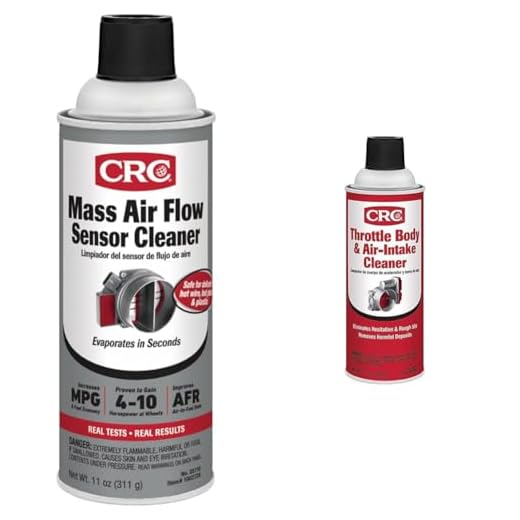
A can of throttle body cleaner and a soft brush handle most carbon buildup cases. The CRC Throttle Body & Air Intake Cleaner works well for this exact job and is affordable enough for a weekend fix.
While you’re under the hood, check your spark plugs. Audi q5 spark plugs ignition coil pack misfire symptoms often mimic EPC faults because a rough-running cylinder throws off load calculations. Worn plugs past 60,000 miles are common suspects.
When to Consult a Professional Mechanic
If codes point to wastegate actuator errors, persistent misfires after plug replacement, or Quattro network faults, it’s time for an independent European specialist. These issues often need specialized adaptation procedures beyond basic code clearing.
Proactive Maintenance and Prevention Strategies
Service Intervals and Routine Checks
Stick to Audi’s recommended 10,000 mile oil change interval and inspect your throttle body every 30,000 miles. Catching carbon buildup early prevents it from becoming a full-blown EPC event.
Tips for Preventing EPC Light Recurrence
Keep your battery terminals clean and corrosion-free. Low battery voltage causing phantom epc codes audi q5 issues are surprisingly common, especially once a battery passes the four-year mark. A simple multimeter check of your battery voltage, ideally above 12.4 volts at rest, catches this early.
Here’s a quick checklist worth running every few months:
- Inspect throttle body for carbon buildup
- Test battery voltage and terminal cleanliness
- Check brake pedal switch for play or sticking
- Clean or replace MAF sensor if airflow readings seem off
- Look for cracked vacuum lines near the intake manifold
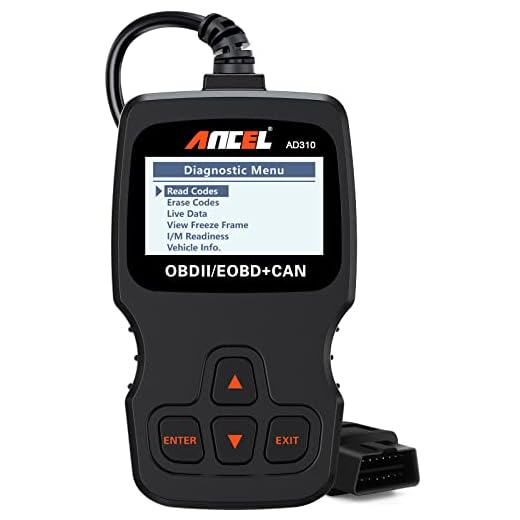
Upgrading your garage setup helps too. A dedicated diagnostic tool like the ANCEL OBD2 Scanner gives you live sensor readings and code definitions specific to VAG platforms, making it the ultimate hardware upgrade for any Q5 owner who wants to stop guessing.
Optimizing Fuel Efficiency and Longevity
A clean throttle body and healthy sensors don’t just prevent EPC lights. They also keep your fuel economy consistent and reduce strain on your turbocharger over time. According to Edmunds’ maintenance guidance, consistent minor upkeep extends engine life significantly compared to reactive repairs.
“Replaced the brake switch myself for under $20 after the dealer quoted me $450 just to diagnose it. EPC light never came back.” via r/AudiQ5
Data Insights & Analysis
Forum and repair-shop data from 2025 suggests roughly 35 percent of Audi Q5 EPC complaints trace back to throttle body carbon buildup on the 2.0T TFSI engine alone. Independent European specialist shops report brake switch replacements resolving another 15 to 20 percent of cases, often after owners had already spent money on unrelated parts.
Expert Note: The EPC light triggers so easily on these platforms because the ECU cross-references multiple sensors in real time. A single voltage reading outside expected range, even briefly, gets flagged as a safety fault. It's not that your engine is broken. It's that the system is doing exactly what it's designed to do, err on the side of caution rather than risk uncontrolled acceleration.
Frequently Asked Questions
What does the EPC light mean on an Audi Q5?
The EPC light indicates the Electronic Power Control system detected a fault in the throttle, sensors, brake switch, or electrical supply. It triggers a protective limp mode that reduces engine power to prevent unpredictable acceleration and prioritizes safety over performance.
How do you fix the EPC light on an Audi Q5?
Start with visual inspection for loose connectors and carbon buildup. Use an OBD2 scanner to read fault codes, then address the specific cause: clean the throttle body, replace the brake switch, check battery voltage, or clean MAF sensors. Most fixes require basic tools and can be DIY projects.
Can a dirty throttle body cause EPC light issues?
Yes, throttle body carbon buildup is the single most common EPC trigger on Q5 models with 2.0T TFSI engines. Carbon deposits cause the throttle plate to stick or move inconsistently, confusing the position sensor and triggering the EPC warning light around 30,000 to 50,000 miles.
Why does the brake switch affect the EPC light?
The brake switch communicates directly with the EPC system for safety validation during acceleration. A faulty or stuck brake switch sends false signals, making the ECU think you’re braking while pressing the gas, causing it to trigger protective limp mode.
What’s the difference between EPC light and check engine light?
The check engine light monitors emissions and general engine health, while the EPC light specifically focuses on throttle control, pedal sensors, and power delivery safety. Having both illuminate together usually indicates a more serious issue like misfire affecting throttle response.
How much does it cost to fix an EPC light on an Audi Q5?
DIY fixes like throttle body cleaning or brake switch replacement typically cost under $50 in parts. Dealership diagnostics alone can run $200–$450, but many EPC issues resolve without professional help, saving owners significant money by troubleshooting with an OBD2 scanner first.
Read More:
- How to Fix EPC Light on Audi (The Complete Diagnostic and Fix Guide)
- How to Fix EPC Light on Audi A4 (Here’s the Fast DIY Guide)
- How to Fix EPC Light on Audi A3 (Causes, Symptoms and Fixes)
- How to Fix EPC Light on Audi A6 (Fix It Yourself Before the Dealer Bill Hits)