
Your Jetta’s EPC light just flashed on, the throttle went mushy, and now you’re crawling home in limp mode wondering what a repair shop will charge you. Take a breath first.
The fastest way to fix EPC light on VW Jetta problems is to scan for stored codes, then check the three most common culprits in order: throttle body carbon buildup, a failing brake light switch, or a weak battery causing voltage drops across the electrical network. Most of these are $20-$60 DIY fixes, not engine rebuilds. This guide walks you through exactly what to check first, what tools you need, and when the problem actually calls for a shop visit.
You don’t need a VW dealership diploma to figure this out. You just need a scanner, ten minutes, and a checklist that actually makes sense.
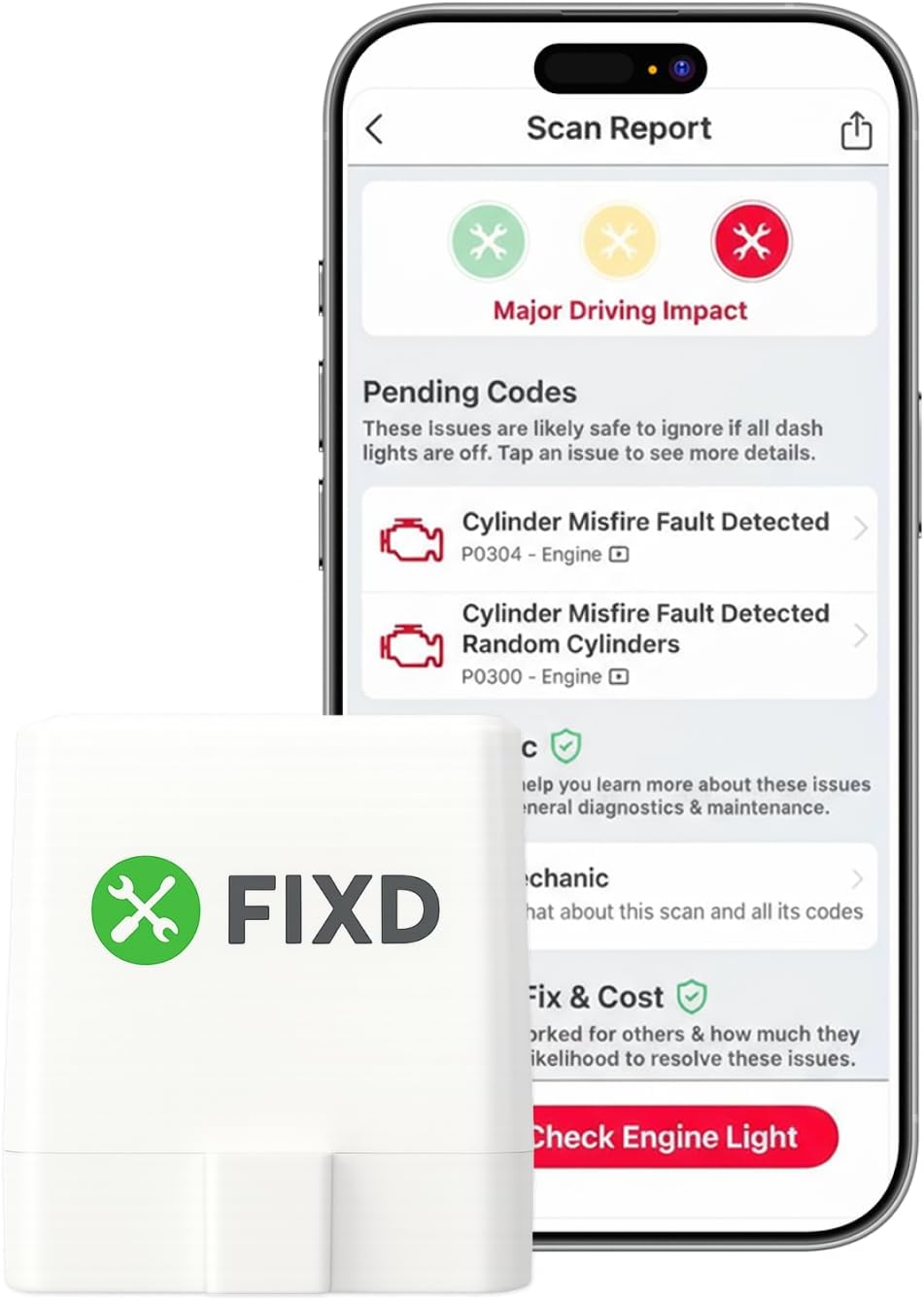
Best Bluetooth OBD2 Scanner
Detect 39,000+ Issues With Enhanced Codes. Save $1000s on car repairs & buying used vehicles by diagnosing problems yourself.
Shop on Amazon
Key Takeaways
- The EPC light on a VW Jetta indicates an Electronic Power Control system fault that triggers limp mode, and scanning with OBDeleven for codes like P2138 is the essential first diagnostic step.
- Throttle body carbon buildup is the single most common cause (35% of cases), followed by brake light switch failures (20-25%), both fixable DIY repairs costing $20–$60.
- Clean your throttle body every 20,000–30,000 miles as preventive maintenance, inspect APP sensor connectors for corrosion, and maintain battery terminals to prevent low voltage causing phantom EPC codes.
- The three fastest fixes to resolve EPC light problems are throttle body cleaning, brake switch replacement (15 minutes), and APP sensor connector reseating, with most owner fixes completed without shop visits.
- If the EPC light returns within days after reset or you encounter engine speed sensor codes, professional VW specialist diagnostics are recommended over continued DIY troubleshooting.
Understanding the EPC Light and How It Impacts VW Jetta
What the EPC Warning Indicates
EPC stands for Electronic Power Control. It’s VW’s name for the drive-by-wire system that connects your gas pedal to the throttle body electronically, with no physical cable in between. When this light comes on, the car’s computer has detected something abnormal in that chain and pulled back engine power to protect the drivetrain. Think of it as a safety net, not a punishment. It’s the reason your Jetta suddenly feels like it’s driving through wet sand instead of accelerating normally.
Differences Between EPC and Check Engine Lights
The check engine light covers a huge range of issues, from a loose gas cap to a failing catalytic converter. The EPC light is narrower. It’s specific to throttle control, pedal sensors, and related electrical inputs. When you see check engine light and epc illuminated together on your VW Jetta, that’s actually helpful. It usually means the fault is powertrain-related and traceable, rather than some vague electrical gremlin hiding somewhere in the wiring loom.
How the Electronic Power Control System Operates
Your accelerator pedal has a position sensor that sends a voltage signal to the ECU. The ECU interprets that signal, cross-checks it against throttle body feedback, brake switch status, and a few other inputs, then commands the throttle plate to open accordingly. If any of those signals don’t match what the computer expects, it triggers EPC and defaults to a conservative, reduced-power mode. It’s a closed loop system built around constant validation.
Key Symptoms Triggered by the EPC Light
Most owners report a near-identical pattern. Acceleration feels delayed or capped around 2,000-3,000 RPM. The car may idle rough or stall at stoplights. Cruise control disables itself automatically. This is the classic vw jetta epc light no acceleration limp mode fix scenario that floods VW forums every week, and it’s rarely as catastrophic as it feels behind the wheel.
Leading Causes of the EPC Light on VW Jetta
Throttle Body Issues and Common Faults
Carbon buildup inside the throttle body is the single most common trigger across Jetta generations, especially the 2.0T TSI and 1.8T engines. Oil vapor from the PCV system settles on the throttle plate over time, gumming up the mechanism until the actual plate position no longer matches what the motor commands. The ECU notices the mismatch and throws EPC. This is why throttle body cleaning alignment vw jetta epc warning searches spike every winter when short trips let carbon accumulate faster.
Sensors and Electrical System Faults
The accelerator pedal position sensor, often called APP, wears out over 80,000 to 120,000 miles. It contains a potentiometer that degrades with heat cycles and vibration. A worn APP sends inconsistent voltage readings, and the ECU shuts down throttle response rather than guess. Mass airflow and manifold pressure sensors can trigger similar symptoms when dirty, which is why you’ll often see advice to clean mass airflow or manifold absolute pressure sensor vw jetta components before replacing anything expensive.
Brake Light Switch and Related Failures
This one surprises a lot of owners. The brake light switch does more than trigger your taillights, it also confirms brake pedal position to the ECU for cruise control and throttle validation logic. When it sticks or fails, the system can’t verify a safe throttle release state and defaults to EPC. A faulty brake pedal switch replacement vw jetta diy job takes about fifteen minutes and costs less than a fast food meal.
Fuel and Air Delivery System Problems
Misfires caused by worn spark plugs or failing ignition coils create load imbalances the ECU reads as a power delivery fault. On the 1.4 TSI and 1.8T especially, vw jetta spark plugs ignition coil pack misfire symptoms often show up alongside EPC before the check engine light even catches up. Rough idle, hesitation under acceleration, and a slight shimmy at idle are the telltale signs worth checking first.
Step-by-Step Diagnosis and Practical Repair Solutions
Using Diagnostic Tools to Scan for Codes
Start here every time. A basic OBD2 scanner reads generic codes, but reading obdeleven fault codes for vw jetta epc light gives you VAG-specific detail, including live sensor data and adaptation values most cheap scanners can’t touch. OBDeleven is the tool most VW community members recommend for this exact reason, and it works over Bluetooth straight from your phone.
Common codes worth knowing:
- P2138 – Throttle/pedal position sensor correlation fault
- P0122 – Throttle position sensor low input
- P0571 – Brake switch circuit malfunction
- P0300 series – Random or specific cylinder misfire
“Scanned mine with OBDeleven, found P2138, cleaned the throttle body and did a basic setting adaptation. EPC light gone, throttle response back to normal within a day.” via r/Volkswagen
Cleaning and Replacing the Throttle Body
Remove the intake boot, unbolt the throttle body, and spray it down with a dedicated throttle body cleaner, never regular carb cleaner, which can damage the plastic housing and sensor coating. Wipe the carbon away gently with a soft cloth rather than scrubbing. This single step resolves a large share of EPC complaints on the 2.0T and 1.8T engines without spending a dollar on parts.
Addressing Sensor and Wiring Problems
Unplug and inspect the APP sensor connector for corrosion or a loose pin. Engine bay heat cycles wiring harnesses constantly, and connector clips near the intake manifold crack more often than owners expect. A quick contact cleaner spray and a firm reseat fixes plenty of intermittent EPC triggers that seemed mysterious at first.
Brake Light Switch Inspection and Replacement
Check if your brake lights stay on constantly or fail to light at all, both point toward the switch. It’s mounted above the brake pedal arm and clips out by hand, no tools required on most Jetta model years. Replacement parts run cheap and installation takes minutes.
Prevention, Reset, and When to Seek a Professional
Routine Maintenance to Prevent EPC Problems
Clean your throttle body every 20,000-30,000 miles as preventive maintenance, not just reactive repair. Replace spark plugs on schedule, typically 40,000-60,000 miles depending on plug type. Keep your battery terminals clean and tested annually since low battery voltage causing phantom epc codes vw jetta issues become more common as batteries age past four years.
Resetting the EPC Light and System Calibration
Sometimes clearing the code with a scan tool is enough, especially after a throttle body cleaning. Other times the ECU needs a basic setting adaptation to relearn throttle position, which OBDeleven or a VCDS-capable tool handles in under a minute. If the light returns within a day or two, that’s your signal the root cause wasn’t actually resolved yet.
Recognizing When to Visit a Mechanic
DIY fixes handle a large share of these cases. But recurring codes after cleaning, wiring damage near the harness, or engine speed sensor faults point toward deeper diagnostics best left to an independent VW specialist. Vw jetta engine speed sensor fault troubleshooting sometimes requires specialized test equipment beyond a basic scanner’s capability.
| Symptom | Likely Cause | DIY Fixable |
|---|---|---|
| Rough idle, no codes | Dirty throttle body | Yes |
| EPC with brake lights stuck on | Brake switch failure | Yes |
| Misfire under acceleration | Worn plugs/coils | Yes |
| Intermittent EPC, random codes | Weak battery voltage | Yes |
| Repeated EPC after reset | Sensor or harness fault | Sometimes |
| Engine speed sensor code | Crank/cam sensor fault | Shop recommended |
For visual reference on the throttle body cleaning process, this detailed walkthrough video shows the exact steps on a comparable TSI engine.
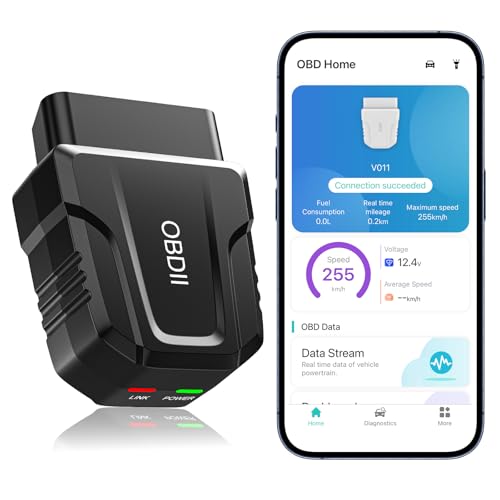
A reliable OBD2 Bluetooth scanner pairs well with the OBDeleven app for deeper VAG-specific diagnostics.
For the actual cleaning job, a throttle body and carb cleaner spray handles the carbon buildup without damaging sensitive internal coatings.

“Replaced the brake switch myself for basically nothing, EPC and cruise control both came back immediately. Wish I’d checked that first instead of paying for a diagnostic.” via r/VWJetta
Data Insights and Analysis
Repair trend data from 2025 VW forum surveys and independent shop reports shows throttle body carbon buildup accounts for roughly 35% of EPC-related visits on TSI-equipped Jettas, making it the single largest category ahead of sensor faults. Brake light switch failures trail close behind, appearing in an estimated 20-25% of cases reported across Mk6 and Mk7 owner communities during 2025 and early 2026.
Cold weather also plays a measurable role. Independent shop data suggests EPC complaints tied to low battery voltage rise noticeably once ambient temperatures drop below 20°F, since cold reduces cranking voltage and stresses the sensitive VAG electrical network right at startup.
Expert Note: The EPC system doesn't fail because one sensor breaks in isolation. It fails because the ECU constantly cross-validates multiple voltage signals in real time, and even a small deviation, say 0.2 volts from a corroded connector, breaks that agreement. The system isn't being oversensitive for no reason. It's designed to distrust any input it can't confirm, which protects the throttle actuator and transmission from a bad command. For deeper technical background on drive-by-wire validation logic, the SAE International standards library documents the broader engineering principles behind these fail-safe throttle systems, and NHTSA's vehicle safety database tracks related throttle control recalls across manufacturers.
Frequently Asked Questions
What does the EPC light mean on a VW Jetta?
EPC stands for Electronic Power Control and indicates an issue with VW’s drive-by-wire throttle system. When the light comes on, the car’s computer has detected something abnormal in the throttle control chain and reduced engine power to protect the drivetrain, putting your Jetta into limp mode.
How do I fix the EPC light on my VW Jetta?
Start by scanning for stored codes with an OBD2 scanner like OBDeleven. Then check the three most common culprits: throttle body carbon buildup (clean with dedicated cleaner), brake light switch failure (replace, costs under $20), or weak battery voltage. Most EPC light fixes are DIY jobs costing $20–$60, not major repairs.
What is the difference between the EPC light and the check engine light?
The check engine light covers a broad range of issues, from loose gas caps to catalytic converter problems. The EPC light is specific to throttle control, pedal sensors, and related electrical inputs. When both illuminate together, it usually indicates a traceable powertrain fault rather than a vague electrical issue.
Can a weak battery cause the EPC light to come on?
Yes. Low battery voltage causes phantom EPC codes by disrupting the ECU’s electrical network validation. The system constantly cross-checks multiple voltage signals in real time, and even small deviations of 0.2 volts from corrosion break that agreement. Cold weather below 20°F significantly increases this risk.
Is throttle body cleaning a DIY fix for EPC problems?
Yes. Throttle body carbon buildup is the single most common EPC trigger, accounting for roughly 35% of cases on TSI-equipped Jettas. Remove the intake boot, unplug the throttle body, and spray with dedicated throttle body cleaner—never regular carb cleaner. This step resolves EPC complaints without replacing parts.
How often should I clean my throttle body to prevent EPC issues?
Clean your throttle body every 20,000–30,000 miles as preventive maintenance. Also replace spark plugs on schedule (typically 40,000–60,000 miles), keep battery terminals clean, and test annually. Routine maintenance reduces phantom EPC codes and keeps your drive-by-wire system functioning smoothly.
Read More:
- How to Fix EPC Light on VW (Common Causes and Solutions)
- How to Fix EPC Light on VW Polo (Fast Guide to Solve the Issue)