
You’re cruising down the highway in your BMW X5, and suddenly the dashboard check engine light glows yellow. Your heart sinks, your mind races, and you wonder: Is this minor or catastrophic?
The BMW X5 check engine light (MIL) signals issues ranging from a $15 loose gas cap or faulty oxygen sensor to more serious catalytic converter failures, ignition coil misfires, or MAF sensor malfunctions, and you can diagnose most causes yourself with a simple OBD-II scanner to retrieve codes like P0300 (misfire) or P0420 (catalytic converter efficiency), then decide whether it’s a weekend DIY fix or requires a professional BMW technician.
A solid yellow light typically means you can drive cautiously to a shop, while a flashing light demands you pull over immediately to prevent engine or catalytic converter damage. Let’s jump into what triggers this warning, how to read the codes, and your best next steps.
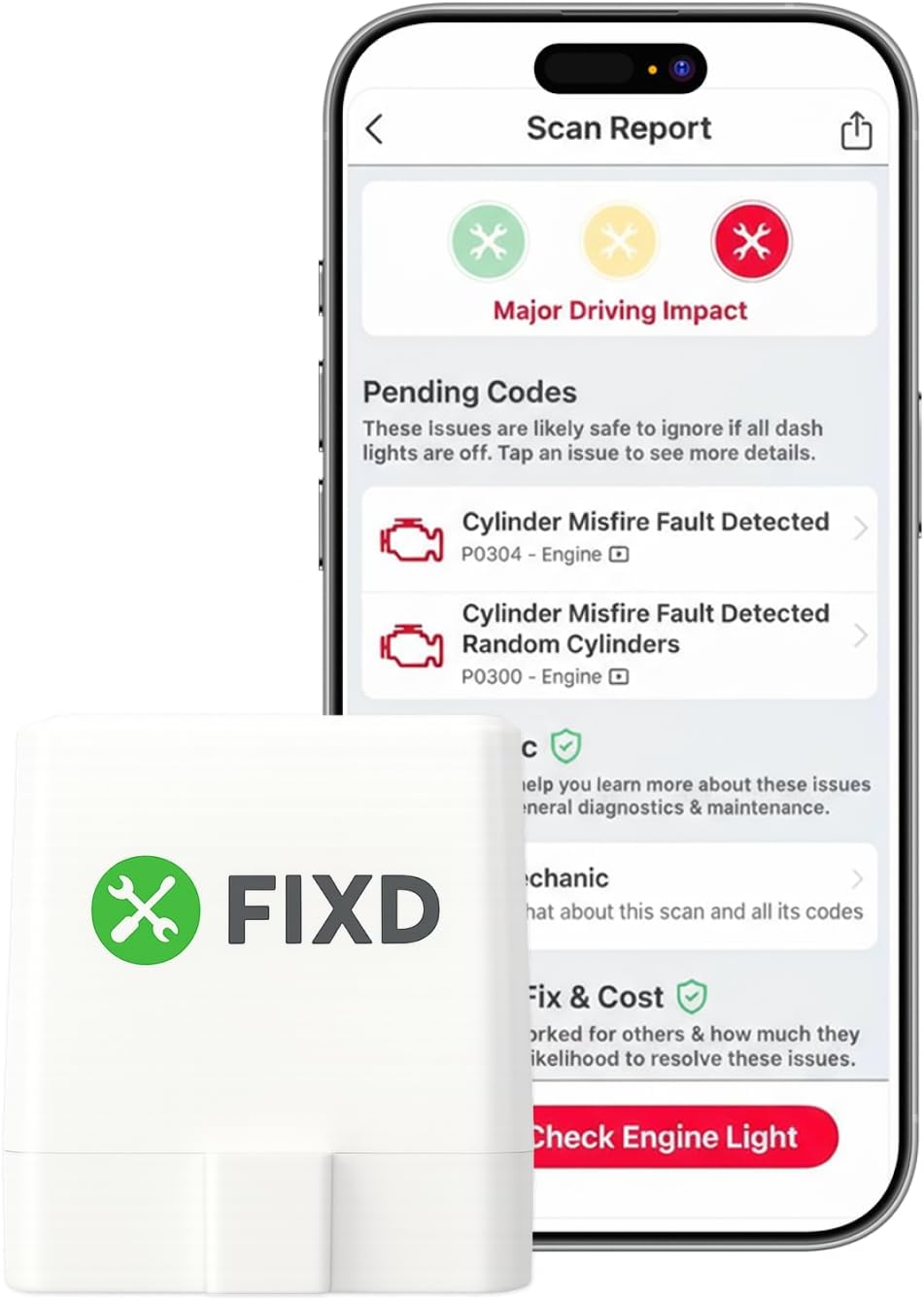
Best Bluetooth OBD2 Scanner
Detect 39,000+ Issues With Enhanced Codes. Save $1000s on car repairs & buying used vehicles by diagnosing problems yourself.
Shop on Amazon
Key Takeaways
- A solid yellow BMW X5 check engine light indicates an emissions or sensor fault that requires diagnosis soon, while a flashing light demands immediate action to prevent catalytic converter damage and engine meltdown.
- Use an affordable OBD-II scanner ($25–$50 with a Bluetooth adapter) to retrieve diagnostic trouble codes and determine whether your BMW X5 check engine light issue is a simple $15 fix like a loose gas cap or requires professional repair.
- Common check engine light triggers include oxygen sensor failure (P0420 codes), dirty MAF sensors causing lean conditions, ignition coil misfires every 60,000–80,000 miles, and EVAP system leaks—most preventable with OEM parts and regular maintenance.
- Start DIY diagnosis with visual inspections of the gas cap, vacuum hoses, fluid levels, and wiring before investing in expensive sensor replacements or dealer diagnostics ($150–$200).
- Complete a full drive cycle after clearing codes to reset the DME’s emissions monitors and confirm the repair; failure to do so may result in codes returning or smog test failures.
Understanding Warning Indicators
Meanings Behind Solid and Flashing Lights
A solid yellow check engine light on your BMW X5 indicates the onboard computer (DME – Digital Motor Electronics) detected a fault in the emissions system, engine sensors, or drivetrain. You can typically continue driving, but you should schedule a diagnostic scan soon. A flashing check engine light signals an active misfire that’s dumping unburned fuel into the exhaust, risking catalytic converter meltdown. Pull over safely, turn off the engine, and call for a tow or drive very gently to the nearest shop.
When the light flashes, your X5 may also enter “limp mode,” limiting power and RPM to protect critical components. This mode is your BMW’s safety net, preventing catastrophic damage to the turbocharger, VANOS system, or exhaust components. Don’t ignore a flashing light: the repair bill jumps from hundreds to thousands if you continue driving hard.
Role of the Malfunction Indicator Lamp
The Malfunction Indicator Lamp (MIL), your check engine light, is federally mandated under OBD-II regulations to alert you to emissions-related faults. On the X5, the MIL monitors everything from oxygen sensors and fuel trim to the evaporative emissions (EVAP) system and exhaust gas recirculation (EGR) valve. It’s your first line of defense against smog-causing failures and engine damage.
Because BMW uses a complex network of sensors across the N55, N63, B58, and B57 engines (found in E70, F15, and G05 generations), even a minor voltage drop or carbon buildup can flip the light on. The system is sensitive by design, catching small problems before they snowball into expensive repairs.
How OBD-II Works in Your BMW X5
Your X5’s OBD-II port (usually under the driver’s side dash) connects to the DME, which logs Diagnostic Trouble Codes (DTCs) whenever a sensor reading falls outside normal parameters. A basic OBD-II scanner retrieves these alphanumeric codes, like P0171 (system too lean) or P0301 (cylinder 1 misfire), and displays them on a small screen or smartphone app.

Advanced scanners can read BMW-specific “shadow” codes and live data streams, showing real-time MAF voltage, fuel trims, and O2 sensor voltages. For DIY diagnostics, even a $25 Bluetooth adapter paired with the Carly or BimmerLink app gives you dealer-level insight without the $150 diagnostic fee. According to Consumer Reports, about 10–15% of check engine warnings stem from a loose or damaged gas cap.
Top Causes and Codes
Oxygen Sensor and O2 Sensor Issues
Oxygen sensors monitor exhaust gas composition, helping the DME adjust fuel delivery for optimal combustion. When an O2 sensor fails (common after 80,000–120,000 miles), you’ll see codes like P0130, P0133, P0138, or the dreaded P0420 (catalytic converter efficiency below threshold). Symptoms include rough idle, poor fuel economy, and a persistent check engine light.
Replacing an O2 sensor is straightforward: locate the sensor in the exhaust (upstream before the catalytic converter, or downstream after), disconnect the wiring harness, unscrew the old sensor with a 22mm wrench, and install a new OEM or Bosch unit. Torque to spec and clear the code. If P0420 returns after replacing both upstream sensors, your catalytic converter may be failing, budget $800–$2,000 for OEM parts and labor.
Common MAF Sensor and Ignition Coil Problems
The Mass Airflow (MAF) sensor measures incoming air volume to calculate the correct fuel mixture. A dirty or failing MAF triggers codes like P0100, P0101, or P0171/P0174 (lean condition). You’ll notice hesitation during acceleration, surging at highway speeds, or black exhaust smoke. Cleaning the MAF element with dedicated MAF cleaner spray (not carb cleaner.) often restores function: if not, replacement runs $150–$300.
Ignition coils on BMW inline-6 and V8 engines (especially N63 twin-turbos) are notorious for failing every 60,000–80,000 miles. A misfiring coil throws codes like P0300 (random misfire) or P0301–P0308 (cylinder-specific misfire). The engine shakes, you lose power, and fuel economy tanks. Swap all coils and spark plugs together as a maintenance set, using OEM or Eldor coils and NGK or Bosch plugs, to prevent repeat visits.
“My E70 X5 threw P0300 and P0302. Swapped coil on cylinder 2, light came back two weeks later. Finally replaced all six coils and plugs, problem solved for good.” via r/BmwTech
Catalytic Converter and Emissions System Failures
Code P0420 or P0430 signals your catalytic converter isn’t scrubbing exhaust gases efficiently. This can mean the converter’s honeycomb is clogged or deteriorated, or it’s a false alarm from faulty O2 sensors. Before replacing a $1,200 cat, verify both upstream and downstream O2 sensors are working, check for exhaust leaks, and inspect the engine for oil consumption (which fouls the cat).
EVAP system leaks (P0442, P0456) are often traced to a loose, cracked, or missing gas cap. Always check and tighten the cap first, it’s free. If the code persists, inspect the EVAP purge valve, charcoal canister, and fuel tank vent lines for cracks or disconnections.
Other Frequent Triggers (Spark Plugs, Gas Cap, Software)
Worn spark plugs cause misfires, poor starts, and reduced performance. BMW recommends replacement every 60,000 miles for most engines. A loose or damaged gas cap fails the EVAP pressure test, triggering P0455 or P0456. Software glitches in older iDrive or DME firmware can generate phantom codes: a BMW-specific scanner can update modules or clear corrupt fault memory.
Other common triggers include vacuum leaks (cracked intake boots on N55 engines), failing VANOS solenoids (P0015, P0012), clogged EGR valves, and low coolant triggering limp mode. Always start with the simplest, cheapest fix, gas cap, fluid levels, visual inspection, before diving into sensor replacement.
Diagnosing and Resolving
Using an OBD-II Scanner for Codes
Plug your OBD-II scanner into the port under the dash, turn the ignition to “ON” (engine off), and read the codes. Write down every code displayed, even “pending” codes that haven’t triggered the light yet. Cross-reference them using free databases like OBD-Codes.com or manufacturer forums. A quality scanner like the ANCEL BD310 or the BlueDriver Bluetooth adapter provides code definitions, freeze-frame data (conditions when the fault occurred), and guided fixes.

After repair, clear the codes and drive through a “drive cycle”, a mix of city, highway, idle, and acceleration, to let the DME rerun its self-tests. If the light stays off after 50–100 miles, you’ve fixed it. If it returns immediately, you missed something or have multiple faults.
DIY and Professional Diagnostic Strategies
For DIY diagnosis, start with visual checks: inspect the gas cap, look for disconnected vacuum hoses, check engine oil and coolant levels via iDrive, and scan for obvious leaks or damage. Use live data to monitor MAF voltage (1.0–1.5V at idle is normal), fuel trims (±5% is healthy), and O2 sensor switching (should toggle 0.1–0.9V rapidly).
If codes point to the VANOS system, turbocharger wastegate, or complex drivetrain faults, it’s time for a BMW specialist. Independent shops with genuine BMW diagnostic tools (ISTA/D, INPA) charge $100–$150 for a full scan and often catch issues a generic scanner misses.
“Dealer wanted $180 just to scan my F15. I grabbed a $50 Bluetooth dongle and BimmerLink app, found a stuck thermostat (P0597) in five minutes.” via BimmerPost
Drive Cycle Reset and Emissions Monitors
After clearing codes, your X5’s DME resets all emissions monitors to “Not Ready.” You must complete a drive cycle, specific sequences of idle, acceleration, deceleration, and highway cruising, to set monitors back to “Ready” for smog testing. BMW drive cycles vary by model year: consult BimmerFest or your scanner’s built-in guide.
Monitors check the catalyst, O2 sensors, EVAP system, EGR, and more. If a fault reappears during the cycle, the light returns and that monitor fails. Patience is key: some monitors need 20–50 miles of varied driving to complete.
When to Seek a BMW Specialist
Seek professional help if you encounter flashing lights, limp mode, codes related to the transmission (ZF 8-speed faults), turbocharger boost control, or VANOS timing errors. These systems require specialized tools, software updates, and calibration.
Also, if you’ve replaced sensors but codes persist, a deeper electrical issue, corroded connectors, chafed wiring, or DME failure, may be at play. According to RepairPal, the average check engine diagnostic at a BMW dealer runs $150–$200, while independent specialists charge $100–$130.
Safe Practices and Prevention
Proper Component Maintenance and Replacement
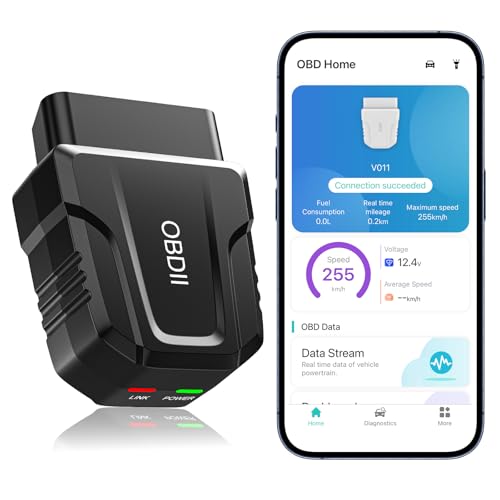
Stick to BMW’s maintenance schedule: change engine oil every 7,500–10,000 miles (or annually), replace spark plugs and ignition coils at 60,000-mile intervals, and inspect air and cabin filters regularly. Use OEM or OE-equivalent parts, cheap aftermarket O2 sensors and MAF sensors often fail prematurely or trigger false codes. A quality OBD-II scanner and maintenance log app helps you track service intervals and catch trends before they become failures.
Timely Response to Service Alerts
Don’t ignore the check engine light. What starts as a $50 MAF cleaning can escalate to a $2,000 catalytic converter replacement if you keep driving with a rich fuel mixture. Address codes promptly, especially if you notice performance changes, rough idle, poor acceleration, increased fuel consumption, or unusual exhaust smell. Early intervention saves money and prevents roadside breakdowns.
Avoiding Issues With Regular Inspections
Perform a monthly under-hood inspection: check for oil leaks (common at valve cover gaskets on N55/N63 engines), inspect belts and hoses, verify coolant and brake fluid levels, and ensure the air filter housing is sealed. A basic automotive multimeter lets you test battery voltage (12.6V+ when off, 13.8–14.4V running) and sensor outputs.
Regular inspections catch vacuum leaks, corroded connectors, and worn components before they trigger the check engine light, keeping your X5 reliable and your peace of mind intact.
Frequently Asked Questions
What does a BMW X5 check engine light mean?
A BMW X5 check engine light signals issues in the emissions system, engine sensors, or drivetrain detected by the onboard DME computer. A solid yellow light means you can drive cautiously to a shop, while a flashing light indicates active misfires and demands you pull over immediately to prevent catalytic converter damage.
How do I diagnose a BMW X5 check engine light using an OBD-II scanner?
Plug an OBD-II scanner into the port under the driver’s dash, turn the ignition ON (engine off), and retrieve Diagnostic Trouble Codes (DTCs) like P0300 or P0420. A basic Bluetooth adapter with apps like BimmerLink or Carly provides dealer-level insight for under $50, avoiding the $150 diagnostic fee.
What are the most common causes of a check engine light on BMW X5?
Common causes include a loose gas cap, faulty oxygen sensors, dirty MAF sensors, failing ignition coils (especially on N63 twin-turbos), and catalytic converter efficiency issues. Worn spark plugs, vacuum leaks, and VANOS solenoid faults also trigger the light. Start with visual checks and the cheapest fixes first.
Can a loose gas cap trigger a check engine light on my X5?
Yes. A loose, cracked, or missing gas cap fails the EVAP system pressure test, triggering codes P0455 or P0456. Always check and tighten the cap first—it’s free and resolves approximately 10–15% of check engine warnings according to Consumer Reports.
How much does it cost to fix a BMW X5 check engine light?
Repair costs range from $15 (gas cap) to $2,000+ (catalytic converter replacement). O2 sensor replacement costs $150–$300; MAF sensor cleaning is $50–$150; ignition coil replacement runs $200–$400 per coil. Professional diagnostics at BMW dealers cost $150–$200, while independent shops charge $100–$130.
What should I do if my BMW X5 check engine light is flashing?
A flashing check engine light signals active misfires dumping unburned fuel into the exhaust. Pull over safely, turn off the engine, and call for a tow or drive gently to the nearest shop. Ignore this warning and repair costs escalate from hundreds to thousands due to catalytic converter or turbocharger damage.
Read More: