
That amber warning glow on your Nissan Rogue’s dashboard can trigger instant stress. You’re not alone, thousands of Rogue owners face this every month.
Your Nissan Rogue check engine light signals that the onboard diagnostic system has detected a fault in the engine, emissions, or CVT transmission control systems, stored as a diagnostic trouble code (DTC) in the ECM, requiring immediate scan tool diagnosis to identify the specific component failure, common causes include loose gas caps triggering EVAP codes, faulty oxygen sensors causing P0420 errors, mass airflow sensor malfunctions (P0101), and CVT fluid pressure sensor faults like P0845.
This guide walks you through every essential troubleshooting step, from tightening your fuel cap to diagnosing MAF sensor issues and CVT pressure codes. You’ll learn when it’s safe to drive, how to reset the light, and which repairs actually matter for your 2.5L QR25DE or 1.5L VC-Turbo engine.
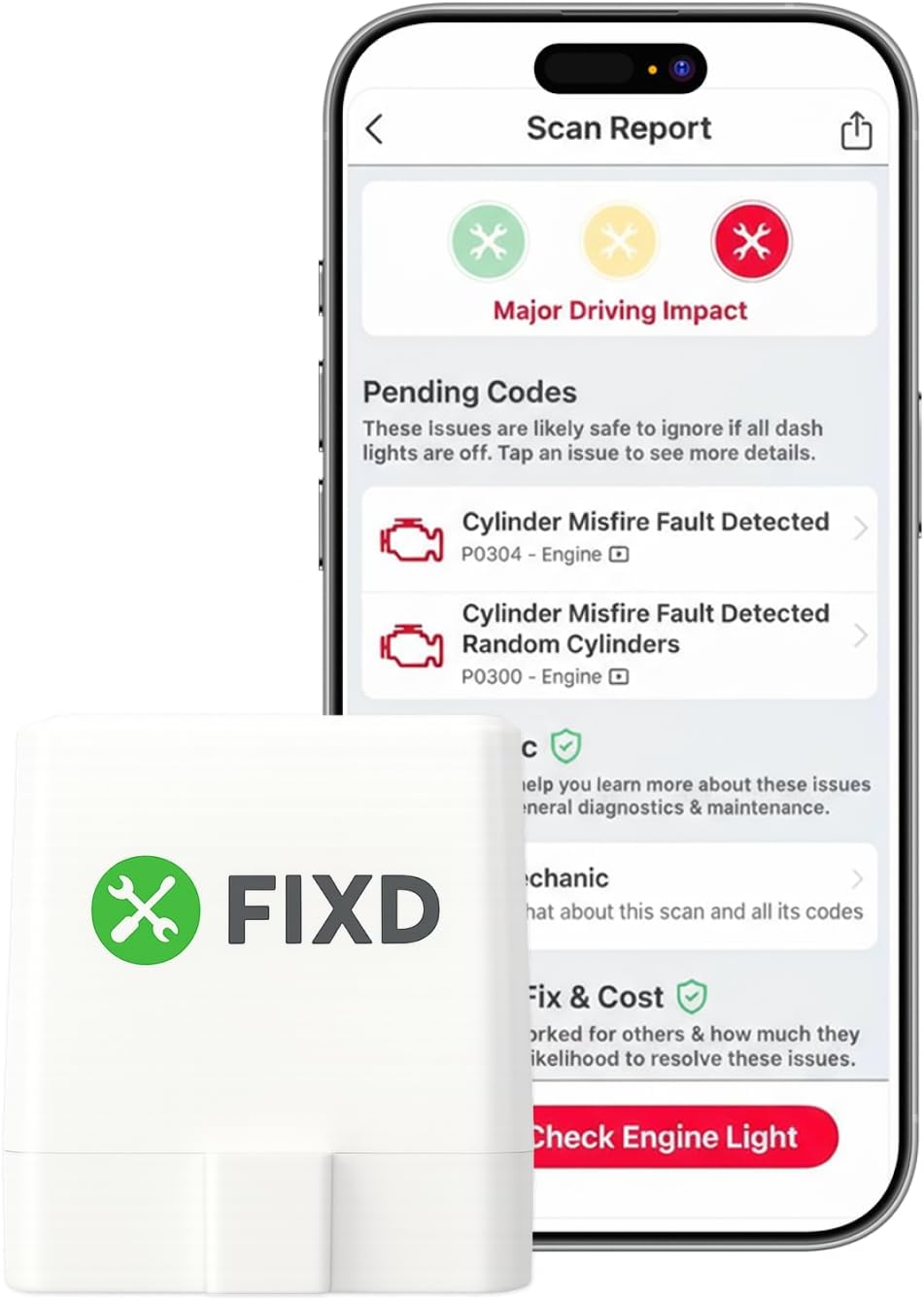
Best Bluetooth OBD2 Scanner
Detect 39,000+ Issues With Enhanced Codes. Save $1000s on car repairs & buying used vehicles by diagnosing problems yourself.
Shop on Amazon
Key Takeaways
- A Nissan Rogue check engine light signals a fault in the engine, emissions, or CVT transmission system that requires an OBD-II scanner to identify the specific diagnostic trouble code.
- The most common causes—loose gas caps, faulty oxygen sensors (P0420), MAF sensor issues (P0101), and CVT pressure faults—can often be diagnosed and fixed at home for under $200 in parts.
- A solid check engine light indicates a drivable fault with time to diagnose, but a flashing light signals active misfires that can destroy your catalytic converter within minutes and requires immediate attention.
- After repairs, use an OBD-II scanner to clear codes and complete a 50–100 mile drive cycle to verify the fault is resolved and the light stays off.
- Preventive maintenance—regular oil changes, spark plug replacement every 60,000 miles, and CVT fluid monitoring—significantly reduces check engine light occurrences and expensive repairs.
What Does the Check Engine Light Mean in Your Nissan Rogue?
Your Rogue’s check engine light (also labeled “Service Engine Soon”) connects directly to the Engine Control Module (ECM). When sensors detect abnormal readings, whether from the oxygen sensor, throttle body, or CVT transmission, the ECM logs a diagnostic trouble code and illuminates the warning.
The light doesn’t tell you what’s broken. It simply confirms the ECM stored a fault code. You need an OBD-II scanner to pull the exact code, like P0101 (MAF sensor) or P0300 (misfire). Without a scan tool, you’re guessing.
Some codes point to minor issues: a loose gas cap trips P0455 (large EVAP leak). Others signal serious trouble: flashing lights often mean active misfires that can damage your catalytic converter. Understanding the behavior, solid versus flashing, helps you gauge urgency and decide whether to drive or tow your Rogue.
Most Common Causes of a Check Engine Light in Nissan Rogue
Faulty Oxygen Sensor
The downstream oxygen sensor (bank 1, sensor 2) monitors catalytic converter efficiency. When it fails, you’ll see code P0420 or P0421. Symptoms include rough idle, reduced fuel economy, and sluggish acceleration.
Oxygen sensors degrade over time, carbon deposits and high exhaust temperatures shorten their lifespan. If you’re above 90,000 miles, suspect the O2 sensor first. Replacing the downstream sensor is straightforward: it threads into the exhaust pipe behind the converter.
Ignoring a bad O2 sensor can damage your catalytic converter. The ECM relies on sensor data to adjust fuel trim. When readings drift out of range, your engine runs rich, sending unburned fuel into the cat and overheating it. Swap the sensor early.
Loose or Damaged Gas Cap
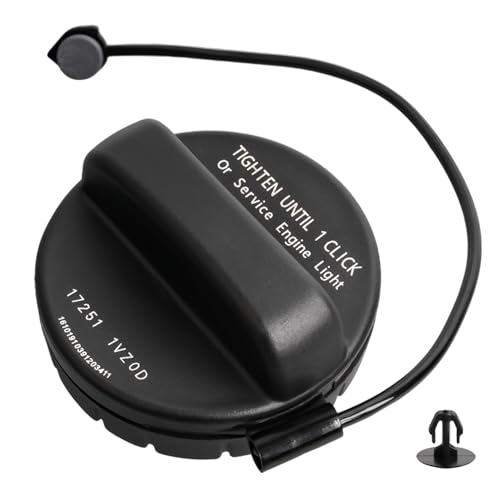
A loose, cracked, or missing gas cap is the easiest fix, and the most common. Your Rogue’s EVAP system maintains fuel vapor pressure. If the cap doesn’t seal, the system detects a leak and triggers P0455 (large leak) or P0457 (loose cap).
After refueling, tighten the cap until it clicks three times. Drive for 20–30 miles. If the code was cap-related, the light will turn off automatically once the ECM completes its drive-cycle checks.
If tightening doesn’t help, inspect the cap’s rubber seal for cracks. A replacement OEM cap costs around $15–$25 and takes seconds to install. Check out this Nissan OEM Gas Cap on Amazon for a quick fix.
Catalytic Converter Issues
Code P0420 (catalyst efficiency below threshold) appears when your converter can’t reduce emissions properly. Causes include failed oxygen sensors (see above), engine oil consumption, or internal catalyst substrate damage.
Catalytic converters rarely fail on their own. Upstream problems, like misfires or leaking valve seals, send excess hydrocarbons into the exhaust, coating the converter’s honeycomb structure. Once contaminated, it can’t process emissions and efficiency drops.
Replacing a catalytic converter is expensive, often $800–$1,500 at independent shops. Before swapping the cat, replace the upstream and downstream O2 sensors and retest. Many “bad converters” are actually masked sensor faults.
Mass Air Flow Sensor Problems
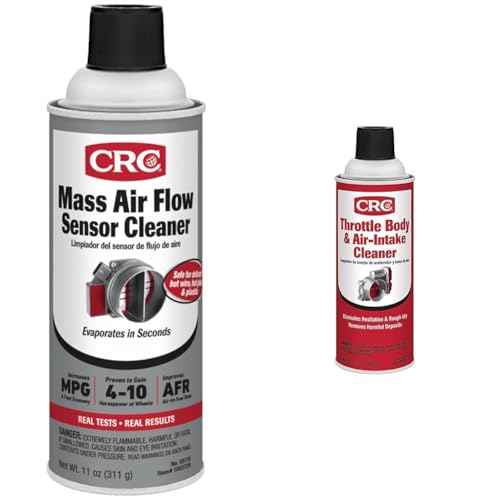
The MAF sensor measures incoming airflow so the ECM can calculate fuel injection. Code P0101 (MAF circuit range/performance) triggers when sensor voltage doesn’t match expected airflow at a given RPM.
Symptoms include hesitation during acceleration, rough idle, and black exhaust smoke. Dirt, oil residue from aftermarket air filters, and moisture contaminate the MAF’s hot-wire element, skewing voltage output.
Cleaning the MAF sensor with dedicated MAF cleaner spray (CRC MAF Sensor Cleaner on Amazon) often restores proper function. Remove the sensor from the intake tube, spray the wire element (don’t touch it), let it dry, and reinstall. If cleaning fails, replace the MAF. A new OEM unit costs $150–$250.
How to Diagnose Your Nissan Rogue Check Engine Light
Grab an OBD-II scanner, budget Bluetooth models pair with your smartphone and cost $20–$40. Plug it into the diagnostic port under the steering column (driver’s side, above the brake pedal). Turn the ignition to “ON” (don’t start the engine) and launch the scanner app.
Record every code displayed: P-codes (Powertrain), B-codes (Body), and C-codes (Chassis). Write down freeze-frame data too, RPM, coolant temp, and fuel trim values at the moment the ECM logged the fault. This data helps pinpoint intermittent issues.
Search the code on Nissan TSB databases or forums like NissanClub.com. Cross-reference symptoms. If you see P0101 and your Rogue hesitates during acceleration, clean or replace the MAF sensor. If P0300 appears with rough idle, check spark plugs and ignition coils.
For complex CVT codes like P0845 (transmission fluid pressure sensor circuit), consult a Nissan dealership or transmission specialist. CVT diagnostics require live data monitoring and fluid pressure tests that basic scanners can’t provide. Don’t guess on transmission issues.
“P0101 kept coming back after I cleaned the MAF. Turns out I had a cracked intake boot sucking in unmetered air. Fixed the boot, code gone.” via r/NissanRogue
Understanding Check Engine Light Behavior: Solid vs. Flashing
A solid check engine light means the ECM detected a fault but the vehicle is drivable. You have time, hours or days, to diagnose and repair. Common solid-light triggers include O2 sensor drift, small EVAP leaks, and MAF sensor performance codes.
A flashing check engine light signals active misfires that can overheat and destroy your catalytic converter within minutes. Pull over immediately. Misfires dump raw fuel into the exhaust: the cat tries to burn it, generating extreme heat. Continued driving can melt the catalyst substrate, turning a $50 spark plug fix into a $1,200 converter replacement.
If the light flashes, scan for misfire codes (P0300–P0308). P0300 is random/multiple cylinders: P0301–P0304 indicate specific cylinders. Swap spark plugs and ignition coils to the misfiring cylinder. If the misfire follows the part, you’ve found the culprit.
“My 2021 Rogue started flashing during highway merge. Turned out cylinder 3 coil pack was toast. Swapped all four coils and plugs, smooth as new.” via RogueForums
How to Reset the Check Engine Light on a Nissan Rogue
After fixing the root cause, use your OBD-II scanner to clear codes. With the ignition ON (engine off), select “Clear Codes” in the app. The light will turn off immediately. Drive 50–100 miles to let the ECM complete its readiness monitors. If the fault is truly fixed, the light stays off.
No scanner? Disconnect the negative battery terminal for 10–15 minutes. This clears stored codes and resets the ECM. Reconnect the terminal, start the engine, and check if the light returns. Be aware: disconnecting the battery also erases radio presets and may require relearning idle air control.
Some Rogue owners try the “pedal dance” (three quick on-off ignition cycles). This doesn’t clear codes, it only accesses the ECM’s self-diagnostic mode. You’ll see the light flash in patterns, but codes remain stored. Save your time and use a scanner or battery disconnect.
Should You Drive with the Check Engine Light On?
If the light is solid and the Rogue drives normally, no strange noises, vibrations, or power loss, you can drive short distances to a repair shop or parts store. Avoid long highway trips and hard acceleration. Monitor coolant temperature and oil pressure.
If the light flashes, stop driving. Flashing lights indicate active misfires that generate excess heat. Continued operation can warp cylinder heads, crack exhaust manifolds, or melt catalytic converters. Call for a tow or drive only to the nearest safe pullout.
Check for additional warning lights: if the CVT warning triangle or ABS light illuminates alongside the check engine light, multiple systems are failing. Don’t drive. Your Rogue’s ECM may enter “limp mode,” limiting speed to 30–40 mph to prevent further damage.
Repair Costs for Common Nissan Rogue Check Engine Light Issues
Here’s a breakdown of typical repair costs at independent shops:
| Issue | DIY Cost | Shop Cost |
|---|---|---|
| Loose gas cap | $15–$25 | $0 (self-fix) |
| Oxygen sensor replacement | $60–$120 (part) | $150–$300 |
| MAF sensor cleaning | $10 (cleaner) | $80–$150 |
| Spark plug replacement (set of 4) | $40–$80 | $150–$250 |
| Catalytic converter replacement | $400–$800 (aftermarket) | $800–$1,500 |
| CVT fluid pressure sensor (P0845) | $150–$250 (part) | $300–$600 |
Dealership labor rates run 20–40% higher. For simple fixes, gas cap, MAF cleaning, spark plugs, DIY saves hundreds. For CVT or catalytic converter work, shop around and request quotes from certified Nissan mechanics.
Preventing Future Check Engine Light Problems
Follow Nissan’s maintenance schedule: change engine oil every 5,000 miles (or per severe-duty schedule if you drive short trips). Old oil fouls spark plugs and oxygen sensors, triggering codes.
Replace spark plugs every 60,000 miles. Nissan OEM iridium plugs last longer than budget copper plugs and prevent misfires. Swap all four at once, mixing old and new plugs creates uneven combustion.
Inspect your air filter every 15,000 miles. A clogged filter starves the engine of air, forcing the MAF sensor to compensate and skewing fuel trim. Use OEM-style paper filters: oiled aftermarket filters can contaminate the MAF sensor.
Monitor CVT fluid level and condition. Nissan recommends CVT fluid replacement every 60,000 miles under severe conditions (city driving, towing). Low or degraded fluid triggers pressure sensor codes like P0845. Change CVT fluid at a Nissan dealer or transmission shop, DIY CVT services risk air intrusion and transmission damage.
Keep a basic OBD-II scanner in your glovebox. Early code detection prevents minor faults from escalating into expensive repairs. Scan your Rogue monthly or whenever performance changes.
Frequently Asked Questions
What does a check engine light mean on a Nissan Rogue?
A Nissan Rogue check engine light signals that the Engine Control Module (ECM) detected a fault in engine, emissions, or transmission systems and stored a diagnostic trouble code. The light doesn’t indicate what’s broken—you need an OBD-II scanner to pull the specific code like P0101 or P0420.
What are the most common causes of a check engine light in a Nissan Rogue?
Common Nissan Rogue check engine light causes include faulty oxygen sensors (P0420), loose or damaged gas caps (P0455), mass airflow sensor problems (P0101), spark plug or coil pack issues, and catalytic converter damage. Oxygen sensor faults are especially prevalent above 90,000 miles.
Can I drive my Nissan Rogue with the check engine light on?
If the light is solid and your Rogue drives normally, you can drive short distances to a shop. However, a flashing check engine light indicates active misfires that damage your catalytic converter. Pull over immediately when flashing and avoid driving until repairs are made.
How do I reset the check engine light on a Nissan Rogue?
Use an OBD-II scanner to clear codes via the diagnostic port under the steering column. Alternatively, disconnect the negative battery terminal for 10–15 minutes to reset the ECM. Drive 50–100 miles to let readiness monitors complete before confirming the fix.
What is the difference between a solid and flashing check engine light?
A solid check engine light indicates a stored fault code but the vehicle is drivable. A flashing light signals active misfires that can overheat and destroy your catalytic converter within minutes. Flashing lights require immediate attention and towing if severe.
How much does it cost to fix a Nissan Rogue check engine light issue?
Repair costs vary: gas cap ($15–$25), oxygen sensor ($150–$300), MAF sensor cleaning ($80–$150), spark plugs ($150–$250), and catalytic converter ($800–$1,500). DIY fixes for simple issues like gas caps or MAF cleaning save hundreds compared to shop labor rates.
Read More: