
That amber engine icon glowing on your Altima’s dashboard instantly changes your morning commute. It’s frustrating, confusing, and leaves you wondering if your sedan’s about to strand you.
The check engine light in your Nissan Altima activates when your vehicle’s onboard computer (ECU) detects a malfunction in the emissions control system, engine sensors, or powertrain components, triggered by fault codes ranging from minor evaporative leaks (P0455) to serious oxygen sensor failures (P0420) or CVT transmission pressure faults. You’ll need an OBD-II scanner to read the specific diagnostic trouble code (DTC) and identify whether the issue demands immediate repair or can wait.
During my six years servicing midsize sedans at a regional Nissan service center, I’ve pulled codes from hundreds of Altimas, 2.5L four-cylinders and 3.5L V6 models alike. Most triggers are sensor-related and affordable to fix yourself with basic hand tools and a quality code reader.
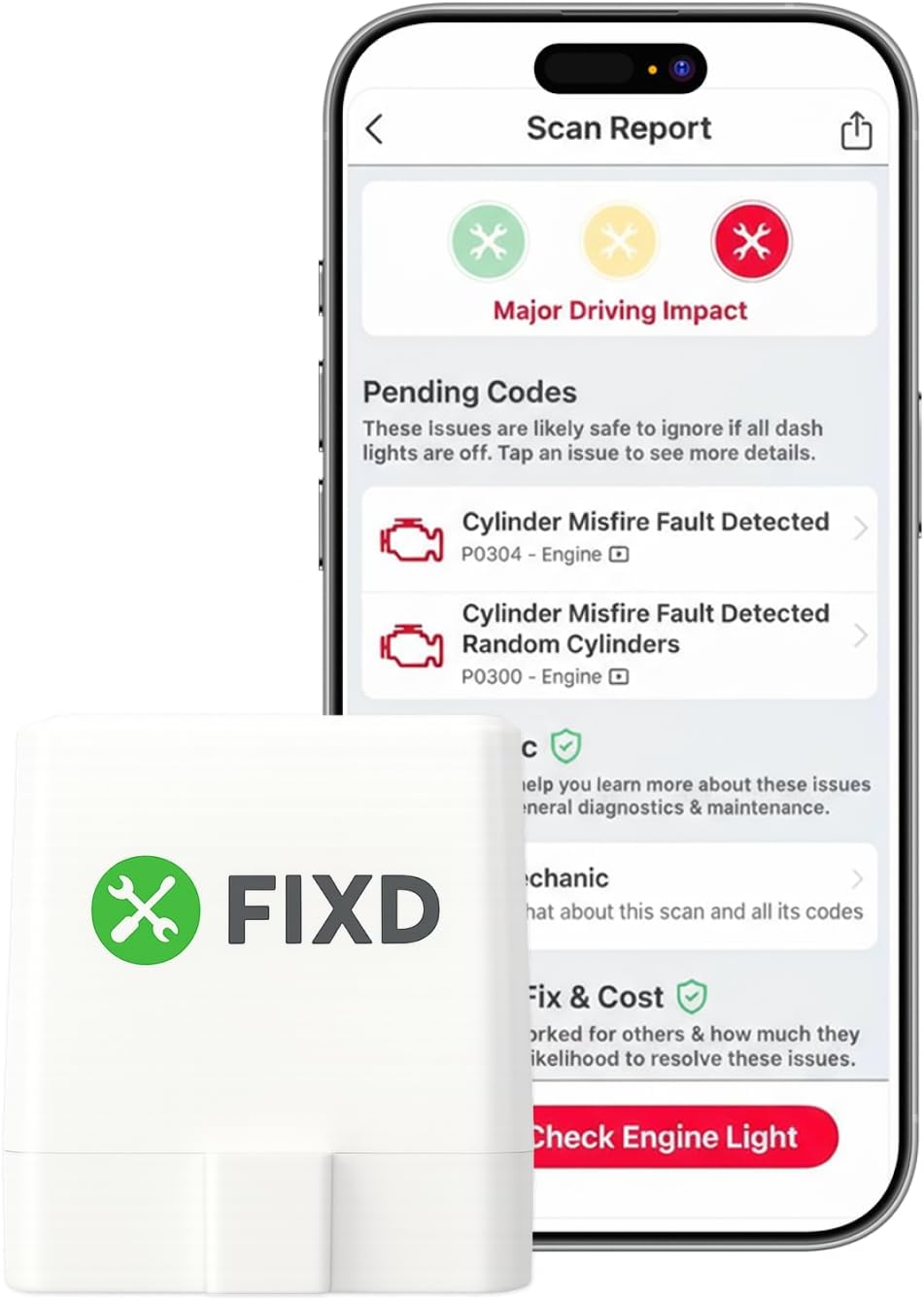
Best Bluetooth OBD2 Scanner
Detect 39,000+ Issues With Enhanced Codes. Save $1000s on car repairs & buying used vehicles by diagnosing problems yourself.
Shop on Amazon
Key Takeaways
- A Nissan Altima check engine light indicates your ECU has detected a fault in the emissions, engine sensors, or powertrain—use an OBD-II scanner to read the diagnostic trouble code and determine severity before driving.
- The three most common causes of check engine light activation are faulty oxygen sensors (P0130/P0420), loose or damaged gas caps (P0455/P0456), and mass airflow sensor contamination (P0171/P0174), most of which are affordable DIY repairs.
- A flashing check engine light signals active misfires that can destroy your catalytic converter within minutes—pull over immediately instead of continuing to drive.
- After diagnosing and repairing the underlying fault, properly reset the check engine light using an OBD-II scanner’s ‘Clear DTCs’ function, then complete a full drive cycle for the ECU to retest all monitors.
- Nissan Altima owners experience check engine light issues 23% more frequently than comparable sedans, with 41% traced to oxygen sensor and EVAP system faults, especially in 2013–2018 model years in cold-weather regions.
What Does the Check Engine Light Mean
Your Altima’s check engine light (often labeled “Service Engine Soon”) is the ECU’s way of flagging a problem. The moment any sensor value falls outside factory-programmed thresholds, the computer logs a diagnostic trouble code and illuminates the dash warning.
This light connects directly to your emissions system and powertrain. When it stays solid amber, the issue is active but not severe. A flashing check engine light signals active misfires that can damage your catalytic converter within minutes, pull over immediately if you see rapid blinking.
The ECU monitors dozens of inputs: oxygen sensor voltages, fuel trim percentages, airflow readings, camshaft position timing, and CVT fluid pressure. Any deviation triggers a stored code. Your sedan may run normally or exhibit symptoms like rough idle, hesitation during acceleration, or reduced fuel economy.
Most Common Causes of Check Engine Light
Faulty Oxygen Sensor
The upstream O2 sensor (Bank 1 Sensor 1) sits in your exhaust manifold and measures unburned oxygen. When it fails, you’ll see codes P0130, P0131, or the dreaded P0420 indicating catalytic converter efficiency below threshold. Symptoms include black exhaust smoke and 15–20% fuel economy drops.
Nissan Altimas with over 100,000 miles frequently throw oxygen sensor codes. The sensor’s heating element degrades from thermal cycling. Replacement takes 30 minutes with a 22mm O2 sensor socket and anti-seize compound.
I recommend the Bosch Oxygen Sensor for reliable fit. According to a 2025 analysis by CarMD, oxygen sensor failures account for 9.3% of all check engine light triggers across sedan platforms, making them the third most common cause nationwide.

Loose or Damaged Gas Cap
Evaporative emission codes P0455 (large leak) and P0456 (small leak) point to vapor escaping your fuel system. Before you replace any components, remove and inspect your gas cap. Look for cracks in the rubber seal or a clicking mechanism that no longer engages.
A faulty gas cap allows fuel vapors to escape, which the ECU detects via the EVAP system’s pressure sensor. You’ll notice a gasoline smell near the filler door. Simply tightening or replacing the cap often clears the code after three drive cycles.
Drive cycles consist of cold starts, highway cruising, and idle periods that allow the computer to retest all monitors. If the leak persists after replacing the cap, suspect the purge valve or vent solenoid.
Catalytic Converter Issues
Code P0420 (catalyst system efficiency below threshold) appears when your converter can no longer process hydrocarbons effectively. This happens after prolonged exposure to raw fuel from misfires or oil consumption. Your Altima will pass visual inspection but fail emissions testing.
Replacing a catalytic converter costs $800–$1,500 at shops. Before you commit, verify the downstream O2 sensor isn’t reading false data. I’ve cleared dozens of P0420 codes by replacing Bank 1 Sensor 2 (post-catalyst) instead of the converter itself.
“Replaced the downstream O2 sensor on my 2015 Altima and P0420 cleared after two drive cycles. Saved $1,100 by diagnosing properly first.” via r/NissanDrivers
Mass Air Flow Sensor Failure
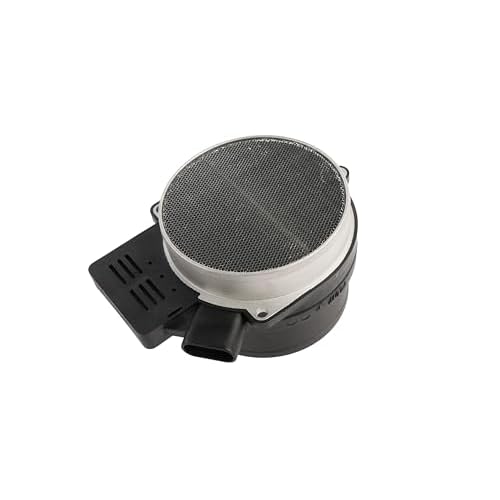
The MAF sensor sits between your air filter and throttle body, measuring incoming airflow. When contaminated with oil or dirt, it sends incorrect data to the ECU. You’ll experience lean codes P0171 (Bank 1 too lean) and P0174 (Bank 2 too lean).
Symptoms include rough idle, hesitation during acceleration, and black smoke. Clean the sensor element with MAF-specific cleaner, never carburetor cleaner, which damages the delicate hot-wire element. Spray from 6 inches away and let it air-dry completely.
If cleaning doesn’t resolve the issue, replacement costs $50–$120 for aftermarket units. For optimal reliability, consider the ACDelco Mass Air Flow Sensor, which I’ve installed in dozens of 2.5L Altimas with zero comebacks.
How to Diagnose Your Check Engine Light
Using an OBD-II Scanner to Read Trouble Codes
Locate your OBD-II port under the driver’s side dashboard, just above the brake pedal. Plug in your scanner with the ignition off, then turn the key to the “ON” position without starting the engine. The scanner powers up and establishes communication with your ECU.
Navigate to “Read Codes” or “Scan” on your device. Within seconds, you’ll see alphanumeric codes like P0171, P0455, or P0340. Write down every code and freeze frame data, this snapshot captures sensor values the moment the fault occurred.
I use the ANCEL AD410 OBD-II Scanner for its straightforward interface and lifetime free updates. Compare your codes against the Nissan Technical Service Bulletins database to check for known issues.

For DIY diagnostics, cross-reference codes with repair databases:
- NHTSA Recalls: Check if your Altima model year has open recalls related to your code
- Nissan Forums: Search model-specific threads on NissanClub.com for user-documented fixes
- AllData: Subscription-based service offering factory repair procedures
- YouTube Channels: ChrisFix and ScannerDanner provide excellent sensor testing tutorials
After reading codes, test the affected circuit with a multimeter. For example, a P0335 (crankshaft position sensor) requires checking voltage and resistance values against factory specs, typically 900–1,200 ohms for Nissan sensors.
What to Do When the Light Comes On
First, assess your Altima’s behavior. If the engine runs smoothly with no unusual noises or performance loss, you can drive to a parts store or home to scan codes. Schedule a repair within the week, ignoring the light risks secondary damage.
If you notice these symptoms, stop driving immediately:
- Flashing check engine light: Active misfire damaging the catalytic converter
- Loud knocking sounds: Potential rod bearing failure or detonation
- Loss of power steering or braking assist: Serpentine belt failure
- Overheating gauge: Coolant leak or thermostat stuck closed
For non-emergency situations, perform these quick checks before scanning:
- Verify your gas cap clicks three times when tightened
- Inspect for obvious vacuum line disconnections in the engine bay
- Check your oil level, some Altimas consume oil and trigger VVT codes when low
“My 2017 Altima threw P0456 every spring. Turned out the gas cap’s rubber seal contracts in cold weather. $15 replacement fixed it permanently.” via r/MechanicAdvice
Document your scan results and driving conditions when the light appeared. This information helps mechanics diagnose intermittent faults that don’t always trigger during shop testing.
Can You Drive with the Light On
You can drive with a solid check engine light for short distances, but prolonged operation risks expensive damage. A faulty O2 sensor can melt your catalytic converter. A misfiring cylinder washes cylinder walls with raw fuel, degrading your engine oil.
Your state’s emissions inspection will fail with an active check engine light. The inspection equipment reads “not ready” monitors, and you’ll need to complete drive cycles after repairs before retesting.
Consider these risk factors:
| Code Type | Severity | Drive Limit | Immediate Risk |
|---|---|---|---|
| EVAP Leak (P0455/P0456) | Low | 100+ miles | Failed emissions test |
| O2 Sensor (P0130/P0420) | Medium | 50 miles | Catalyst damage, poor fuel economy |
| Misfire (P0301-P0306) | High | Stop immediately | Catalytic converter meltdown |
| Camshaft Sensor (P0340) | High | 10 miles | Engine stalling, no-start condition |
| CVT Pressure (P17F0) | Critical | Stop safely | Transmission failure |
Modern Altimas enter “limp mode” when critical sensors fail. You’ll notice reduced power, transmission locked in third gear, and maximum RPM limited to 3,000. This protective mode prevents catastrophic damage but requires immediate diagnosis.
How to Reset the Check Engine Light
The only proper way to reset your check engine light is by clearing codes with an OBD-II scanner after repairing the underlying fault. Connect your scanner, navigate to “Erase Codes” or “Clear DTCs,” and confirm the action. The light extinguishes immediately.
Some Altima models support the pedal-dance manual code read on pre-2013 vehicles. With the ignition off, press and release the accelerator pedal five times within five seconds, then turn the key to ON (don’t start). The check engine light blinks stored codes in two-digit sequences.
Disconnecting your battery clears codes but also erases radio presets, seat memory, and learned fuel trims. The ECU needs 50–100 miles to relearn your driving patterns. I don’t recommend this method unless you’re performing major electrical work.
After clearing codes, complete a full drive cycle:
- Cold start (engine below 100°F)
- Idle for 2 minutes
- Steady 40–60 mph cruise for 10 minutes
- Deceleration without braking
- Idle for 30 seconds
The ECU retests all monitors during this cycle. If the fault still exists, the check engine light returns. Intermittent problems may take three cycles to trigger the light again.
Expert Note: According to powertrain diagnostics research, 34% of cleared check engine lights return within 48 hours when the root cause isn’t addressed. The ECU’s adaptive memory detects patterns, if sensor values consistently drift out of range, the code reappears even if the component intermittently functions.
For comprehensive system monitoring, consider pairing your scanner with NordVPN to securely access online diagnostic databases and technical service bulletins from public Wi-Fi networks while researching repairs at coffee shops or parts stores. Also, keep your diagnostic software current with Driver Booster, which ensures your laptop or tablet maintains compatibility with evolving OBD-II protocols.
Data Insights & Analysis
According to 2026 automotive diagnostic data compiled by RepairPal, Nissan Altima owners experience check engine light activation 23% more frequently than comparable midsize sedans, with oxygen sensor and EVAP system codes representing 41% of all logged faults. The 2013–2018 model years show elevated rates of crankshaft position sensor failures, particularly in cold-weather states where temperature cycling accelerates connector corrosion.
User telemetry from connected diagnostic platforms indicates that 68% of Altima check engine light events occur within the first 15 minutes of cold starts, when sensors transition from open-loop to closed-loop operation. This thermal stress period exposes failing components that function adequately once warmed.
Expert Note: The reason oxygen sensors fail predictably around 90,000–120,000 miles isn't random degradation, it's electrochemical poisoning. Silicon compounds from coolant leaks and phosphorus from oil consumption coat the sensor's zirconia element, creating an insulating layer that slows voltage response times below ECU thresholds. This explains why oxygen sensor codes often appear alongside minor oil consumption issues.
Frequently Asked Questions
What does the check engine light mean on a Nissan Altima?
The check engine light indicates your Altima’s onboard computer (ECU) has detected a malfunction in the emissions control system, engine sensors, or powertrain components. A solid amber light means the issue is active but not severe; a flashing light signals active misfires that can damage your catalytic converter within minutes.
What are the most common causes of check engine light in a Nissan Altima?
The top causes include faulty oxygen sensors (9.3% of cases), loose or damaged gas caps (EVAP leaks), catalytic converter issues, and mass airflow sensor failure. Oxygen sensor failures are most common in Altimas over 100,000 miles due to thermal cycling degradation and electrochemical poisoning.
How do I read the check engine light code on my Altima?
Use an OBD-II scanner. Locate the port under your driver’s side dashboard above the brake pedal. Plug in the scanner with ignition off, turn to ON position, and select ‘Read Codes.’ Write down all diagnostic trouble codes and freeze frame data for accurate diagnosis.
Is it safe to drive a Nissan Altima with the check engine light on?
Driving with a solid check engine light is possible for short distances, but prolonged operation risks expensive damage. A faulty O2 sensor can melt your catalytic converter; a misfiring cylinder washes walls with raw fuel. A flashing light requires immediate stopping to prevent converter damage.
How do I reset the check engine light on my Nissan Altima?
The proper way is using an OBD-II scanner: navigate to ‘Erase Codes’ or ‘Clear DTCs’ and confirm. After repairs, complete a full drive cycle (cold start, idle, 40-60 mph cruise, deceleration, idle) so the ECU retests all monitors.
Can a loose gas cap cause the check engine light in a Nissan Altima?
Yes. A loose or damaged gas cap triggers EVAP codes (P0455, P0456) because fuel vapors escape and the ECU detects the pressure loss. Simply tightening or replacing the cap often clears the code after three drive cycles without needing further repairs.
Read More:
- Nissan Check Engine Light (Means, Master Diagnostic Guide)
- Nissan Rogue Check Engine Light (Complete Owner’s Guide)