
You’re driving your family in your Nissan Pathfinder when suddenly the check engine light glows on your dashboard. That amber warning can trigger immediate worry, especially when paired with rough idling or reduced power.
The Nissan Pathfinder check engine light activates when your onboard diagnostic (OBD-II) system detects a fault in the engine, transmission, or emissions control systems. Common triggers include oxygen sensor degradation, CVT transmission codes, mass airflow sensor contamination, EVAP system leaks (often a loose gas cap), or cylinder misfires. While some causes are minor fixes, a flashing check engine light demands immediate attention to prevent catalytic converter damage.
This guide walks you through diagnosing OBD2 codes, understanding common Pathfinder-specific faults, and deciding when to DIY versus when to visit your service center. You’ll also learn safe driving protocols and reset procedures to keep your SUV reliable.
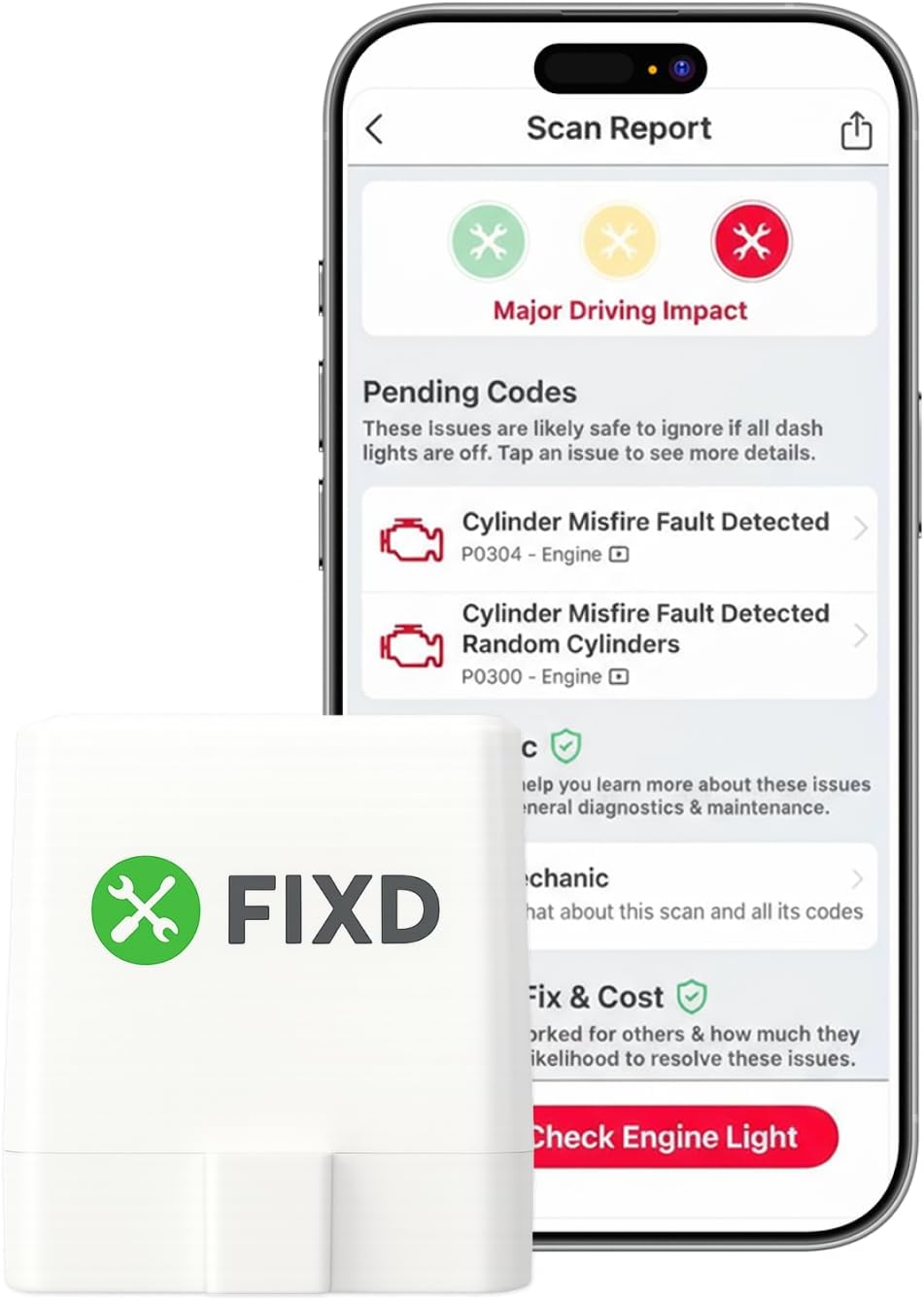
Best Bluetooth OBD2 Scanner
Detect 39,000+ Issues With Enhanced Codes. Save $1000s on car repairs & buying used vehicles by diagnosing problems yourself.
Shop on Amazon
Key Takeaways
- A steady Nissan Pathfinder check engine light indicates a stored fault requiring diagnosis, while a flashing light signals active misfires that demand immediate service to prevent costly catalytic converter damage.
- Common triggers for the check engine light include oxygen sensor failure, loose gas caps, CVT transmission codes, mass airflow sensor contamination, and spark plug issues—many diagnosable and fixable at home or with professional help.
- Use an OBD2 code reader to retrieve diagnostic trouble codes within 24 hours of the light appearing; a simple scan can differentiate between minor fixes like gas cap replacement ($15) and major repairs like catalytic converter replacement ($1,000–$1,800).
- Avoid clearing the check engine light without addressing the root cause, as the fault will return within a few drive cycles and may result in emissions test failures or compounding damage.
- Maintain your Nissan Pathfinder proactively by replacing spark plugs every 60,000 miles, servicing CVT fluid every 30,000 miles, and using quality air filters to prevent most check engine light triggers from occurring.
What the Light Means
Your Pathfinder’s check engine light serves as the primary alert from your powertrain control module (PCM). When sensors detect values outside normal operating parameters, fuel trim ratios, ignition timing, airflow readings, or transmission shift pressures, the system logs a diagnostic trouble code (DTC) and illuminates the warning.
The light operates in two modes: steady and flashing. A steady amber light indicates a stored fault that needs diagnosis but doesn’t pose immediate danger. A flashing light signals active misfires that dump unburned fuel into the exhaust system, risking expensive catalytic converter meltdown. If your light flashes while the engine shakes at idle, reduce throttle immediately and schedule service.
Nissan Pathfinders built between 2013–2023 share the same CVT transmission architecture, making them particularly sensitive to transmission control module (TCM) codes. When the PCM communicates with the TCM and detects slipping, overheating, or pressure solenoid faults, you might enter limp home mode, a protective state limiting speed to 35 mph. This isn’t engine failure: it’s your Pathfinder safeguarding itself from further damage.
Common Trigger Causes
Oxygen Sensor Failure
Your Pathfinder uses upstream and downstream oxygen sensors to monitor exhaust gas composition. These sensors typically fail between 80,000–120,000 miles due to carbon buildup and thermal cycling. When an O2 sensor degrades, your PCM can’t adjust the air-fuel mixture properly, reducing fuel economy by 15–20% and triggering codes P0130, P0135, P0150, or P0155.
You’ll notice sluggish acceleration and black exhaust smoke during hard pulls. The rear oxygen sensors (post-catalytic converter) monitor catalyst efficiency. If they report similar readings to the front sensors, the PCM flags P0420 or P0430, warning that your catalytic converter isn’t scrubbing emissions effectively. Replace failed O2 sensors promptly to avoid premature catalytic converter wear.
“My 2015 Pathfinder threw P0420 at 95k miles. Replaced both downstream O2 sensors and cleared the code, ran fine for another 30k miles before the cat actually needed replacement.” via PathfinderTalk Forums
Loose or Faulty Gas Cap
The simplest trigger is often overlooked. Your EVAP system maintains a sealed fuel tank to prevent vapor leaks. A loose, cracked, or missing gas cap allows vapors to escape, triggering P0455 (large EVAP leak) or P0457 (loose gas cap detected). After refueling, always turn the cap until you hear three clicks.
If your check engine light appears within 24 hours of filling up, inspect the cap’s rubber seal for cracks or debris. A replacement OBD-compliant gas cap costs under $15 at any auto parts store. Tighten or replace it, then drive through two complete drive cycles (cold start, highway cruise, city driving) to let the monitor reset.
Catalytic Converter Issues
Catalytic converters fail when upstream problems aren’t addressed. Continued driving with misfires or rich fuel conditions melts the ceramic honeycomb inside, restricting exhaust flow. You’ll feel power loss on hills and hear a rattling sound from underneath during acceleration. Efficiency codes (P0420/P0430) appear first: physical blockage triggers P0430 with severe backpressure.
Pathfinders equipped with the 3.5L V6 have two catalytic converters integrated into the exhaust manifolds. These assemblies run hot and are expensive to replace, another reason to fix oxygen sensor and misfire issues immediately.
Mass Airflow Sensor Problems
The mass airflow (MAF) sensor sits between your air filter and throttle body, measuring incoming air volume. Contamination from oil residue (especially if you use over-oiled aftermarket air filters) or dust particles disrupts the hot-wire element, causing P0101, P0102, or P0103 codes. Your Pathfinder will stumble during acceleration and idle roughly.
Cleaning the MAF with specialized electronics cleaner often restores function. Remove the sensor, spray the thin wire elements (never touch them), let dry, and reinstall. If cleaning doesn’t work, replacement sensors are available. Always use OEM or quality aftermarket parts to avoid recalibration issues.
Reading Your Codes
You’ll need an OBD2 code reader to retrieve stored fault codes. The diagnostic port sits under your dashboard on the driver’s side, near the steering column. Turn the ignition to ON (don’t start the engine), plug in the scanner, and power it on. Select “Read Codes” or “Scan” depending on your tool.
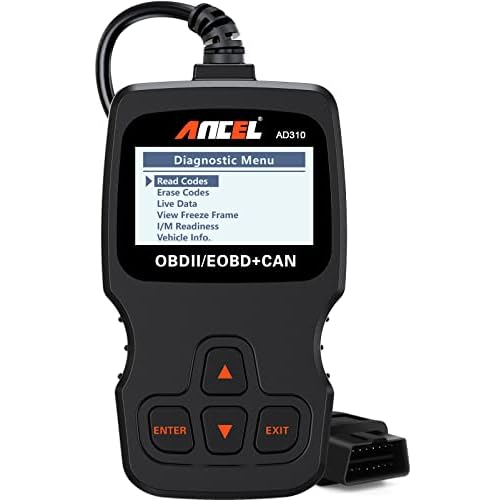
Basic code readers display five-character codes (P0300, P0171, etc.). Write them down before clearing. Advanced scanners like the ANCEL AD310 OBD2 Scanner show live sensor data, throttle position, oxygen sensor voltage, fuel trim percentages, helping you pinpoint intermittent faults.
P-codes follow a pattern: P0xxx are generic powertrain codes shared across manufacturers, while P1xxx are manufacturer-specific. Common Pathfinder codes include:
- P0300: Random cylinder misfire (worn spark plugs or ignition coils)
- P0171/P0174: System too lean (vacuum leak or MAF contamination)
- P0420/P0430: Catalyst efficiency below threshold
- P0705: Transmission range sensor circuit malfunction (CVT-related)
- P0777: Pressure control solenoid B stuck on (limp mode trigger)
Cross-reference codes with Nissan service bulletins or verified automotive databases before ordering parts.
Immediate Action Steps
When the light first appears, don’t panic but do respond methodically. If the light is steady and the vehicle drives normally, you have time to diagnose. Check your gas cap first, tighten it and see if the light clears after 20–30 miles of mixed driving.
Scan the codes within 24 hours. Postponing diagnosis risks compounding damage. A simple misfire left unaddressed can destroy catalytic converters worth $1,200+. If you don’t own a scanner, most auto parts stores offer free code reading in their parking lot.
Document any performance changes: rough idle, delayed shifts, reduced power, or unusual sounds. These observations help technicians isolate intermittent faults. If you’re comfortable with basic repairs, spark plug replacement, MAF cleaning, gas cap swaps, tackle those first. For CVT codes, throttle body failures, or persistent misfires, schedule professional diagnosis.
Avoid “clearing the code and hoping it doesn’t return.” That approach wastes drive cycles and can cause emissions test failures. Address the root cause before resetting.
Safe Driving Protocols
A steady check engine light allows continued driving, but monitor your dashboard for additional warnings, temperature gauge climbing, transmission overheat alerts, or limp mode activation. If multiple lights illuminate simultaneously, pull over safely and call for a tow.
“Drove my 2017 Pathfinder for three weeks with the check engine light on (P0455 loose gas cap). No issues except failing the emissions test. Fixed the cap, cleared the code, passed inspection on the retry.” via r/NissanPathfinder
Never ignore a flashing light. This indicates active misfires that raise exhaust temperatures to dangerous levels. Reduce speed, avoid hard acceleration, and drive directly to a service center. Continued operation risks melting your catalytic converter’s ceramic substrate, turning a $150 ignition coil repair into a $2,000+ exhaust system overhaul.
If you enter limp home mode, the PCM limits engine RPM and disables higher gear ratios. You can drive short distances at low speeds to reach safety, but don’t attempt highway travel. Limp mode often accompanies CVT overheating or pressure control faults, conditions that worsen with prolonged operation.
Light Reset Procedures
After completing repairs, you can clear the check engine light using your OBD2 scanner. Select “Clear Codes” or “Erase DTCs,” confirm the action, and wait for the “Success” message. The light should extinguish immediately when you cycle the ignition.
Alternatively, disconnect your battery’s negative terminal for 15 minutes. This hard reset clears stored codes and learned adaptations, forcing the PCM to relearn idle, shift points, and fuel trims. You’ll notice slightly rough running for 20–30 miles while the system recalibrates.
Some Pathfinder owners prefer using the pedal dance method: turn ignition ON-OFF five times within 10 seconds, ending in ON position. Wait seven seconds, then fully depress and release the accelerator pedal three times. The check engine light should flash, indicating the reset sequence initialized. This method works on 2005–2012 models but isn’t guaranteed on newer OBD-II systems.
Remember that clearing codes doesn’t fix underlying problems. If the fault persists, the light returns within a few drive cycles. Only reset after confirming repairs resolved the issue.
Repair Costs Breakdown
Understanding typical repair expenses helps you budget and negotiate. Independent shops generally charge 30–40% less than dealerships for the same repairs:
| Repair Type | Parts | Labor | Total (Approx) |
|---|---|---|---|
| Oxygen sensor replacement | $50–$150 | $75–$125 | $125–$275 |
| Gas cap replacement | $12–$25 | DIY | $12–$25 |
| MAF sensor cleaning/replacement | $0/$120–$180 | $0/$50–$90 | $0–$270 |
| Spark plugs + ignition coils (V6) | $180–$320 | $150–$250 | $330–$570 |
| Catalytic converter (each) | $800–$1,400 | $200–$400 | $1,000–$1,800 |
| CVT fluid service | $35–$60 | $100–$150 | $135–$210 |
Dealerships excel at CVT diagnosis because they access Nissan’s proprietary Consult III scan tool, which reads transmission fluid temperature, clutch engagement data, and solenoid command vs. actual pressures. For CVT-specific codes (P0777, P0705, P17F0), dealership diagnosis often prevents misdiagnosis.
Some repairs qualify for extended warranty coverage. Nissan issued service campaign PC435 for 2013–2016 Pathfinders with CVT judder and overheating concerns. Check your VIN against open campaigns at Nissan’s recall lookup page.
Prevention Best Practices
Proactive maintenance prevents most check engine light triggers. Follow these strategies:
- Replace spark plugs every 60,000 miles: Nissan’s iridium plugs last longer than conventional copper, but don’t push beyond 100,000 miles. Worn plugs cause misfires that damage ignition coils and catalytic converters.
- Service your CVT fluid every 30,000 miles: Even though Nissan’s “lifetime fluid” claims, Pathfinder owners report longer transmission life with regular fluid exchanges using NS-3 specification fluid.
- Install quality air filters: Cheap filters disintegrate, sending debris into your MAF sensor. Use OEM or premium filters, and never over-oil reusable types.
- Address small issues immediately: A $15 gas cap today prevents a $200 EVAP system smoke test later.
Monitor your fuel economy through your trip computer. A sudden 10–15% drop often precedes check engine light activation, signaling degraded oxygen sensors or fuel system issues. Nissan’s Intelligent Key system logs short trip patterns: frequent cold starts increase carbon buildup on intake valves and sensors.
Consider adding a BlueDriver Bluetooth OBD2 Scanner to your glove box. Its smartphone app interprets codes, shows live data, and tracks trends over time, invaluable for catching intermittent faults before they strand you.

Frequently Asked Questions
What causes the check engine light to come on in a Nissan Pathfinder?
The check engine light activates when the onboard diagnostic (OBD-II) system detects faults in the engine, transmission, or emissions control systems. Common causes include oxygen sensor degradation, CVT transmission codes, mass airflow sensor contamination, EVAP system leaks (often a loose gas cap), or cylinder misfires.
Is a flashing check engine light different from a steady light on my Pathfinder?
Yes. A steady amber light indicates a stored fault requiring diagnosis but no immediate danger. A flashing light signals active misfires dumping unburned fuel into the exhaust, risking expensive catalytic converter damage. If your light flashes, reduce speed immediately and schedule professional service.
Can a loose gas cap trigger the check engine light?
Yes, a loose, cracked, or missing gas cap is a common EVAP system trigger, causing codes P0455 or P0457. After refueling, turn the cap until you hear three clicks. If the light appears within 24 hours of filling up, inspect the seal for cracks and replace if needed—a new cap costs under $15.
What is limp mode and why does it happen in Nissan Pathfinders?
Limp mode is a protective state where the PCM limits engine RPM and disables higher gear ratios, restricting speed to 35 mph. It activates with CVT transmission slipping, overheating, or pressure solenoid faults. You can drive short distances at low speeds to reach safety, but avoid highway travel.
How often should I service the CVT fluid in my Nissan Pathfinder to prevent check engine light issues?
Although Nissan claims ‘lifetime fluid,’ Pathfinder owners report longer transmission life with CVT fluid service every 30,000 miles using NS-3 specification fluid. Regular maintenance helps prevent CVT-related codes like P0777 and P0705 that trigger check engine light warnings.
What should I do if the check engine light turns on while driving?
First, check your gas cap and tighten it if loose. Then scan the codes within 24 hours using an OBD2 scanner—most auto parts stores offer free code reading. Document any performance changes like rough idle or reduced power. If the light flashes, reduce speed immediately and seek professional service to prevent catalytic converter damage.
Read More:
- Nissan Check Engine Light (Means, Master Diagnostic Guide)
- Nissan Rogue Check Engine Light (Complete Owner’s Guide)
- Nissan Altima Check Engine Light (Step-by-Step Diagnostic Guide)
- Nissan Versa Check Engine Light (Complete Diagnostic Guide)
- Nissan Frontier Check Engine Light (Complete Fix Guide)