
That amber warning glowing on your dashboard after you’ve fixed the issue? It’s frustrating. You replaced the sensor, tightened the gas cap, but the light refuses to turn off.
A Nissan check engine light reset involves clearing stored diagnostic trouble codes (DTCs) from the vehicle’s engine control unit (ECU) using an OBD-II scanner, disconnecting the battery for 15 minutes, or allowing the system to complete a drive cycle after the underlying issue has been repaired, which typically takes 50–100 miles of varied driving conditions to clear emissions readiness monitors automatically.
The key is understanding why the light is on before you clear it. Resetting without fixing the root cause just restarts the diagnostic cycle and wastes your time. Let’s walk through the legitimate methods that actually work.
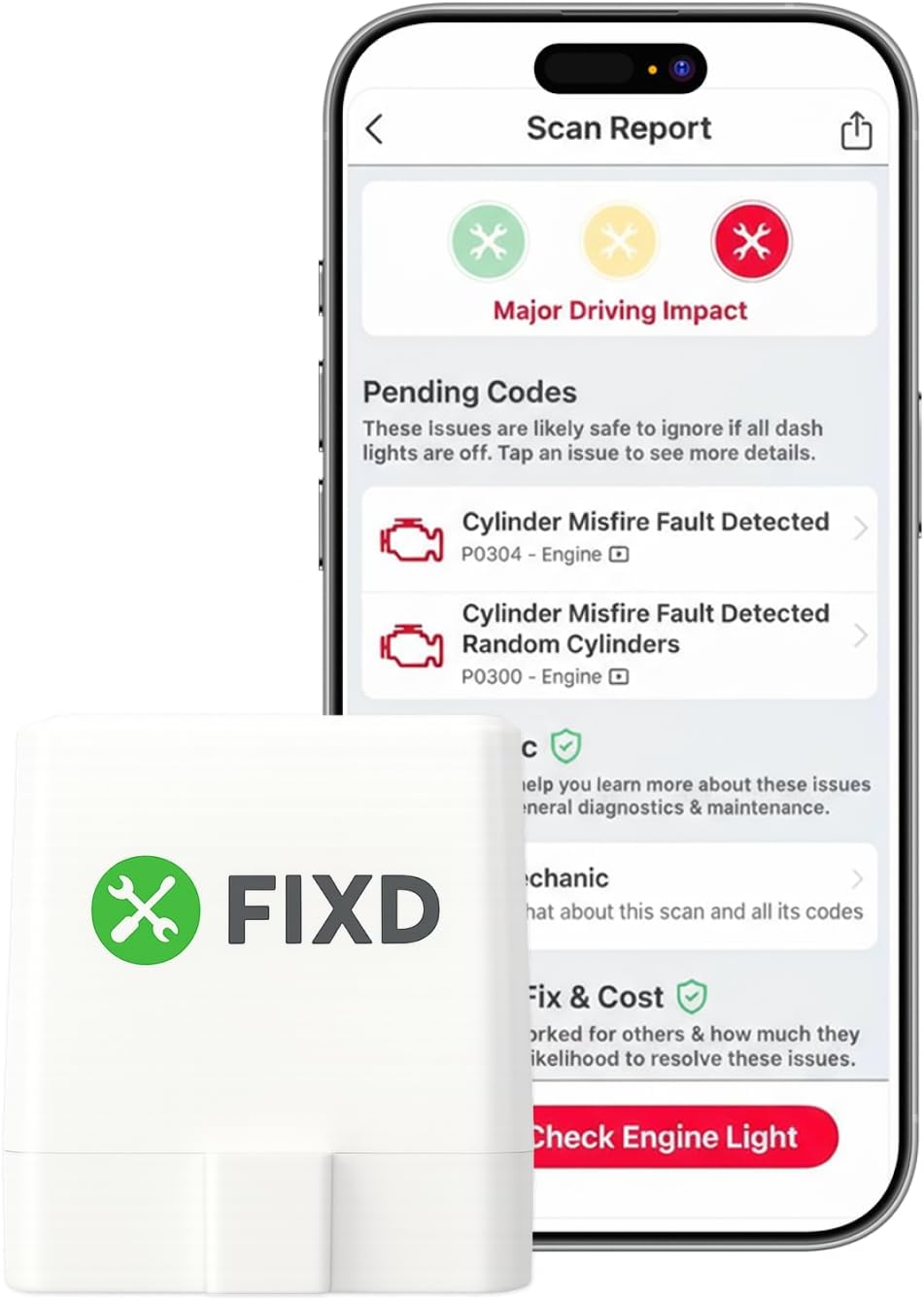
Best Bluetooth OBD2 Scanner
Detect 39,000+ Issues With Enhanced Codes. Save $1000s on car repairs & buying used vehicles by diagnosing problems yourself.
Shop on Amazon
Key Takeaways
- A Nissan check engine light reset requires diagnosing the root cause first—oxygen sensor failure, loose gas cap, or catalytic converter issues—before clearing codes to avoid repeating the same problem.
- Use an OBD-II scanner to read diagnostic trouble codes (DTCs) from your Nissan’s ECU, then clear them instantly; alternatively, disconnect the battery for 15 minutes or complete a natural 50–100 mile drive cycle for automatic reset.
- A solid amber check engine light indicates a non-critical issue that allows driving, but a flashing light signals severe misfire and demands immediate attention to prevent catalytic converter damage.
- After resetting your Nissan check engine light, drive 50–100 miles of mixed city and highway conditions to ensure all emissions readiness monitors return to ‘Ready’ status before inspection.
- If the check engine light returns shortly after reset, the underlying problem wasn’t fully resolved; re-scan codes to confirm whether the original fault persists or a new issue has emerged.
What Does the Nissan Check Engine Light Mean?
Your Nissan’s check engine light, officially called the Malfunction Indicator Lamp (MIL), activates when the onboard diagnostic system detects a problem affecting emissions, engine performance, or drivetrain components. The ECU continuously monitors dozens of sensors and systems. When readings fall outside normal parameters, it logs a DTC and illuminates the dash warning.
A solid amber light indicates a non-critical issue. Your Nissan is drivable, but you should diagnose it soon. A flashing check engine light signals a severe misfire that can damage your catalytic converter. Pull over immediately if it flashes.
The light serves two purposes: it alerts you to malfunctions and it prevents your vehicle from passing state emissions inspections. Even after you repair the problem, the light stays on until you reset the ECU or the system completes its self-test drive cycle. Understanding this distinction saves you from unnecessary trips to the mechanic.
Common Reasons Your Nissan Check Engine Light Turns On
Oxygen Sensor Failures and Emissions Issues
Oxygen sensors measure the air-fuel mixture in your exhaust stream. Nissan vehicles typically have two to four O2 sensors, upstream (before the catalytic converter) and downstream (after). When these sensors fail or read incorrectly, your ECU can’t adjust fuel delivery properly. This triggers codes like P0420 (catalyst efficiency) or P0171 (system too lean).
Failed oxygen sensors reduce fuel economy by up to 40% and increase emissions. They’re common on Nissans with over 80,000 miles. Replacing a bad sensor costs $150–$300 at most shops, but ignoring it damages your catalytic converter, a $1,200+ repair.
Loose or Faulty Gas Cap
A loose, cracked, or missing gas cap allows fuel vapors to escape from your Evaporative Emission Control (EVAP) system. This triggers code P0457 (EVAP leak detected). It’s the easiest fix: tighten the cap until you hear three clicks or replace it if the rubber seal is cracked.
According to Nissan’s owner manual guidelines, 15–20% of check engine light activations stem from gas cap issues. After tightening or replacing the cap, you still need to reset the light or drive 50–100 miles for the system to clear the code automatically.
Catalytic Converter Problems
The catalytic converter reduces harmful exhaust emissions. When it fails, code P0420 or P0430 appears. Common causes include overheating from misfires, oil contamination, or simply age. Nissans with 100,000+ miles often face this issue.
Replacing a catalytic converter is expensive, $900 to $2,500 depending on the model. Verify the code with an OBD-II scanner before authorizing the repair. Sometimes upstream oxygen sensor failures mimic cat codes, leading to misdiagnosis.
How to Read Nissan Check Engine Light Codes Before Resetting
Never reset the check engine light without reading the codes first. You need to know what the ECU detected. An OBD-II scanner plugs into the diagnostic port under your dashboard (usually near the driver’s knee panel) and retrieves stored DTCs in seconds.
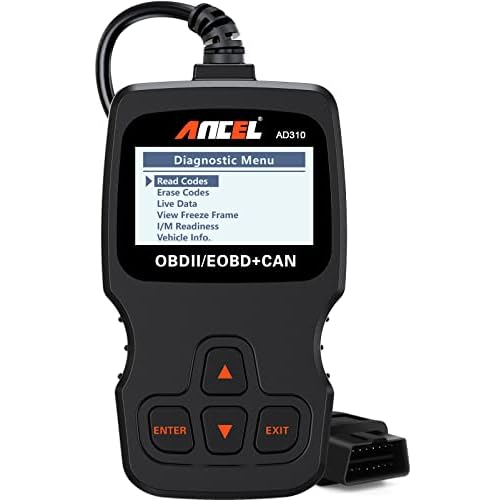
I recommend the ANCEL AD310 OBD-II Scanner, a budget-friendly tool that reads and clears codes on all 1996+ Nissans. Plug it in, turn the ignition to ON (don’t start the engine), and press “Read.” The scanner displays codes like P0171, P0420, or P0457. Write them down.
Cross-reference codes using OBD-Codes.com or Nissan’s technical service bulletins. Some codes point to minor glitches: others indicate serious engine damage. If you see multiple misfires (P0300–P0308) or transmission codes (P0700+), don’t reset, drive to a mechanic.
“I cleared my 2019 Altima’s P0457 after replacing the gas cap. Took about 60 miles of mixed driving for all monitors to reset before inspection.” via r/NissanDrivers
Checking codes takes five minutes but prevents repeat repairs and failed emissions tests.
3 Proven Methods to Reset Your Nissan Check Engine Light
Method 1: Using an OBD-II Scanner (Recommended)
This is the safest, fastest method. After confirming you’ve fixed the underlying problem, plug your OBD-II scanner into the diagnostic port. Turn the ignition to ON. Select “Erase Codes” or “Clear DTCs” on the scanner menu. The check engine light should turn off immediately.
The scanner also resets your vehicle’s emissions readiness monitors to “Not Ready.” You’ll need to complete a drive cycle, 50 to 100 miles of city and highway driving, before all monitors show “Ready” for inspection. Most scanners display monitor status so you know when it’s safe to visit the emissions station.
Pro tip: Keep the scanner in your glovebox. Portable models like the BlueDriver Bluetooth OBD-II Scanner pair with your smartphone and provide real-time data, freeze frame snapshots, and repair cost estimates.

Method 2: Disconnecting the Battery
If you don’t own a scanner, disconnecting the negative battery terminal clears the ECU’s memory. Turn off the engine. Pop the hood. Use a 10mm wrench to loosen the negative (-) terminal clamp. Remove the cable and wait 15 minutes. This drains residual power and resets the computer.
Reconnect the cable, tighten the clamp, and start the engine. The check engine light should be off. But, this method also erases your radio presets, clock settings, and learned idle/fuel trim values. Your Nissan may idle rough for the first few drive cycles while the ECU relearns.
Warning: Disconnecting the battery on newer Nissans (2015+) can trigger anti-theft systems or disable power windows until you complete a relearn procedure. Check your owner’s manual first.
Method 3: Letting the Light Reset Naturally
After repairing the issue, drive your Nissan normally. The ECU runs continuous self-tests. If it detects no faults for three consecutive drive cycles (typically 50–100 miles), the check engine light turns off automatically and the DTC moves to “pending” or “history” status.
This method requires patience but preserves learned engine parameters. It’s ideal if you’re not in a hurry for inspection. Monitor the light. If it stays on past 100 miles, the original problem wasn’t fully resolved or a new issue emerged.
Here’s a quick comparison:
| Method | Time to Complete | Pros | Cons |
|---|---|---|---|
| OBD-II Scanner | 2 minutes | Instant reset, monitor status visible | Requires $20–$100 tool |
| Battery Disconnect | 20 minutes | No tools needed | Erases radio/clock, may trigger relearns |
| Natural Drive Cycle | 50–100 miles | Preserves ECU memory | Slowest, requires multiple trips |
Choose based on urgency and available tools.
What to Do If the Check Engine Light Returns After Reset
If the light comes back on within a few miles, you didn’t fix the root cause. The ECU detected the same fault and re-triggered the warning. Re-scan for codes. Compare the new DTC to your original list. Identical codes mean the repair failed or was incomplete.
Intermittent issues, like a failing sensor that only acts up when hot, can also cause the light to return sporadically. These are harder to diagnose. Use the scanner’s freeze frame data to capture engine conditions (RPM, coolant temp, load) when the code set. This helps pinpoint the problem.
“My Rogue’s P0420 came back after clearing. Turned out the downstream O2 sensor was bad, not the cat. $180 fix instead of $1,500.” via NissanClub Forums
Sometimes the light returns because you cleared codes too early. If you reset immediately after a repair without test-driving first, the ECU hasn’t verified the fix. Drive 20–30 miles before clearing codes. If the light stays off during that test loop, it’s safe to reset.
For persistent or complex issues, consult a certified Nissan technician. Some problems, like EVAP system leaks or transmission faults, require smoke tests, pressure gauges, or factory scan tools beyond DIY capability.
Frequently Asked Questions
What is the fastest way to reset a Nissan check engine light?
Using an OBD-II scanner is the fastest method, resetting the light in about 2 minutes by selecting ‘Erase Codes’ or ‘Clear DTCs’ after fixing the underlying issue. This also displays emissions monitor status for inspection readiness.
Can I reset my Nissan check engine light by disconnecting the battery?
Yes, disconnecting the negative battery terminal for 15 minutes clears the ECU’s memory and resets the light. However, this method erases radio presets, clock settings, and learned fuel trim values, potentially causing rough idling until the ECU relearns.
Why does my Nissan check engine light keep coming back after I reset it?
The light returns if the root cause wasn’t fully repaired. The ECU re-detects the same fault and re-triggers the warning. Use an OBD-II scanner to compare the new code with your original diagnosis to identify incomplete repairs or intermittent sensor issues.
How long does it take for a Nissan check engine light to reset naturally?
The check engine light resets automatically after 50–100 miles of varied driving conditions across three consecutive drive cycles, provided the underlying problem is fixed and the ECU detects no additional faults during this self-test period.
What does a flashing check engine light mean on a Nissan?
A flashing check engine light signals a severe engine misfire that can damage your catalytic converter. Pull over immediately and avoid driving. A solid amber light indicates a non-critical issue that’s safe to drive but should be diagnosed soon.
How much does it cost to diagnose and fix common Nissan check engine light issues?
Common fixes range from $0 (loose gas cap) to $150–$300 for oxygen sensor replacement, $900–$2,500 for catalytic converter replacement, and $20–$100 for an OBD-II scanner if diagnosing yourself. Always scan for codes before authorizing expensive repairs.
Read More:
- Nissan Check Engine Light (Means, Master Diagnostic Guide)
- Nissan Versa Check Engine Light (Complete Diagnostic Guide)
- Nissan Frontier Check Engine Light (Complete Fix Guide)
- Nissan Murano Check Engine Light (Complete Troubleshooting Guide)
- Nissan Kicks Check Engine Light (Quick Diagnostic Guide)