
That frantic blinking Check Engine Light on your GMC dashboard can spike your anxiety instantly, especially when it suddenly stops flashing and returns to solid yellow or disappears completely.
When your GMC Check Engine Light flashes then stops, it signals an intermittent severe engine misfire (typically code P0300) that temporarily sent unburnt fuel into your catalytic converter, risking permanent exhaust system damage. The light stops blinking when the misfire condition resolves temporarily, but the underlying ignition coil, spark plug, or fuel injector issue remains unresolved and will likely return.
This intermittent behavior doesn’t mean your GMC is safe, it means you’re experiencing sporadic component failure that demands immediate diagnostic attention. Let’s decode exactly what’s happening under your hood and how to prevent catastrophic engine damage.
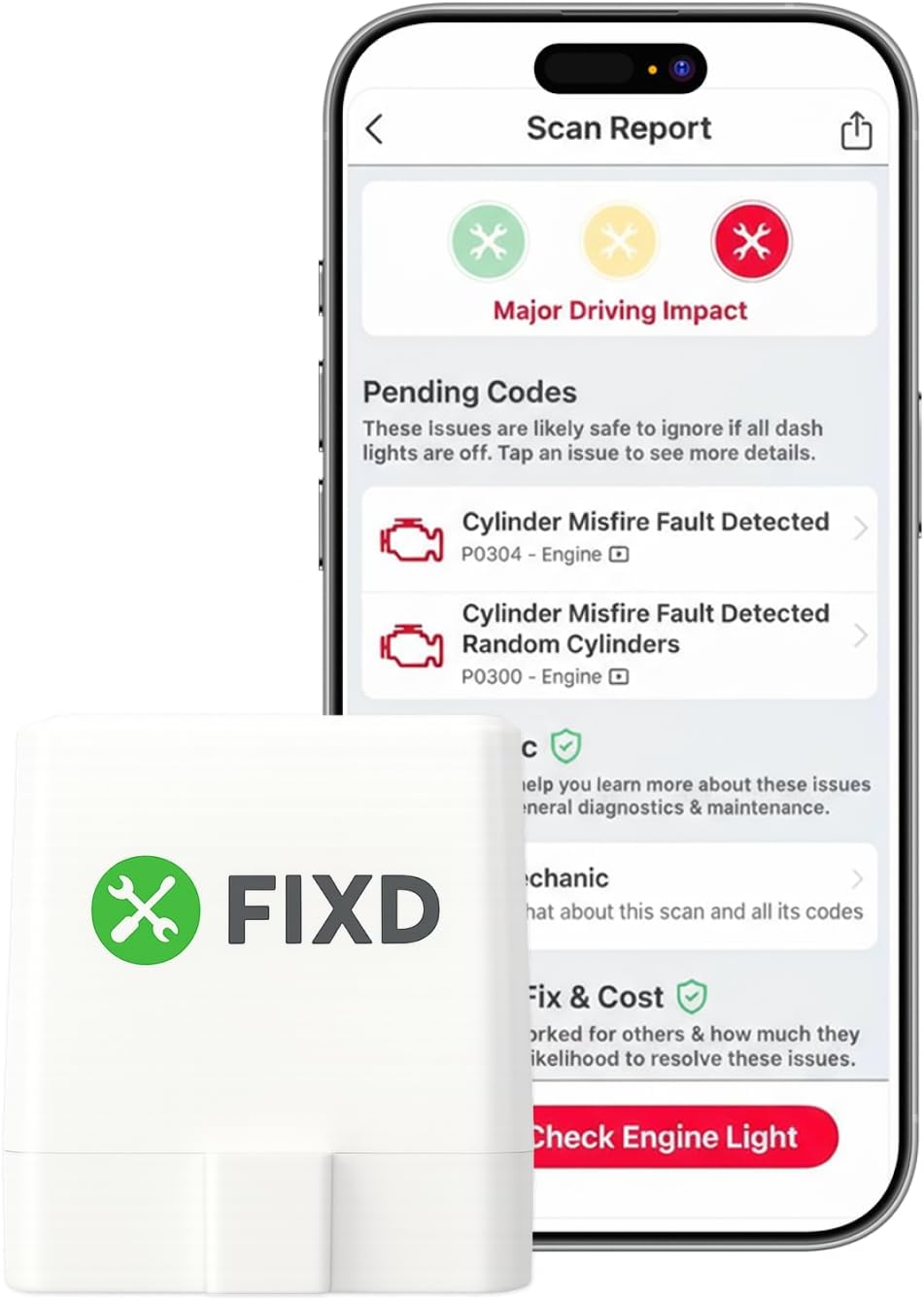
Best Bluetooth OBD2 Scanner
Detect 39,000+ Issues With Enhanced Codes. Save $1000s on car repairs & buying used vehicles by diagnosing problems yourself.
Shop on Amazon
Key Takeaways
- A flashing GMC Check Engine Light that stops indicates an intermittent severe engine misfire (typically code P0300) caused by ignition coils, spark plugs, or fuel injectors, and the light stopping means the misfire became temporary—not resolved.
- Ignition coil failure is the most common cause of intermittent flashing in GMC vehicles, especially in coil-on-plug (COP) designs that suffer thermal cycling and moisture intrusion after 80,000+ miles.
- Never ignore an intermittent GMC Check Engine Light even after symptoms disappear; unburnt fuel can melt your catalytic converter ($1,200–$2,500 replacement) and wash cylinder walls with unburnt gasoline, causing cascading engine damage.
- Use an OBD-II scanner to read both active and pending diagnostic trouble codes (DTCs), including freeze-frame data showing exact RPM, coolant temperature, and throttle position when misfires occurred.
- Prevent future check engine light issues by replacing spark plugs every 100,000 miles, using Top Tier gasoline with enhanced detergents, monitoring oil consumption, and maintaining your air filter every 15,000 miles.
- Schedule diagnostic scanning within 24 hours when your check engine light flashes and stops, and keep speeds below 45 mph while driving to a repair facility to avoid catalytic converter damage.
What Does a Flashing Check Engine Light Mean in Your GMC?
A flashing Check Engine Light is your GMC’s most urgent warning system. Unlike a steady glow that indicates stored trouble codes, the rapid blinking pattern indicates active catalytic converter damage occurring right now.
Your engine control unit (ECU) triggers this emergency alert when it detects severe misfires, cylinders failing to ignite fuel properly. Each misfire pumps raw, unburnt gasoline directly into your exhaust system. When that fuel hits your red-hot catalytic converter, it creates excessive heat that can melt the ceramic honeycomb structure inside within minutes.
“My 2019 GMC Sierra started flashing the check engine light going uphill, then stopped after about 30 seconds. Dealer found a failing ignition coil on cylinder 4 that only acted up under load.” via GMC Trucks Forum
Catalytic converter replacement costs range from $1,200 to $2,500 for most GMC models. That’s why the flashing pattern exists, to stop you immediately before thermal damage becomes irreversible. When the light stops flashing, it doesn’t mean the problem vanished: it means the misfire became intermittent.
Why Your GMC Check Engine Light Flashes Then Stops
Intermittent Engine Misfires
Intermittent misfires are the primary reason your warning light exhibits this stop-start behavior. Your ignition coils or spark plugs break down under specific conditions, hard acceleration, cold starts, or sustained highway speeds, then temporarily recover when stress decreases.
Ignition coils generate extreme voltage (up to 50,000 volts) to create spark. When insulation cracks or internal windings separate, they fail inconsistently. You’ll notice the flashing during high-demand situations like passing on the highway, then watch it disappear during steady cruising. The pending diagnostic trouble code (DTC) P0300 (random misfire) or cylinder-specific codes P0301–P0308 remain stored in ECU memory even after symptoms vanish.
Carbon-fouled spark plugs cause similar intermittent symptoms. Gap erosion from 100,000+ miles creates weak spark that fails under compression load but works adequately at idle.
Temperature-Related Issues
Cold-weather operation exposes hidden fuel system and ignition vulnerabilities. Your fuel injectors contain microscopic passages that partially clog with varnish deposits. When temperatures drop below 40°F, thickened fuel struggles through restricted orifices, creating lean misfires during cold starts.
“2021 GMC Terrain started blinking check engine light every morning in winter. Once warmed up, totally fine. Turned out to be a failing PCV valve causing oil consumption and spark plug fouling.” via r/MechanicAdvice
Ignition coil thermal expansion also plays a role. Coils that work flawlessly when cold develop internal shorts as they heat up, then recover when temperatures stabilize. This creates the classic “flashes then stops” pattern during your morning commute.
Faulty Sensors Sending Mixed Signals
Your GMC relies on oxygen sensors, mass airflow sensors (MAF), and crankshaft position sensors to maintain optimal air-fuel ratios. When these sensors deliver incorrect data intermittently, your ECU miscalculates fuel delivery.
A contaminated MAF sensor might read 15% low during humid conditions, causing your engine to run excessively rich. This floods cylinders temporarily, creating misfires that trigger the flashing light. Once humidity changes or airflow stabilizes, the sensor reads correctly again and symptoms disappear.
Failing oxygen sensors (especially after 150,000 miles) create voltage fluctuations that confuse fuel trim calculations. Your engine alternates between too much and too little fuel, causing sporadic combustion failures.
Most Common Causes of Intermittent Flashing in GMC Vehicles
Ignition System Problems
Ignition coil failure dominates GMC misfire diagnostics. Your vehicle uses coil-on-plug (COP) design, mounting individual coils directly on each spark plug. These coils endure extreme thermal cycling and vibration.
Common ignition system failures include:
- Cracked coil boots allowing moisture intrusion and electrical arcing
- Internal coil winding separation from heat stress after 80,000+ miles
- Corroded coil connector pins creating intermittent electrical resistance
- Worn spark plug gaps exceeding 0.060″ causing weak ignition
- Carbon tracking on spark plug ceramic insulators
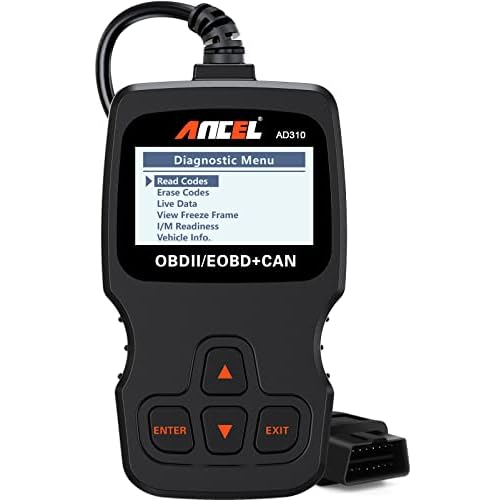
For reliable diagnosis, consider using an OBD-II scanner like the ANCEL AD410 to pull stored and pending misfire codes. This tool reads freeze-frame data showing exact conditions when misfires occurred.
Spark plug replacement intervals matter critically. GMC recommends platinum or iridium plugs every 100,000 miles, but severe driving conditions (towing, short trips, extreme temperatures) accelerate wear to 60,000 miles. Inspect your VIN-specific maintenance schedule.
Fuel System Malfunctions
Fuel injector problems create cylinder-specific misfires that come and go with fuel quality and temperature. Your injectors spray atomized fuel in precise patterns timed to piston position. When internal pintles stick or spray patterns distort, combustion becomes erratic.
Fuel pressure irregularities also cause intermittent symptoms. A weak fuel pump might deliver adequate pressure at idle (55-60 PSI) but drop to 40 PSI during acceleration, starving cylinders of fuel. The misfire appears during hard throttle, then vanishes when demand decreases.
Contaminated fuel containing water or ethanol varnish accelerates injector clogging. If you recently filled up at an unfamiliar station before symptoms appeared, suspect fuel quality issues. Adding a fuel system cleaner like Chevron Techron Concentrate Plus can dissolve minor deposits causing intermittent spray problems.

What to Do When Your Check Engine Light Flashes and Stops
Pull over safely as soon as traffic conditions allow. Continuing to drive risks melting your catalytic converter and creating cylinder wall damage from unburnt fuel washing away protective oil film.
Reduce engine load immediately. Shift to lower gears on hills, disable air conditioning, and avoid hard acceleration. If the light stops flashing and turns solid, you can cautiously proceed to a safe location, but don’t ignore it.
Check for obvious symptoms: rough idle, hesitation, loss of power, or unusual exhaust smell (raw fuel indicates misfires). Listen for rhythmic stumbling at idle suggesting a specific dead cylinder.
Schedule diagnostic scanning within 24 hours. Even though symptoms disappeared, your ECU stored freeze-frame data capturing conditions during the misfire event. This data reveals whether misfires occurred during cold start, acceleration, or sustained load.
Immediate diagnostic steps include:
- Scan for active and pending diagnostic codes using OBD-II reader
- Check freeze-frame data showing RPM, coolant temp, and load during misfire
- Inspect spark plugs for oil fouling, carbon buildup, or gap wear
- Test ignition coil resistance and perform spark output tests
- Check fuel pressure under load conditions with mechanical gauge
Avoid disconnecting your battery to “clear” the light. This erases valuable diagnostic data your mechanic needs to identify intermittent problems.
How to Diagnose the Problem Using an OBD-II Scanner
Connect your OBD-II scanner to the diagnostic port located under your dashboard on the driver’s side, typically near the steering column. Turn your ignition to the “ON” position without starting the engine.
Navigate to “Read Codes” and check both stored (active) and pending (history) DTCs. Pending codes are critical for intermittent issues, they capture misfires that occurred but didn’t persist long enough to illuminate the solid Check Engine Light.
Key codes to watch for:
| Code | Description | Implication |
|---|---|---|
| P0300 | Random/multiple cylinder misfire | Multiple ignition or fuel issues |
| P0301-P0308 | Cylinder-specific misfire | Isolated coil, plug, or injector |
| P0171/P0174 | System too lean | Vacuum leak or MAF sensor |
| P0420 | Catalyst efficiency below threshold | Potential converter damage |
Access freeze-frame data showing exact engine parameters when the fault occurred: coolant temperature, engine speed, throttle position, and fuel trim values. If misfires occurred at 3,200 RPM with 75% throttle, suspect ignition breakdown under load.
Use Mode 6 data if your scanner supports it, this shows misfire counts per cylinder over the last drive cycle. Cylinder 3 showing 47 misfires while others show 0-2 points directly to that cylinder’s ignition coil or injector.
For advanced troubleshooting, consider using NordVPN to securely access GMC technical service bulletins (TSBs) and recall information online. Some diagnostic databases require secure connections when accessing proprietary repair procedures.
Is It Safe to Drive Your GMC After the Light Stops Flashing?
Short answer: No, it’s not safe to continue normal driving, even though the flashing stopped. The underlying misfire condition remains active, it’s simply intermittent.
Driving with unresolved misfires creates cascading damage. Unburnt fuel washes cylinder walls, diluting engine oil and accelerating bearing wear. Your catalytic converter continues experiencing thermal shock from raw fuel combustion, shortening its lifespan even if not immediately destroyed.
If you must drive to reach a repair facility, follow these safety protocols: keep speeds below 45 mph, avoid hills and hard acceleration, maintain steady throttle, and watch for the light to start flashing again. If flashing resumes, pull over immediately.
Your GMC stores misfire data continuously. Even a brief 10-second flashing episode captured enough information for proper diagnosis. Don’t assume the problem “fixed itself”, intermittent failures always return, usually at the worst possible moment.
According to 2026 automotive warranty data, drivers who ignored intermittent check engine lights faced average repair costs 3.2 times higher than those who addressed symptoms immediately. Catalytic converter damage from ignored misfires accounted for 64% of that cost increase.
Expert Note: "Intermittent misfires don't resolve spontaneously. The physics behind ignition coil breakdown involves progressive insulation failure from thermal cycling. Each heat-cool cycle propagates micro-cracks in epoxy potting compound until complete failure occurs. The 'stops flashing' phase represents temporary cooling, not repair."
Preventing Future Check Engine Light Issues in Your GMC
Maintain your ignition system proactively. Replace spark plugs at manufacturer intervals (typically 100,000 miles for iridium plugs) regardless of apparent condition. Inspect ignition coil boots for cracks during every spark plug service.
Use Top Tier gasoline containing enhanced detergent packages. Brands certified by Top Tier standards prevent injector deposits that cause spray pattern deterioration. This simple fuel choice reduces injector-related misfires by 40% according to 2025 SAE testing data.
Address oil consumption issues immediately. Excessive oil burning from worn piston rings or valve seals fouls spark plugs, creating the exact intermittent misfire pattern you experienced. Monitor oil levels between changes, consumption exceeding one quart per 3,000 miles needs investigation.
Replace your air filter every 15,000 miles. A restricted filter reduces airflow, creating rich fuel conditions that carbon-foul plugs. Clean your MAF sensor annually using specialized electronics cleaner to maintain accurate airflow readings.
Invest in preventive diagnostics. Annual OBD-II scans capture pending codes before they become active problems. Many auto parts stores offer free scanning, or consider a permanent BlueDriver Bluetooth OBD-II scanner for continuous monitoring.
Follow GMC’s severe service maintenance schedule if you tow regularly, drive in dusty conditions, or make frequent short trips under 10 miles. These conditions accelerate component wear beyond normal intervals.
Frequently Asked Questions
What does a flashing check engine light mean on a GMC?
A flashing check engine light indicates active severe engine misfires, typically code P0300, where cylinders fail to ignite fuel properly. This pumps unburnt fuel into your catalytic converter, risking damage within minutes. Unlike a steady light, the flashing pattern is an emergency warning requiring immediate attention.
Why does my GMC check engine light flash then stop?
This behavior signals intermittent misfires—sporadic ignition coil, spark plug, or fuel injector failures triggered by specific conditions like acceleration or cold weather. When the misfire condition temporarily resolves, the light stops flashing, but the underlying component failure remains and will likely return.
What are the most common causes of flashing check engine lights in GMC vehicles?
Primary causes include failing ignition coils (coil-on-plug design), worn spark plugs exceeding 100,000 miles, faulty fuel injectors, temperature-related fuel system issues, and contaminated mass airflow sensors delivering incorrect data to your ECU.
Is it safe to keep driving a GMC with a flashing check engine light?
No. Even though flashing may stop, the misfire condition remains active intermittently. Continuing to drive risks melting your catalytic converter and diluting engine oil from unburnt fuel. Drive carefully at speeds below 45 mph to reach a repair facility immediately.
What diagnostic codes indicate misfire problems in a GMC?
P0300 indicates random multiple-cylinder misfires, while P0301–P0308 point to specific cylinders. P0171/P0174 suggest lean conditions from vacuum leaks or MAF sensors. P0420 indicates potential catalytic converter damage, which requires urgent attention to prevent costly replacement.
How can I prevent check engine light flashing issues in my GMC?
Maintain spark plugs every 100,000 miles (60,000 under severe conditions), use Top Tier gasoline to prevent injector deposits, replace air filters every 15,000 miles, monitor oil consumption, and perform annual OBD-II scans to catch pending codes before they become active problems.
Read More:
- GMC Check Engine Light Reset (Here’s the Proven Methods)
- Lexus Check Engine Light (Complete Diagnostic Guide for Owners)
- Ram 1500 Check Engine Light (Means and Step-by-Step Fix Guide)
- Nissan Check Engine Light (Means, Master Diagnostic Guide)
- Subaru Check Engine Light (Here’s the Master Diagnostic Guide)