
Your dashboard glows with that persistent amber warning. You’ve tightened the gas cap, driven hundreds of miles, even disconnected the battery, but your Check Engine Light refuses to turn off. This isn’t a fleeting hiccup: you’re dealing with a hard fault stored in your vehicle’s computer.
When your Check Engine Light stays on after multiple drive cycles, you’re looking at a permanent diagnostic trouble code (DTC), a hard fault that your ECU has logged three consecutive times. Common culprits include failing oxygen sensors, worn spark plugs, malfunctioning mass airflow sensors, catalytic converter inefficiency, or persistent EVAP system leaks. Until you retrieve the specific trouble code with an OBD-II scanner, identify the root cause, repair or replace the failing component, and complete a full drive cycle to reset readiness monitors, that light will not clear.
This guide walks you through systematic diagnostic steps, sensor replacement protocols, drive cycle completion rules, and when you absolutely need professional intervention to pass emissions testing.
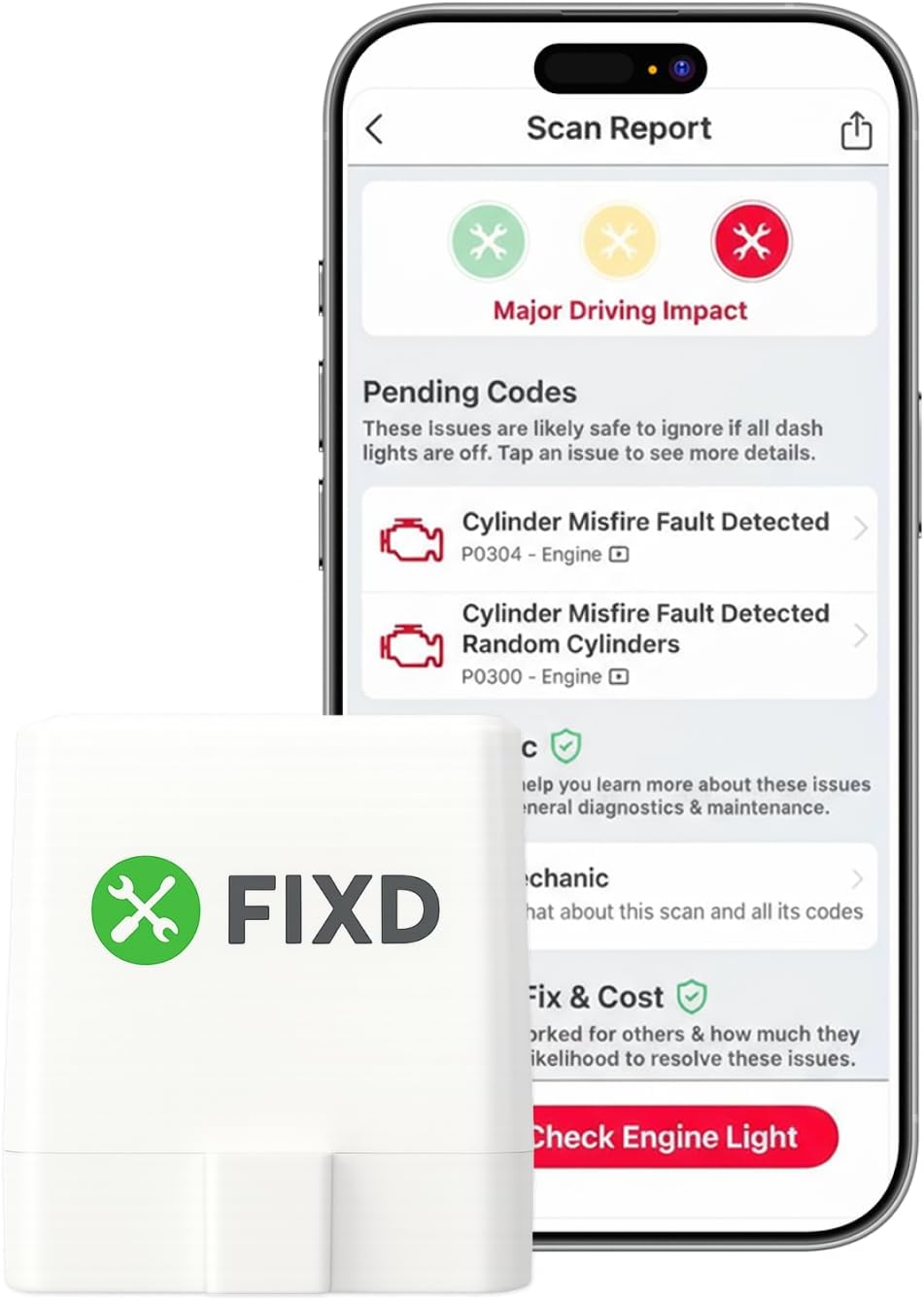
Best Bluetooth OBD2 Scanner
Detect 39,000+ Issues With Enhanced Codes. Save $1000s on car repairs & buying used vehicles by diagnosing problems yourself.
Shop on Amazon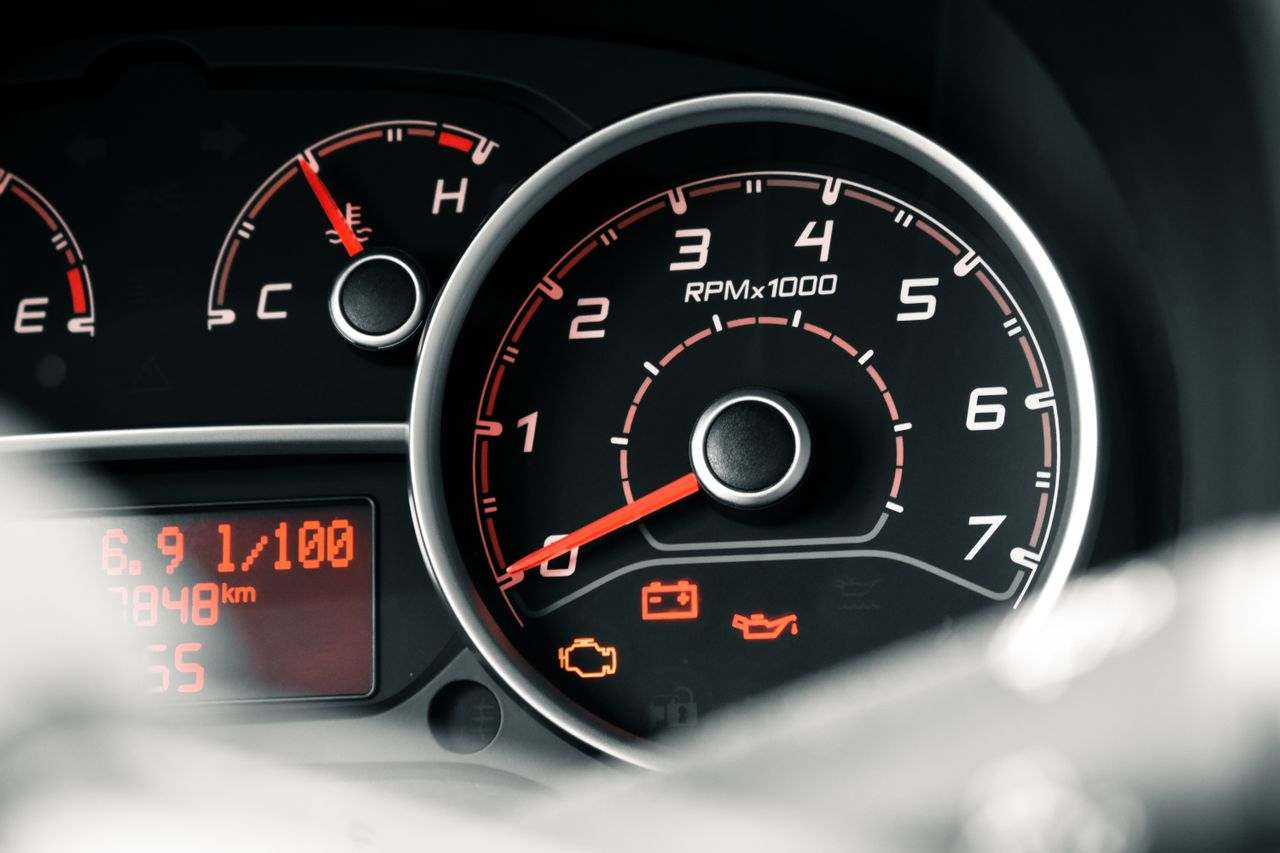
Key Takeaways
- A Check Engine Light that stays on signals a permanent diagnostic trouble code (DTC) stored in your vehicle’s computer after three consecutive drive cycles with the same fault.
- Common causes of a persistent Check Engine Light include failing oxygen sensors, worn spark plugs, catalytic converter inefficiency, MAF sensor contamination, and EVAP system leaks.
- Retrieve diagnostic codes immediately using an OBD-II scanner to identify the root cause; clearing codes without fixing the underlying problem will cause the light to return within 10–100 miles.
- After completing repairs, you must execute a full drive cycle (cold start, idle, 40–60 MPH cruise for 8–10 minutes, deceleration, and acceleration repeats) to allow readiness monitors to complete and the light to turn off.
- Never clear codes solely to pass emissions testing without fixing the fault, as freshly cleared codes show “Not Ready” status and trigger an automatic test failure.
- For complex issues like catalytic converter efficiency problems or hard-to-trace electrical faults, consult a qualified technician with professional-grade diagnostic tools.
What Does It Mean When Your Check Engine Light Stays On?
A Check Engine Light that stays illuminated signals your powertrain control module (PCM) has detected a malfunction affecting emissions, fuel economy, or drivability. Unlike a pending code that might clear itself, a permanent DTC means the fault has repeated across multiple ignition cycles.
How the Check Engine Light System Works
Your vehicle’s onboard diagnostics (OBD-II) system continuously monitors dozens of sensors and actuators. When a sensor reading falls outside manufacturer-specified parameters, say, your upstream oxygen sensor voltage stays frozen at 0.45V instead of oscillating between 0.1V and 0.9V, the PCM increments a fault counter.
After three consecutive drive cycles with the same fault present, the PCM stores a hard code and illuminates the malfunction indicator lamp (MIL). The system also freezes “freeze frame” data: RPM, coolant temperature, vehicle speed, and fuel trim values at the exact moment the fault triggered.
Readiness monitors must complete their self-tests before the PCM will turn off the light. These monitors include catalyst efficiency, EVAP system integrity, oxygen sensor heater circuits, and secondary air injection. Most states require all monitors except EVAP to show “Ready” status for emissions testing.
If you clear codes without fixing the underlying problem, the light returns within 10–50 miles. That’s why chase-the-light approaches fail, your PCM is smarter than a simple reset.
Common Reasons Your Check Engine Light Won’t Turn Off
Faulty Oxygen Sensor
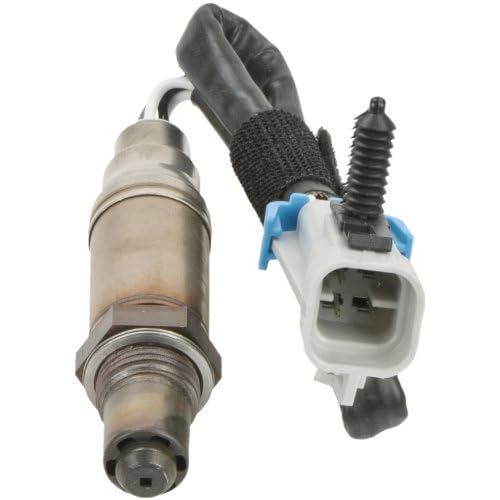
Oxygen sensors measure exhaust gas oxygen content to fine-tune fuel delivery. A failing upstream O2 sensor (Bank 1 Sensor 1) typically triggers P0131, P0132, or P0133 codes. You’ll notice sluggish throttle response, poor fuel economy (2–4 MPG drop), and black exhaust smoke during acceleration.
Most O2 sensors wear out between 60,000–100,000 miles due to carbon fouling or silicon contamination from coolant leaks. Downstream sensors (post-catalyst) last slightly longer but still degrade. Replace sensors in pairs if both banks show slow response times.
I recommend using a quality replacement like the Bosch Oxygen Sensor for OEM-equivalent performance and long-term reliability.
Loose or Damaged Gas Cap
A loose, cracked, or missing gas cap allows fuel vapors to escape, triggering EVAP system codes P0440, P0455, or P0457. Even after you tighten or replace the cap, the light stays on until the EVAP monitor completes its drive cycle, typically requiring a cold start, idle for two minutes, steady 40–60 MPH cruise for ten minutes, then deceleration without touching the brake.
Inspect the cap’s rubber seal for cracks or compression loss. If the seal feels hard or shows visible splits, replace the cap. Aftermarket caps often lack proper venting: stick with OEM-spec replacements to avoid nuisance codes.
Catalytic Converter Issues
Catalytic converter efficiency below threshold triggers P0420 (Bank 1) or P0430 (Bank 2). Your cat uses precious metals, platinum, palladium, rhodium, to convert hydrocarbons, carbon monoxide, and nitrogen oxides into harmless gases. When the substrate degrades or becomes oil-fouled, conversion efficiency drops below 95%, and the PCM notices.
Catalyst failure often follows from upstream problems: rich fuel trim from a leaking fuel injector, oil consumption from worn piston rings, or coolant contamination from a blown head gasket. Fix root causes first, then replace the converter if efficiency codes persist after 50 miles of mixed driving.
Mass Airflow Sensor Malfunction
The mass airflow (MAF) sensor measures intake air volume to calculate fuel injector pulse width. A contaminated or failing MAF triggers P0101, P0102, or P0103, causing rough idle, hesitation during acceleration, and fuel trim values exceeding ±15%.
MAF sensors fail from oil residue (from over-oiled aftermarket air filters), dust intrusion, or internal hot-wire degradation. Clean the sensor with MAF-specific cleaner, never carburetor cleaner, which leaves residue. If cleaning doesn’t restore proper readings, replacement is the only fix.
Spark Plug or Ignition System Problems
Worn spark plugs create incomplete combustion, spiking hydrocarbon emissions and triggering misfire codes P0300–P0308. You’ll feel engine roughness, stumbling acceleration, and possibly hear a distinct popping from the exhaust.
Inspect plugs for excessive electrode gap (over 0.060″), carbon fouling, or oil fouling. Replace plugs at manufacturer intervals, typically 30,000 miles for copper, 60,000 for platinum, 100,000 for iridium. Also check ignition coils for carbon tracking and replace plug wires if resistance exceeds 10,000 ohms per foot.
How to Diagnose Why Your Check Engine Light Is On
Start with a quality OBD-II scanner. Entry-level code readers show you the DTC number: professional-grade scan tools display live data, freeze frame, and readiness monitor status. Connect the scanner to the DLC port (usually under the driver-side dash), turn the key to “ON” without starting, and retrieve codes.
Write down every code and its description. P0-series codes are generic (standardized across all manufacturers): P1-series are manufacturer-specific. Cross-reference codes with the NHTSA Vehicle Safety & Defects Database to check for technical service bulletins or recalls.
Next, check freeze frame data. This snapshot shows engine conditions when the fault occurred: coolant temp, engine load, vehicle speed, fuel trim. If your P0420 catalyst code shows freeze frame data at 180°F coolant temp, your engine wasn’t fully warmed, possibly a false trigger from a short trip pattern.
Perform a visual inspection. Check vacuum hoses for cracks, inspect wiring harnesses for chafing or rodent damage, and look for obvious fluid leaks. A cracked intake boot between the MAF sensor and throttle body causes unmetered air, skewing fuel trim and triggering multiple codes.
For persistent EVAP codes, perform a smoke test. Introduce low-pressure smoke into the EVAP system via the purge valve port and watch for vapor escaping from cracked hoses, faulty purge valves, or compromised charcoal canister seams.
“My 2019 Silverado threw a P0455 large EVAP leak. Tightened cap, drove 100 miles, light stayed on. Smoke test revealed a split hose behind the fuel tank. $28 hose, problem solved.” via r/MechanicAdvice
What to Do When Your Check Engine Light Stays On
First, assess severity. If the light blinks or flashes, you have an active misfire that can damage the catalytic converter. Pull over safely, shut off the engine, and arrange a tow. A steady light means drive carefully and diagnose soon.
Retrieve and document codes immediately, even if you plan to visit a shop. Codes can clear themselves or get overwritten by new faults. Knowing the original DTC helps your technician trace intermittent problems.
If you’re handy, tackle simple fixes yourself. Replace a worn gas cap, swap obviously fouled spark plugs, or clean a contaminated MAF sensor. For sensor replacements (O2, ECT, knock), ensure you use OEM-spec parts. Cheap sensors often fail within 10,000 miles and trigger new codes.
After repairs, clear codes and complete a full drive cycle. This means:
- Cold start (engine below 120°F)
- Idle for three minutes
- Accelerate to 40–60 MPH and hold steady for 8–10 minutes
- Decelerate without braking (coast in gear)
- Idle for 30 seconds
- Repeat acceleration/deceleration cycle
This sequence allows your PCM to run all readiness monitors. If the repair was successful, the light stays off and monitors flip to “Ready.”
For complex issues, catalyst efficiency, evaporative purge valve circuits, or hard-to-trace wiring faults, visit a qualified technician. Professional scan tools access manufacturer-specific data streams and bidirectional controls that consumer scanners can’t reach.
How to Turn Off a Check Engine Light (And When You Shouldn’t)
You can clear codes three ways: using an OBD-II scanner, disconnecting the battery for 15 minutes, or driving through enough successful monitor cycles that the PCM self-clears the MIL. The scanner method is fastest and preserves your radio presets and seat memory.
Connect your scanner, navigate to “Clear Codes” or “Erase DTCs,” and confirm. The light extinguishes immediately. But here’s the catch: if you haven’t fixed the root problem, the code returns within 10–100 miles.
Never clear codes just to pass emissions testing without repairing the fault. Smog technicians check readiness monitor status: freshly cleared codes show “Not Ready” across all monitors, triggering an automatic fail. You need 50–200 miles of varied driving (city and highway) for monitors to complete.
Avoid clearing codes if you’re diagnosing an intermittent fault. Freeze frame data disappears when you erase DTCs, and that snapshot is often your best clue for tracking down elusive problems, like a thermostat that sticks open only when ambient temps drop below 20°F.
For a comprehensive upgrade to your diagnostic toolkit, consider the LAUNCH CRP123X OBD2 Scanner. It reads all 10 OBD-II test modes, displays live data graphs, and supports ABS/SRS codes.

If you’re working in a home garage, a solid workbench upgrade like the Husky 52-inch Mobile Workbench makes sensor swaps and wiring diagnostics far more comfortable.
Expert Note: According to ASE Master Technician protocols, any stored code with confirmed freeze frame data should be diagnosed before clearing. The PCM’s detection logic requires three consecutive failures to set a permanent DTC, meaning your fault is real, not a sensor glitch. Ignoring it risks catalytic converter damage or emission test failure, costing far more than the original repair.
Frequently Asked Questions
What does it mean when your check engine light stays on continuously?
A persistent check engine light signals your vehicle’s powertrain control module (PCM) has detected a permanent diagnostic trouble code (DTC), meaning the fault has repeated across multiple drive cycles. Common causes include failing oxygen sensors, worn spark plugs, catalytic converter inefficiency, or EVAP system leaks requiring diagnosis with an OBD-II scanner.
Can a loose gas cap cause your check engine light to stay on?
Yes, a loose, cracked, or missing gas cap allows fuel vapors to escape, triggering EVAP codes like P0440 or P0455. Even after tightening or replacing the cap, the light remains on until the EVAP monitor completes its drive cycle, typically requiring 10+ minutes of steady highway driving.
How do you clear a check engine light and actually fix the problem?
First, retrieve the trouble code with an OBD-II scanner and fix the root cause—replace a faulty sensor, tighten the gas cap, or repair leaks. Clear codes using your scanner, then complete a full drive cycle (cold start, idle, 8–10 minutes at 40–60 MPH, deceleration). This allows readiness monitors to complete and prevents the light from returning.
What are the most common reasons a check engine light won’t turn off?
The primary culprits are failing oxygen sensors (worn between 60,000–100,000 miles), malfunctioning mass airflow (MAF) sensors from contamination, catalytic converter inefficiency, worn spark plugs creating misfires, and EVAP system leaks or loose caps. Each requires specific diagnosis and repair to permanently resolve.
Is it safe to drive with a check engine light that stays on?
A steady check engine light is generally safe for short drives to a mechanic. However, if the light blinks or flashes, you have an active misfire damaging the catalytic converter—pull over and arrange a tow. Never ignore persistent codes, as they indicate real faults that worsen over time and increase repair costs.
Why does the check engine light come back after clearing codes?
If the light returns within 10–100 miles after clearing, you haven’t fixed the underlying problem. The PCM stores codes only after detecting the same fault three consecutive times, so clearing without repairs is futile. Your scanner method and diagnostic approach must address the root cause first.
Read More:
- Check Engine Light On (What It Means, Reasons and What to Do)
- Check Engine Light Flashing (Emergency Steps to Save Your Engine)
- Mercedes Check Engine Light (Step-by-Step Master Guide)
- Lexus Check Engine Light (Complete Diagnostic Guide for Owners)
- Toyota Check Engine Light (What Is Actually the Car Telling You)