

Your Audi’s dashboard lights can be confusing, especially when an unfamiliar symbol pops up during your drive. The EPC light is one that catches many drivers’ attention, and for good reason, it signals an issue with your vehicle’s engine or power system that needs prompt attention.
The EPC light means your Audi’s Electronic Power Control system has detected a malfunction in the engine, throttle, or related components. This warning tells you that something in your vehicle’s power management system isn’t working as it should. Ignoring it can lead to poor engine performance, reduced fuel efficiency, or even engine damage over time.
Understanding what triggers this light and how to respond can save you money and keep your Audi running smoothly. We’ll walk you through the causes, diagnostic steps, and solutions to get your vehicle back to normal.
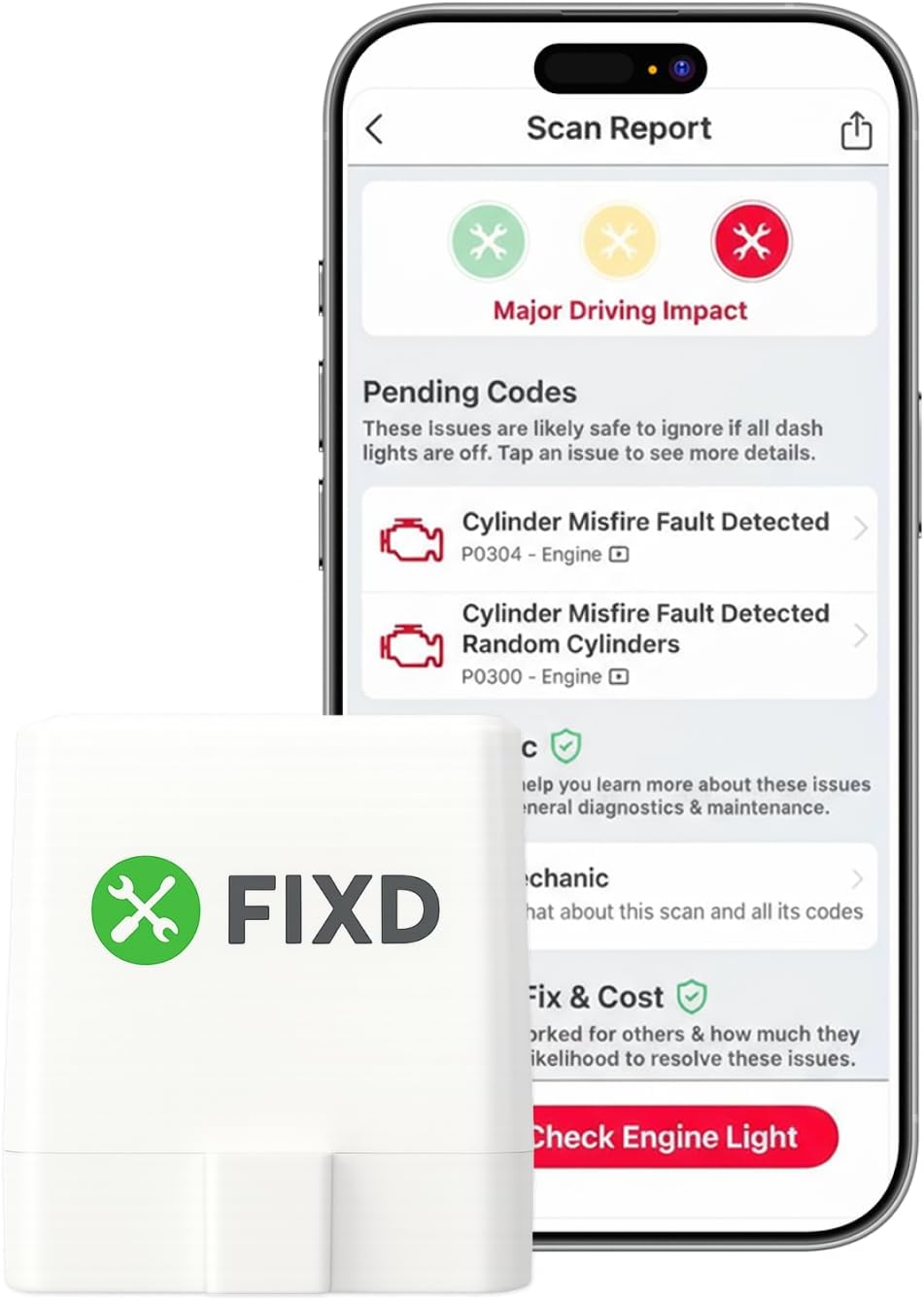
Best Bluetooth OBD2 Scanner
Detect 39,000+ Issues With Enhanced Codes. Save $1000s on car repairs & buying used vehicles by diagnosing problems yourself.
Shop on Amazon
What Does The EPC Light Mean
The EPC light stands for Electronic Power Control, and it’s a critical warning system in your Audi. When this light illuminates on your dashboard, your car’s engine control module has detected a fault in the system that manages engine power and performance.
Your Audi uses the EPC system to regulate how much power flows to your engine based on throttle input and other sensor readings. If something goes wrong, whether it’s a sensor malfunction, electrical issue, or mechanical fault, the EPC light alerts you immediately.
Unlike the check engine light, which covers a broader range of emissions-related issues, the EPC light is more specific. It focuses on power delivery, throttle control, and engine management. This distinction matters because it helps you understand the severity and type of problem you’re facing.
When the light comes on, your Audi may enter a “limp mode” where engine performance is deliberately reduced to protect the engine from damage. You might notice reduced acceleration, lower power output, or limited engine RPM capability. This is actually your vehicle’s safety feature working to prevent costly damage.
Common Causes Of The EPC Light
Several issues can trigger your Audi’s EPC light. Understanding these common culprits helps you identify what might be wrong with your vehicle and what steps to take next.
Faulty Mass Air Flow Sensor
The mass air flow (MAF) sensor measures the amount of air entering your engine. Your engine’s computer uses this information to calculate the correct fuel mixture. When the MAF sensor becomes dirty or fails, it sends incorrect readings to the engine control module.
A faulty MAF sensor causes your engine to run too lean or too rich, affecting performance significantly. You’ll often notice poor fuel economy, rough idling, or hesitation during acceleration. The EPC light activates because your engine isn’t receiving accurate air measurement data.
Cleaning or replacing the MAF sensor is typically straightforward and cost-effective compared to other repairs. Many Audi owners find that a professional cleaning resolves the issue without requiring replacement.
Throttle Body Issues
Your throttle body controls how much air flows into the engine based on how far you press the accelerator pedal. When carbon deposits build up inside the throttle body, or when the electronic throttle actuator fails, the EPC system detects the problem.
Throttle body issues create inconsistent throttle response. You might experience surging RPMs, stalling, or difficulty maintaining a steady idle. The EPC light comes on because your vehicle can’t accurately control engine power delivery.
Cleaning the throttle body often resolves this issue. Carbon buildup is common in older Audis, and a professional cleaning removes deposits that interfere with throttle movement. In some cases, electronic throttle components need replacement.
Engine Control Module Problems
Your Audi’s engine control module (ECM) is the computer that manages all engine functions. If the ECM has a software glitch, corrupted data, or hardware failure, the EPC light may activate.
ECM problems are less common than sensor issues but more serious when they occur. Your vehicle might exhibit multiple symptoms simultaneously, or the EPC light might come on randomly. Electrical problems, water damage, or failed internal components can all compromise the ECM.
Diagnosing ECM issues requires professional diagnostic equipment. A technician can read the specific fault codes stored in your vehicle’s computer system.
Spark Plug And Ignition System Faults
Worn spark plugs or faulty ignition coils can trigger the EPC light. These components are essential for proper engine combustion. When spark plugs wear out or ignition coils fail, your engine can’t fire properly, causing performance issues.
You’ll notice symptoms like rough running, reduced power, or difficulty starting. The EPC light comes on because the engine isn’t operating at peak performance. Spark plugs have a typical lifespan, and replacing them preventatively reduces the chance of this issue.
How To Diagnose The EPC Light
Diagnosing the exact cause requires a systematic approach. You’ll need proper diagnostic equipment to read the specific fault codes stored in your Audi’s computer system.
Start by connecting a diagnostic scanner to your vehicle’s OBD-II port, usually located under the dashboard on the driver’s side. The scanner reads fault codes that pinpoint which system triggered the EPC light. Common codes include P0101 (MAF sensor), P0502 (RPM signal problem), and P1582 (idle speed fault).
Record all fault codes before clearing them. Some issues require that you clear codes and drive the vehicle to see if the light returns, which helps confirm intermittent problems versus permanent faults. This test-drive period typically lasts 50-100 miles.
If you’re not comfortable using a diagnostic scanner, a professional technician can perform this service quickly. Many shops offer free or low-cost diagnostic scanning. The investment in proper diagnosis prevents you from replacing parts unnecessarily.
Pay attention to when the light appears. Does it happen during acceleration, idle, or specific driving conditions? These details help your technician narrow down the cause. Document any other symptoms you notice, rough shifting, unusual sounds, or performance changes.
Steps To Fix The EPC Light
Once you’ve identified the cause, fixing the EPC light involves addressing the underlying issue. Here’s a practical approach:
| Issue | Solution | Difficulty |
|---|---|---|
| Dirty MAF sensor | Clean or replace sensor | Low |
| Throttle body carbon | Professional cleaning | Low |
| Spark plugs | Replace plugs | Medium |
| Ignition coils | Replace faulty coils | Medium |
| ECM problems | Software update or replacement | High |
For sensor-related issues: Start with cleaning before replacing. Many MAF and throttle sensors respond well to professional cleaning. This is the most cost-effective first step.
For ignition components: Replace spark plugs according to your Audi’s maintenance schedule. If multiple ignition coils are failing, consider replacing them all to prevent repeated issues.
For electrical connections: Sometimes the EPC light results from loose or corroded electrical connections. Inspect connectors and terminals related to the fault code.
Software and ECM: If the fault code points to the engine control module, your technician may be able to reprogram it with updated software. In rare cases, ECM replacement is necessary.
After fixing the issue, use your diagnostic scanner to clear the fault code. Drive the vehicle normally for several days to confirm the light doesn’t return. If it stays off, the problem is solved. If it reappears, the original diagnosis may need revision.
When To Seek Professional Help
Some EPC light issues you can address yourself, but others require professional expertise. Knowing when to seek help prevents costly mistakes and saves time.
Visit a professional technician immediately if:
- The EPC light appears along with the check engine light or other warning lights
- Your vehicle enters severe limp mode with significantly reduced power
- You notice unusual engine noises, smoke, or fluid leaks
- The fault code involves the engine control module
- You lack diagnostic equipment or experience working on Audis
A qualified Audi technician has specialized diagnostic tools and experience with your specific vehicle model. They can accurately identify complex issues and perform repairs correctly the first time.
Attempting ECM repairs without proper knowledge can damage your vehicle further. Similarly, if you misdiagnose the problem and replace the wrong component, you’ll waste money without fixing the actual issue.
Professional help also ensures your repairs carry a warranty. If something goes wrong during the repair or shortly after, the shop stands behind their work. This protection is valuable for significant repairs.
Prevention And Maintenance Tips
Preventing the EPC light from appearing in the first place is easier and cheaper than fixing problems after they occur. Regular maintenance keeps your Audi’s power control system functioning properly.
Follow your Audi’s recommended maintenance schedule religiously. Change your oil and oil filter at the intervals specified in your owner’s manual. Regular oil changes keep your engine clean and sensors functioning correctly.
Replace air filters on schedule. A clogged air filter restricts airflow and can trigger MAF sensor issues. Check both your engine air filter and cabin air filter regularly.
Use quality fuel from reputable gas stations. Low-quality fuel can leave deposits that affect fuel injectors and oxygen sensors. Premium fuel, when recommended for your model, ensures optimal combustion.
Have your vehicle’s battery and electrical connections inspected during routine service. A weak battery or corroded connections can cause sensor and ECM issues.
Address any warning lights promptly, even if they seem minor. Early attention to small problems prevents them from cascading into larger issues. Small problems are significantly cheaper to fix than major ones.
Consider having your diagnostic system scanned annually during your regular service. This proactive approach catches developing problems before they trigger warning lights.
Frequently Asked Questions
What does the Audi EPC light mean and why is it important?
The EPC light stands for Electronic Power Control and signals a malfunction in your Audi’s engine, throttle, or power management system. It’s critical to address promptly as ignoring it can lead to poor engine performance, reduced fuel efficiency, or engine damage. The light indicates your engine control module has detected a fault in power delivery or engine management.
What are the most common causes of the EPC light in Audi vehicles?
Common causes include a faulty mass air flow sensor, throttle body carbon buildup, spark plug or ignition coil issues, engine control module problems, and loose electrical connections. A faulty MAF sensor often triggers the light by sending incorrect air measurement data, while throttle body issues create inconsistent throttle response affecting engine performance.
How do I diagnose the Audi EPC light myself?
Connect a diagnostic scanner to your vehicle’s OBD-II port under the dashboard to read fault codes. Common codes include P0101 (MAF sensor), P0502 (RPM signal), and P1582 (idle speed). Record codes before clearing, then test-drive 50-100 miles to confirm if the light returns, helping distinguish between intermittent and permanent faults.
Can I drive my Audi with the EPC light on?
While you may be able to drive, it’s not recommended. The EPC light indicates your vehicle may enter “limp mode” where engine performance is deliberately reduced to protect the engine. You’ll experience reduced acceleration and lower power output. Continued driving risks further engine damage, so address the issue promptly with professional diagnosis and repair.
What’s the difference between the EPC light and the check engine light?
The EPC light specifically targets power delivery, throttle control, and engine management issues, while the check engine light covers broader emissions-related problems. The EPC light is more specific to your vehicle’s Electronic Power Control system, helping you understand the exact nature and severity of the problem you’re facing.
How much does it typically cost to fix the Audi EPC light?
Costs vary by cause: cleaning a MAF sensor or throttle body costs $50-$300, spark plug replacement runs $100-$400, and ignition coil replacement averages $150-$500. ECM problems are more expensive at $500-$1,500+. Professional diagnosis is often free or low-cost and prevents unnecessary part replacement, ultimately saving money.
Read More: