

Engine ticking in your Audi can be unsettling. That rhythmic metallic sound might appear suddenly during startup or show up once your engine reaches operating temperature. The noise level can range from barely noticeable to loud enough to concern you about engine damage.
An Audi engine ticking noise typically comes from carbon buildup, spark plug issues, valve train wear, oil problems, or knock sensor malfunctions. Most causes fall into manageable repair categories, though some require immediate attention to prevent serious engine damage.
This guide walks you through the common reasons your Audi makes a ticking noise, how to identify which issue you’re facing, and when to get professional help. Understanding what’s happening under your hood helps you make informed decisions about repairs and maintenance.
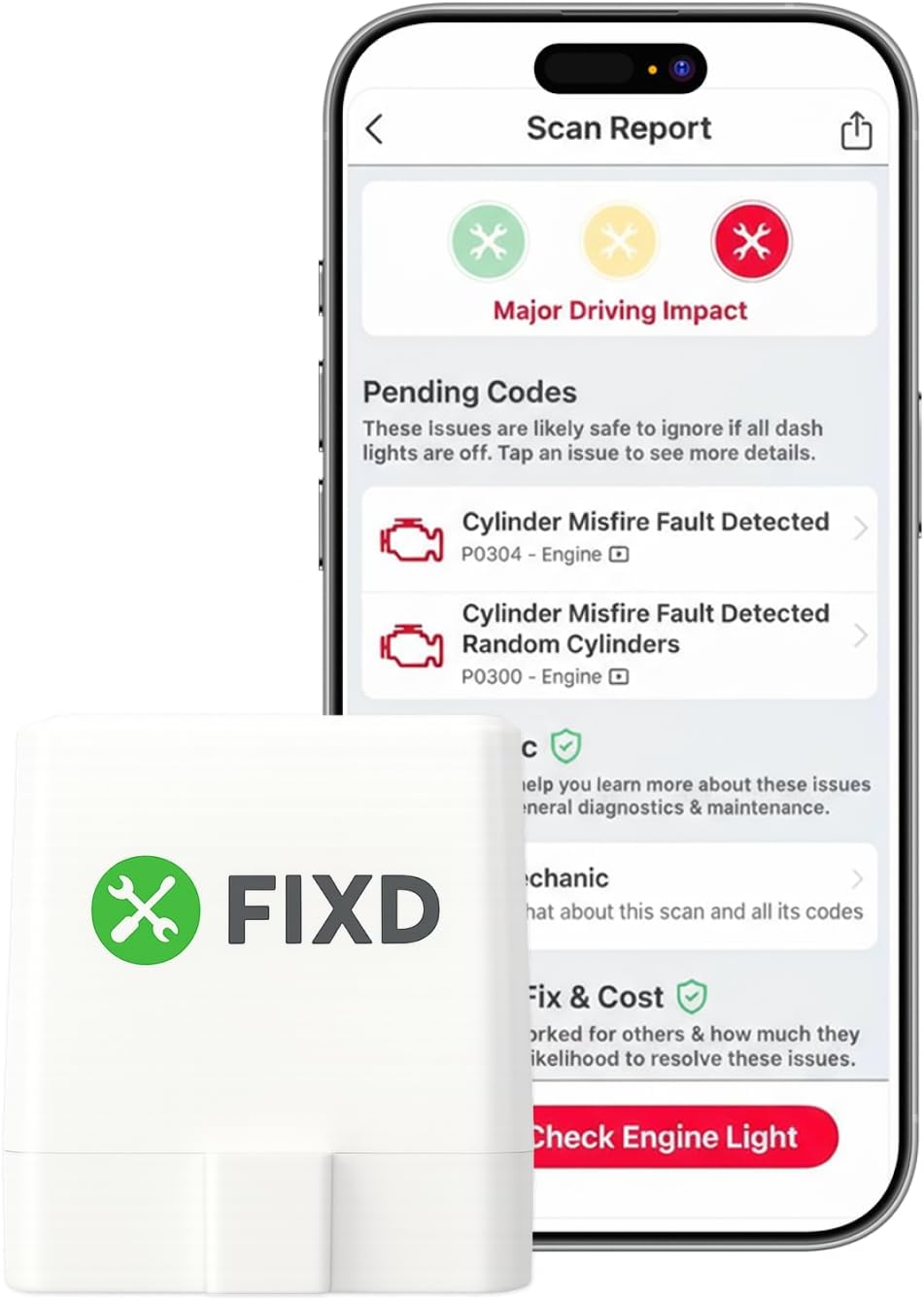
Best Bluetooth OBD2 Scanner
Detect 39,000+ Issues With Enhanced Codes. Save $1000s on car repairs & buying used vehicles by diagnosing problems yourself.
Shop on Amazon
Common Causes Of Engine Ticking In Audi Vehicles
Your Audi’s engine ticking usually points to a few specific issues. The noise comes from parts working harder than they should or from buildup that changes how the engine runs. Identifying the exact cause saves you money and prevents further damage.
Carbon Buildup And Fuel Quality Issues
Carbon deposits form inside your engine over time, especially if you use lower-octane fuel or don’t service your Audi regularly. These deposits change the combustion process and cause early ignition, which creates that ticking sound. Your engine’s knock sensor detects this and adjusts timing, but if buildup gets severe, the ticking continues.
Using premium fuel helps prevent carbon accumulation in most Audi models. Audi recommends 91-octane or higher for their performance engines. If you’ve been using regular fuel, switching to premium might reduce or eliminate ticking immediately.
Direct injection engines in modern Audis are particularly prone to carbon buildup. The fuel doesn’t spray directly on intake valves, so deposits accumulate more easily. Professional fuel system cleaning can remove buildup and restore smooth engine operation.
Valve Train Components And Wear
Your Audi’s valve train includes lifters, rocker arms, and cam followers. These components move constantly and can wear down. Worn parts create gaps that produce ticking sounds as they operate.
Vale train wear often appears as a clicking or tapping noise that becomes louder when you accelerate. If your Audi has high mileage, worn components might be the culprit. Regular oil changes help prevent this wear by keeping moving parts lubricated and protected.
Replacing valve train components requires engine work and shouldn’t be delayed once identified. A trained technician can inspect these parts during diagnosis and recommend replacement if necessary.
Oil-Related Problems
Oil lubricates your engine and reduces friction between moving parts. When oil is low, dirty, or the wrong viscosity, parts rub together harder and create noise. Check your oil level first when you hear engine ticking.
Oil that’s too thick for cold temperatures or too thin for hot temperatures changes how well parts move. This viscosity problem causes ticking until your engine reaches proper operating temperature. Synthetic oils often perform better across temperature ranges.
Dirty oil contains particles that affect lubrication quality. If you haven’t changed your oil recently, that might be causing your ticking. Getting an oil change is inexpensive and often solves the problem immediately.
Spark Plug And Ignition System Issues
Spark plugs ignite fuel in your cylinders at precise moments. When spark plugs wear out or have incorrect gaps, they ignite fuel at the wrong time. This creates knock, which sounds like engine ticking or pinging.
Audi spark plugs typically last 20,000 to 40,000 miles, depending on the model and driving conditions. If you’re approaching or past this mileage, worn plugs could be your problem. Replacing them is straightforward and relatively affordable.
Incorrect spark plug gaps cause similar issues. The gap is the space between the center electrode and ground electrode. If this gap is too large or too small, ignition timing suffers. Using the correct spark plug type and having them properly gapped prevents this problem.
Ignition coils can also cause ticking if they’re failing. These coils create the spark that ignites fuel. When they wear out, spark timing becomes inconsistent, creating knock sounds. Faulty coils often show other symptoms like rough idle or difficulty starting.
Mechanical Wear And Timing Issues
Your Audi’s engine timing must be precise. When timing components wear or fail, the engine can’t ignite fuel at the right moment. This creates the knock or ticking you hear.
Timing chain or belt issues develop gradually. A stretched timing chain or worn pulleys throw off engine timing. These parts are critical and shouldn’t be ignored. If timing gets too far off, your engine won’t run properly and risks serious damage.
Replacing timing chains or belts is an involved repair. But, catching the problem early through diagnosis prevents more expensive engine damage. If you notice ticking that seems related to engine timing, get professional evaluation soon.
Knock Sensor Malfunctions
Your Audi has knock sensors that detect engine knock and signal the computer to adjust timing. When these sensors fail, they can’t properly control combustion. This causes ticking or pinging sounds.
Knock sensor failure often triggers a check engine light. This warning indicates the sensor or the knock itself needs attention. A professional can read the specific error code and confirm if the sensor is faulty.
Replacing a knock sensor is typically straightforward and not expensive. This repair might solve your ticking problem if the sensor is the culprit. Many Audi owners find this is their issue when they have ticking combined with check engine warning lights.
Some Audi models have multiple knock sensors. If one fails, the others might mask the noise, but you should still replace the faulty one. Using quality replacement sensors ensures your engine runs smoothly.
When To Seek Professional Diagnosis
You should get professional help if you can’t identify the ticking cause or if the noise is severe. A trained Audi technician has diagnostic tools that pinpoint problems quickly. They can connect to your vehicle’s computer and read diagnostic trouble codes.
Professional diagnosis typically costs between $100 and $150. This expense is worthwhile because it prevents you from guessing and making unnecessary repairs. Many shops credit this diagnostic fee toward actual repair costs.
Warning Signs That Require Immediate Attention
Some ticking noises indicate serious problems that need immediate repair. Loud metallic ticking that changes with engine speed might mean bearing wear. This requires immediate attention because bearing failure can cause complete engine seizure.
Ticking combined with a check engine light demands professional evaluation. The light indicates your onboard diagnostic system detected a fault. Don’t ignore this warning. Continuing to drive might cause additional damage.
If ticking gets progressively louder or you notice loss of power, have your Audi serviced immediately. These signs suggest significant problems. Delayed repairs in these situations can result in engine damage requiring thousands in repairs.
Smoke or unusual smells along with ticking point to serious issues. Pull over safely and have your Audi towed to a service center. Running the engine further could cause catastrophic damage.
Preventative Maintenance To Reduce Engine Noise
Preventing engine ticking is easier than fixing it. Regular maintenance keeps your Audi running smoothly and catches small issues before they become big problems.
| Maintenance Task | Interval | Benefit |
|---|---|---|
| Oil Changes | Every 10,000 miles | Ensures proper lubrication |
| Spark Plug Replacement | Every 20,000-40,000 miles | Maintains proper ignition |
| Fuel System Cleaning | Every 60,000 miles | Removes carbon buildup |
| Engine Air Filter Replacement | Every 30,000 miles | Improves combustion efficiency |
| Timing Chain Inspection | As recommended | Prevents timing failures |
Key maintenance steps to prevent ticking:
- Use the correct oil viscosity specified for your Audi model
- Stick to the manufacturer’s service schedule
- Use quality fuel from reputable stations
- Replace air filters on schedule
- Have your technician inspect valve train components regularly
Regular service catches wear before it creates noise. Many Audi owners never experience severe ticking because they follow the maintenance schedule. Your vehicle owner’s manual outlines exactly what your Audi needs and when.
Using quality replacement parts matters for longevity. Oem (original equipment manufacturer) parts are designed for your specific model. Aftermarket parts sometimes don’t fit as precisely, potentially causing noise or other issues.
Refer to your Audi owner’s manual for the exact maintenance schedule for your model year. Following this schedule prevents most engine noise issues and keeps your Audi running reliably.
Frequently Asked Questions
Why is my Audi making a ticking noise from the engine?
Audi engine ticking typically results from carbon buildup, spark plug wear, valve train component damage, oil problems, or knock sensor malfunctions. The rhythmic metallic sound occurs when these components don’t function properly, causing improper ignition timing or increased friction between moving parts.
Can using premium fuel stop the ticking noise in my Audi?
Yes, switching to 91-octane or higher premium fuel often reduces or eliminates ticking caused by carbon buildup. Lower-octane fuel increases carbon deposits in your engine, especially in direct injection engines. Using recommended fuel quality helps prevent early ignition and associated knock sounds.
How much does it cost to diagnose an Audi engine ticking noise?
Professional diagnosis typically costs $100–$150. This investment is worthwhile because a technician uses diagnostic tools to pinpoint the exact cause, preventing unnecessary repairs. Many service shops credit this diagnostic fee toward actual repair work, saving you money overall.
Is engine ticking in an Audi always a serious problem?
Not all ticking is serious. Some causes like worn spark plugs or low oil are inexpensive fixes. However, loud metallic ticking that changes with engine speed may indicate bearing wear, which requires immediate attention. Ticking combined with a check engine light also demands professional evaluation to prevent engine damage.
What regular maintenance prevents Audi engine ticking?
Follow your owner’s manual maintenance schedule: oil changes every 10,000 miles, spark plug replacement every 20,000–40,000 miles, fuel system cleaning every 60,000 miles, and air filter replacement every 30,000 miles. Regular service catches wear early and prevents most ticking issues before they develop.
Can a faulty knock sensor cause engine ticking in my Audi?
Yes, knock sensors detect engine knock and adjust timing. When they malfunction, they can’t control combustion properly, causing ticking or pinging sounds. Knock sensor failure often triggers a check engine light. Replacement is typically straightforward and affordable, making it a common and fixable cause of Audi ticking.
Read More: