

Nothing’s more frustrating than standing outside your BMW with a key fob that won’t cooperate. Your central locking system is designed to work seamlessly, lock one button, secure all doors instantly. When it fails, you’re stuck wondering what went wrong and how much the repair will cost.
BMW central locking problems usually stem from a dead battery, faulty door lock actuators, damaged electrical wiring, or a malfunctioning control module. These issues are common enough that most BMW owners encounter them at some point, but understanding the cause helps you get back on the road faster. The good news? Many of these problems are either simple to fix or inexpensive to repair if caught early.
In this guide, we’ll walk you through the most common causes, how to diagnose the issue yourself, and what repair options are available to you.
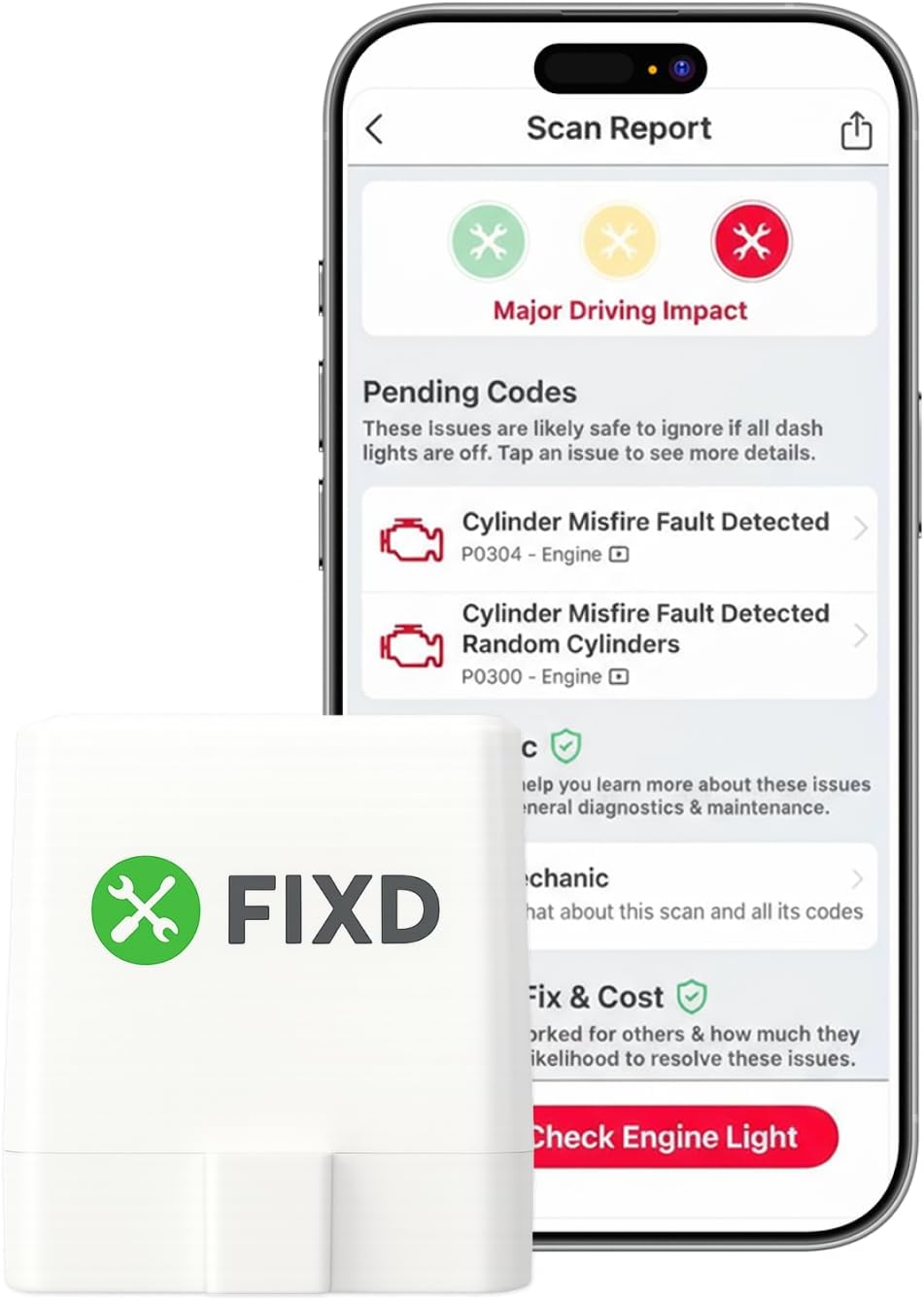
Best Bluetooth OBD2 Scanner
Detect 39,000+ Issues With Enhanced Codes. Save $1000s on car repairs & buying used vehicles by diagnosing problems yourself.
Shop on Amazon
Common Causes Of Central Locking Failure
Dead Or Dying Battery
Your BMW’s battery powers everything, including the central locking system. A weak or dying battery is the single most common reason your locks stop responding. If your battery is low, the electrical current might not have enough power to activate the door lock actuators across all doors.
You’ll often notice other signs too, dim interior lights, slow engine cranking, or the dashboard warning light flickering on and off. If you’ve owned your car for 3-5 years without a battery replacement, it’s worth checking. Most BMW batteries last 3-5 years depending on driving habits and climate conditions.
Faulty Door Lock Actuators
Each door in your BMW has an electric actuator that physically locks and unlocks the mechanism. These small motors wear out over time, especially on doors you use most frequently. When an actuator fails, that door won’t lock or unlock with the central system, even if everything else works fine.
You might hear clicking sounds when you press the lock button but the door doesn’t respond. Sometimes one door locks but others don’t, which is a clear sign of an actuator problem. Actuators typically cost $150-$400 per door, depending on your model year.
Damaged Wiring And Electrical Connections
BMW central locking relies on a complex network of wires connecting the main control module to each door. Road salt, moisture, age, and vibration can all damage these connections. Corroded connectors or loose wires will prevent signals from reaching the lock actuators.
This is especially common in older BMWs or cars exposed to harsh winters. The damage might be near the door hinges where wires flex constantly, or under the car where salt spray does its damage. A mechanic can trace these circuits with diagnostic equipment to find the exact problem.
Control Module Malfunction
The central locking control module acts as the brain of your system. It receives signals from your key fob and sends commands to unlock or lock all doors simultaneously. If this module fails, nothing works, even if every other component is fine.
Control module issues are less common than the others on this list, but they’re usually more expensive to fix. Replacement modules cost $500-$1,200 depending on your BMW model. But, many shops can reprogram a faulty module instead of replacing it, which saves money.
How To Diagnose The Problem
Check The Battery Condition
Start by testing your battery, it’s the quickest and cheapest troubleshooting step. You can buy an inexpensive battery tester online for under $20, or your local auto parts store will test it for free. A healthy BMW battery should show between 12.6 and 14.4 volts when the engine is running.
If your battery reads below 12 volts, it’s dying and needs replacement. If you’re between 12-12.6 volts with the engine off, your battery is weak. Try jumping your car or charging the battery overnight, then test your central locking. If it works after the battery charge, you’ve found your problem.
Test The Key Fob And Manual Locks
Your key fob might be the culprit instead of the car itself. Try using the manual lock button inside your car on the door panel. If manual locks work but the fob doesn’t, the issue is with your key fob, not the central system. Key fob batteries are cheap ($5-$15) and easy to replace yourself.
You can open most BMW key fobs by locating the small slot on the edge and prying gently with a flat tool. Replace the battery (usually CR2032) and snap it back together. Test again, if the fob works now, problem solved. If manual locks don’t work either, move to the next diagnosis step.
Use Diagnostic Scanning Tools
A diagnostic scanner plugs into your BMW’s OBD-II port (usually under the steering wheel) and reads error codes from the control modules. These codes tell you exactly which system is failing. You don’t need a $1,000 professional scanner, many reasonably priced options are available online for $50-$150.
Common error codes for central locking issues include 00643 (door lock module malfunction) and 00700 (door lock actuator fault). If you see these codes, you know whether it’s an actuator or the control module causing problems. If you’re not comfortable using a scanner yourself, any BMW mechanic can run this test in minutes for a small fee.
Repair And Troubleshooting Solutions
DIY Fixes You Can Try
Before paying a mechanic, try a few simple fixes that sometimes resolve central locking issues. First, try reprogramming your key fob. Many BMW models allow you to reprogram the fob yourself by turning the key to the on position, then off, then on again several times in rapid succession. Consult your owner’s manual for the exact sequence for your model year.
Second, try disconnecting your car battery for 15 minutes, then reconnecting it. This resets the central locking control module and clears any software glitches. Hold the fob lock button while doing this to reprogram the system. Sometimes a simple reset fixes everything.
Third, check the door lock switches inside each door. Push them firmly to ensure they’re making proper contact. Clean any corrosion with a small amount of electrical cleaner. These simple steps take 30 minutes and cost almost nothing.
When To Seek Professional Help
If DIY fixes don’t work, take your BMW to a qualified mechanic. If the diagnostic scanner shows an actuator error code, you need a replacement. If the control module is faulty, reprogramming usually works, but replacement is sometimes necessary. Professional mechanics have the proper equipment and experience to complete these repairs correctly.
Expect to pay $150-$400 for an actuator replacement, $50-$200 for a control module reprogram, or $500-$1,200 for a module replacement. Wiring repairs vary depending on where the damage is located. Always get a detailed estimate before authorizing work, and ask if your mechanic can reprogram a module instead of replacing it, it’s cheaper and often just as effective.
Here’s a quick reference table for typical repair costs:
| Repair Type | Cost Range | Time Required |
|---|---|---|
| Key fob battery replacement | $5-$15 | 10 minutes |
| Battery replacement | $100-$200 | 30 minutes |
| Door lock actuator replacement | $150-$400 | 1-2 hours |
| Control module reprogram | $50-$200 | 30 minutes |
| Control module replacement | $500-$1,200 | 2-3 hours |
| Wiring repair | $100-$300 | 1-3 hours |
Common repairs you should know about:
- Battery issues are the easiest fix, replace and test
- Actuators need professional replacement but are affordable
- Control module problems require diagnostic equipment
- Wiring damage varies in difficulty based on location
- Most BMW dealers charge 2-3x what independent shops charge
Prevention Tips For Future Lock Issues
Keep your central locking system healthy by maintaining your battery. Replace it every 3-4 years before it fails completely. A proactive battery replacement costs $100-$200 and prevents unexpected lock failures and other electrical problems.
Regularly use your central locking system. Actuators that sit unused for months are more likely to seize up or fail. Lock and unlock your doors with the fob several times a week to keep the mechanisms moving smoothly.
Protect your car from harsh elements. If you live where road salt is common, rinse underneath your car periodically. This prevents corrosion of the wiring and connectors that make central locking work. Parking in a garage when possible also extends the life of electrical components.
Check your key fob regularly. If you notice it’s getting sluggish or less responsive, the battery is probably weak. Replace it immediately before it dies completely. A new key fob battery takes two minutes and costs almost nothing compared to being locked out.
Take your BMW to a trusted mechanic for regular maintenance. During annual inspections, ask them to check the central locking system for any signs of wear or corrosion. Early detection prevents expensive repairs down the road.
Frequently Asked Questions
What are the most common causes of BMW central locking not working?
The most common causes are a dead or dying battery, faulty door lock actuators, damaged electrical wiring, and malfunctioning control modules. A weak battery is the single most common reason, followed by worn-out actuators on frequently-used doors. Corroded connectors or loose wires can also prevent lock signals from reaching actuators.
How can I fix my BMW central locking system myself?
Start with simple DIY fixes: reprogram your key fob using your owner’s manual instructions, disconnect the battery for 15 minutes to reset the control module, or check door lock switches for corrosion. Test your battery voltage (should be 12.6-14.4 volts when running). If manual locks work but the fob doesn’t, replace the key fob battery first.
How much does it cost to repair BMW central locking problems?
Costs vary by issue: key fob battery replacement ($5-$15), battery replacement ($100-$200), door lock actuator replacement ($150-$400), control module reprogram ($50-$200), or control module replacement ($500-$1,200). Wiring repairs range from $100-$300. Independent shops typically cost 2-3x less than BMW dealers.
How do I know if my BMW door lock actuator is faulty?
Signs of a faulty actuator include clicking sounds when pressing the lock button without the door responding, or some doors locking while others don’t. A diagnostic scanner will show error code 00700 for door lock actuator faults. Actuators wear out over time, especially on frequently-used doors, and typically need professional replacement.
Can a dead battery cause central locking to stop working on a BMW?
Yes, a dead or dying battery is the most common reason BMW central locking fails. The battery powers all electrical systems, including lock actuators. If your battery voltage is below 12 volts, try charging it or jumping the car. If central locking works after the battery charge, a new battery replacement ($100-$200) will solve your problem.
What diagnostic tools do I need to identify BMW central locking issues?
An OBD-II diagnostic scanner (costing $50-$150) plugs into your BMW’s diagnostic port and reads error codes. Error code 00643 indicates a door lock module malfunction, while 00700 indicates an actuator fault. If you’re uncomfortable using a scanner, any BMW mechanic can run diagnostics in minutes for a small fee.