

Your BMW heads-up display shows you speed, navigation, and alerts right on your windshield, without taking your eyes off the road. When it stops working, the convenience disappears, and you’re left fumbling with your dashboard instead of focusing on driving. The good news? Most HUD problems have simple fixes you can try yourself before heading to the dealer.
Your BMW heads-up display might not be working due to disabled settings, software issues, or brightness adjustments, but many of these problems can be fixed in minutes using basic troubleshooting and reset techniques. A few quick checks in your iDrive menu or a soft reset through your vehicle’s systems often restores the display to full function. If those don’t work, we’ll walk you through more advanced fixes and help you know when professional service is needed.
This guide covers everything from understanding what your HUD does to diagnosing problems and applying solutions that work on most BMW models. Follow these steps in order, and you’ll have a much better chance of getting your heads-up display back online without an expensive dealer visit.
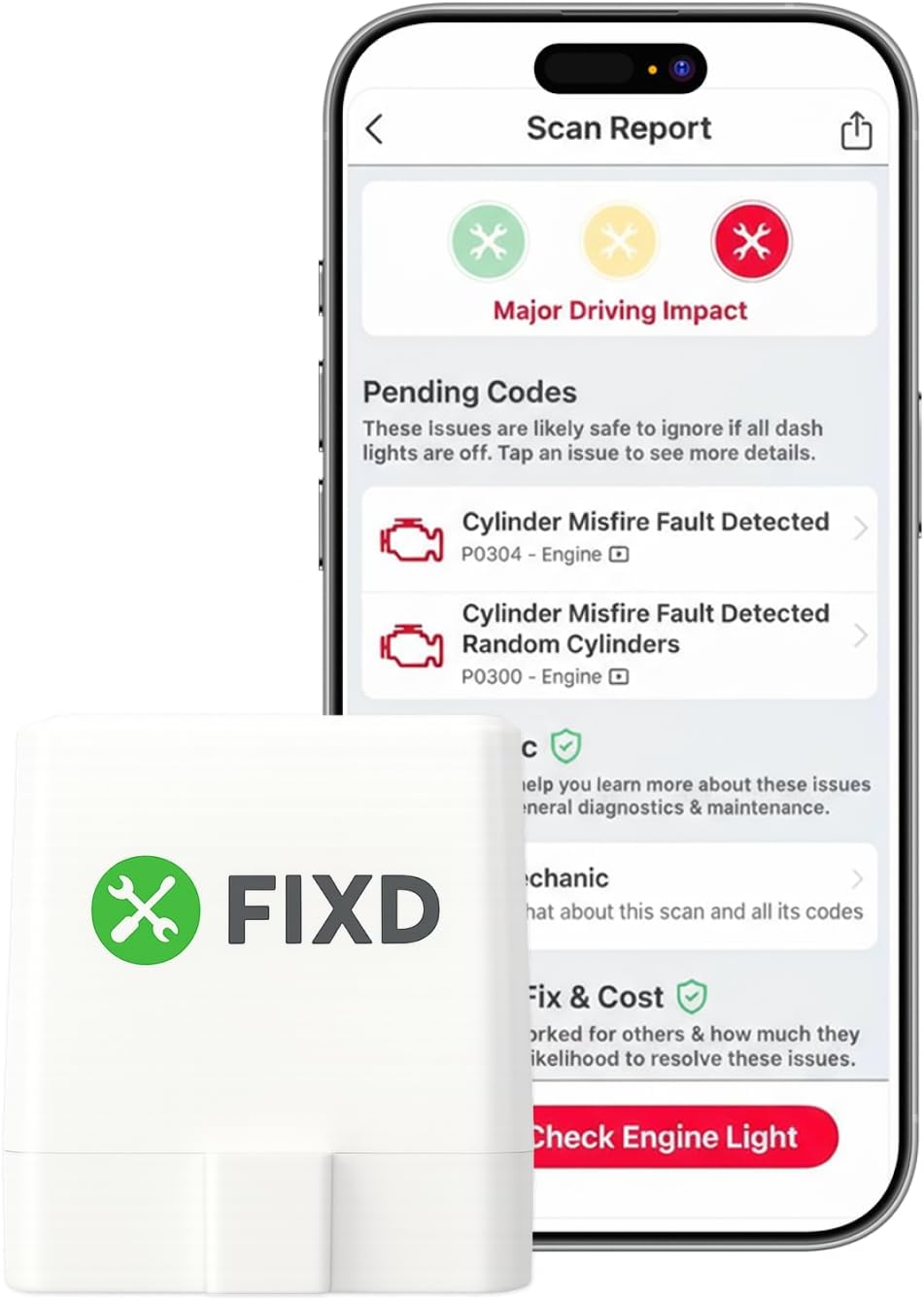
Best Bluetooth OBD2 Scanner
Detect 39,000+ Issues With Enhanced Codes. Save $1000s on car repairs & buying used vehicles by diagnosing problems yourself.
Shop on Amazon
Understanding Your BMW Heads-Up Display
What Is a Heads-Up Display?
Your BMW’s heads-up display projects important driving information onto your windshield in your direct line of sight. This includes your current speed, navigation directions, engine temperature, and incoming calls or messages. The system uses a small projector unit mounted under your dashboard that beams data onto a reflective strip at the base of your windshield.
The HUD adjusts automatically based on lighting conditions, brighter in sunlight and dimmer at night. You can customize what information appears on the display and control brightness levels through your iDrive system. Most BMW models from 2009 onward include this feature as either standard equipment or an optional add-on.
The HUD connects to multiple vehicle systems including your speedometer, GPS navigation, and communication modules. This integration makes it incredibly useful for safety because you don’t need to look down at gauges. Everything you need appears right where you’re looking, at the road ahead.
Common Issues That Affect BMW HUDs
Several problems can cause your HUD to stop displaying information or show it incorrectly. The most common issue is accidental disabling through iDrive menus or settings adjustments. Owners sometimes turn off the HUD without realizing it, then assume the hardware is broken.
Software glitches happen frequently after BMW software updates. Your iDrive system may fail to properly load the HUD module, causing the display to appear blank even when enabled. This type of problem usually responds well to a soft reset.
Brightness settings set too low can make the display appear to be off. When adjusted to minimum levels, the HUD becomes nearly invisible in most lighting conditions. A simple brightness adjustment often solves this within seconds.
Physical issues include dirt or condensation on the windshield where the image projects, obstructions blocking the projector unit, or actual hardware failure inside the projection system itself. Water entering the projector during heavy rain or windshield washing can temporarily disable the unit.
| Common HUD Issues | Severity | Typical Fix Time |
|---|---|---|
| HUD disabled in settings | Low | Less than 1 minute |
| Brightness too low | Low | Less than 1 minute |
| Software glitch | Medium | 5–10 minutes |
| Dirty windshield projection area | Low | 2–5 minutes |
| Software update issue | Medium | 10–20 minutes |
| Hardware failure | High | Dealer service required |
Basic Troubleshooting Steps
Check Display Settings and Brightness
Start with the simplest fix first: brightness adjustment. Your HUD won’t be visible if the brightness is set to the lowest level. Press the brightness button on your steering wheel (usually marked with a sun symbol) while your HUD is active, and increase the brightness gradually.
While increasing brightness, watch your windshield closely. The HUD display should become more visible with each adjustment. In bright daylight, you may need to set brightness to higher levels. At night, moderate to low settings usually work better to avoid glare.
If you don’t see any change when adjusting brightness, your HUD may be disabled entirely. Check your iDrive display to see if brightness controls even appear as an option. Missing controls suggest the system isn’t currently active.
You can also adjust HUD settings directly through your iDrive home screen. Navigate to Settings > Display and Brightness > Head-Up Display if this menu option appears. Some BMW models use slightly different menu paths, but the Settings > Display section is consistent across generations.
Verify the HUD Is Enabled in iDrive
Your HUD has an on/off toggle in iDrive that you must check. Navigate to iDrive Settings and look for Display or Head-Up Display options. The setting may appear under different names depending on your BMW model year and software version.
If you find the HUD toggle and it’s currently off, turn it on immediately. Your display should activate within seconds. Give the system a few moments to fully load the projection.
In some cases, the menu option for HUD control won’t appear at all. This usually means your BMW model doesn’t have HUD hardware installed, or the software module isn’t loading properly. Before assuming hardware failure, try the soft reset methods in the next section.
Another settings check involves notifications and messages. Your HUD can show or hide incoming calls and text alerts. If you’ve adjusted these settings to hide notifications, your HUD may appear blank when no navigation is active. Enable notification display if you want to see messages on your HUD.
How to Perform a Soft Reset
Restarting Through iDrive Menu
The iDrive system can be restarted without turning off your entire vehicle. Find the iDrive Settings menu on your main display screen and look for a restart or reset option. Some BMW models label this as “Power Down” or “Reboot System.”
Select the restart option and confirm when prompted. The iDrive screen will go dark for about 10–15 seconds as the system powers down and restarts. Once the screen comes back to life, it reloads all modules including the HUD system.
Wait at least 30 seconds after the iDrive system has fully restarted before checking your HUD. Sometimes modules take a moment to fully initialize. Start your vehicle if it’s off, and check whether your HUD is now displaying properly.
This method is gentle and requires no tools. It works well when your HUD stopped working after a software update or after leaving your vehicle parked for several days. The restart clears temporary software glitches without affecting your settings or saved data.
Battery Disconnect Method
If the iDrive restart didn’t help, a complete battery disconnect forces a deeper system reset. This method resets both your iDrive system and all other vehicle computers to factory defaults. Your HUD will return to default settings, which means you may need to re-adjust preferences afterward.
Turn off your engine completely. Open your hood and locate your negative battery terminal (marked with a minus sign or black cover). Using a wrench, carefully loosen the negative battery cable by turning the bolt counterclockwise.
Remove the cable completely from the terminal and set it aside where it won’t touch the battery. Wait for at least 15 minutes. This waiting period is crucial because capacitors in your vehicle systems need time to fully discharge.
After 15 minutes have passed, reconnect the negative battery cable by reversing the removal process. Tighten the bolt securely but don’t over-tighten it. Start your vehicle and allow all systems to fully boot up, which takes 2–3 minutes.
check your HUD once the vehicle is completely ready. In most cases, if the HUD wasn’t displaying due to a software glitch, it should now function properly. You may need to adjust brightness and settings again since the reset returns systems to defaults.
Important: Only attempt the battery disconnect method if you’re comfortable working with vehicle electrics. If you’ve never disconnected a battery before, consult your owner’s manual or ask a trusted mechanic for guidance.
Advanced Fixes for Persistent Problems
Checking for Software Updates
BMW releases regular software updates that improve HUD performance and fix known issues. Check whether an update is available for your vehicle’s iDrive system. Many BMW dealers can check update status during service, but you can also visit the official BMW owner’s portal to see if your vehicle has pending updates.
Some updates must be installed at a dealer service center, while others can be installed over the air through your vehicle’s connected services. Follow the update process exactly as outlined in your owner’s manual or BMW’s official instructions.
After completing any software update, perform a soft reset using one of the methods above. The restart helps ensure the HUD module loads with the new software properly. Sometimes the first startup after an update has minor glitches that clear after a restart.
If your HUD stopped working immediately after an update, document the exact update version and date. This information helps your BMW dealer troubleshoot if you need professional service later.
Adjusting Windshield Positioning and Cleaning
Dirt, water spots, and debris on your windshield can block the HUD image. The projector beams light onto a reflective strip at the base of your windshield, so even small obstructions create visibility problems. Clean the interior windshield where the HUD projects with a soft microfiber cloth and quality glass cleaner.
Focus on the area at the bottom third of your windshield where the HUD image appears. Remove any water spots, dust, or condensation completely. In humid climates, condensation inside the windshield can form overnight and block the display until cleaned off.
Check your windshield for physical damage like cracks or chips in the reflection area. Even hairline cracks can scatter the projected light and make the display unreadable. If you find significant damage, windshield replacement may be necessary.
The HUD projector unit sits under your dashboard near the steering column. Verify that nothing blocks this area, no clutter, cables, or covers that might obstruct the light beam. If you’ve recently had dashboard work done or installed aftermarket accessories, ensure they haven’t blocked the projector.
In cold weather, allow your vehicle to warm up for several minutes before expecting the HUD to display clearly. When the projector is very cold, it needs time to reach working temperature. Once warmed up, the display should appear sharper and brighter.
When to Seek Professional Help
Hardware Failure Indicators
If basic troubleshooting and soft resets haven’t restored your HUD, hardware failure is possible. Signs of actual hardware problems include error messages appearing on your iDrive display when you try to enable the HUD, or repeated system crashes when the HUD is active.
Another indicator is flickering or distorted images that don’t improve with brightness adjustment or windshield cleaning. Flickering can signal electrical problems in the projector unit. Distorted images sometimes mean the projection lens is dirty internally or misaligned.
If your HUD displays fragments of images or shows only partial data (like just your speed but no navigation), this suggests internal hardware problems rather than software issues. Partial displays usually indicate problems with specific circuits within the projector.
A burning smell coming from under your dashboard when you try to use the HUD indicates an electrical short in the projector. Stop using the HUD immediately and seek professional service to prevent fire risk.
BMW Dealer Diagnostics and Repair Options
Your BMW dealer has specialized diagnostic equipment that can identify the exact cause of your HUD problem. They can run tests on the projector unit, wiring, and software modules to pinpoint what’s failed. This diagnosis typically costs $100–$200 but saves time by preventing unnecessary repairs.
repair costs vary significantly based on what’s actually broken. Software updates or reprogramming usually cost $50–$150. Replacing a projector unit typically runs $300–$800 including labor, depending on your BMW model. Wiring repairs fall between these extremes at roughly $200–$500.
If your vehicle is still under warranty, HUD repairs may be covered completely. Check your warranty documentation or ask your dealer whether your specific issue qualifies for coverage. Warranty coverage depends on your model year and the cause of failure.
Some independent BMW specialists offer competitive pricing compared to dealer service. Research local shops that specialize in BMW repairs and ask about their HUD diagnostic capabilities. Get detailed quotes before authorizing work to understand exactly what repairs are needed and their cost.
Helpful tip: Document any error messages that appear on your iDrive display and take photos of them. Bring this information to your dealer to speed up the diagnostic process and ensure accurate repairs.
Frequently Asked Questions
What causes a BMW heads-up display not to work?
BMW HUD failures typically stem from disabled settings, low brightness levels, software glitches, or hardware issues. Common causes include accidental disabling through iDrive menus, software updates that fail to load the HUD module, dirty windshield projection areas, or physical obstructions blocking the projector unit under your dashboard.
How do I reset my BMW heads-up display?
You can perform a soft reset through iDrive Settings by selecting the restart or power-down option, which reboots the system in 10-15 seconds. For a deeper reset, disconnect your negative battery terminal for at least 15 minutes, then reconnect it. Both methods clear software glitches and restore HUD functionality in most cases.
Why is my BMW HUD display too dim or invisible?
Brightness set to minimum levels makes the HUD nearly invisible. Press the brightness button (sun symbol) on your steering wheel and increase it gradually while watching your windshield. Also check iDrive Settings > Display and Brightness > Head-Up Display to ensure the HUD is enabled and notifications are set to display.
Can I fix a BMW heads-up display issue myself?
Yes, most HUD problems can be resolved with basic troubleshooting: check brightness settings, verify the HUD is enabled in iDrive, clean your windshield where the image projects, and perform a soft reset. These fixes take minutes and work for software glitches, disabled settings, and minor visibility issues without requiring dealer service.
When should I take my BMW to a dealer for HUD repair?
Seek professional service if you see error messages when enabling the HUD, experience persistent flickering or distorted images, smell burning from under the dashboard, or notice the HUD shows only partial data. Dealer diagnostics cost $100-$200 and can identify hardware failures that basic troubleshooting cannot resolve.
How much does it cost to fix a BMW heads-up display?
HUD repair costs vary: software updates or reprogramming run $50-$150, projector unit replacement costs $300-$800 including labor, and wiring repairs typically fall between $200-$500. If your vehicle is under warranty, repairs may be fully covered. Check with your dealer about warranty eligibility for your specific issue.