

You’re driving on the highway when a warning light appears on your dashboard: “Engine Malfunction, Reduced Power.” Your stomach drops. Your BMW suddenly feels sluggish, and you’re not sure what went wrong. The good news? This warning doesn’t mean your engine has failed, and you’re not stranded. The bad news? You need to act fast.
The reduced power warning in BMW vehicles is a safety feature that kicks in when your car’s engine detects a problem. Your engine automatically limits power output to prevent damage and keep you safe on the road. Understanding what triggers this warning and knowing your next steps can save you thousands in repair costs and keep you from being stuck roadside.
This guide walks you through what causes reduced power warnings, what you should do immediately, and how to get your BMW back to full performance.
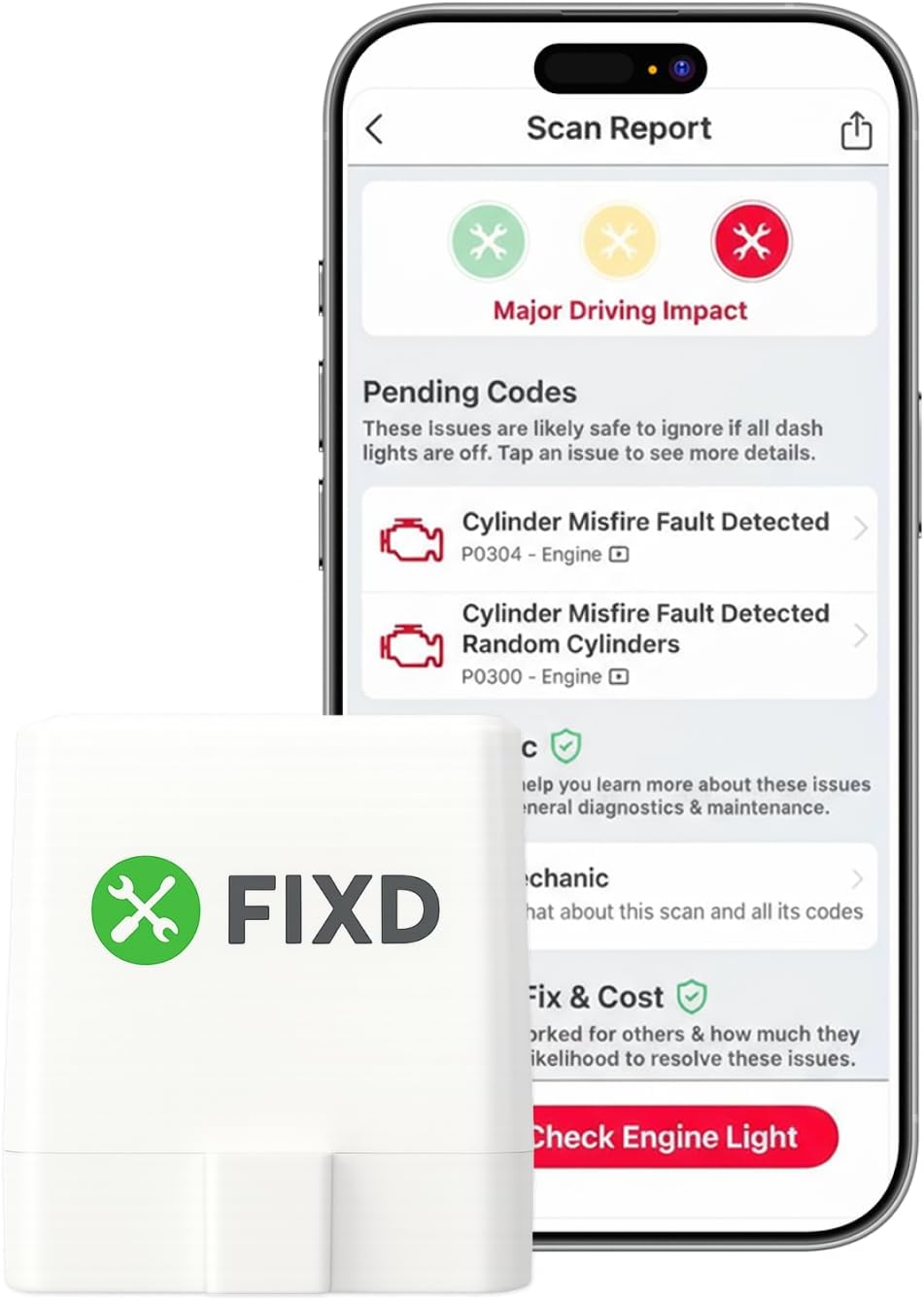
Best Bluetooth OBD2 Scanner
Detect 39,000+ Issues With Enhanced Codes. Save $1000s on car repairs & buying used vehicles by diagnosing problems yourself.
Shop on Amazon
Understanding the Reduced Power Warning Light
What Triggers the Reduced Power Message
Your BMW’s onboard computer monitors dozens of engine parameters in real time. When something falls outside the normal range, the engine management system responds by limiting power output. This happens automatically without you having to do anything.
Common triggers include faulty oxygen sensors, vacuum leaks, fuel pressure problems, and electrical faults. Your car’s diagnostic system detects these issues and activates the reduced power mode to protect the engine from damage. The warning light appears to alert you that something needs attention.
You might notice your engine feels weak, acceleration drops, and the vehicle struggles to reach normal speeds. Some drivers report a noticeable difference in performance, while others describe it as subtle.
Why BMW Uses This Safety Feature
BMW engineered this safety feature to prevent catastrophic engine damage. Running a damaged engine at full power can cause serious harm. Metal-on-metal contact, overheating, and component failure become real risks without power reduction.
The reduced power mode also protects your transmission, catalytic converter, and other expensive components. By limiting output early, your car prevents a small problem from becoming a major breakdown. This approach has saved countless BMW owners from expensive repairs that could have cost $5,000 or more.
Common Causes of Reduced Power in BMW Vehicles
Fuel System Issues
Fuel system problems rank among the most frequent causes of reduced power warnings. Your BMW requires precise fuel pressure to function properly. When fuel pressure drops below specification, the engine can’t run at full capacity.
Clogged fuel filters restrict fuel flow and cause pressure loss. Fuel pump problems develop over time, especially in older BMW models. Faulty fuel pressure regulators allow pressure to drop unexpectedly. All these issues trigger the reduced power warning.
Fuel injectors can also become dirty or clogged. When injectors don’t spray fuel properly, combustion becomes incomplete. Your engine management system detects this misfiring and activates reduced power mode.
Ignition and Spark Plug Problems
Worn or fouled spark plugs frequently cause reduced power warnings. Spark plugs wear out over time, and their electrodes become eroded. When spark plugs can’t produce a strong spark, fuel ignition becomes inconsistent.
Ignition coils control spark generation. A failing ignition coil produces weak sparks or no spark at all in specific cylinders. Your car detects misfires immediately and limits power to protect the engine.
Many BMW owners replace spark plugs every 30,000 to 40,000 miles. Following your vehicle’s maintenance schedule helps prevent ignition-related reduced power warnings.
Transmission and Electrical Faults
Transmission problems can trigger reduced power mode even though the engine runs fine. When the transmission control module detects a fault, it may signal the engine to reduce output. This protects the transmission from damage while the problem develops.
Electrical faults in the engine management system cause false readings. A faulty mass air flow sensor, oxygen sensor, or throttle position sensor sends incorrect data to the computer. Your engine responds by limiting power until the system recalibrates.
Battery voltage problems also play a role. When battery voltage drops too low, the engine management system can’t operate properly. Ground connection issues create similar electrical problems that trigger the warning.
| Common Cause | Typical Cost | Urgency |
|---|---|---|
| Spark Plugs | $150–$400 | Medium |
| Fuel Filter | $200–$500 | Medium |
| Ignition Coil | $300–$800 | High |
| Oxygen Sensor | $400–$900 | High |
| Mass Air Flow Sensor | $350–$750 | Medium |
Immediate Steps to Take When You See the Warning
Pull Over Safely and Assess the Situation
Don’t panic when the warning appears. You still have power to drive, just at reduced capacity. Find a safe location to pull over when traffic allows. Turn off the engine and wait a few minutes.
While parked, check for obvious problems. Look for fluid leaks underneath the car. Inspect the engine bay for loose hoses, disconnected wires, or visible damage. Smell for burning plastic, oil, or fuel.
Don’t ignore the warning and keep driving hard. Continued high-speed driving with reduced power can cause additional damage. Treat this as a serious signal that immediate attention is needed.
Check for Additional Warning Lights
Look at your dashboard carefully. The reduced power warning rarely appears alone. Other warning lights tell you what system triggered the alert.
Check for service indicator lights, ABS warnings, transmission lights, and temperature warnings. A check engine light almost always accompanies the reduced power message. These additional lights give clues about what caused the problem.
Note which lights appear and in what order. This information helps your mechanic diagnose the issue more quickly. Take a photo of your dashboard with your phone to remember the exact warnings.
Restart Your Engine
After pulling over safely, turn your engine off completely and let it cool for several minutes. This reset sometimes clears temporary faults from the system. Restart the engine and check if the warning disappears.
Often, a brief interruption in electrical connection or a temporary sensor reading triggers the warning. Restarting can resolve these temporary issues. Many BMW owners report that the warning clears after a restart and doesn’t return.
If the warning returns immediately after restart, the problem is genuine and requires professional diagnosis. Don’t attempt to drive long distances with the warning active. The repeated warning indicates a persistent fault that needs repair.
You should plan to visit a service center within the next few days. Continuing to drive with an active engine warning can cause additional damage and result in higher repair costs.
Professional Diagnostic Testing and Repairs
Reading the Diagnostic Trouble Codes
Your BMW stores diagnostic trouble codes in its onboard computer. These codes identify the specific system triggering the reduced power warning. A diagnostic scanner reads these codes and gives mechanics exact information about what’s wrong.
Common trouble codes include P0171 (system too lean), P0300 (random misfires), and P0135 (oxygen sensor problems). Each code points to a specific component or system. Professional diagnostic equipment gives precise guidance for repairs.
You can visit any BMW service center or independent shop with diagnostic equipment. Many shops charge $50 to $150 for diagnostic scanning. This small investment saves time and prevents unnecessary repairs.
Bring your notes about when the warning appeared and any unusual sounds or smells you noticed. Tell the mechanic if the warning returned after a restart or stayed constant. This context helps speed up the diagnosis.
When to Visit a BMW Service Center
Schedule an appointment with a BMW service center if the warning persists after restart. Official BMW centers have access to factory diagnostic equipment and updated software. They understand BMW-specific issues that independent shops might miss.
But, many independent mechanics can diagnose and repair BMW vehicles effectively. Choose a shop with experience working on BMW models. Read reviews and ask about their diagnostic process.
Don’t delay getting professional help. Driving with reduced power enabled causes ongoing damage. What starts as a spark plug replacement can become a catalytic converter replacement if ignored. Professional diagnosis within a few days protects your investment.
Bring your vehicle’s maintenance records. Document any recent work or modifications. This information helps mechanics understand your car’s history and current condition.
Prevention and Maintenance Tips
Follow your BMW’s recommended maintenance schedule closely. Regular oil changes, air filter replacements, and spark plug service prevent many reduced power warnings. Your owner’s manual specifies exact maintenance intervals for your model year.
Keep your fuel system clean. Use quality fuel from reputable stations. Consider adding fuel system cleaner to your tank occasionally. Clean fuel prevents many common issues that trigger the warning.
Check your battery regularly. A weak battery causes electrical problems that can trigger false warnings. Test battery health annually and replace when needed.
Inspect engine hoses and connections during routine maintenance. Loose wires or disconnected vacuum hoses cause sensor problems. Address these small issues before they trigger warning lights.
Here are key maintenance tasks that prevent reduced power warnings:
- Replace spark plugs at manufacturer-recommended intervals (typically 30,000 to 40,000 miles)
- Change engine oil and filter according to your BMW’s schedule
- Replace air filters annually or every 15,000 miles
- Inspect fuel filters and replace when needed
- Test oxygen sensors and replace if they read outside specification
- Check all electrical connections in the engine bay annually
- Keep your battery terminals clean and free of corrosion
- Use premium fuel if your model requires it
Frequently Asked Questions
What causes BMW engine malfunction reduced power warning?
The reduced power warning occurs when your BMW’s engine detects problems like faulty oxygen sensors, vacuum leaks, fuel pressure issues, ignition coil failures, or electrical faults. Your engine automatically limits power to prevent damage and keep you safe on the road.
Is it safe to keep driving with reduced power mode active?
While reduced power mode allows you to drive, you should not continue long-distance driving. The warning indicates a serious issue requiring professional diagnosis. Continued driving can cause additional damage and increase repair costs significantly.
What should I do first when I see the engine malfunction reduced power light?
Pull over safely, turn off the engine, and wait a few minutes. Check for fluid leaks, loose hoses, or visible damage. Restart the engine—sometimes temporary faults clear after a reset. If the warning returns immediately, schedule a professional diagnostic within days.
How much does it cost to fix BMW reduced power warning issues?
Repair costs vary widely: spark plugs ($150–$400), fuel filters ($200–$500), ignition coils ($300–$800), oxygen sensors ($400–$900), and mass air flow sensors ($350–$750). Professional diagnostic testing costs $50–$150 and helps identify the exact problem.
Can a bad battery cause BMW reduced power warning?
Yes, battery voltage problems or poor ground connections can trigger reduced power warnings. When battery voltage drops too low, the engine management system malfunctions and limits power. Regular battery testing and terminal maintenance prevent these electrical issues.
How often should I replace spark plugs to prevent reduced power warnings?
BMW manufacturers recommend replacing spark plugs every 30,000 to 40,000 miles. Following this maintenance schedule prevents ignition-related reduced power warnings. Regular maintenance on fuel filters, air filters, and oxygen sensors also keeps your engine running optimally.