

Your BMW’s check engine light just turned on, and your first reaction is to panic. You pull over, listen carefully, and notice nothing feels wrong. The engine sounds normal, the car accelerates smoothly, and you’re not seeing any obvious problems. This scenario happens to thousands of BMW drivers every year, and the good news is that your car doesn’t always need emergency service when this light appears.
The check engine light means your vehicle’s onboard diagnostic system has detected a problem with the engine, emissions system, or transmission. This warning doesn’t automatically mean your engine is failing, it’s simply your BMW’s way of telling you something needs attention. The problem could range from something simple like a loose gas cap to something more serious that requires professional repair.
Understanding what triggers this light and knowing when to take action can save you time, money, and unnecessary stress. Let’s walk through what you need to know about your BMW’s check engine light and how to handle it.
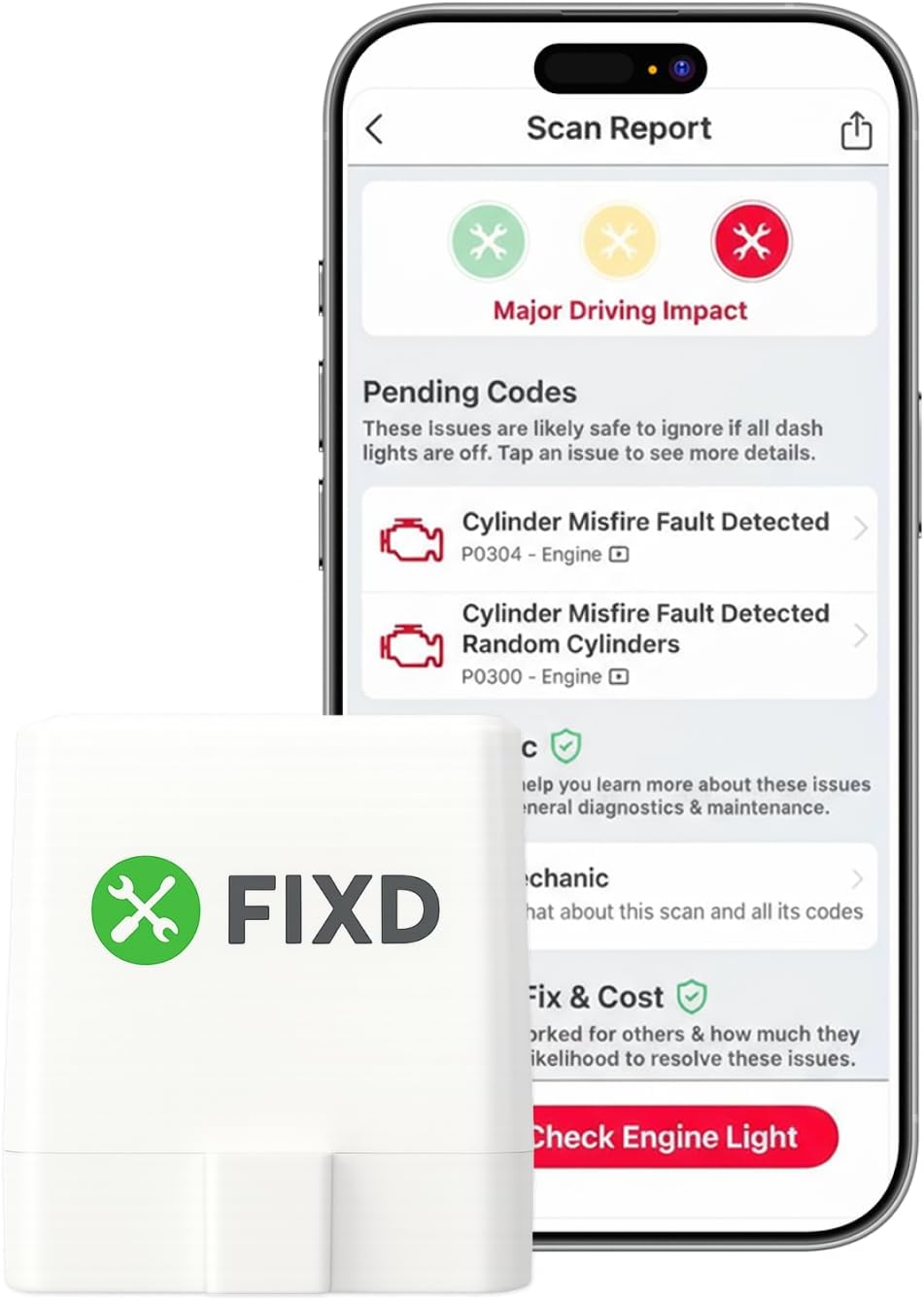
Best Bluetooth OBD2 Scanner
Detect 39,000+ Issues With Enhanced Codes. Save $1000s on car repairs & buying used vehicles by diagnosing problems yourself.
Shop on Amazon
What Does The Check Engine Light Mean
Your BMW has a sophisticated onboard diagnostic system called OBD-II (Onboard Diagnostic System II). This system constantly monitors your engine’s performance, emissions systems, and transmission. When it detects a problem, even a minor one, the check engine light activates on your dashboard.
The light typically appears as a small engine symbol and can be either steady or blinking. A steady light usually means the problem is not urgent but still requires diagnosis. A blinking check engine light, but, signals a more serious issue like a misfiring engine that could damage your catalytic converter. If yours is blinking, you should limit driving and get the car scanned quickly.
Because the light can indicate dozens of different problems, you can’t know what’s wrong just by looking at it. The diagnostic code stored in your vehicle’s computer is the real clue. You’ll need to retrieve this code to understand what system is flagging the warning. The code tells technicians or diagnostic equipment exactly what triggered the light, making it far easier to identify the actual problem affecting your BMW.
Common Reasons Your BMW Check Engine Light Is On
Several common issues trigger the check engine light in BMWs. Some are simple fixes you can handle yourself, while others need professional attention. Here are the most frequent culprits:
Loose Or Faulty Gas Cap
One of the easiest fixes starts at your fuel door. Your gas cap seals the fuel tank and helps maintain pressure in your fuel system. A loose, missing, or cracked gas cap can trigger the check engine light because it disrupts fuel system pressure readings. When you fill up at the pump, check that your cap is tight.
If it’s cracked or damaged, replace it with a new one. This simple five-dollar fix solves the problem for many BMW owners. If the light stays on after tightening the cap, the issue likely goes deeper.
Oxygen Sensor Issues
Oxygen sensors measure how much unburned oxygen remains in your exhaust. Your BMW has at least two of these sensors, and they help your engine run efficiently. When an oxygen sensor fails, it can’t properly gauge fuel mixture, causing the check engine light to activate.
A failing oxygen sensor won’t necessarily make your car feel broken, it often just reduces fuel economy. You might notice your car running a bit rougher, but many drivers don’t detect any symptoms at all. Replacing an oxygen sensor typically costs between $200 and $400 at a BMW service center.
Catalytic Converter Problems
Your catalytic converter cleans harmful emissions before they exit your exhaust system. It’s an expensive component, replacement can cost $800 to $2,000 depending on your BMW model. When a catalytic converter fails, it triggers the check engine light and can reduce engine performance.
You might notice reduced acceleration or a rattling sound from under your car. Catalytic converter issues usually develop over time and aren’t typically emergencies if the car runs fine otherwise. But, ignoring the problem can damage other parts of your emissions system.
Mass Air Flow Sensor Malfunction
The mass air flow (MAF) sensor tells your engine how much air is entering it. This helps your BMW calculate the correct fuel mixture for combustion. A dirty or faulty MAF sensor causes the check engine light to illuminate and often makes your engine feel sluggish or hesitant.
You might feel rough acceleration or hear unusual engine sounds. Sometimes simply cleaning the sensor solves the problem. If it’s actually broken, replacement usually costs $150 to $300. This is one issue where you might notice performance changes even if the light is your only concrete warning.
Should You Be Concerned If Your BMW Runs Fine
This is the question most BMW drivers ask when their car seems to run normally even though the warning light. The short answer is yes, you should still have it diagnosed, but you probably don’t need to panic or stop driving immediately.
The fact that your car runs fine is actually good news. It suggests the problem is in its early stages or is something relatively minor. Your BMW’s engine and transmission are designed with built-in safety systems. If something truly catastrophic was happening, your car would likely show obvious symptoms, loss of power, strange noises, overheating, or poor handling.
But, ignoring the light completely isn’t wise either. Many problems worsen over time. What starts as a small emissions issue can eventually damage expensive components. For example, if an oxygen sensor is failing, continuing to drive your car burns extra fuel and strains your engine unnecessarily.
Leaving a loose gas cap alone allows the fuel system to stay pressurized incorrectly. Even simple problems compound when left unaddressed.
The best approach is to get your BMW scanned within a week or two. This identifies what triggered the light without emergency pressure. Most local auto parts stores offer free diagnostic scanning, or you can contact a BMW specialist to pull the code. Once you know what the code means, you can make an well-informed choice about whether immediate action is needed.
How To Diagnose The Problem
Diagnosing a check engine light requires pulling the diagnostic code from your vehicle’s computer. Here’s how to approach this systematically.
DIY Checks You Can Perform
Before spending money on a diagnostic scan, try these simple checks yourself. First, visually inspect your gas cap. Open your fuel door and look for cracks, damage, or looseness. Tighten it firmly if it’s loose. Next, check if any visible hoses or cables appear disconnected or damaged.
Open your hood and look around the engine bay for anything obviously out of place. Listen to your engine, does it sound different than usual? Does it idle roughly or hesitate when accelerating?
You can also check your fuel economy. Fill your tank completely, drive normally for several days, and refill while noting how many gallons you needed. If your mpg suddenly dropped significantly, it suggests a sensor problem or emissions issue. These visual and performance checks won’t pinpoint the exact problem, but they help you understand if something is obviously wrong.
Professional Diagnostic Scanning
To identify the actual problem, you need a diagnostic scan tool. This device connects to your BMW’s onboard computer and reads the diagnostic trouble code (DTC). The code is a five-character number that tells technicians exactly which system triggered the warning.
You have three options for scanning. First, many auto parts stores like AutoZone or O’Reilly Auto offer free scanning. You simply bring your car in, and they plug in their equipment. This is convenient and costs nothing. Second, you can purchase an inexpensive Bluetooth diagnostic scanner online for $20-50 and use an app on your smartphone. Third, visit a BMW dealership or independent BMW specialist, who will charge $75-150 for diagnostics but provide more detailed analysis.
Once you have the code, you can research what it means. Check the official BMW documentation or search the code online to understand the problem. Some codes point to simple issues, while others indicate more serious concerns. This information helps you decide your next step.
When To See A Mechanic
You don’t need emergency service just because your check engine light is on, but certain situations require quicker attention. If your light is blinking rather than steady, see a mechanic within 24 hours. A blinking light indicates engine misfiring, which can quickly damage your catalytic converter.
Also seek immediate service if you experience performance symptoms alongside the light. These include severe loss of power, rough idle that makes driving uncomfortable, overheating, strange mechanical noises, or a burning smell. These symptoms suggest something is actively failing, not just a small sensor issue.
For steady check engine lights without symptoms, you can wait a week or two before seeing a mechanic. This gives you time to check for obvious problems and get a diagnostic scan. But, don’t wait longer than a month. Most emissions-related problems worsen gradually, and catching them early saves money.
Choose a mechanic carefully. Independent BMW specialists often charge less than dealerships while providing quality service. Ask for quotes on repairs before committing. Get your diagnostic code first, this information lets multiple shops give you accurate estimates. Look for certified technicians through the ASE website to ensure you’re working with trained professionals.
Temporary Solutions Vs Permanent Fixes
Understanding the difference between temporary and permanent fixes helps you make smart decisions about your BMW’s repairs.
| Issue Type | Temporary Solution | Permanent Fix | Cost Range |
|---|---|---|---|
| Loose Gas Cap | Tighten or replace cap | Replace cap if damaged | $5-20 |
| Oxygen Sensor | Drive carefully | Replace sensor | $200-400 |
| MAF Sensor | Clean sensor | Replace if damaged | $150-300 |
| Catalytic Converter | Reduce driving | Replace converter | $800-2,000 |
Temporary solutions sometimes work for minor issues. If your gas cap is loose, tightening it might clear the light without further repair. If your MAF sensor is dirty, cleaning it could restore normal function. These quick fixes cost little and might solve the problem completely.
But, most check engine codes require permanent fixes. If an oxygen sensor is truly faulty, cleaning won’t help, it needs replacement. If your catalytic converter is damaged, no temporary solution exists. Ignoring these problems and only clearing the code temporarily makes things worse. The light will return, and your car will continue losing efficiency.
There’s an important warning: never clear the check engine code without fixing the underlying problem. Some people try to simply erase the code, thinking the problem goes away. This is foolish. The problem remains and continues damaging your vehicle. Clearing the code without repairs also prevents you from seeing warning signs until something breaks completely. Always address the actual problem, not just the warning light.
Frequently Asked Questions
What does it mean when your BMW check engine light is on but the car runs fine?
A BMW check engine light indicates the onboard diagnostic system detected a problem with the engine, emissions, or transmission. If your car runs smoothly, the issue is likely in early stages or minor—like a loose gas cap or failing oxygen sensor. However, you should still get it diagnosed within a week or two to prevent problems from worsening.
Can I drive my BMW with the check engine light on?
If the light is steady and your car runs normally, you can drive carefully for a week or two. However, if the light is blinking, see a mechanic within 24 hours—a blinking light signals engine misfiring that could damage your catalytic converter. Stop driving immediately if you experience loss of power, rough idle, overheating, or burning smells.
What is the most common reason a BMW check engine light turns on?
A loose or faulty gas cap is one of the easiest and most common triggers. Your gas cap maintains fuel system pressure; a loose, cracked, or missing cap disrupts this and activates the light. This $5–20 fix solves the problem for many BMW owners. Other common causes include oxygen sensor issues, catalytic converter problems, and MAF sensor malfunctions.
How much does it cost to diagnose a BMW check engine light?
Many auto parts stores like AutoZone offer free diagnostic scanning. You can also buy an inexpensive Bluetooth scanner ($20–50) for your smartphone. BMW dealerships and independent specialists typically charge $75–150 for detailed diagnostics. Getting the diagnostic code helps you understand the problem and obtain accurate repair quotes.
What is the difference between a steady and blinking BMW check engine light?
A steady check engine light indicates a non-urgent problem that requires diagnosis but no emergency action. A blinking light signals serious engine misfiring that could damage your catalytic converter—limit driving and get the car scanned immediately. Blinking lights require attention within 24 hours, while steady lights allow a week or two for diagnosis.
Why is my BMW’s oxygen sensor causing the check engine light to come on?
Your BMW’s oxygen sensors measure unburned oxygen in the exhaust to help calculate proper fuel mixture. A failing sensor can’t gauge this correctly, triggering the check engine light. You might notice reduced fuel economy or rough running, but often see no obvious symptoms. Replacement typically costs $200–400 at a BMW service center.